
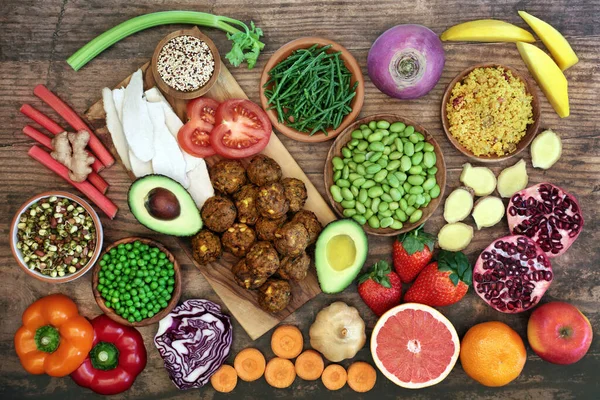
“You may think you are eating healthy, but your arteries might beg to differ.” After 20 years of treating heart attacks and clogged arteries, Dr. Sanjay Bhojraj noticed a disturbing trend many patients who exercised regularly and managed their stress still showed up with serious cardiovascular disease. The hidden culprit wasn’t lack of willpower-it was the everyday foods they thought were harmless.
From “heart smart” and “low‑fat” to even fruits and vegetables, products in the modern American diet can quietly fuel inflammation, spike blood sugar, and damage blood vessels over time. Some masquerade as healthy while delivering the same metabolic blow as junk food. Based on his clinical experience and on current nutrition research, Dr. Bhojraj has identified nine foods he refuses to eat and explains why avoiding them could be one of the most powerful steps toward protecting your heart.

1. Cereals with sugar at breakfast time
Colorful boxes and cartoon mascots give them an innocent appearance, but the truth is that most cereals are really desserts in disguise. The quick sugar rush they produce leads to an insulin spike, which, when repeated consistently over time, can also chip away at vascular health and set the stage for insulin resistance. In fact, one study from Saint Luke’s Mid America Heart Institute showed that high intakes of added sugar are associated with a 30% increased risk of cardiovascular mortality. A better choice steel‑cut oats topped with berries and cinnamon, delivering fiber, antioxidants, and sustained energy.
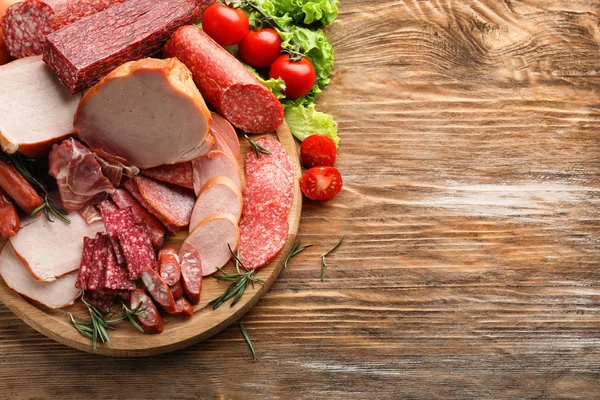
2. Processed Deli Meats
Convenient and appetizing, many of those meats in the deli contain nitrates and nitrites, which can be converted in the body to carcinogenic compounds. Such food additives raise blood pressure and hasten damage to the arteries. Large studies tie consumption of processed meat to higher risk of heart disease, at least partly due to sodium load and oxidative stress. Opt instead for freshly roasted turkey or chicken breast to avoid the preservative burden.

3. Soda and Energy Drinks
These beverages pack a double punch: high sugar surges and artificial sweeteners. Excessive sugar feeds hyperinsulinemia, which can promote sodium retention and hypertension, and some non‑nutritive sweeteners have disrupted gut microbial balance with potential effects on metabolism. NIH estimates that sugar‑sweetened drinks account for 180,000 deaths worldwide each year. Swap them for sparkling water with lemon or unsweetened herbal tea.
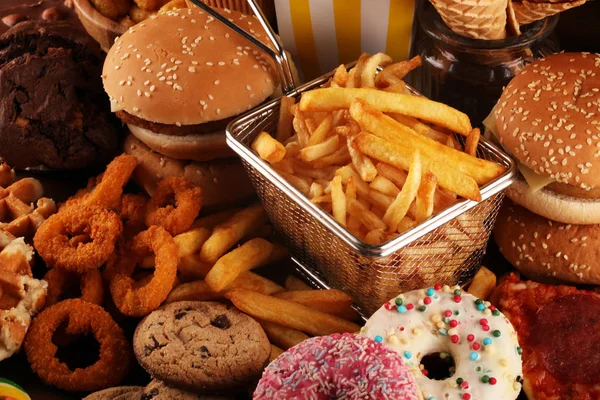
4. Fried Fast Foods
Fried snacks, from French fries to funnel cakes, are invariably fried in industrial seed oils that oxidize at high temperatures. This manufactures toxic byproducts that embed in artery walls, encouraging plaque buildup. According to the American Heart Association, this kind of cooking carries a real risk of hypertension and stroke. Baking with olive or avocado oil provides a far safer alternative that’s heart-friendly.
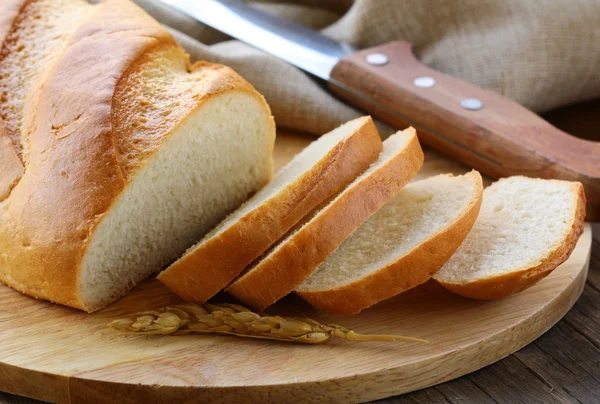
5. White Bread and Refined Carbs
Removing the fiber and nutrients from grains leaves a product that acts like sugar in the body, creating spikes and crashes in glucose levels. This eventually encourages fat storage and insulin resistance over time. Diets with high intake of refined carbs have been consistently associated with a higher incidence of type 2 diabetes and cardiovascular disease. Choosing 100% whole grain or sprouted bread supports better glycemic control and vascular health.

6. Margarine and Imitation Butter Spreads
Once touted as heart‑healthy, many margarines still contain trans fats engineered to extend shelf life but proven to raise LDL cholesterol, lower HDL, and stiffen arteries. Even small amounts can harm the endothelial lining of blood vessels. Grass‑fed butter or extra‑virgin olive oil provide healthier fats without the trans‑fat risk.
7. Highly Processed Plant-Based Meats
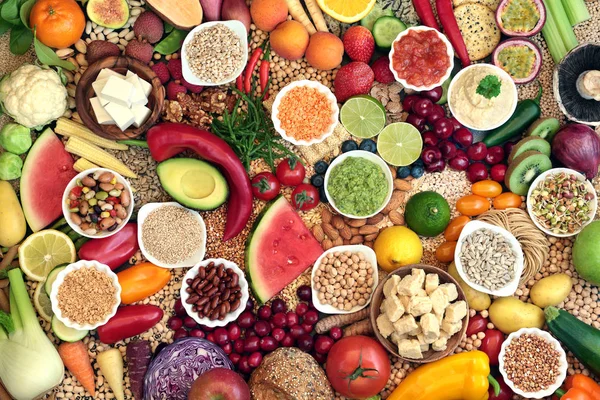
Not all meat alternatives are created equal. In addition, many are ultra‑processed, high in sodium, and made with inflammatory oils and synthetic additives. The American Heart Association’s science advisory said nutrient‑poor ultra‑processed foods consistently show a higher cardiometabolic risk. Whole‑food plant proteins such as lentils, beans, or minimally processed tofu are superior alternatives.
8. High Sodium Canned Soups
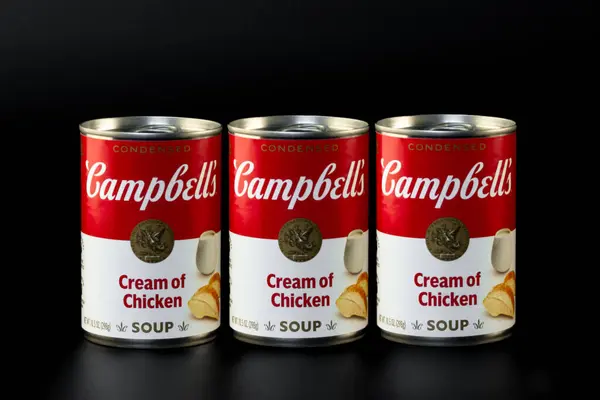
One serving can have as much as 100% of your daily allowance of sodium. Too much sodium makes blood pressure higher, puts a burden on the kidneys, and elevates the risk of heart failure. The American Heart Association recommends no more than 1,500 mg per day for most adults. Homemade soups, using fresh vegetables and modest sea salt, are a safer choice.

9. Flavored Coffee Creamers:
That morning splash can mask hydrogenated oils, artificial flavors, and added sugars-the very ingredients promoting inflammation and arterial plaque. Over years, this daily habit can quietly erode cardiovascular health. Unsweetened almond or oat milk with cinnamon or vanilla extract provides flavor without the chemical cocktail. These nine foods make up a predictable yet powerful set of dangers to vascular health for the health-conscious adult who wants to avoid heart disease.
What Dr. Bhojraj prescribes isn’t about extreme restriction it’s about strategic swaps: reduce inflammation, stabilize blood sugar, and protect arteries. It is incredible how small, consistent changes to daily eating patterns can result in measurable improvements in blood pressure, cholesterol levels, and, ultimately, long-term heart risk. Consult a healthcare provider before making any major dietary changes to ensure these adjustments fit your individual health needs.

