
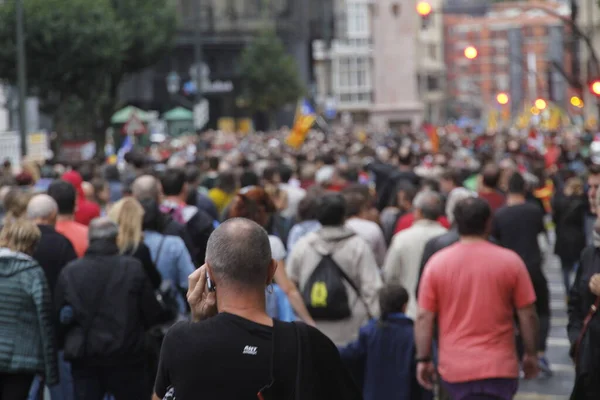
“Can abstention from a shopping trip really impact corporate behavior?”The response will be assessed this December. In the most lucrative month of the year for American retailers, People’s Union USA will begin a boycott of four corporations with familiar names: Amazon, the Home Depot, Target, and Walmart.
“The timing isn’t coincidental. ‘The holiday shopping season is under additional pressure from inflation, tariffs, as well as a projection of a 5.3 percent decline in holiday spending compared with last year,’” as reported by PricewaterhouseCoopers. By refusing to spend, activists hope that corporations will realize that they are being called out for reducing salaries, eliminating diversity budgets, as well as pouring their profits down the rabbit hole of politics. But, as history will show and as more recent statistics will demonstrate boycotts don’t always deliver as expected.

1. The Companies in the Crosshairs
“The December Boycott” will target Amazon, Home Depot, Target, and Walmart. Quoting People’s Union USA, “These corporations are taking advantage of peak holiday shopping, jacking up prices unnecessarily, and pouring their record profits into agendas that do not serve the public interest. ‘These corporations live off the public, so this month, we stop feeding them.’”
Other coalitions, such as “We Ain’t Buying It,” have targeted Amazon for its support of corporate tax cuts, Home Depot for its suspected complicity with ICE raids, and Target for failing its commitments with regard to diversity, equity, and inclusion. Walmart, a mega-retailer, has been targeted by conservative activists for scaling back its DEI work. These efforts assume public controversy over corporate social responsibility along with the increasingly polarized political culture.
2. Why December Matters
December is typically the most profitable month for most merchants, so this is a great time for a boycott. According to the National Retail Federation, ‘hundreds of millions of Americans will shop this holiday weekend alone, with Black Friday and Cyber Monday accounting for huge sales.’ It is hoped that this will provide ample visibility.
Economic realities also intensify this concern. With the application of new tariffs involving the Trump administration, prices of such basic household items as furniture, as well as electronic devices, have significantly been driven up, with household products being raised up to 24% on Black Friday. Among low-income families, purchases of holiday gifts have been significantly reduced, as the culture reacts as if the changes in their purchasing habits foretell disastrous events.
3. Lessons From History
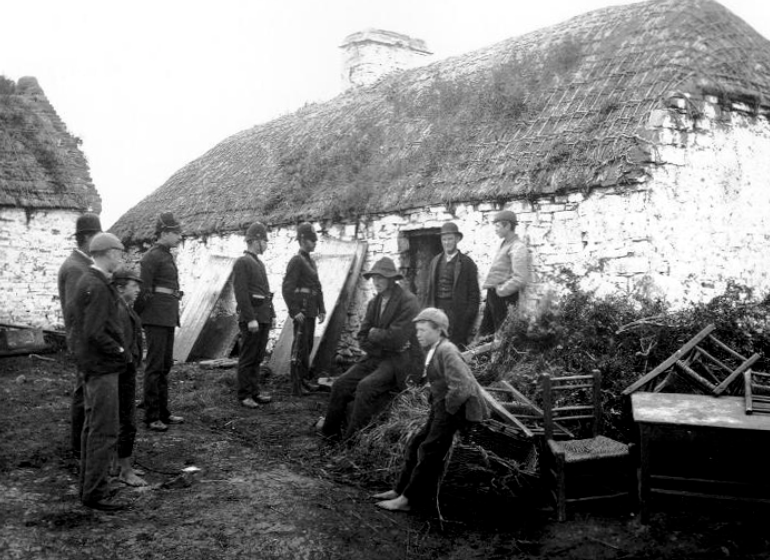
Boycotts have their origins in the past. In 1792, anti-slavery activists in Britain boycotted sugar produced by slaves in Africa, giving women, who didn’t enjoy the right to vote, their voices heard in politics. Finally, the term “boycott” was born through the Irish Land Wars of 1880. Tenants in Ireland refused services of Captain Charles Boycott, a land agent, until he quit the island.
In America, Montgomery’s bus boycott, which was triggered by the incident of Rosa Parks in the year 1955-56, went on for more than a year, resulting in the banning of segregation by the Supreme Court. Incidents such as this suggest that with collective effort, changes can be generated in policies as well as public opinion, though maintaining this speed seems difficult.
4. The Gap Between Intent and Action
Recent statistics highlight a challenge that modern protesters, or boycotters in this case, face: their intended goals may or may not translate into measurable effects. During the Amazon boycott, which lasted for eight weeks in March, sales within America increased close to 6% compared with the previous eight weeks, as reported by Momentum Commerce. Only 9% of Amazon loyal buyers reported that they supported the boycott, with many people moving up their purchases before or after the boycott.
This discrepancy would suggest that, although public awareness may be relatively high, with 43% aware of the boycott, economic self-interest often takes precedence over motives in the checkout line.

5. Short Versus Sustained Campaign
Experts highlight that brief durations of such activity, such as seen within the ‘We Ain’t Buying It’ weekend boycott, do not affect profits. Professor of the Kellogg School of Management at Northwestern University, author Brayden King, brings forth that the effects will be more likely with more prolonged periods, such as that seen within the Montgomery Bus Boycott.
Although immediate, short-term solutions may effectively provide focus for public attention, the fact remains that corporations will likely ride through this storm without necessarily dropping their policies.
6. Economic Blackouts as Protests
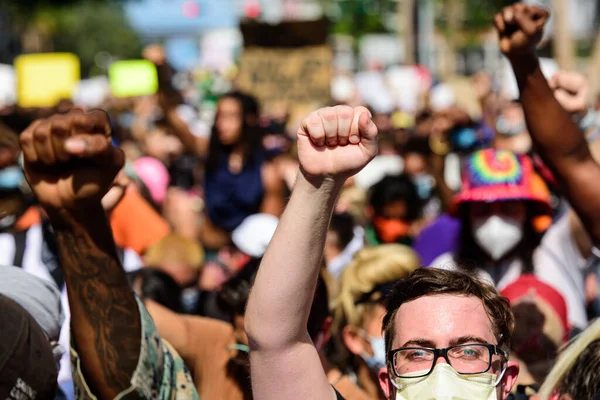
Apart from the traditional boycott, there is the ‘economic blackout,’ whereby activists urge people not to participate in any economic activity that is not essential for agreed periods. ‘24-hour blackout’ in February was the most popular mode on social media sites, although its effects were hard to quantify. Emily E. LB. Twarog, a historian focusing on the working class, explains, “Boycotts before the internet were more likely to happen off-line, through direct action, with picketing, so they involved human interaction, which the internet doesn’t provide.”
Lacking any real world distribution, such blackout strikes may well become mere symbolic gestures, which might well serve as a gesture of rebellion but will really do nothing else.
7. Corporate Responses
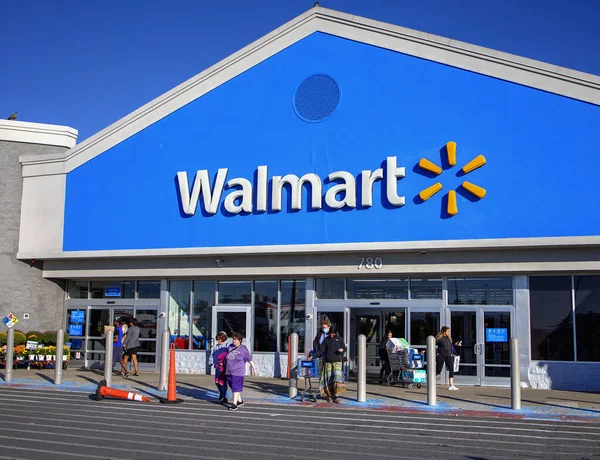
Target, Home Depot, and Walmart were all forced to respond with regards to claims of a boycott. “We don’t coordinate with ICE or Border Patrol. We must comply with all federal, as well as all local, laws, rules, and regulations in every market that we serve,” claimed a representative for Home Depot. Target provided a statement that their policy was “to create growth and opportunity for all” within more than 2,000 communities Amazon refused comment.
These kinds of replies demonstrate that there is a fine line being drawn between reputation protection, without increasing political tensions, and customer relationships.

8. Role of Alternative Spending
What is being requested is that the spending be redirected towards Small Businesses, Minority-owned Businesses, as well as Retailers that embody democratic principles. This was seen in historical boycotts, which involved showing support for resistance against targeted merchandise in the promotion of responsible merchandise. Such spending, therefore, may ease the discomfort for the consumer, as well as show that the boycott is not against consumption, but merely redirecting funds.
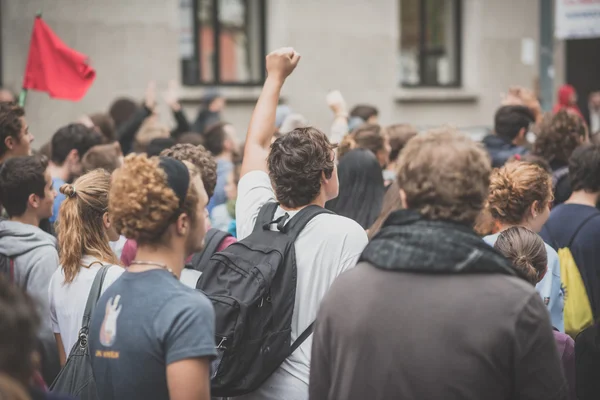
However, the December boycotts also relate to a form of symbolic economy. “On one hand, this is a time of year that’s a spending time. And that’s been built into America’s economy. And so this is really the effort to politicize buying. Whether this will really affect profits, or if this will really be seen as more noise in America’s culture wars, that’s unknown. But history shows that the more concerted effort, with more alternatives, seems more likely to happen, but in this saturated, real-time news culture, a momentary boycott can, in fact, kick off a dialogue about value that is imbedded in every sale.”

