
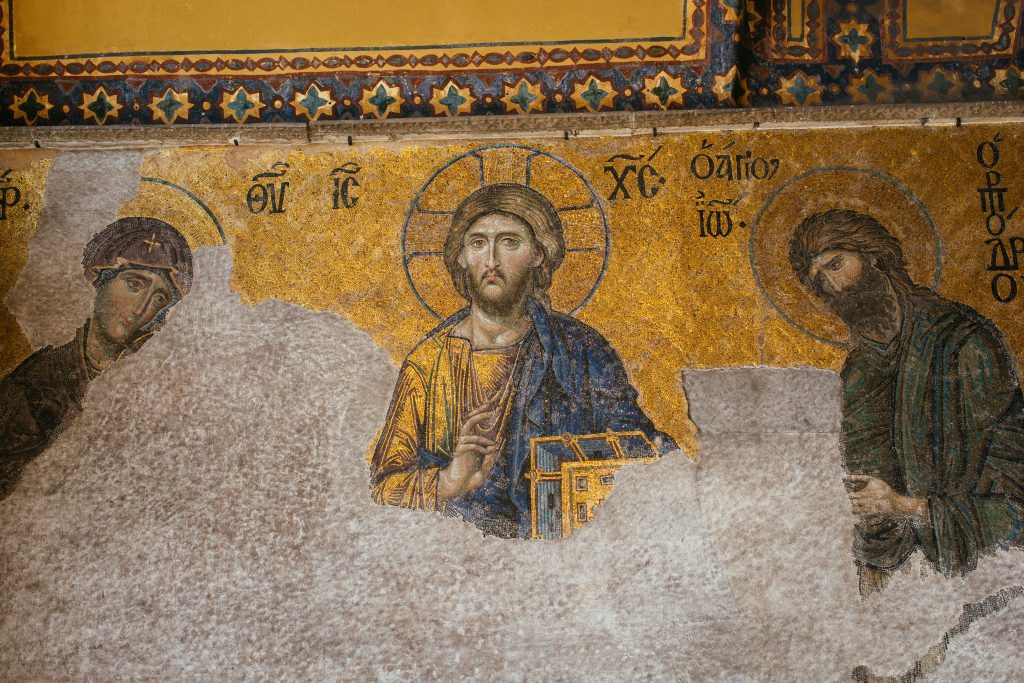
People talking about early Christians usually talk about the same old list of famous sites, the same old findings. But there are plenty of more interesting finds hidden away in older reports and museum basements. We’re going to look at some forgotten archeological discoveries that changed what we thought early Christian communities looked like.
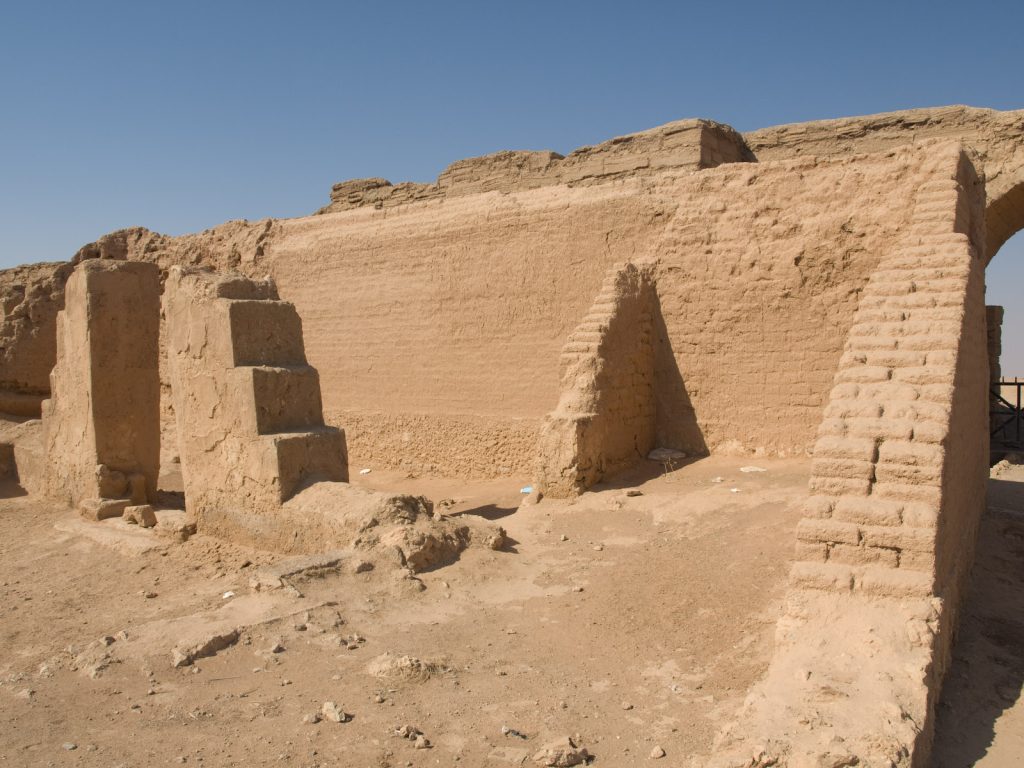
1. Dura-Europos house church
The Dura-Europos house church was found buried underneath a Roman ramp by Yale archeologist Clark Hopkins and his team. They found a home that they believe was remodeled around the year 232 CE. It includes a hand-plastered baptistry, a place where church leaders would perform baptisms. What makes the church so important is the fact that the artwork in the baptistry shows the Good Shepherd. It’s a clear sign that Christians used to gather here long before Constantine made it legal for them to do so.
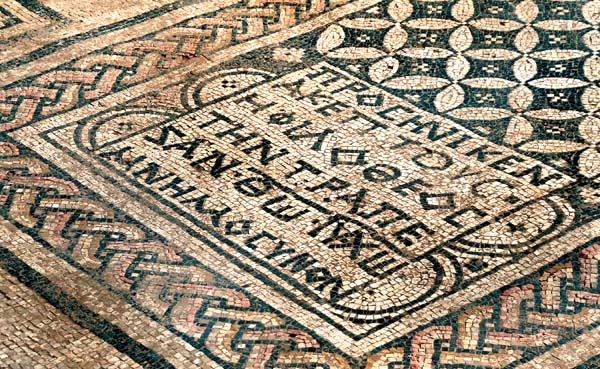
2. Megiddo prison mosaic
In 2005, Dr. Yotam Tepper from the Israel Antiquities Authority supervised rescue excavations at the Megiddo prison in Israel. He found a mosaic floor at the prison that included a dedication from Akeptous to God Jesus Christ, although it was written in an abbreviated form. Why is that important? It’s because of when the mosaic was created. Tepper and other historians believe the room was built in the early 200s, rather than the later 300s, seemingly suggesting that Christians were publicly worshipping much earlier than originally expected.
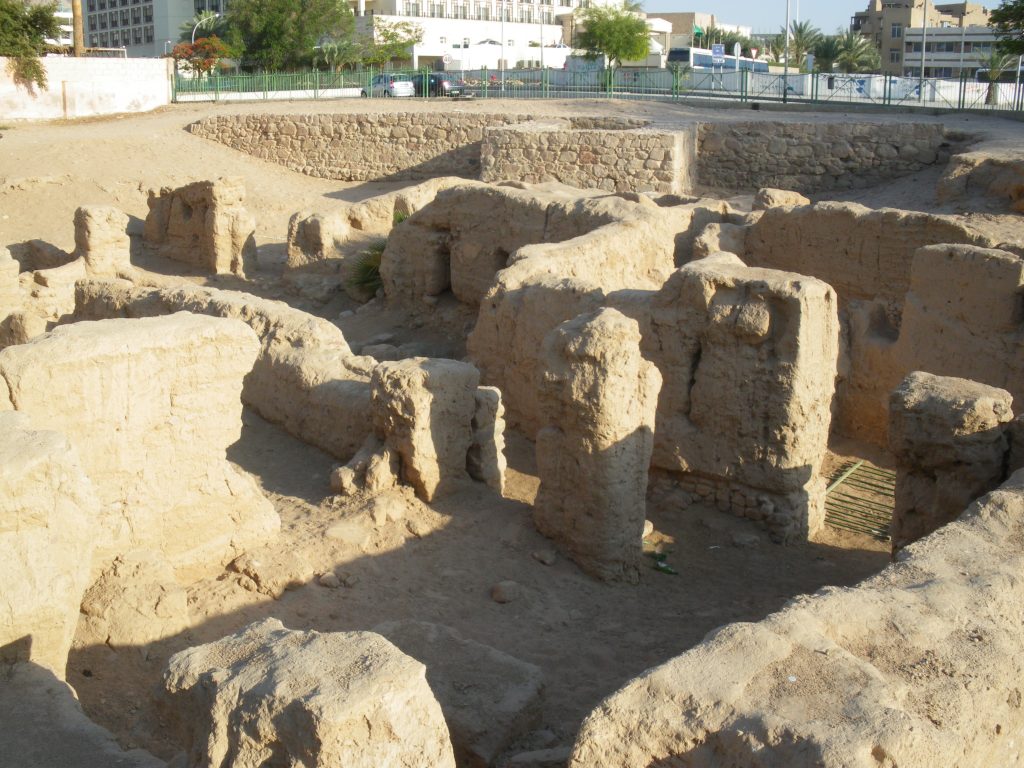
3. Aqaba’s Red Sea church
North Carolina State University’s Thomas Parker wrote a field report in 1998 that analyzed coins found at Aqaba’s church on the Red Sea. He found the coins in the church’s foundations. The coins date from the reign of Diocletian, and their findings indicate that the church was created around 300 CE. That’s rather important. Instead of being a repurposed house, the coins show that the building was intentionally designed to be a church, meaning that the coastal communities had been creating Christian buildings long before historians thought they were.
4. Nag Hammadi desert codices
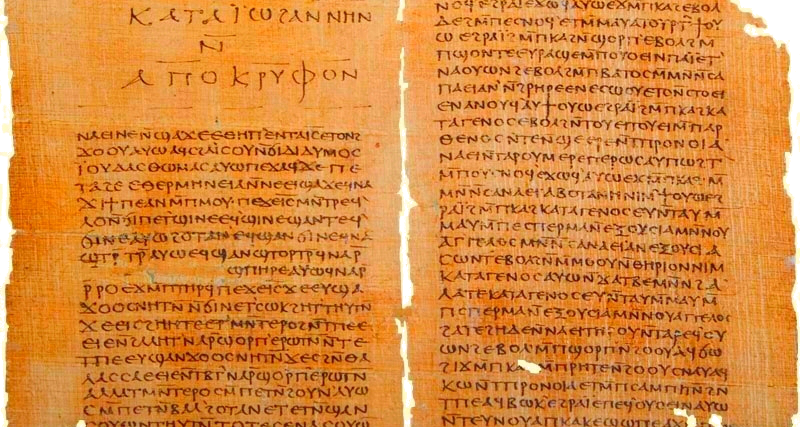
In 1945, archeologists discovered a set of Coptic codices near Nag Hammadi in Egypt. Pahor Labib, director of the Coptic Museum, took control of conserving the codices. Later, James M. Robinson came together with other scholars to publish The Nag Hammadi Library in English, introducing over fifty early Christian and Gnostic writings. The findings forced historians to rethink what they thought they knew about Christian beliefs during the second and third centuries.
5. Bodmer papyri and Dishna gospel texts
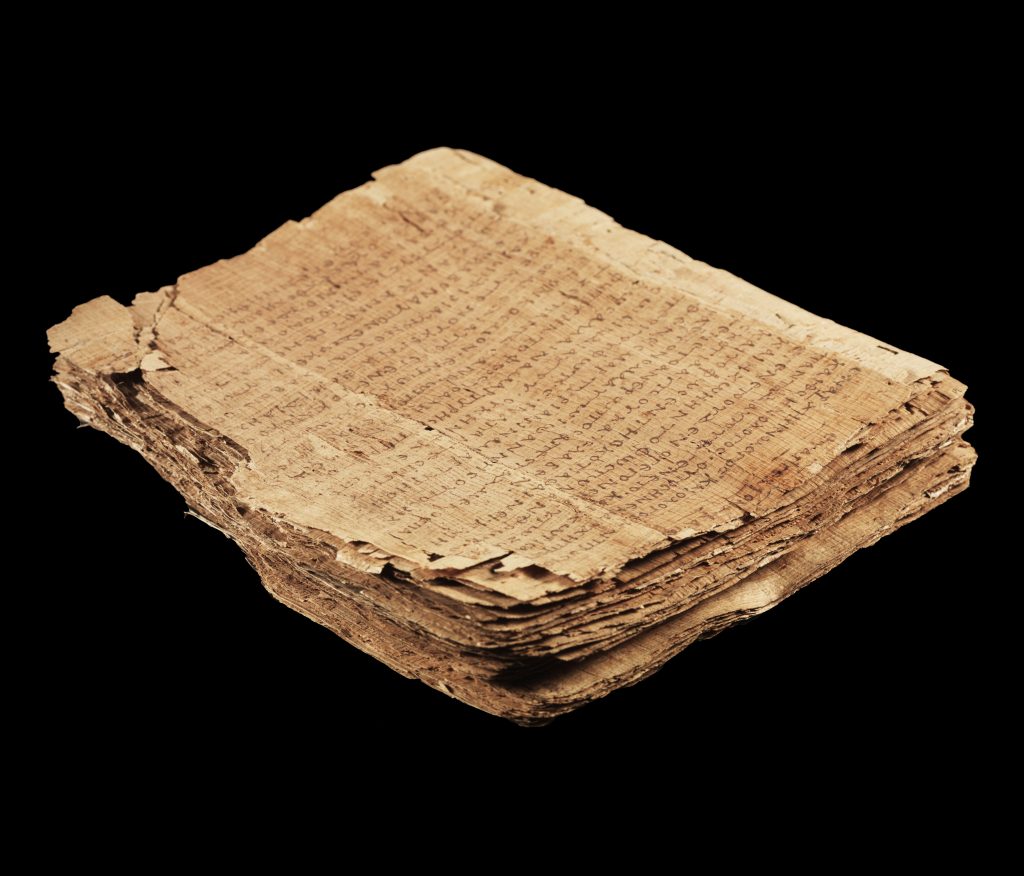
Not all new archeological discoveries come from the ground. During the 1950s, Swiss collector Martin Bodmer purchased a set of papyrus books that were found in the Dishna region of Egypt. These were later published by Victor Martin and Rodolphe Kasser, who worked on P66 (John) and P75 (Luke-John), respectively. The P75 followed the older form of the Codex Vaticanus, and it rewrote what scholars had previously thought about early gospel texts. They now understood that Egyptian Christian communities had been circulating these texts much earlier.
6. Capernaum’s house of Peter
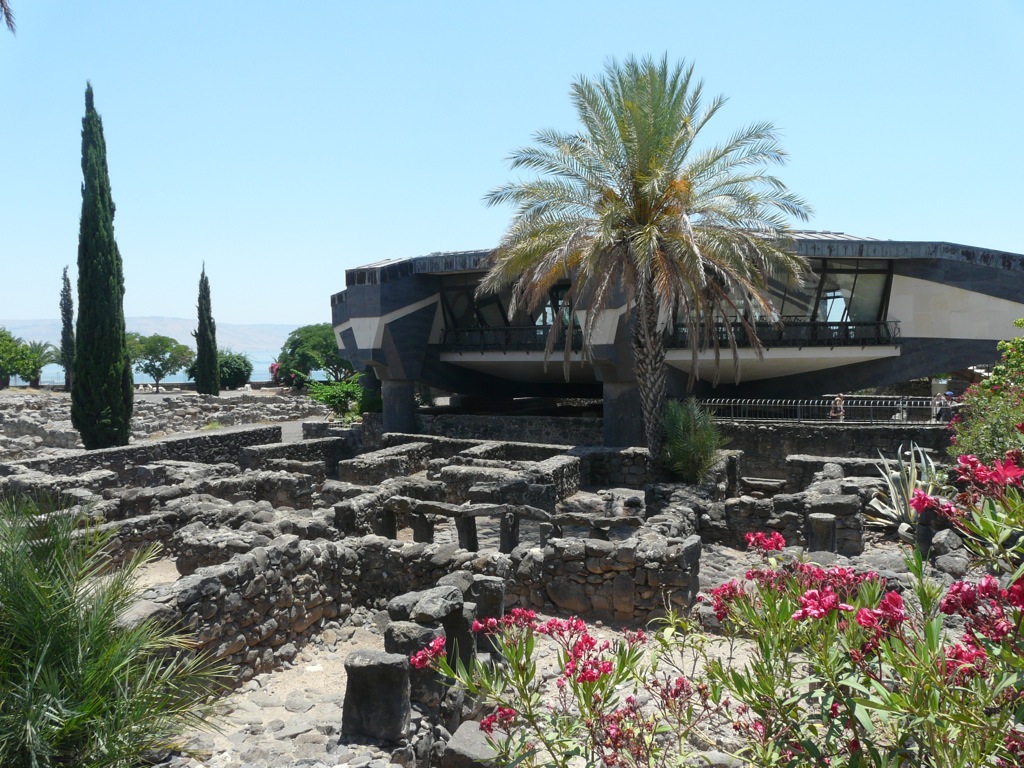
Franciscan archeologists Virgilio Corbo and Stanislao Loffreda worked through the basalt layers of a house in Capernaum in Galilee. They discovered several things, including a first-century room where everyday pottery disappeared, and the walls had been re-plastered several times. That might not seem like much. However, the fact that these alterations took place suggested that the house had changed in use over the years. It was likely a meeting spot for Jesus’s followers, changing ideas of when structured house-gatherings began in Jewish Galilee.
Each of these discoveries happened only because archeologists happened to look twice at ordinary items, and then later recorded their findings in field notebooks or old excavation volumes. Sadly, these discoveries have all been largely forgotten by those outside of the field. But that doesn’t make them any less significant.

