
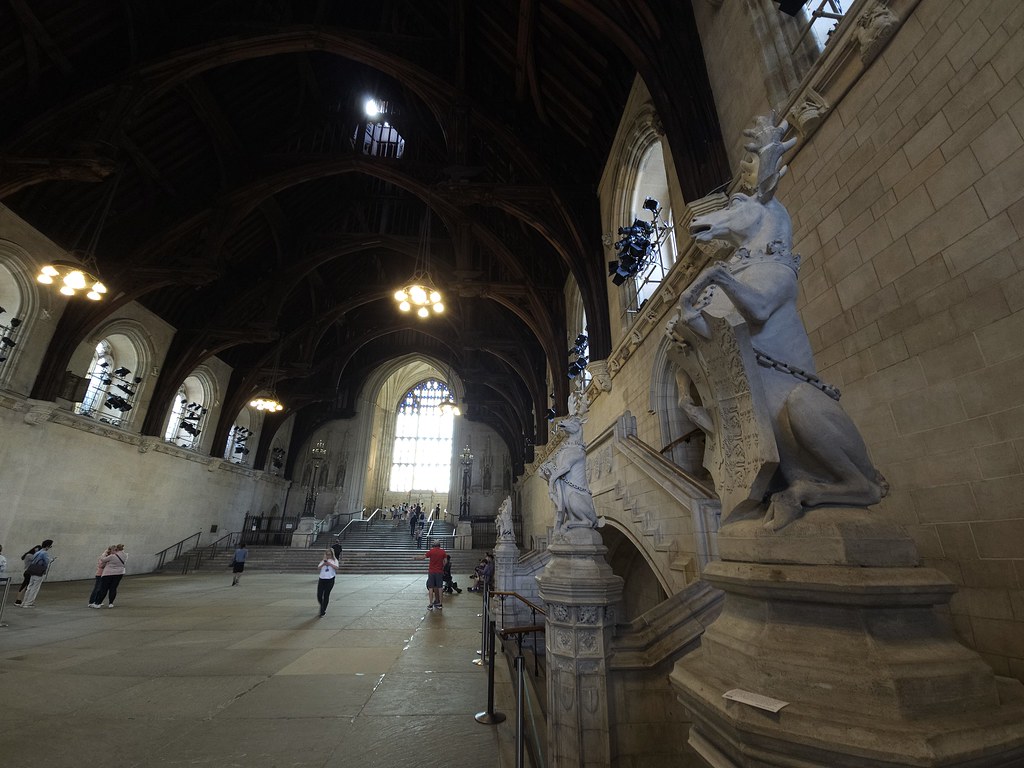
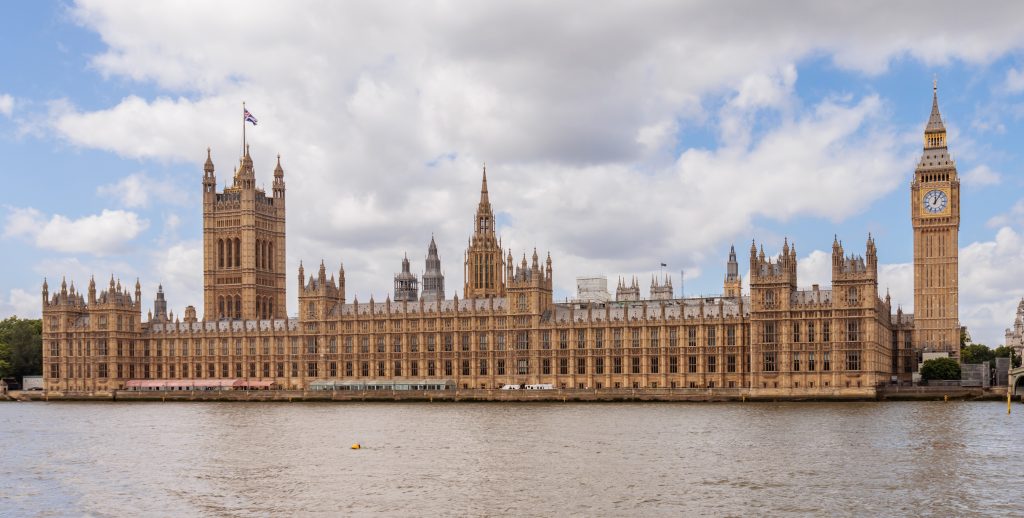
Beneath the busy courtyards and Gothic spires of the Palace of Westminster, archaeologists have peeled back layers of earth to reveal a story that goes far beyond the political dramas of modern Britain. What they have found-flint tools older than Stonehenge, medieval treasures, and the preserved remains of a royal hall thought lost forever-has astonished not just historians but is also reordering how this World Heritage Site will be restored.
1. Mesolithic Tools in the Heart of London
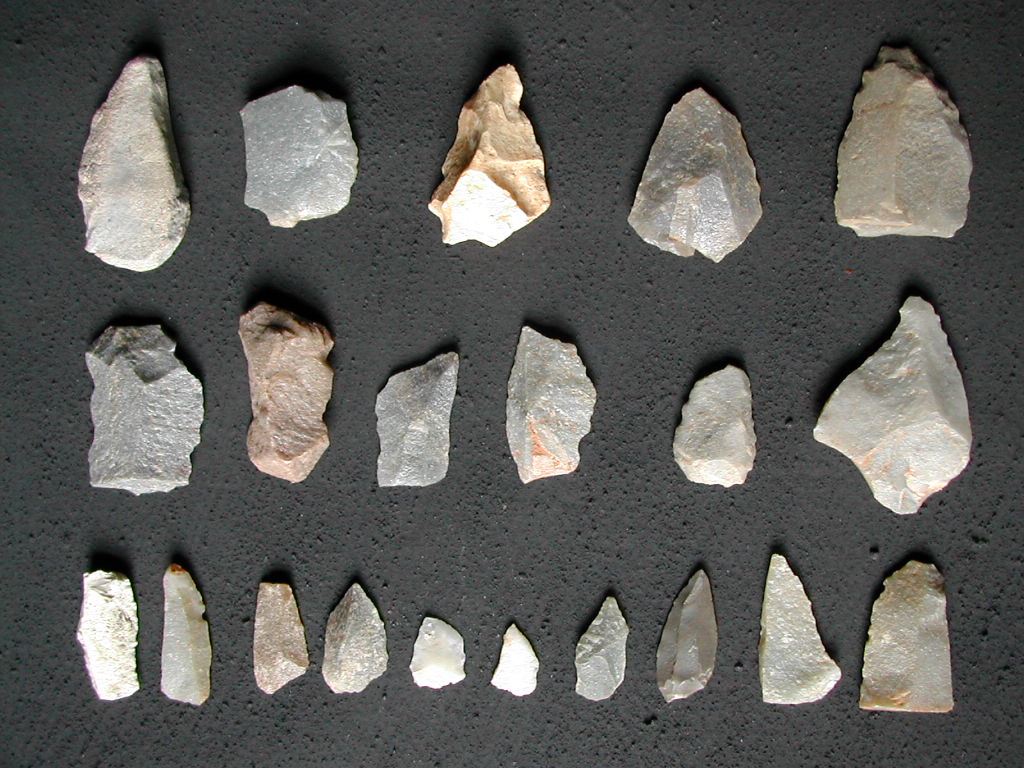
More than sixty struck flint fragments, including a worked tool, have emerged from deep, undisturbed sand deposits dating to about 4300 BCE. These Late Mesolithic or Early Neolithic implements pre-date Stonehenge by more than a millennium. Preserved within the remains of ancient Thorney Island, they speak to a time when hunter-gatherer communities fished, hunted, and foraged along the Thames. “Finding remains in situ like this in central London is incredibly rare,” said Diane Abrams, lead on archaeology at the Restoration and Renewal Delivery Authority. The pristine sands had protected them for thousands of years.
2. Thorney Island’s Strategic Past
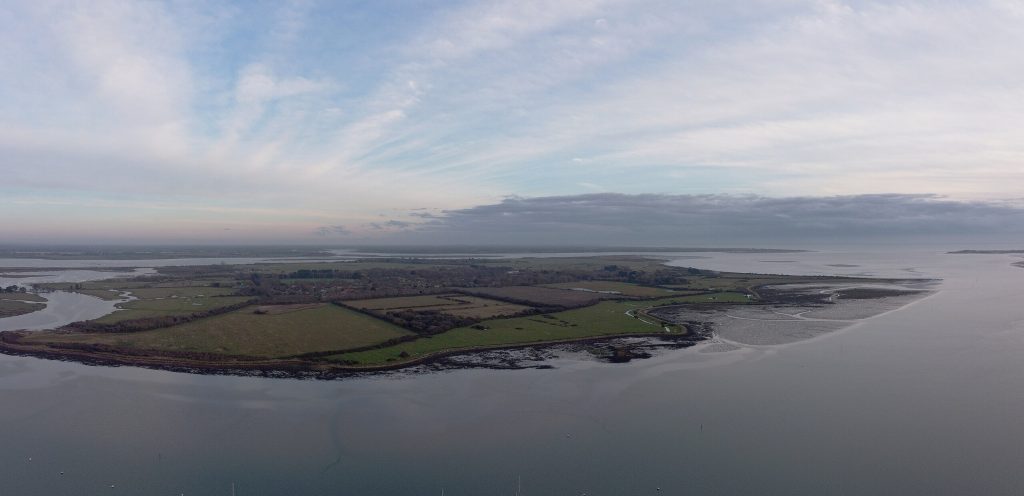
It is precisely the geography that gave Thorney its prehistoric significance; it was once a gravelly rise in the river, giving plentiful supplies and a strong defensive position. Long before any kings built palaces, this was a seasonal focus for small communities. Its significance survived; in the 11th century King Canute built a royal residence here and Edward the Confessor developed it into a palace, establishing Westminster’s place at the heart of English history.
3. Roman Echoes in Medieval Masonry
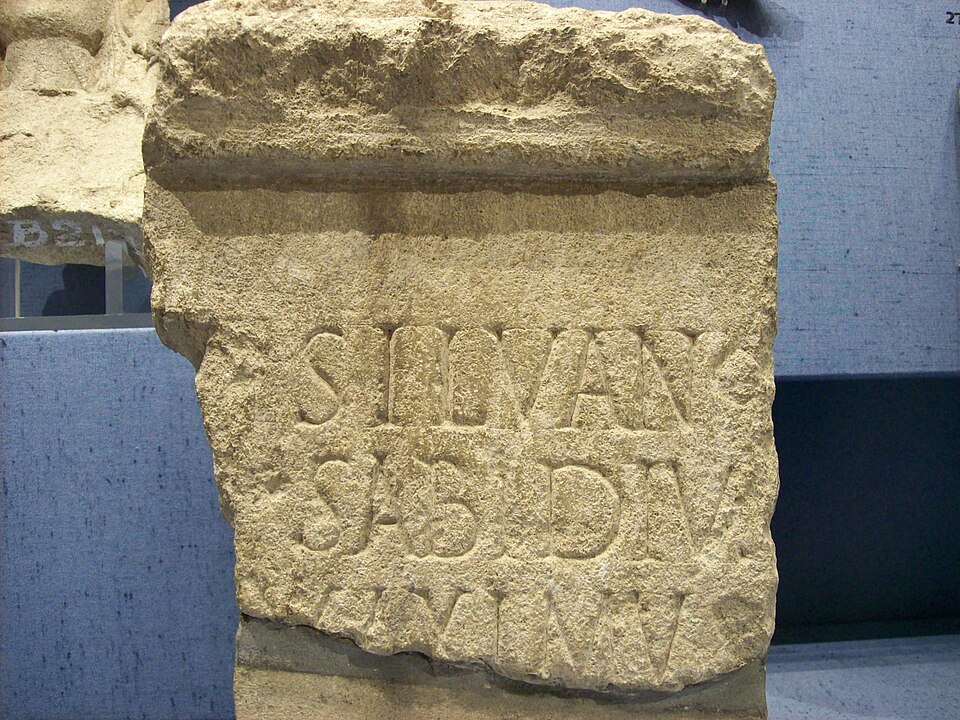
One example is the fragment of a Roman altar, over 2,000 years old, probably re-used in later medieval construction. The re-use forms part of a wider phenomenon in London’s building history whereby ancient material was re-used in new buildings which juxtaposed eras and preserved fragments of the city’s earliest monumental culture.
4. Everyday Life in the Middle Ages
Other medieval finds include 800-year-old leather footwear, comprising boots, soles, and straps that would have been worn by residents or workers and thus provide tangible glimpses into the daily life of Westminster’s medieval quarter. A decorated lead badge in the shape of a flowering heart-a popular motif throughout the 14th and 15th centuries-provides clues about the personal adornments and symbols of romance that would have been carried.

5. Victorian Workers and Their Tools of Leisure
Fragments of ornamented clay tobacco pipes from the 19th century and a five-pint beer jug bearing the name “Geo Painter” link directly to George Painter, publican of the Ship and Turtle Tavern in London’s Leadenhall area. These most probably belonged to stonemasons employed in rebuilding the Palace following the devastating fire of 1834 and provide intimate details of workers’ lives during one of the site’s most transformative periods.
6. The Lost Lesser Hall Reappears
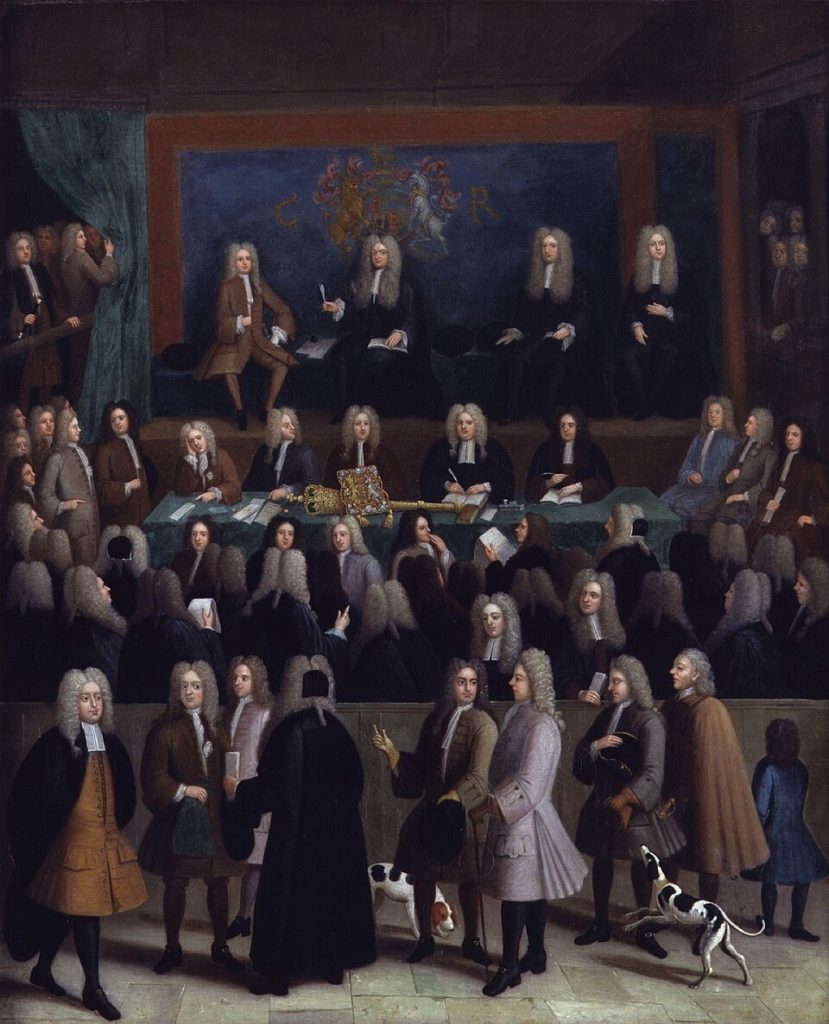
In August 2025, excavators found extensive remains of the medieval Lesser Hall or White Hall dating back to 1167. Originally a royal dining hall, it later housed the Court of Chancery and the Court of Requests and for periods, both Parliamentary chambers. Scholars had thought that it was destroyed in the Great Fire of 1834; but new evidence shows that large sections of its stone walls survived, were repaired, and remained in use until its demolition in 1851. Astoundingly, these walls also survived a nearby World War II bomb strike. David Brock of Historic England called locating the Lesser Hall walls “particularly exciting,” noting the potential to expand knowledge of Westminster’s surviving medieval buildings.
7. Decorative Tiles Linking Centuries
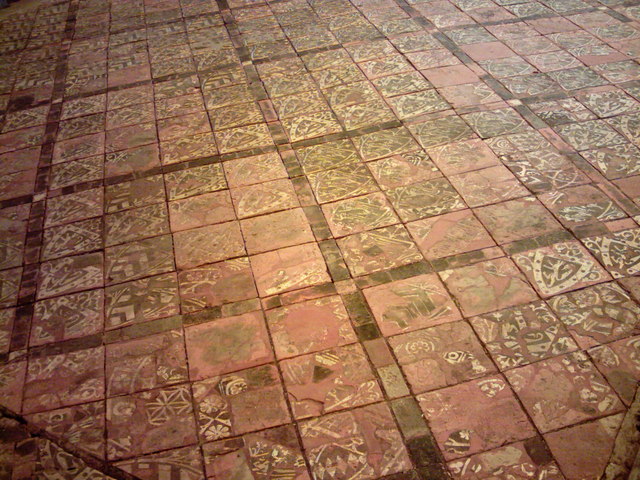
The pattern of one of the medieval floor tiles, unearthed during this excavation, would later prove inspirational in the designs that were to be adopted during the 19th-century reconstruction of the Palace. This single artifact links the centuries in architectural history by showing just how medieval craftsmanship inspired Victorian aesthetics in one of Britain’s most iconic buildings.
8. Archaeology to Inform Restoration
These are just some of the results of the three-year study undertaken by the Museum of London Archaeology across nine locations on the Parliamentary estate. The Palace lies within a Tier 1 Archaeological Priority Area, which reflects its very highest heritage asset value. Excavations so far have comprised 14 trial pits, 10 geoarchaeological boreholes, and foreshore surveys, aiming to inform the design for restoration so that the buried history is protected.
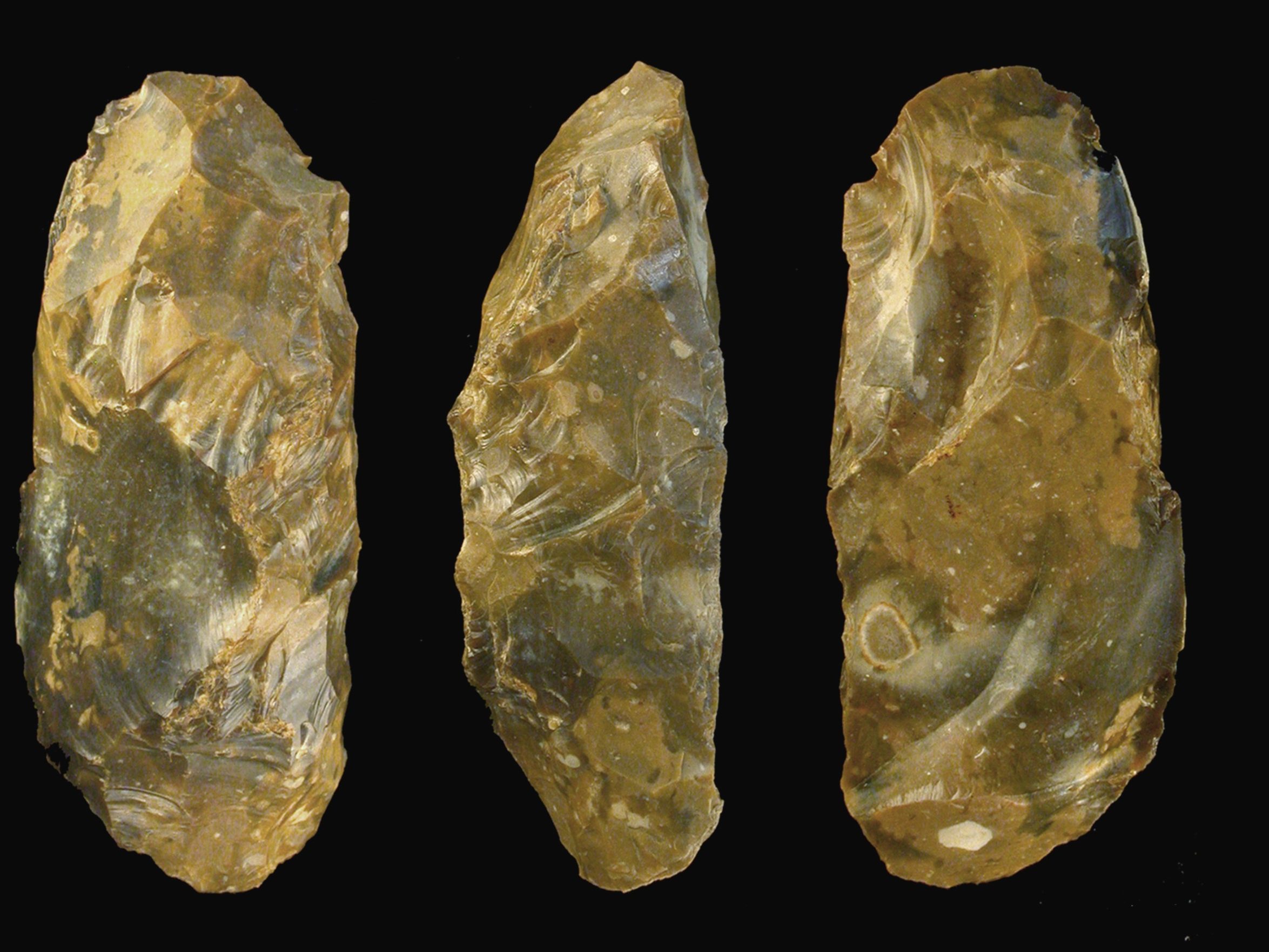
Simon Thurley, chair of the Restoration and Renewal Delivery Authority, emphasized, “We must tread softly on the history beneath our feet, to protect it, and to learn from it.” It will run up until 2026, with the full report coming out in 2027. Each artefact-from the Mesolithic flints right through to the surviving walls of the Lesser Hall-adds another chapter into Westminster’s long and layered story, from prehistoric foragers to architects of modern democracy.

