
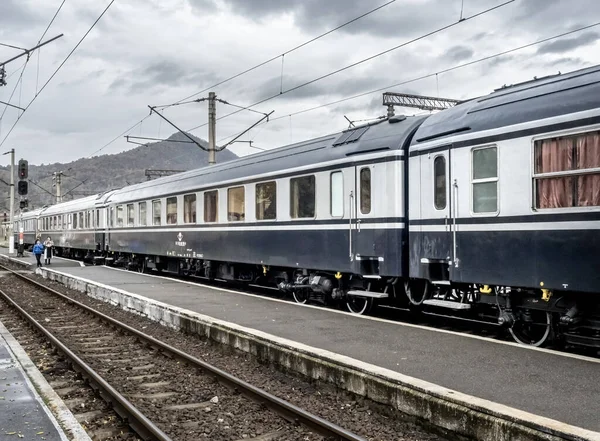
What did the Commander-in-Chief ride in before the roar of jet engines became the soundtrack of presidential travel? In the mid‑20th century, the answer was not a plane but a train a singularly fortified and lavish railcar that doubled as a mobile White House. Called the Ferdinand Magellan, or U.S. Car No. 1, this rolling fortress served Franklin D. Roosevelt, Harry S. Truman, and Dwight D. Eisenhower at a time when rail was king and security was paramount.
From armored shell to mahogany-lined conference room, the Magellan was equal parts practicality, political theater, and wartime necessity. It was a stage for historic speeches, private diplomacy, and even the occasional cross-country campaign blitz. Today, preserved in a Florida museum, it remains a tangible link to a slower yet equally consequential era of presidential movement. Here are nine fascinating details that show just how this “White House on wheels” functioned-and why it still captures the imagination of history buffs.
1. Wartime Origins and Roosevelt’s Requirements
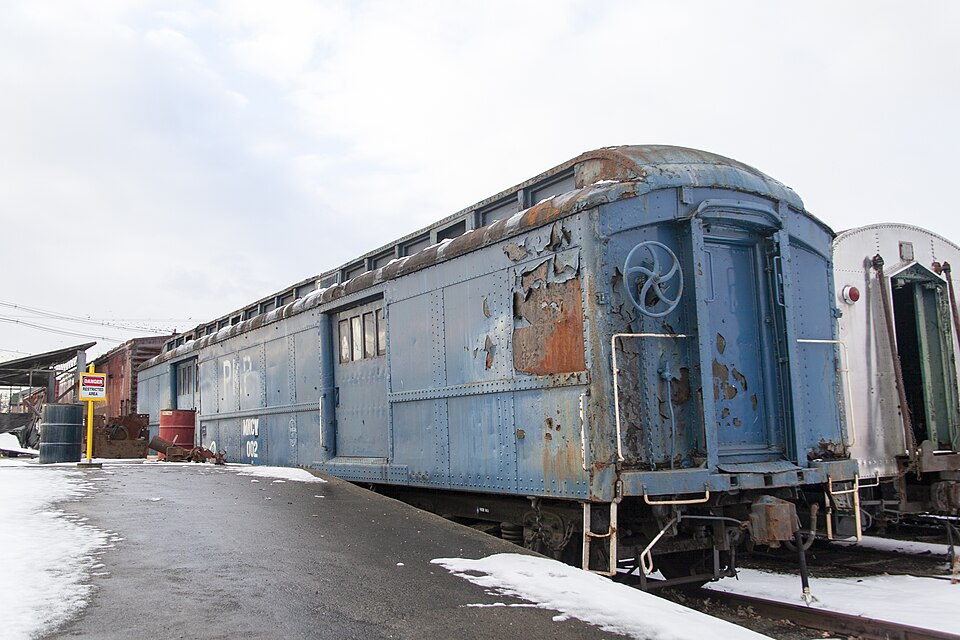
The Ferdinand Magellan started life as a Pullman luxury car it was rebuilt in 1942 at the request of the U.S. Secret Service. Franklin D. Roosevelt required safe travels during World War II, and the refurbishing took care of his safety as well as problems with mobility due to polio. The car was given to him on December 18, 1942, and operated under the code name POTUS. Roosevelt preferred to ride at the modest speed of 35 miles per hour, compromising efficiency for the stability required by his wheelchair. During his presidency, he covered more than 50,000 miles aboard it, very often between Washington, D.C., and Hyde Park, New York.
2. The Heaviest Passenger Railcar in U.S. History
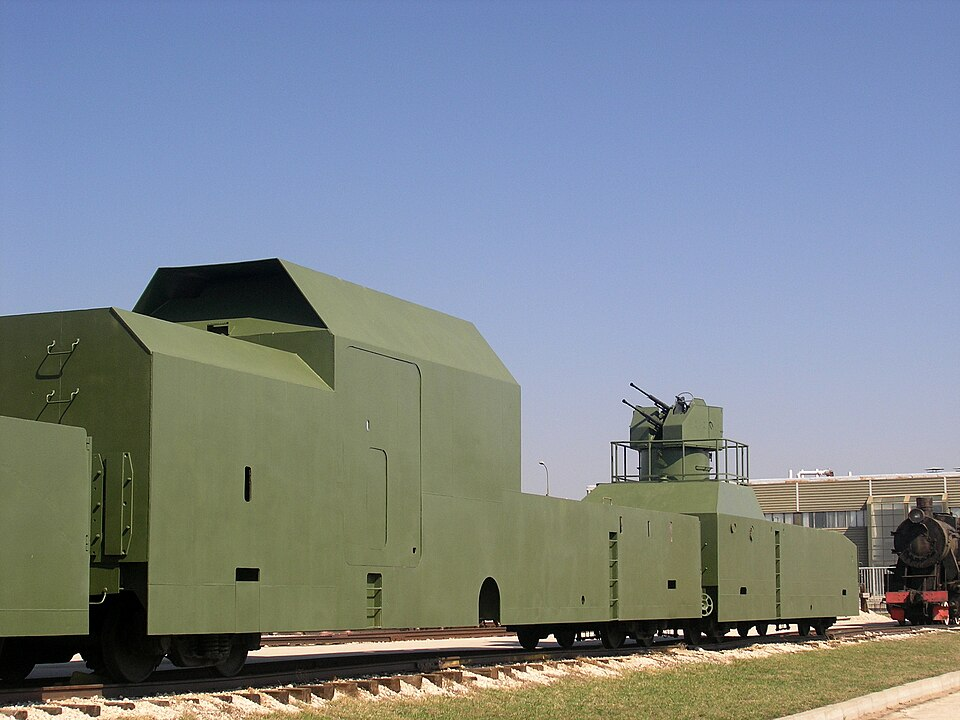
Once armored, the Magellan became the heaviest passenger railcar ever built in America, weighing 285,000 pounds, nearly triple the mass of a modern tank. Its sides were sheathed in over half an inch of nickel‑steel armor, and its windows were of 3 inches thick laminated bulletproof glass. Even its rear door weighed 1,500 pounds, balanced on precision hinges. So that it wouldn’t draw undue attention to itself or its occupants, the name “Ferdinand Magellan” was removed from its exterior, though its distinctive profile often betrayed its importance.
3. Rails Security Protocols
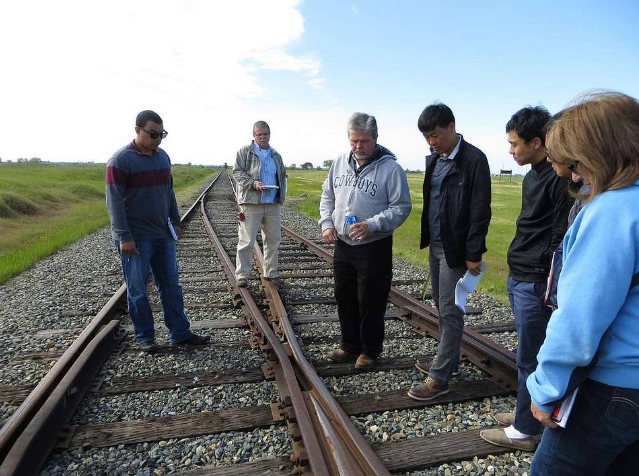
Presidential rail travel called for elaborate precautions. Railroad police stationed themselves at overpasses and junctions, plainclothes agents patrolled the stations, and track crews walked every mile ahead of the train to guard against sabotage. Other trains were kept at least 30 minutes ahead or behind, ensuring clear passage. The Magellan always had right of way, and escape hatches including one in the presidential suite’s bathroom and a submarine‑style hatch in the observation lounge were installed for emergency evacuation.
4. Truman’s Whistle‑Stop Triumph
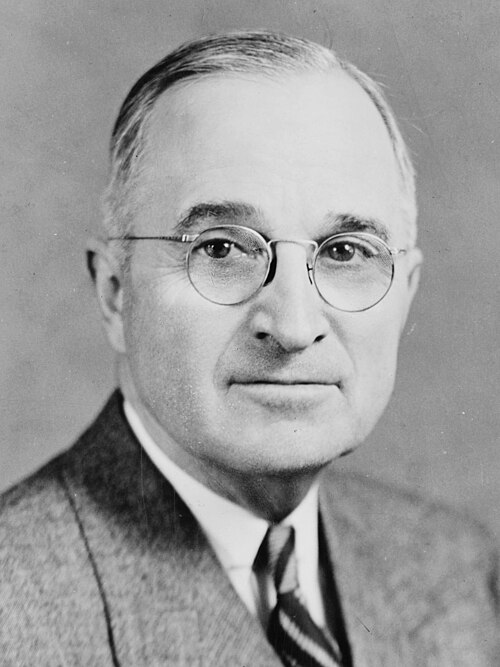
While it was designed for Roosevelt, the most famous chapter in the history of the Magellan came in 1948 when Harry S. Truman, traveling at 80 miles an hour, used the train in his 35‑day whistle‑stop reelection campaign. He delivered 356 speeches from its rear platform to millions. His staff wrote remarks tailored to local issues, sometimes mentioning recent floods or factory closures. Grassroots outreach paid off as he reversed dire poll predictions to defeat Thomas Dewey and produce the “Dewey Defeats Truman” photograph taken on the train.
5. Diplomatic Guests and Historic Moments
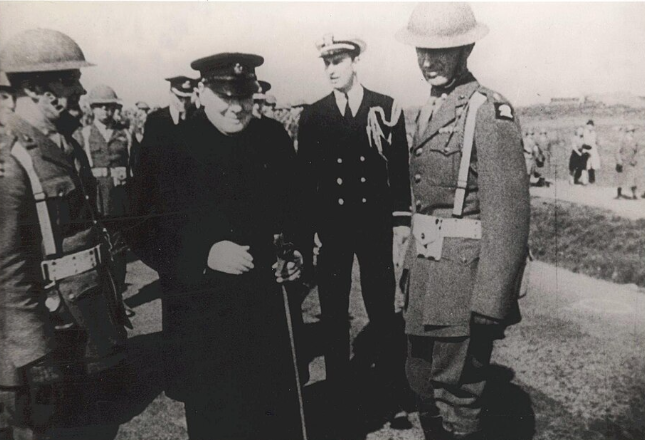
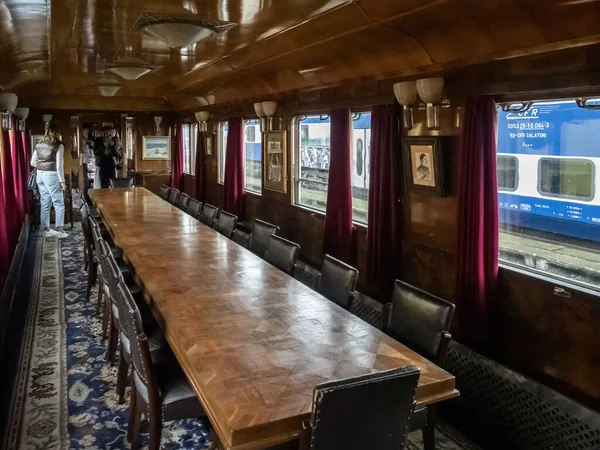
The Magellan played host to figures of global importance. In 1946, Truman welcomed aboard the British Prime Minister Winston Churchill, who delivered his “Iron Curtain” speech during the visit. Centered on a six‑foot solid mahogany table, the dining‑conference room was a setting both for formal dinners and for strategy sessions. The use of Presidential china bearing the national emblem made sure that even on the move, state dining did not lose its ceremonial gravity.
6. Interior Layout and Comfort
Boarding from the front, the guests entered staff quarters and a fully equipped kitchen with ovens, refrigerators, and a pantry. Two staff-a chef and a porter-had compact sleeping berths nearby. Beyond lay the dining-conference room, guest staterooms with private baths, and the presidential suite designed for Roosevelt’s wheelchair. A door in the shared bathroom between the presidential suite and the First Lady’s room served as a connecting door. Also, there were several telephones on board to permit almost unprecedented communication en route. The rear contained the observation lounge, a casual space with original furniture and stairs to the speech platform.
7. Campaign Speeches from the Rear Platform
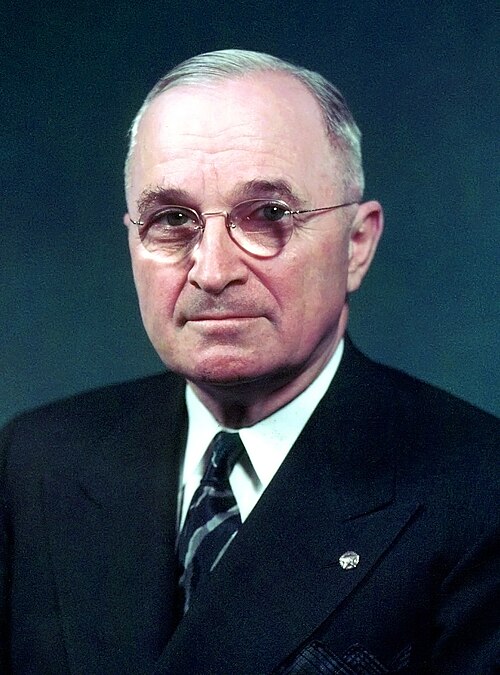
The open rear platform on Magellan’s was more than a scenic perch-it was a political stage. With microphones and loudspeakers, it allowed presidents to speak with crowds assembled in small‑town stations and city depots alike. Truman’s 1948 tour exemplified its utility, when he often spoke to several audiences in one day without leaving the train.
8. Later Uses and Retirement
Dwight Eisenhower preferred to travel by air, and by 1954 the Magellan was retired from regular service. Its last official presidential use came in 1984, when Ronald Reagan borrowed it for a one‑day Ohio whistle‑stop tour during his reelection campaign. The train then entered museum life, having been acquired by the Gold Coast Railroad Museum in Miami in 1959 after the Smithsonian declined storage.
9. Preservation and Public Access
Declared a National Historic Landmark, the Magellan remains on active track and could, in theory, be requested by a sitting president. Those who visit the Gold Coast Railroad Museum can tour its interior, noting details like hurricane damage from 1992-a cracked window that speaks to its endurance. For an extra ticket, guests step into a space where wartime strategy, political theater, and presidential daily life once converged. The Ferdinand Magellan is that very rare artifact of both the age of steam and the jet era, combining in one vehicle the intimacy of rail travel with the gravitas of presidential duty.
Its armored walls and polished woodwork tell of a time when the nation’s leader could traverse the country at a measured pace, meeting its citizens face‑to‑face from a train platform. In an age of instant communication and global reach, this “White House on wheels” reminds us that leadership once rolled along steel rails, carrying history with every mile.

