
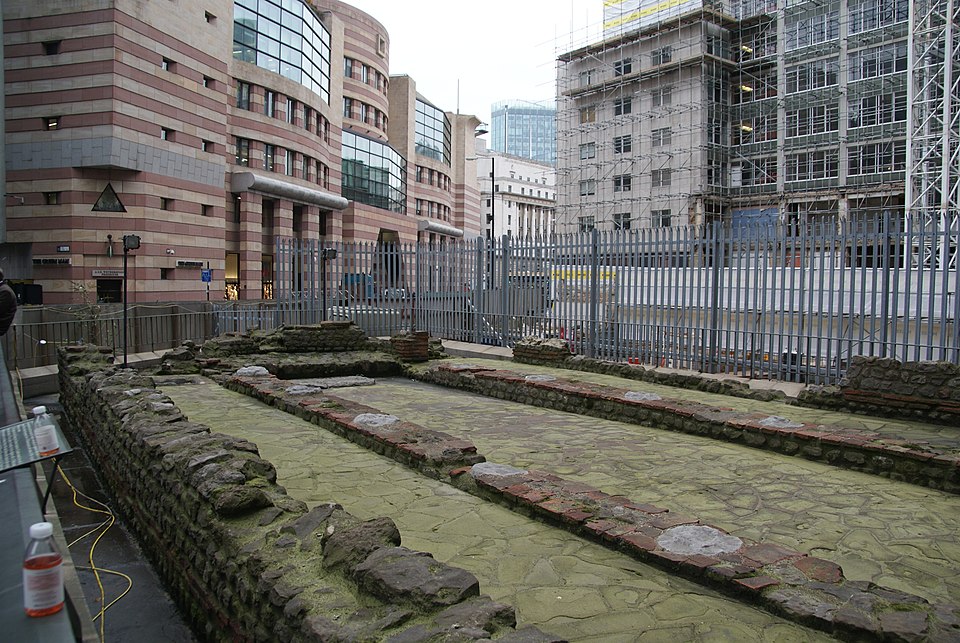
It began with the quiet scrape of trowels beneath the courtyard of Britain’s political heart, but what emerged was a layered story extending far beyond Parliament’s thousand-year history. Archaeologists toiling under the Palace of Westminster have revealed a sequence of human activity that is as continuous as it is varied-a sequence rewriting the site’s timeline from Mesolithic toolmakers to Victorian stonemasons.
1. Flint Fragments Older Than Stonehenge
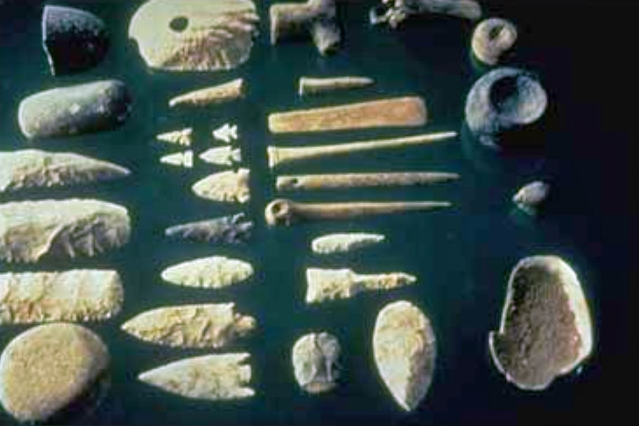
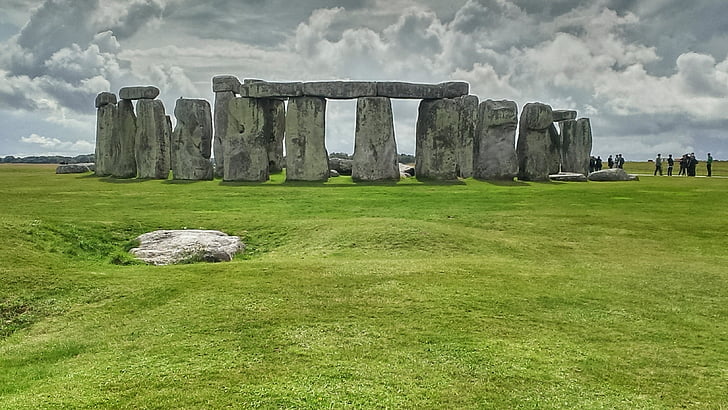
The earliest finds consist of more than sixty flint flakes and one fully worked tool, dating to about 4300 BCE. Preserved in undisturbed sand deposits from ancient Thorney Island, these artifacts pre-date Stonehenge by over a millennium. Diane Abrams, the lead for archaeological work at the Restoration and Renewal Delivery Authority, called them “incredibly rare” evidence of prehistoric life in central London. The proximity to the Thames made it a place with resources for fishing, hunting, and gathering, underlining its strategic value long before royal or political ambitions took root.
2. Thorney Island’s Forgotten Past
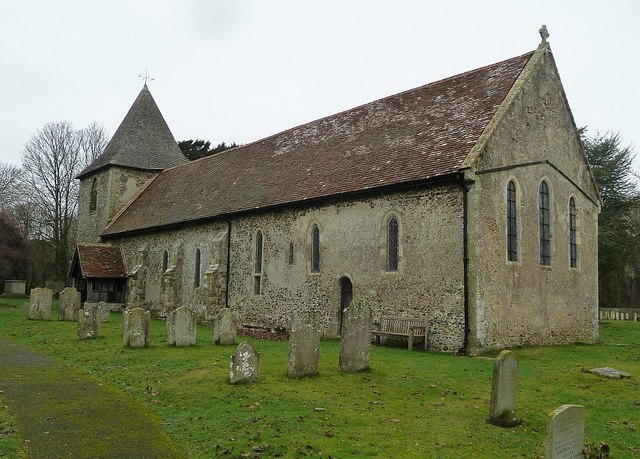
From early communities to later royal history, Thorney Island was once a gravelly island in the Thames. In the 11th century, King Canute established a residence here, succeeded by the construction of a palace by Edward the Confessor. The strata of sand which supported the flints have lain undisturbed for millennia, providing a direct connection to the people who fashioned tools and livelihood from the river’s wealth.
3. Roman Influence in Medieval Foundations
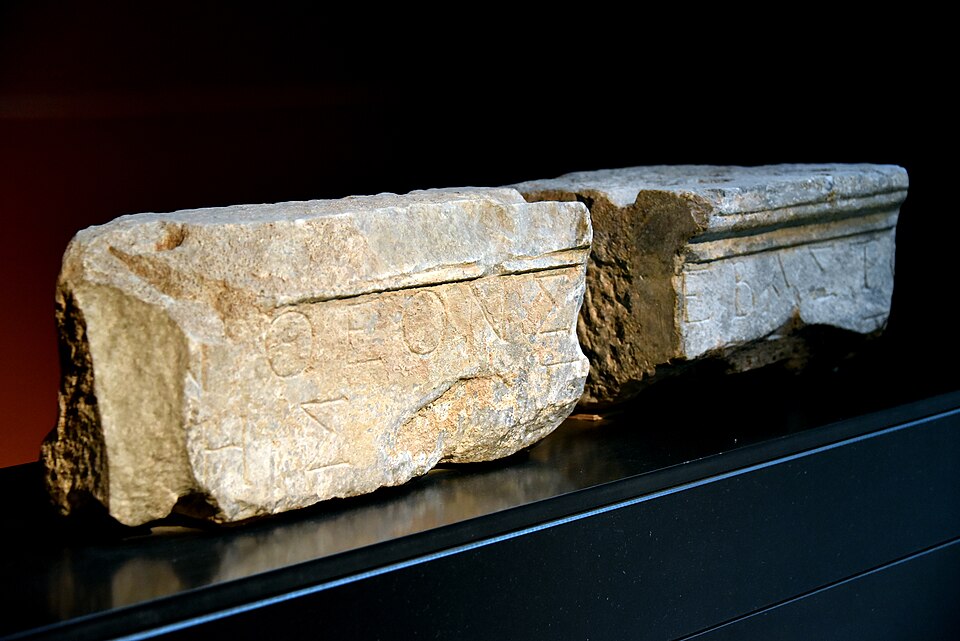
Other multi-period finds included a fragment of a Roman altar, over 2,000 years old, probably reused in later medieval construction. This is only one example of the way ancient materials were constantly reused and the pervasive influence Roman London had on its successor architectural traditions. Similar finds have been made elsewhere in Britain, including Roman artifacts in medieval buildings, and point to cultural continuity over many centuries.
4. Daily Life in Medieval Westminster
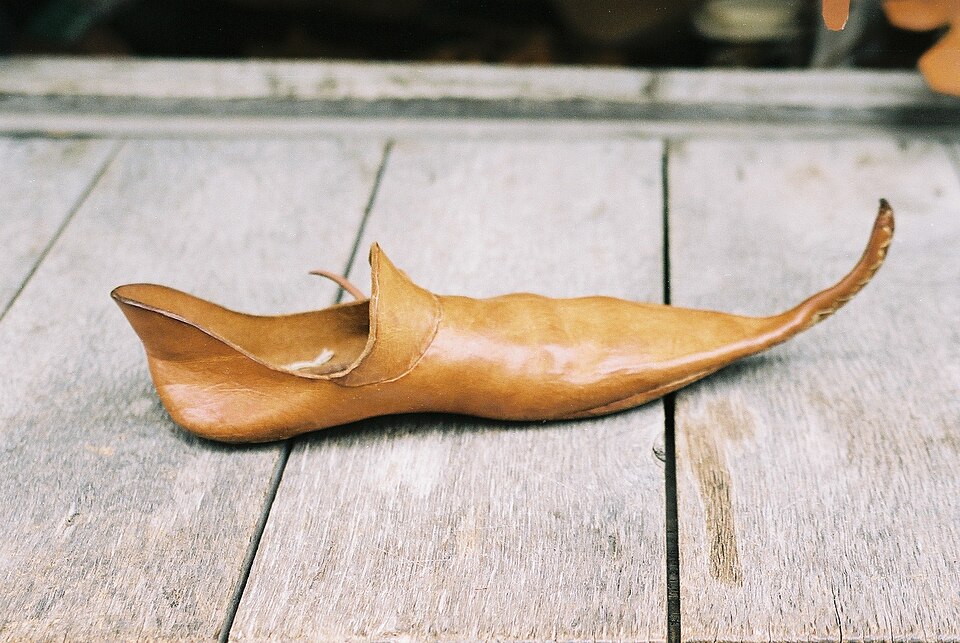
Leather footwear-an intact boot and several shoe soles-represent 800-year-old examples that give tangible glimpses into medieval daily life. A decorated lead badge in the shape of a flowering heart, popular during both the 14th and 15th centuries, speaks to personal adornment and perhaps pilgrimage. These items bridge the gap between monumental events and the lived experiences of those who walked Westminster’s streets.

5. Victorian Echoes After the Great Fire
The devastating blaze of 1834 destroyed much of the old Palace, yet excavations revealed fragments of decorated clay tobacco pipes, likely belonging to the stonemasons engaged in the reconstruction. A five-pint beer jug inscribed “Geo Painter” speaks directly to George Painter, a tavern keeper of the Ship and Turtle Tavern in Leadenhall, offering a convivial snapshot of the workers who rebuilt Britain’s legislative seat.
6. The Rediscovery of Lesser Hall
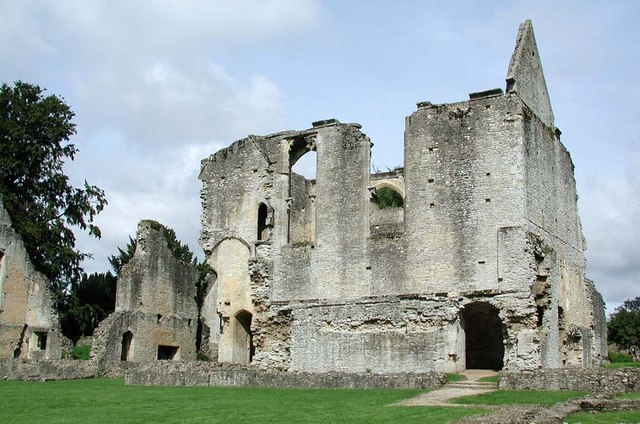
Perhaps the most remarkable find came in August 2025: extensive remains of the medieval Lesser Hall, also known as White Hall. Constructed in 1167 as a royal dining hall, it was successively home to the Court of Chancery, the Court of Requests, and indeed both Parliamentary chambers at different times. Long regarded as lost to the Great Fire, its stone walls survived not just the fire itself but even a World War II bombing. David Brock of Historic England said that the discovery of the walls was “particularly exciting” because it could open up possibilities for further understanding of surviving medieval buildings at Westminster.
7. Architecture Informs Restoration
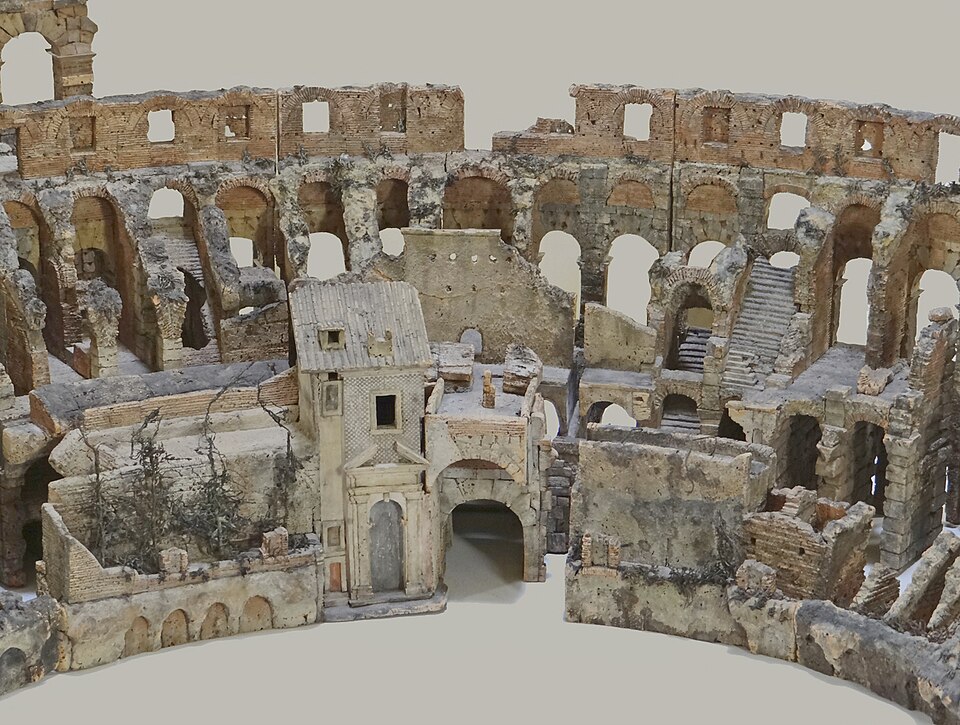
The discoveries are not only of academic interest. Detailed recording, including 3D digital models, means these remains can inform future restoration. As Simon Thurley, Chair of the Restoration Delivery Authority Board, said, “We must tread softly on the history beneath our feet, to protect it, and to learn from it.” This archaeological mapping will minimize construction risks and protect the integrity of this World Heritage Site in its £13 billion renewal.
8. A Continuous Human Timeline
The finds beneath Westminster, from Mesolithic hunters to Victorian masons, form a rare, uninterrupted sequence of occupation. This continuity strengthens national identity by physically linking modern governance to deep prehistory. Projects such as this show how urban archaeology can contribute not only to historical but also practical architectural planning, with restoration sensitive to the layered heritage it stands upon.
Led by the Museum of London Archaeology, the excavation program spans nine locations across the Parliamentary estate and runs until 2026. By then, it will have charted subsurface history in unprecedented detail via 14 trial pits, 10 geoarchaeological boreholes, and extensive Thames foreshore surveys. To history enthusiasts, these are more than relics they’re chapters in a living story that’s still unfolding beneath the stones of Westminster.

