

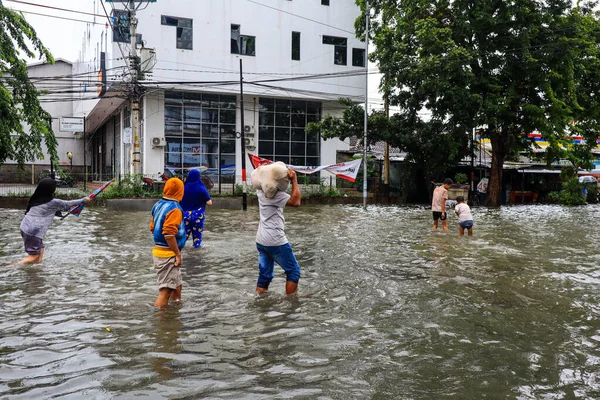
The destruction across Southeast Asia has been unimaginable in recent days. A powerful combination of three tropical cyclones and the northeast monsoon caused unprecedented rainfall, flooding, and landslides to take nearly 1,000 lives across Indonesia, Sri Lanka, Malaysia, and Thailand. What started as a week of relentless downpours has evolved into one of the deadliest regional weather disasters in decades, forcing millions from their homes and testing the boundaries of emergency response systems.
1. Indonesia’s Rare Cyclone and Massive Toll
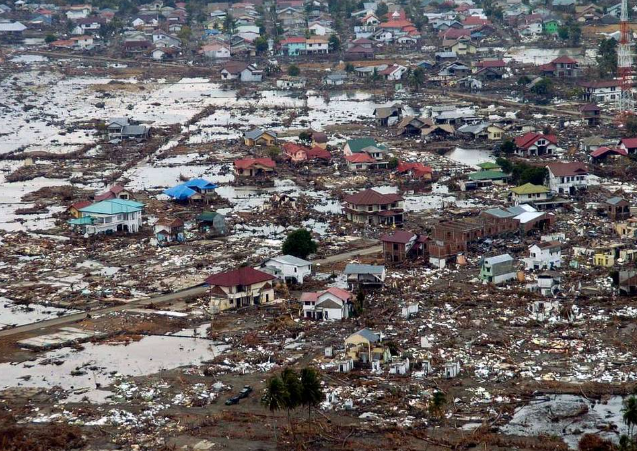
Indonesia has borne the full force of the disaster, with official figures confirming at least 604 deaths and 464 people still missing. Cyclone Senyar – a “rare” event, according to the meteorology agency, in that it formed unusually close to the equator in the Strait of Malacca – whipped up monsoon rains to devastating effect. In Sumatra, landslides swept through whole villages, flattening homes and carrying vehicles into heaps of debris. More than 28,000 houses have been damaged and 1.5 million people affected. President Prabowo Subianto, visiting the hardest-hit provinces, praised residents’ resilience “We face this disaster with resilience and solidarity. Our nation is strong right now, able to overcome this.”
2. Sri Lanka’s worst disaster in two decades
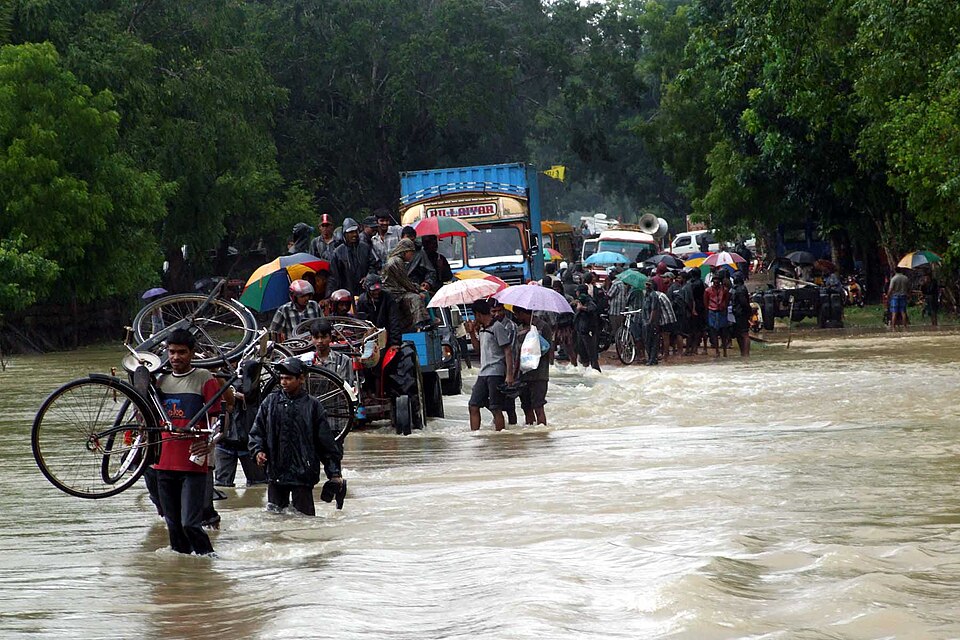
Cyclone Ditwah stalled over Sri Lanka’s central highlands and low-lying coastal areas, inundating those regions with record rainfall. The Disaster Management Centre reported 366 deaths, 367 missing, and 1.3 million affected. “The largest and most challenging natural disaster in our history,” said President Anura Kumara Dissanayake, who declared a state of emergency. Relief workers are still clearing the roads – blocked by mudslides and fallen trees – and 148,000 displaced residents remain in temporary shelters.
3. Thailand’s Historic Rainfall
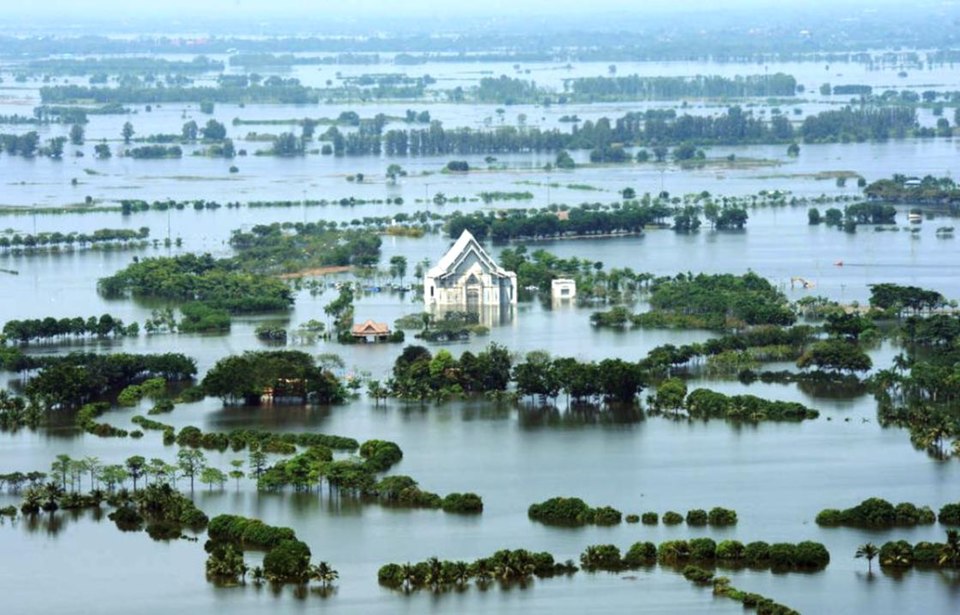
Southern Thailand has seen its worst flooding in ten years, with 176 deaths across eight provinces. The town of Hat Yai received 335 mm in a single day, its highest tally in 300 years, followed by days of relentless downpours. Floodwaters rose over eight feet, closing hospitals and stranding patients. The prime minister, Anutin Charnvirakul, set a seven-day target for the residents to return home, amid growing criticism about the response by the government.
4. Malaysia’s Northern Flood Crisis
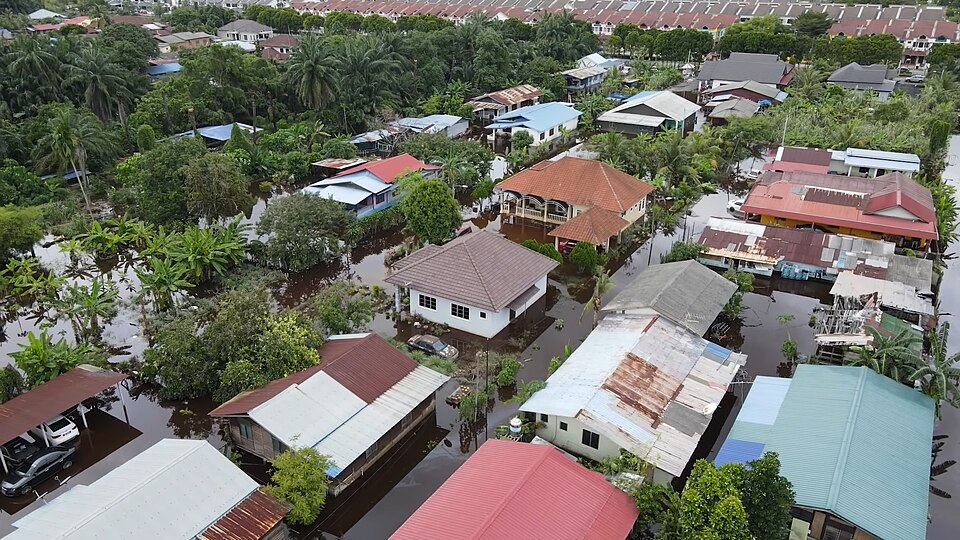
Whole swathes of Malaysia’s northern state of Perlis were flooded, leaving two dead and more than 18,000 displaced. Evacuation centres are still full to capacity amid warnings of possible second and third waves of flooding. “It was like the ocean,” said Gon Qasim, 73, after being stranded in a field until rescue.

5. Climate Change and Local Vulnerabilities
Scientists link the intensity of these storms to warming oceans and a warmer atmosphere that can hold more moisture and dump it in intense bursts. Climate scientist Roxy Matthew Koll says La Niña conditions have loaded the atmosphere over Asia with extra moisture, increasing flood risks. Deforestation and land-use changes are local factors, particularly in Sumatra, which make runoff and landslide risks worse. Research has shown that illegal logging strips land of its water-absorbing capacity, turning heavy rain into dangerous torrents.

6. Psychological Impact and Coping
Beyond the physical destruction, the psychological toll is immense. According to the description provided by Dr. Nomi Levy-Carrick from Mass General Brigham, “the sudden loss of control and the uncertainty has the potential to be overwhelming.” Generally described are experiences of shock, fear, and confusion, which are complicated further by grief and survivor’s guilt. PFA helps individuals who have experienced a disaster to feel safe and have a sense of control, while reconnecting with their usual support network. Healthy coping strategies include routines, staying connected, and avoidance of harmful substances.
7. Community Resilience and Recovery
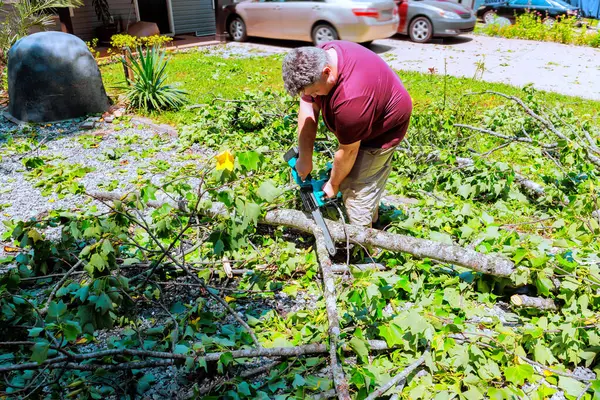
In Sri Lanka, charities such as the Voice for the Voiceless Foundation have distributed several thousand meals by boat, while mosques and community kitchens prepare food parcels for families displaced. In Indonesia, residents salvage documents and motorcycles from homes draped in mud as military and police teams restore roads and bridges. Thailand’s recovery emphasizes water service restoration and debris cleanup with military helicopters delivering supplies to isolated communities.
8. Preparing for the Future
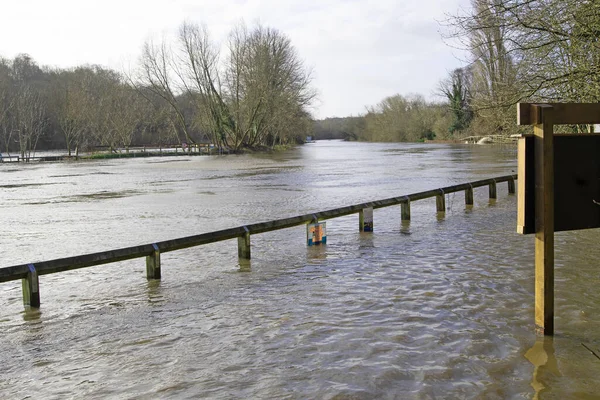
Experts stress the need for an advance in both predictive models and resilience in infrastructure in respect of the current flooding in Southeast Asia. Fiona Williamson, Associate Professor of Environmental History, advocates combining palaeo-historical data with modern analysis of flood frequency. “To really create a flood-proof society, communities have to improve housing, move people out of flood-prone areas, re-design cities, promote community awareness and responsiveness, and move people out of poverty,” she said.
9. Global Responsibility
Climate activists believe that countries most to blame for greenhouse gas emissions have a legal and moral obligation to provide funding for disaster response in the most vulnerable regions. “Countries which became rich by burning fossil fuels have a legal and moral obligation to urgently deliver grant-based finance,” not loans that deepen debt burdens, says Harjeet Singh of the Satat Sampada Climate Foundation.
The International Federation of Red Cross and Red Crescent Societies wants more robust legal and policy frameworks set up to protect populations as climate-driven disasters become “the new normal.” As weather conditions improve, the focus shifts from survival to rebuilding-physically, emotionally, and socially. For millions across Southeast Asia, the road ahead will be long, but the resilience displayed in the face of this disaster provides a foundation for recovery.

