
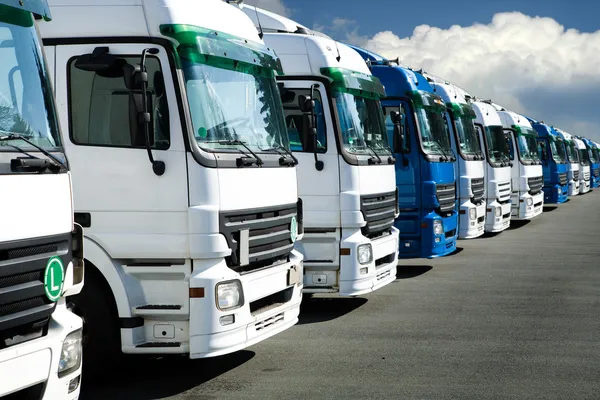
The sight is an odd one for the holiday rush at California freight yards dozens of rigs from small carriers are parked this year, victims of the sudden and sweeping cancellation of commercial driver’s licenses held by immigrant truckers-many of them Punjabi Sikhs. What started as a response to two fatal crashes grew into a political showdown, a wave of fear through a tight‑knit community, and economic pressure on an industry already struggling to cope with labor shortages.
1. License Revocations: The political spark that ignited them
It began in August, when a collision in Florida killed three people after an Indian‑born driver took an illegal U‑turn. Weeks later Transportation Secretary Sean Duffy declared, “The process for issuing these licenses is absolutely 100% broken it is a national emergency that requires action right now.” The Trump administration issued an emergency rule sharply limiting which immigrants could hold commercial driver’s licenses, limiting eligibility to holders of H‑2A, H‑2B, or E‑2 visas. California, under federal pressure and threats to withhold $160 million in highway safety funds, announced it would revoke 17,000 licenses issued to immigrants whose legal presence documents had expired.
2. Fear and Profiling in the Punjabi Sikh Trucking Community
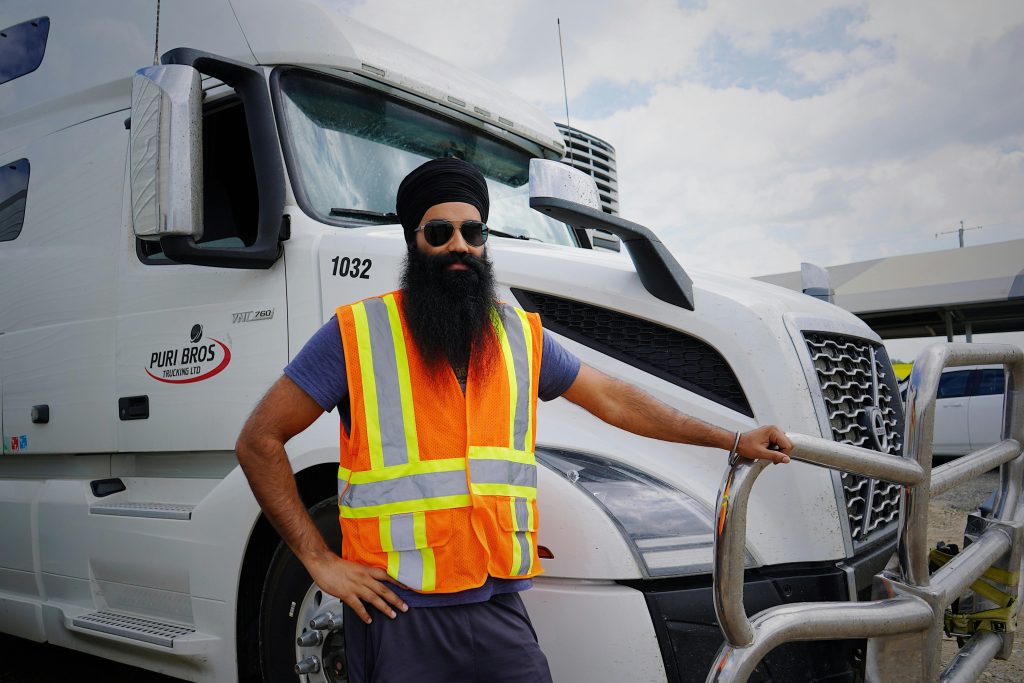
Punjabi Sikhs, about 750,000 strong in the U.S., have built a powerhouse in trucking-estimates at about 150,000 drivers, many based on the West Coast. Their turbans and beards, symbols of faith, make them a highly visible presence on the road. “The Sikh community within trucking is really being squished in the middle of a battle between the state of California and the federal government,” Bakersfield’s vice mayor Manpreet Kaur said. Reports of racial slurs, harassment at truck stops, and doors slammed in drivers’ faces surged. “Law enforcement and hasty social media posts constantly rush to name, photograph, and expose immigration status, while similar details about non‑immigrant drivers remain withheld,” said UNITED SIKHS’ Bhupinder Kaur.
3. Economic Shockwaves for Small Carriers
Small trucking companies-many operating ten or fewer trucks-are taking the largest hit. At Roadies Trucking in Bakersfield, more than 20 drivers have been lost already, and for Avninder Singh, the company’s CEO, even though pay has been doubled, the rigs sit. “My trucks are sitting. it has put my livelihood in danger,” he said. Ten Sikh drivers quit in one month at Cali Brothers Truck Lines in Merced, some with valid licenses but unwilling to risk getting stopped. J.B. Hunt estimates policy changes could take more than 400,000 commercial drivers out of the market within three years-a potential blow to an industry already dealing with an aging workforce and high turnover.
4. The Supply Chain Role of Immigrant Drivers
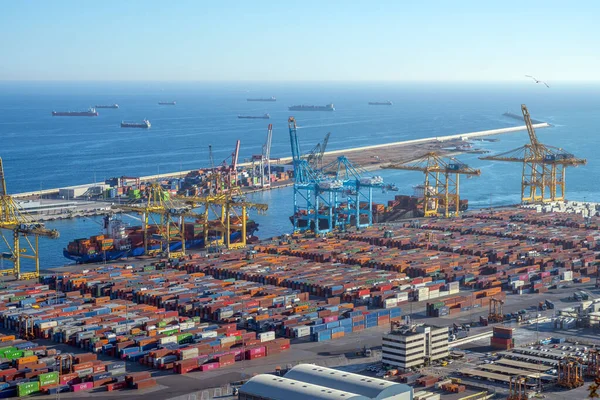
Immigrants make up 20.6% of the workforce in the transportation sector, where already 27.9% of the employees are over age 55. Open positions to be filled in the transportation sector each year from 2021 to 2026 number 1.3 million. Removing tens of thousands of licensed immigrant drivers could disrupt supply chains further. It could mean higher shipping costs and even hit the price of groceries and construction materials, analysts say. According to the Eno Center on Transportation, California’s transportation economy might experience sudden drops in numbers of drivers, with ripple effects on consumers.

5. Community Responses: Language Classes and Self‑Help
California Sikh temples began the classes in response to increased enforcement of English proficiency requirements for drivers. One “English4Truckers” class, taught by volunteers in Stockton, covers highway signs, interactions with police, and basic conversation. “I have gained confidence. I now understand those highway signs that earlier confused me,” said driver Harpreet Singh, who attended the program. Grassroots efforts like these are trying to keep drivers on the road in the face of the regulatory squeeze.

6. Increased Anxiety and Coping Mechanisms
The crackdown has fomented political and immigration-related anxiety among drivers and their families. Mental health advocates advise limiting the amount of inflammatory media one is exposed to, paying close attention to verifiable information, and participating in community support networks. Many find that such contact with advocacy groups offers emotional reassurance and, indeed, more pragmatic ways to cope with sudden shifts in public policy. Such strategies help to reduce perceived isolation and fear within targeted scrutiny communities.
7. The Debate Over Safety vs. Immigration Enforcement
Federal officials frame the rules as necessary for public safety, pointing to high‑profile crashes. But critics-including immigration policy analyst Cassandra Zimmer‑Wong-say there is “no evidence that foreign‑born truckers are any more dangerous than their native‑born counterparts.” Even the Transportation Department conceded that it found “insufficient evidence” to prove certain immigrant groups drive more dangerously. Industry voices such as Pawan Singh say the unqualified drivers need weeding out but caution against stereotyping entire communities because of isolated incidents.

8. Legal Challenges and the Road Ahead
While a federal appeals court has temporarily blocked the new rules, California is still under disciplinary action and isn’t issuing licenses to most immigrants who don’t possess the stated visas. Meanwhile, advocacy groups and unions are pressing legal challenges. Carriers are recalibrating business models to adapt to the shrinking labor pool. Until then, the uncertainty is keeping many trucks parked even during holiday peak demand.
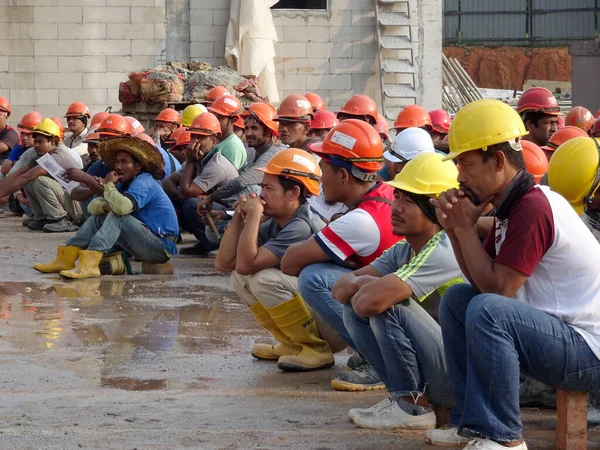
The conundrum of the Punjabi Sikh trucking community underlines a national tension in trying to balance safety regulation with economic and social realities of immigrant labor. The silence of idling engines in California’s freight yards speaks volumes about the human and economic costs of sudden policy shifts.

