
It shouldn’t come as much of a surprise that having a brush with death changes you. In fact, doing so can cause you to pick up some habits that you didn’t have before, and may not make sense to many other people. Researchers like Dr. Bruce Greyson and cardiologist Dr. Pim Van Lommel have studied people with near-death experiences (NDEs) for decades. Here are some of the habits they’ve noticed in people who have suffered a near-death moment across different cultures.

Celebrating a personal “rebirthday”
In the 1970s, Dr. Raymond Moody interviewed many survivors of cardiac arrests, and he noticed something similar among many of them. They treated the date of their close call as something similar to a second birthday, where they might bake themselves a cake or perhaps go out for dinner by themselves. Most of these “rebirthday” celebrations weren’t anything major. However, they all had something distinctly personal about them and were effectively a way for survivors to celebrate their “rebirth.”

Creating clear rituals for gratitude
Quite a few survivors of near-death experiences share similar feelings of gratitude after they’ve come back to life. Their sense of gratitude appears to be more physical than that of those who don’t go through the same experiences, as they may involve things like writing three things they’re grateful for before bed, for example. Psychologist Robert Emmons claims that turning your thankfulness into a sort of repeatable task can help you to feel grounded.
Doing regular meditation or prayers
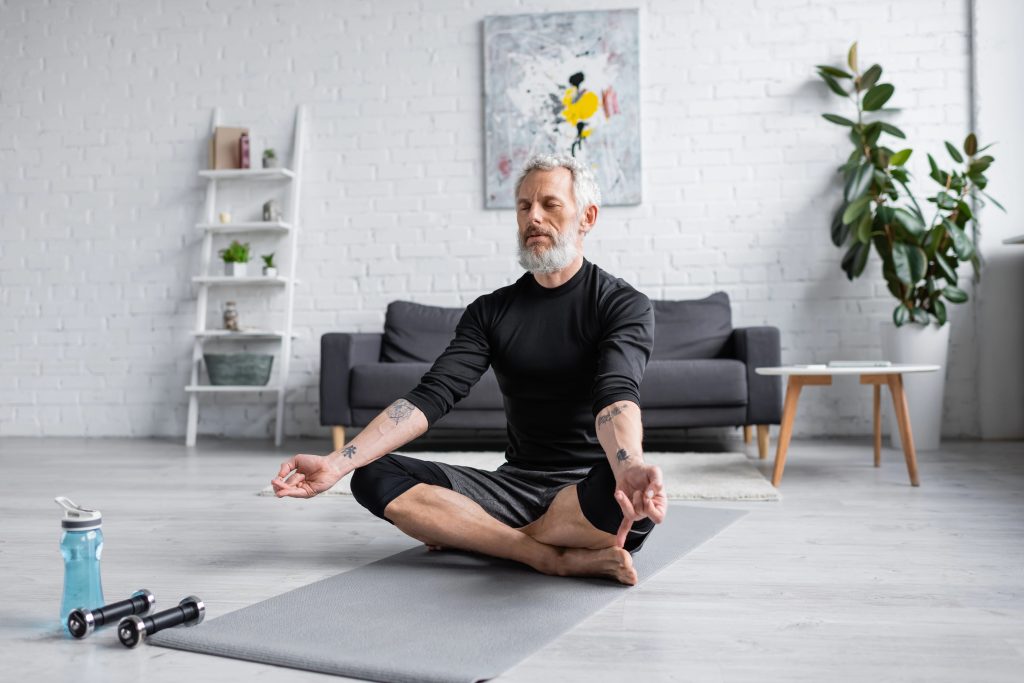
Dr. Van Lommel conducted a long-term study of Dutch cardiac arrest survivors. He found that people who have been resuscitated often feel more spiritual afterwards, and this can lead to them creating a time for themselves to meditate or pray, even when they didn’t do so before. Of course, the time of day when they do so is different, as well as how long they pray or meditate for. But the fact remains that many near-death survivors choose to sit quietly for a few minutes to steady themselves each day.

Scheduling daily time outdoors
That’s not all for Dr. Van Lommel’s research. He also found that survivors tend to notice colors and plants differently when they come back, which is why some of them build in time during their day going outdoors. For some, they’ll go on a quiet walk or simply sit on the porch. Apparently, they choose to spend more time outdoors so that they’re able to reconnect with their heightened senses.

Volunteering in places that used to scare them
You might assume that people who escaped death would try to avoid the places they almost died in as much as possible. But that’s not quite right. According to the International Association for Near-Death Studies’ (IANDS) research, many survivors feel a strange draw to the original places, whether they’re ICUs or rehab centers. A few of them choose to volunteer at these places to fulfill this weird sense of longing.

Avoiding violent content
The IANDS also found that many child NDE survivors began tuning out intense news stories or violent shows entirely, choosing to watch calmer TV shows instead. It’s the same story with high-intensity soundtracks. Many children choose to listen to more relaxing sounds because energetic music made them feel uneasy after nearly dying.

Frequently decluttering and donating
Several people who have survived near-death moments see it as a moment to organize their lives. They decide to go through their possessions every few months and donate what they feel they don’t need, rather than waiting for spring or a special event to do so. Research by the Bruce Greyson group has found that these individuals tend to lose interest in owning more things. Their brush with death has, naturally, made them see things differently. Such a lack of interest in physical possessions appears to continue, even decades later.

Having a plant-based eating routine
It makes sense that your view of life changes once yours almost ends. Research by the Near Death Experience Research Foundation states that many NDE survivors choose to switch to a plant-based diet, whether vegetarian or vegan, after their brush with death. Even those who don’t make the full switch still choose to consume more health-conscious meals and eat more plants than meat. They appear to stick with the change over time.

Setting fixed contact times with loved ones
People who have nearly died often feel closer to their loved ones. Hans Zingmark & Anetth Granberg-Axèll’s research found that NDE survivors experience a stronger emotional bond to their loved ones and a stronger drive to nurture their relationships after the event. In some cases, they schedule time to catch up with others. They choose to create time to spend with those they care about as a way to repair relationships or maintain them.
Long-term studies by Jeffrey Long & Marjorie Woollacott have found that such changes in behavior tend to stick with NDE survivors. They maintain the same habits for decades, even after memories of their near-death experience begin to fade. Clearly, nearly dying changes you quite a bit.

