

Holiday habits change a lot faster than most people recognize. Yes, some traditions will always stick around, like sending cards and putting up Christmas trees, but a few of them would be rather confusing to anyone born after the mid-2000s. Even when older relatives bring them up, Gen Z is often baffled by some older holiday customs. Here are ten holiday customs that they’re unlikely to understand.
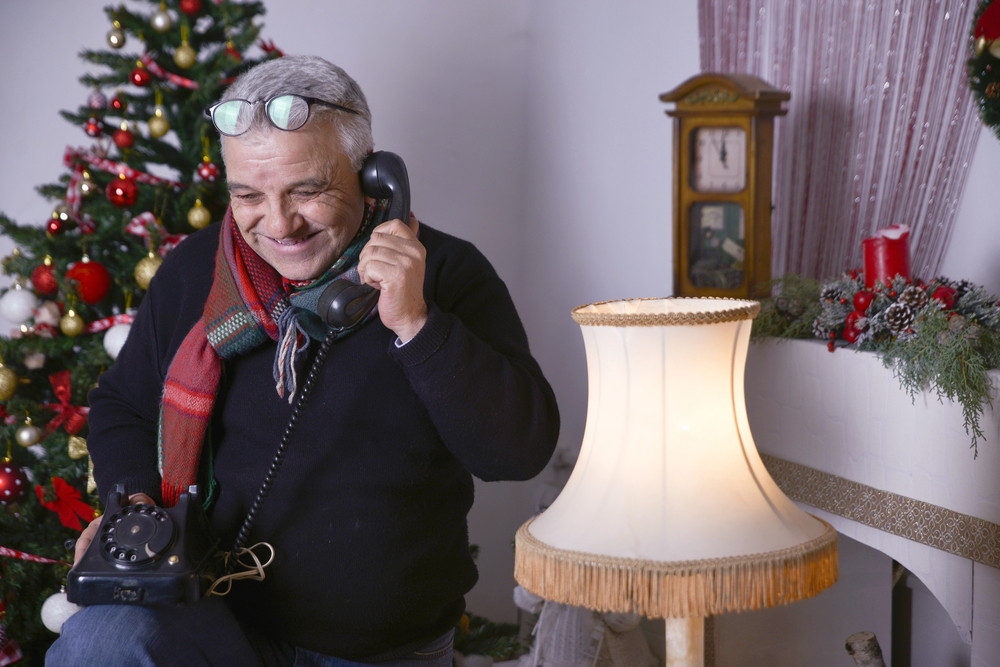
Making holiday calls only during specific hours
Long-distance calling didn’t used to be cheap, and Consumer Action’s 1997 survey found that it could cost between 10¢ and 20¢, depending on the hour. It’s no surprise, then, that many families would wait for off-peak times to save money, especially around Christmas. But Gen Z grew up in a time when unlimited calling was part of practically every phone plan. They never experienced what it was like to check the clock before calling Grandma to wish her a Merry Christmas.
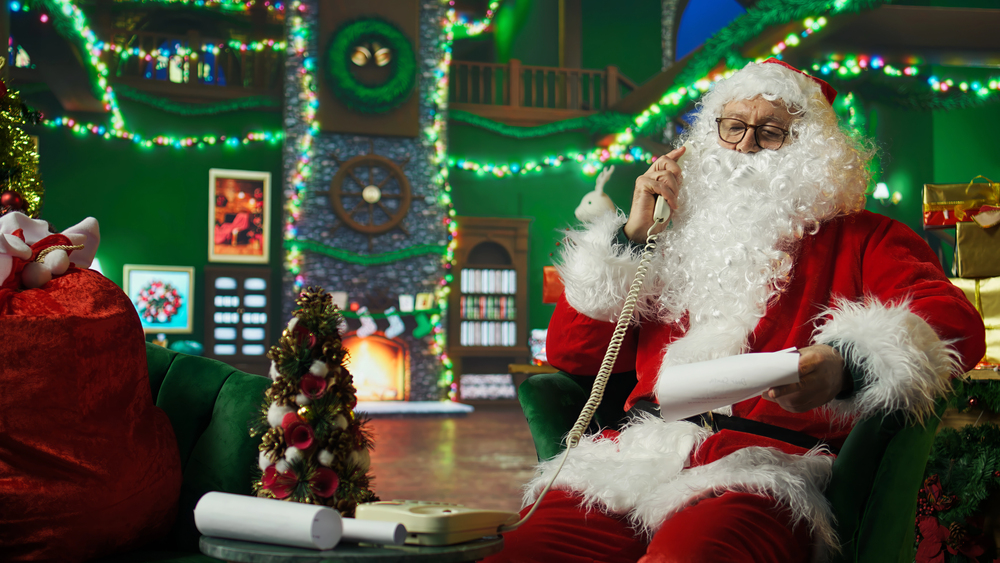
Calling NORAD to see where Santa was
In 1955, a newspaper misprint led to several children accidentally calling the number of the U.S. Air Defense Command, rather than the Colorado Springs Sears store’s Santa Claus. However, the officers on duty played along, and NORAD later made it an official tradition. You can visit their website today to track where Santa Claus is on December 24th. But the idea of calling a hotline to find out Santa Claus’s location is rather foreign to Gen Z, who would rather get the information from a digital map.

Letting kids talk to Santa over ham radio nets
That’s not all for talking to Santa. According to the American Radio Relay League, several ham radio families had a December tradition built around Santa Net that would run on 3.916 MHz every night, starting from Thanksgiving and ending on Christmas Eve. Children could “talk” to Santa over the radio, and it became a tradition for quite a few families. Yet not for Gen Z. They’re used to video calls and messaging apps, so they don’t understand amateur radio at all.

Typing and mailing Christmas family newsletters
It was completely normal to send newsletters about your family around Christmas time. In fact, sociologist Liz Gunner reported that these year-end letters were essentially their own genre of text that featured typed updates & were printed in batches. It was once so popular that stores like Hallmark sold their own template booklets. However, Gen Z was raised on constant updates through social media, so the idea of sharing information once a year is weird to them.
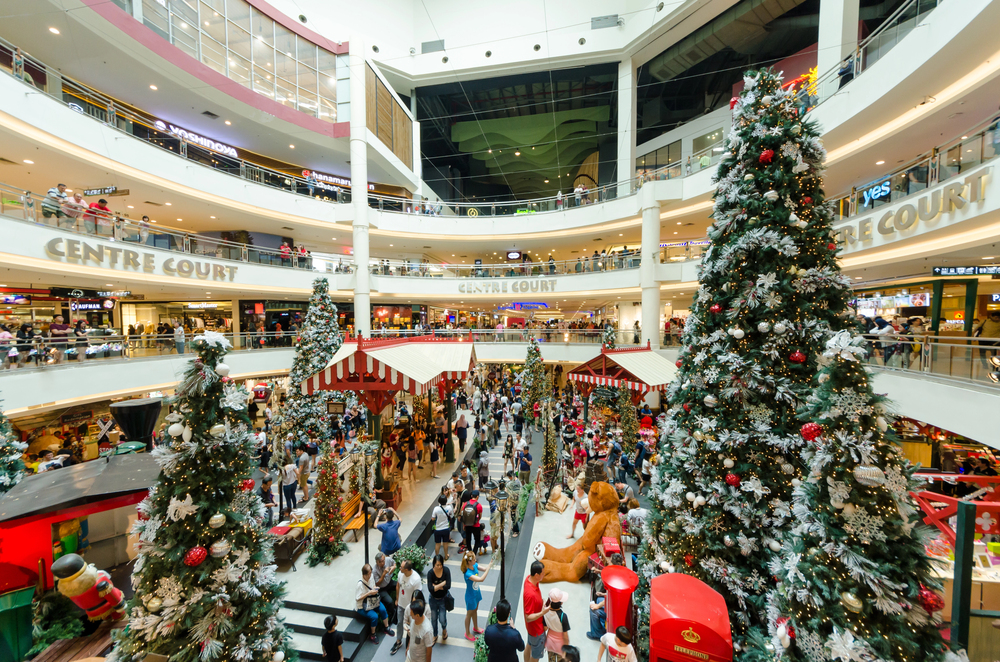
Camping outside stores for that year’s “it” toy
These days, you can buy practically anything you want at the touch of a button, and you can get Christmas gifts delivered months before the festive season. But it didn’t used to be that way. You had to queue outside stores, sometimes for several hours, just to get your hands on the latest toy. In 1983, customers formed lines days before the stores opened so that they could get a Cabbage Patch Kid, and it was the same story in 1996 with Tickle Me Elmo.

Watching the TV Yule Log
Quite a few Gen Zers enjoy streaming a video of a fireplace when the weather gets cold, even though it doesn’t get them warm. But the idea of waiting for a scheduled TV broadcast instead? That’s quite bizarre to them. It was something that genuinely happened between 1966 and 1989 on the New York TV channel WPIX. They’d broadcast a video of a fireplace for 2 to 4 hours around Christmas, and it was something that many families looked forward to. It’s still broadcast today, but Gen Z would prefer to watch a video online than wait around for a specific broadcast.
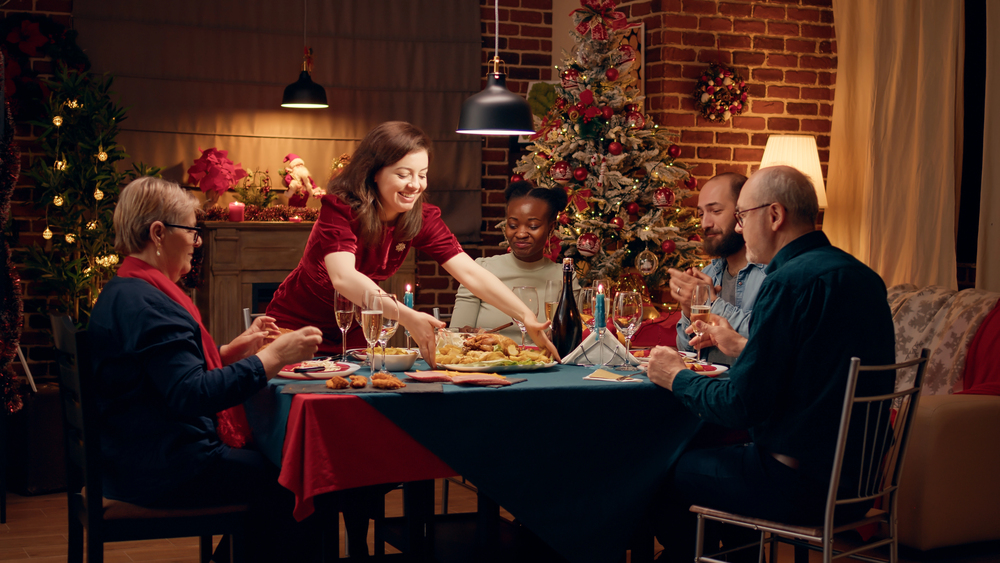
Having a neighborhood progressive Christmas dinner
One of the most popular Christmas traditions was having a progressive Christmas dinner. A neighborhood block would map out the night a month ahead, with appetizers at one home & the main course down the street. They’d usually have desserts at whatever home had the biggest table. It was a long-running tradition because many people lived in the same home for decades, but now, not so much. A survey from NextDoor found that 51% of Gen Zers struggle to make connections with their neighbors, so progressive dinners are off the table.

Having a Christmas club savings account
Christmas club savings accounts do exist, but they’re nowhere near as popular as they once were. The first one appeared at the Carlisle Trust Company in 1909, and banks promoted them quite heavily during the 20th century. They were accounts where people would deposit a few dollars every few weeks until the payout in early November. Getting that payout was a Christmas tradition for many people. But the idea of putting money away in a special account just for the holiday season is quite different from how modern banking works.
Visiting school holiday bazaars
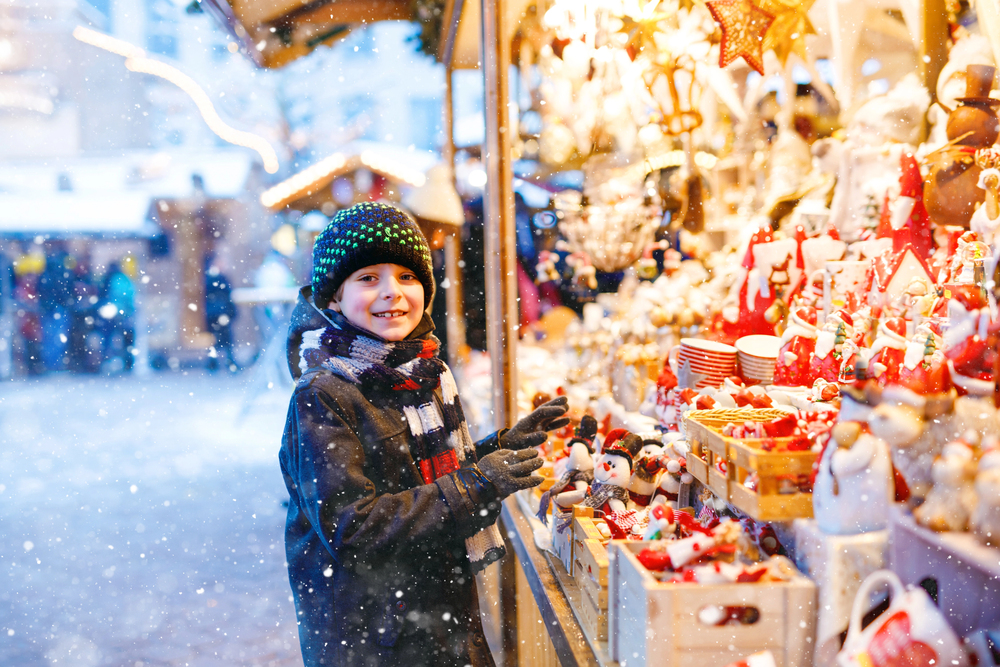
PTA newsletters throughout the 1970s prove how widespread school bazaars were during the holidays, and kids would walk through the gym with envelopes of small bills. They’d buy Christmas gifts from volunteers, some of which were handmade and specifically made for parents or grandparents. Yes, some schools still host fundraisers. Yet the handmade seasonal craft side to them has mostly disappeared because people’s budgets have changed, and online marketplaces are far more convenient.
Watching holiday family memories on a slide projector
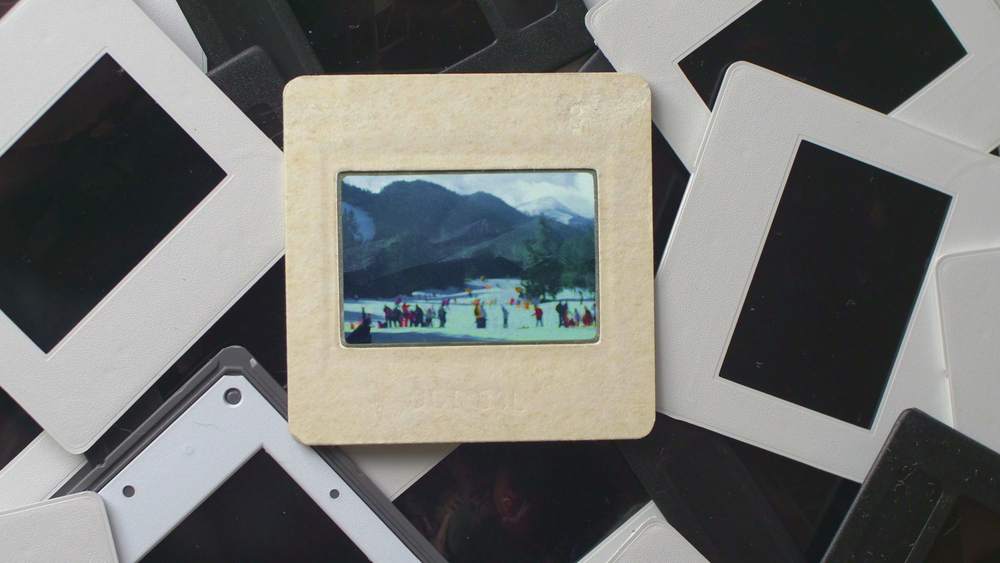
It wasn’t a true Christmas until someone broke out the slide projector and showed off some Christmas memories. Parents would dim the lights and pull down the screen before working through the year’s photos, just as the rest of the family was eating dessert. Sadly, it’s not something Gen Z is all that familiar with. Researchers like R. Gaskins claim that slide projectors were practically obsolete by the late ‘90s, thanks to the rise of the digital camera.
The main reason that most of these traditions faded has nothing to do with a lack of interest, but rather because the tools that we used for them did. Technology has improved, and it has changed our traditions, too. But some of these traditions continue to exist in another form, like digital Yule Logs and Santa tracks. Even with our new technology, we’re still chasing the same feeling of holiday nostalgia from older traditions.

