
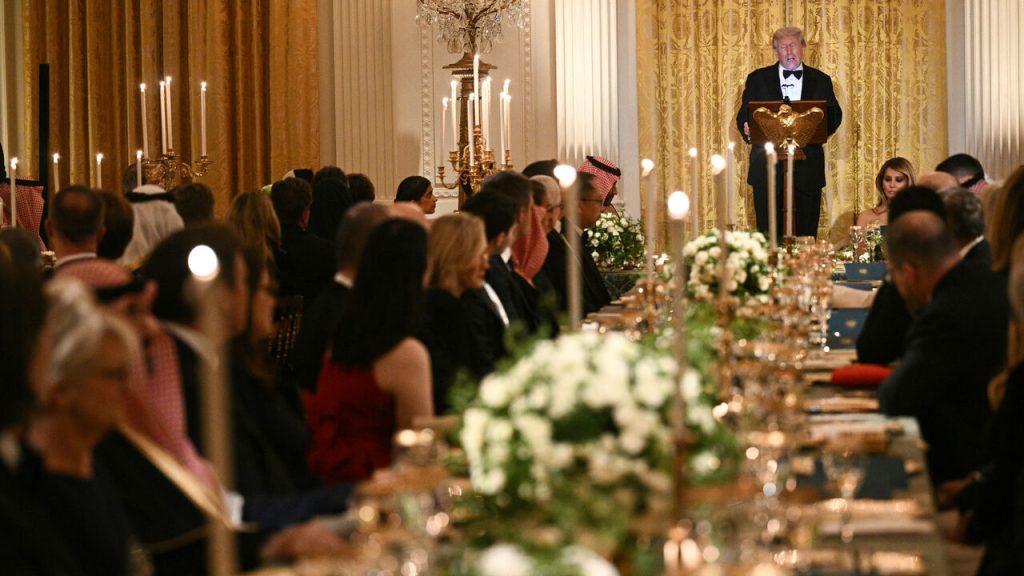
It begins with a prediction that sounds like science fiction but is uttered with the certitude of a quarterly earnings call: “My prediction is that work will be optional. It’ll be like playing sports or a video game or something like that,” Elon Musk told an audience at the U.S.-Saudi Investment Forum. To tech-savvy professionals, Gen Z workers, and futurists alike, this is not a provocation but a timeline. Ten to twenty years until the very notion of a “must-have” job becomes obsolete.
1. The Core Claim: Work Becomes Optional
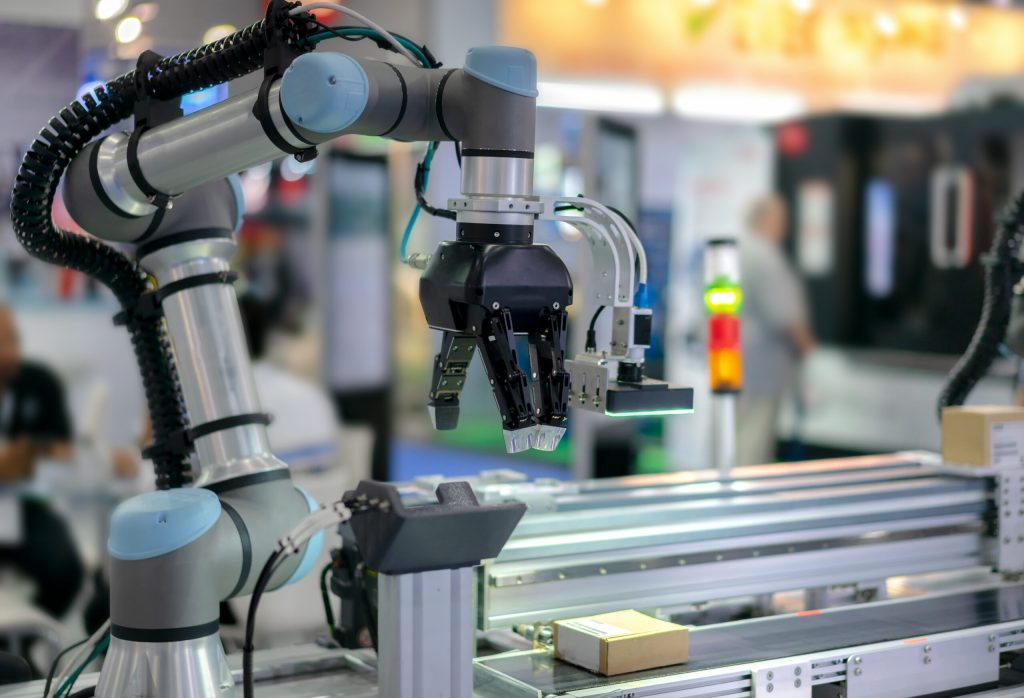
Musk’s conversation with Nikhil Kamath laid out the central thesis: AI and robotics will advance so rapidly that, within a couple of decades, most productive tasks-from manufacturing to writing code-could be handled by machines. People will work “like a hobby, pretty much,” choosing projects for enjoyment rather than survival. This reframes the usual anxieties about job loss as a question of personal purpose in a machine-driven economy.

2. From Four‑Day Weeks to Zero‑Day Work
Progressive labor reform has flirted with the four‑day workweek. Musk leapfrogs that conversation entirely, suggesting the real endgame is no fixed schedule at all. His vision resonates with younger workers already watching generative AI automate internships and entry‑level roles. The implication is stark: the “entry‑level job” itself may vanish, replaced by a landscape where work is entirely voluntary.

3. The Hobby Economy
In Musk’s framing, the drudgery disappears. Remaining human roles will be creative, social, or craft‑based, pursued for passion rather than pay. He likens it to tending a backyard vegetable garden it’s harder than buying produce, but some still do it because they enjoy it. This blurring of leisure and labor challenges the prestige structures of today’s job market, shifting value from salary to meaning.

4. The End of Money?
Musk extends his forecast beyond jobs to the foundations of finance. If AI and robots can produce goods and services at near‑zero marginal cost, scarcity and thus traditional currency could erode. He mentions Iain M. Banks’ post‑scarcity fiction, where there is no more money anymore. In that view, AI could be used as a de facto currency in itself, apportioning plenty without any intervening cash.
5. Universal Income as Infrastructure
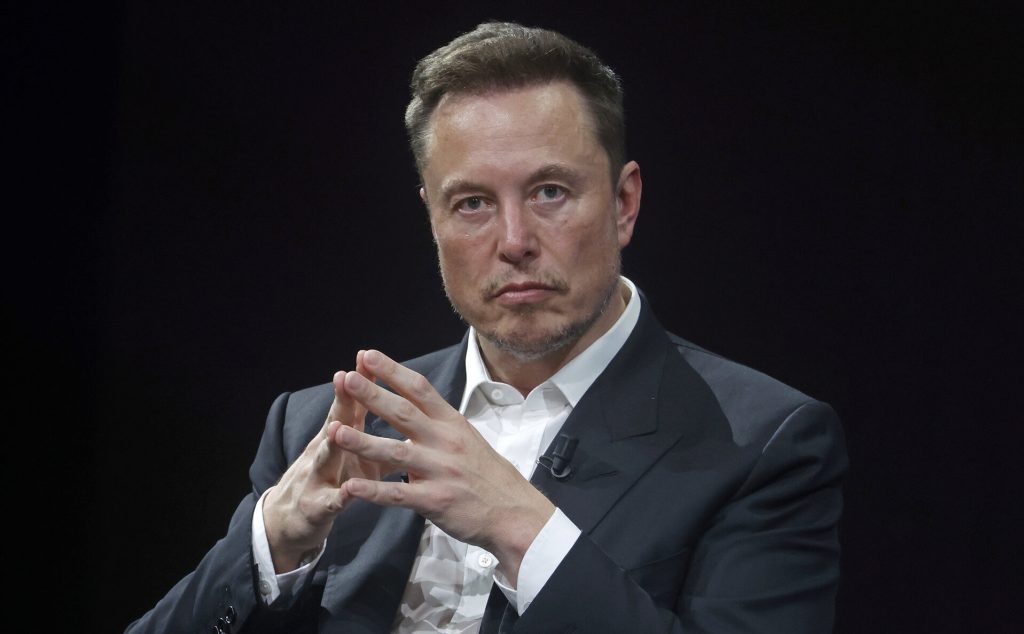
At Viva Technology 2024, Musk floated the idea of “universal high income” to sustain a world without necessary work. That echoes evidence from global UBI pilots, which show reduced financial stress, improved mental health, and increased entrepreneurship. Finland’s trial found recipients “more satisfied with their lives and experienced less mental strain” than controls. To futurists, UBI isn’t just social policy-it’s an economic stabilizer in an AI‑driven marketplace.

6. Technology’s Readiness and Limits
Economists like Ioana Marinescu caution that while AI costs are falling tokens for AI models are now available at $2.50 per million, compared with $10 a year ago robotics remain expensive and specialized. The MIT–ORNL Iceberg Index estimates AI might already replace 11.7% of the U.S. labor market, or $1.2 trillion in wages, but the new tech is being taken up unevenly. Sectors involving much hands-on physical work, like healthcare and manufacturing, retain some insulation; it seems the transition may be patchy rather than uniform.

7. Managing Anxiety About the Future of Work
For the members of Gen Z who are entering the volatile labor market, uncertainty is destabilizing. In research from UBI pilots, guaranteed income seems to increase trust in institutions and strengthen social cohesion. Care for one’s mental health, building community, and development of skills that AI cannot master-emotional intelligence, creative problem-solving-are the ways forward. As Anton Korinek says, “If the computer and robots can do everything better than you, does your life have meaning?” Perhaps the answer lies in redefining meaning itself.
8. Proof Points: Musk’s Companies
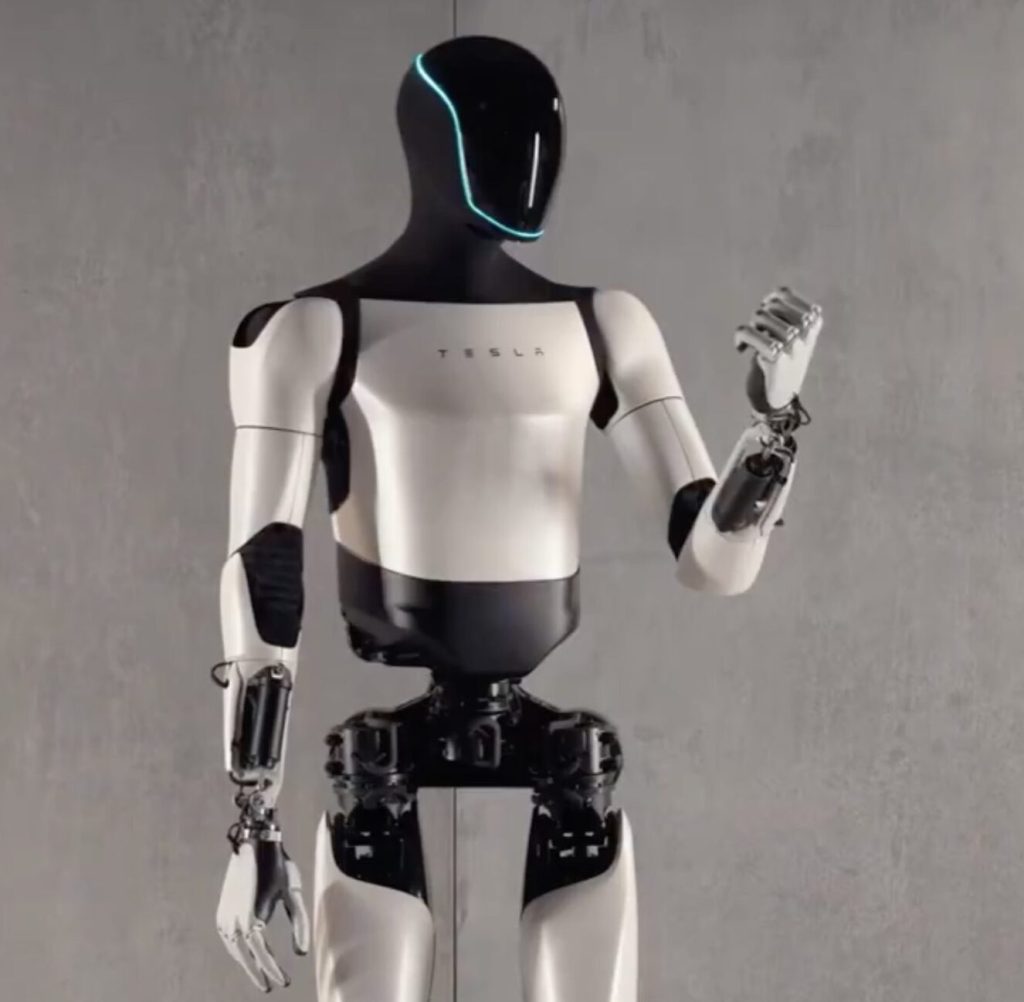
Tesla’s push into autonomous driving and humanoid robots is more than product strategy-it’s a live experiment in Musk’s thesis. Optimus robots, even while delayed in production, are to tackle tasks ranging from factory work to logistics. These systems embody the trajectory toward a machine‑run economy, where human creativity and oversight replace routine labor.

9. Political and Economic Challenges
Even if the technology delivers, there’s the further hurdle of political will. As Samuel Solomon warns, inclusive prosperity isn’t a foregone conclusion; present AI gains are expanding the gap between the “Magnificent Seven” and the S&P 493. If policy is not set equitably, this work‑optional world could deepen inequality rather than erase it. Funding UBI through automation taxes or wealth levies remains contentious.

10. Preparing for the Transition
In doing so, governments can utilize simulation tools-Iceberg-to identify automation hotspots where reskilling investments should be made. Companies need to embrace AI while cultivating the innovation culture. Individuals can upgrade their skills, build economic resilience, and engage politically. Moving toward post-scarcity will require adaptability on many levels. Musk’s 10‑ to 20‑year countdown forces a confrontation with questions that once belonged to speculative fiction: What is purpose without necessity? How do societies allocate abundance? And how do individuals find meaning when survival is no longer the driver? For tech‑savvy professionals and Gen Z workers, the challenge is not just to brace for disruption, but to design the systems, skills, and values that will define life when work is truly optional.

