
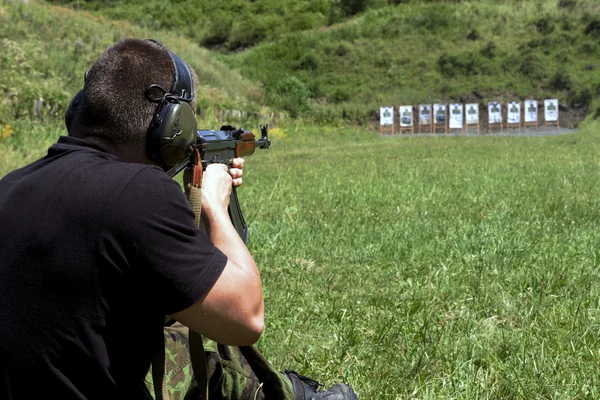
The question is: Is shaving half a second off your draw worth the extra risk? That’s what concealed carriers have wrestled with for years when it comes to the decision to keep a round in the chamber. The debate isn’t just about speed-it’s about how you balance readiness with safety, and knowing precisely how your gear, training, and comfort level fit into that equation.
The choice for firearm owners and self‑defense enthusiasts is deeply personal. Some swear by instant access, chambered carry, while others prefer the added layer of caution that comes with racking the slide before firing. Both camps do have their compelling arguments, and both require disciplined practice to be effective. This listicle breaks down the most critical factors so carriers can make an informed safety-smart decision.
This will be an in-depth, technical, practical approach to the chambered versus unchambered dilemma, balancing equipment, technique, and training considerations with legal considerations, using real-world scenarios.
1. Response time and speed during emergencies
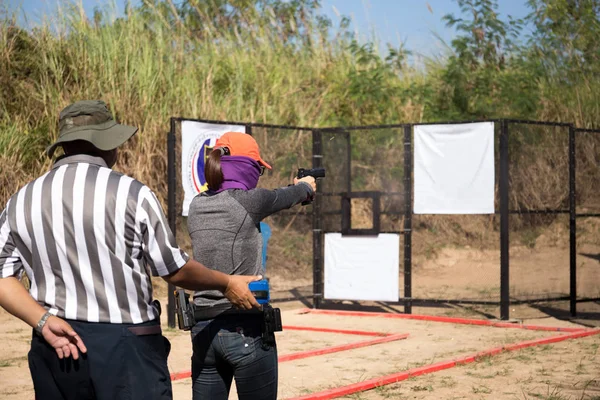
Perhaps the strongest argument for chambered carry is that the gun can be fired instantly upon drawing. In a close‑range confrontation, the extra step of racking the slide can cost precious fractions of a second. For highly trained carriers, that time savings can be decisive.
But the delay from carrying unchambered isn’t always catastrophic. Experienced shooters who integrate slide‑racking into their draw can complete the motion in under 1.5 seconds, adding about half a second compared with chambered carry. In situations where threats develop over several seconds, such as many mass‑casualty incidents, this difference may be negligible. It all comes down to recognizing where speed truly matters and train for it accordingly.
2. One‑handed Operation Under Duress
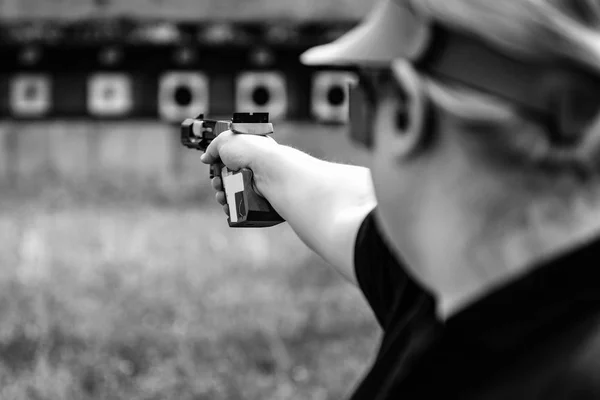
Carrying unchambered introduces a large problem if one hand is injured or occupied. Racking the slide generally requires two hands and while one‑handed techniques exist they take much practice to learn. Techniques include hooking the rear sight on a belt, holster or solid surface to cycle the slide.
As retired Federal Air Marshal firearms instructor Mike S. notes, one‑handed manipulation needs to be trained both for injured‑arm scenarios and also when the support hand is otherwise occupied-such as holding a child or restraining an aggressor. Selecting gear with such techniques in mind-such as pistols with rear sights designed to allow surface racking-can make the difference between a functional draw and a failed attempt.
3. Safety Benefits of Modern Holsters
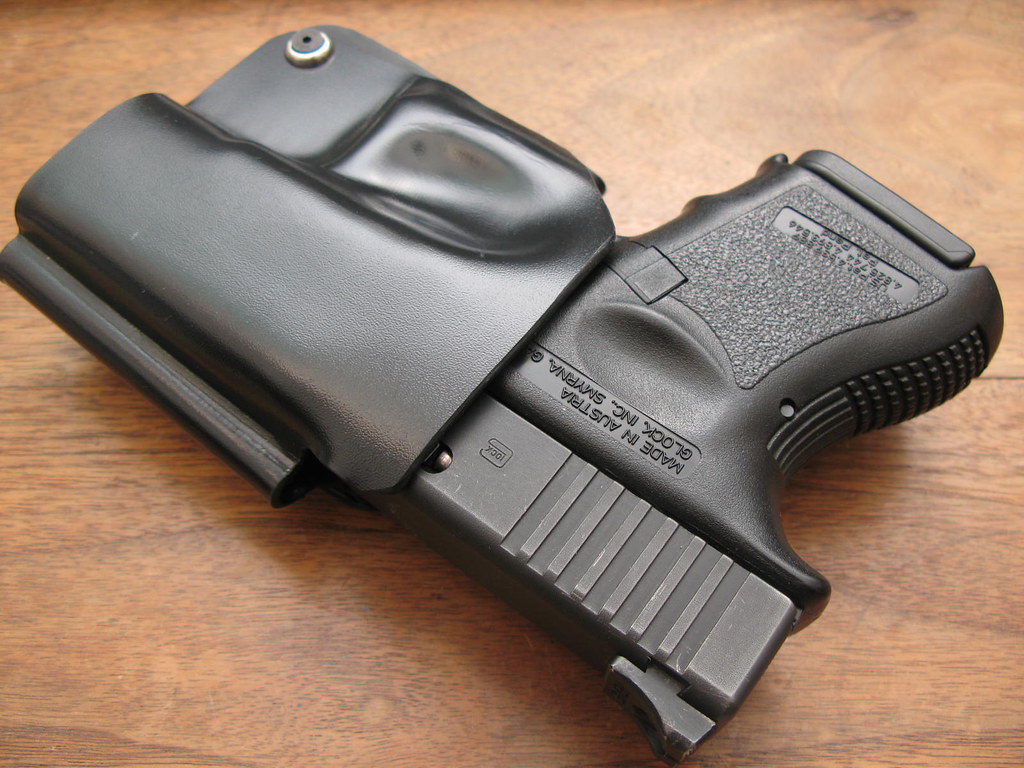
Any form of safe chambered carry begins with a good holster. The modern kydex designs enshroud the trigger guard entirely, removing accidental discharges via clothing or other gear. They retain their shape for consistent reholstering, unlike the leather holsters of old that would collapse and press against the trigger.
For those carriers who choose to carry chambered, investing in a holster that secures the firearm firmly and keeps the trigger inaccessible is non‑negotiable. Avoid loose‑fitting or budget holsters that compromise retention or allow trigger contact. This choice of equipment directly influences whether chambered carry will continue to be a safe option.
4. Firearm Design and Built‑In Safeties
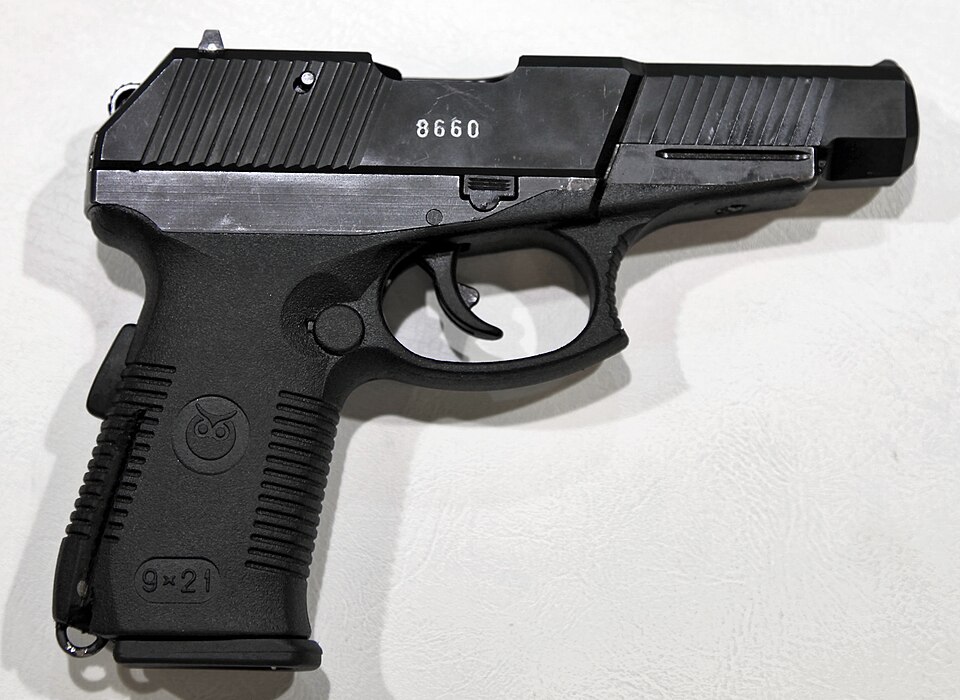
Advances in firearms engineering have made chambered carry far safer than it was decades ago. Most modern pistols are typically drop‑safe-meaning they won’t fire if accidentally dropped-and often include internal striker blocks or firing pin safeties.
Older revolvers sometimes required carrying with an empty chamber to prevent discharge from impact. Many of today’s designs, including most striker‑fired and DA/SA pistols, incorporate multiple mechanical safety mechanisms. Understanding how such systems function and trusting them through regular inspection helps carriers make confident decisions relative to chamber status.
5. Trigger Mechanisms and Their Interaction with Safety
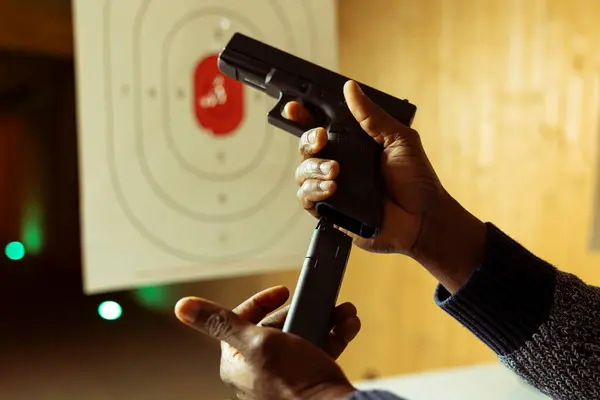
Trigger type also becomes a significant factor in that delicate balance between readiness and safety. Single‑action pistols had crisp, light pulls perfect for accuracy but required manual safeties to prevent an unwanted shot. DA/SA pistols start with longer heavier first pulls adding inherent safety without giving up follow‑up speed.
By their nature, striker-fired designs offer consistent pulls from first shot to last and are often provided without external safeties, relying instead on internal mechanisms. Matching trigger system to skill level and training commitment can minimize perceived risks with chambered carry.

6. Legal Considerations by State
In most states in the U.S., carrying with a round in the chamber is permissible for permit holders or in permitless carry jurisdictions. Some states do add restrictions or further additional requirements. Breaking these laws can lead to serious penalties. Carriers should consult their state’s statutes or a qualified attorney before making a determination about chamber status. While following the law can prevent charges from being filed, defensive action also must have a basis in lawful authority to be justified in court.
7. Training for Muscle Memory and Confidence
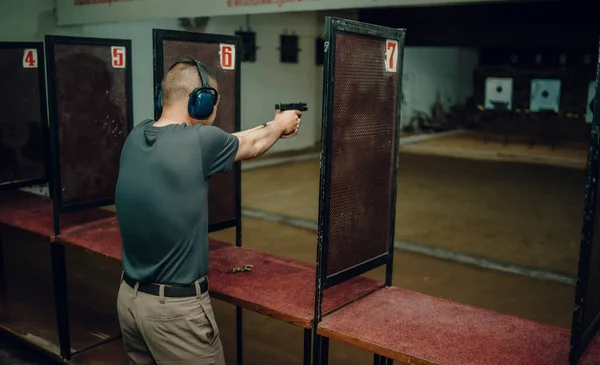
Be it chambered or unchambered, the confidence to act decisively under stress is garnered through consistent training. Dry‑fire drills, live‑fire sessions, and scenario practice help ingrain safe handling and smooth draw mechanics. For unchambered carriers, integrate slide‑racking into every draw so that it becomes second nature. Chambered carriers should focus their efforts on smooth, controlled, safe draws and reholstering, maintaining finger discipline and situational awareness.
8. Accessible Gear Setup
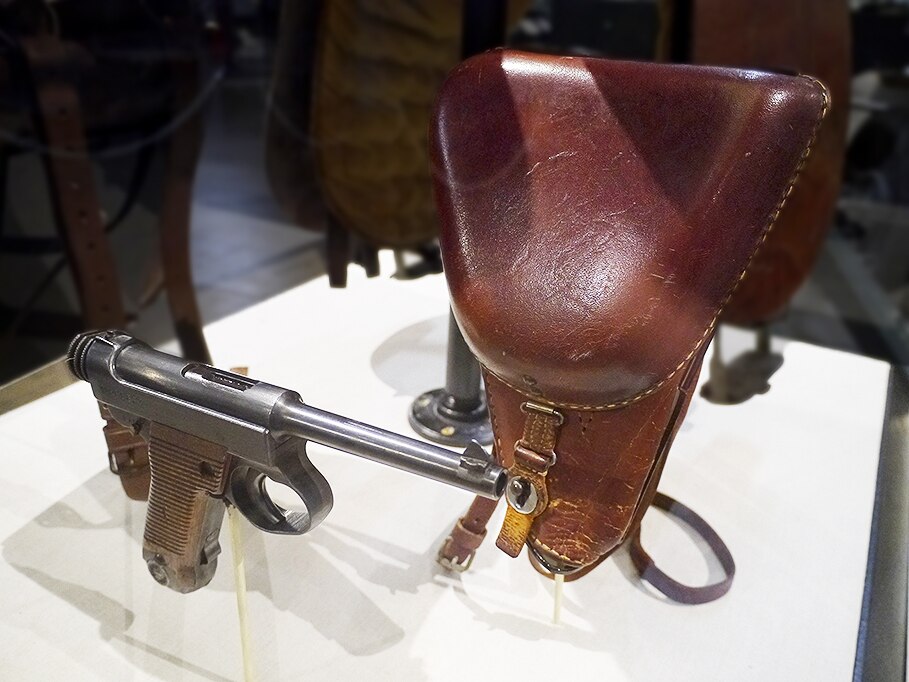
Holster placement, spare magazine location, and ambidextrous controls are all factors that affect how quickly and safely a firearm can be brought into action. Gear should allow access with either hand, especially for one‑handed manipulation scenarios. Testing equipment under realistic conditions, such as moving, using cover, or physical struggle, uncovers weaknesses before they can become liabilities. A setup that supports both chambered and unchambered techniques gives flexibility to the carriers.
9. Avoiding the ‘Leave It Home’ Mentality
Some voices in the firearms community make the claim that carrying unchambered is pointless. This mindset completely ignores the reality that an unchambered gun is still far better than no gun at all. One industry commentator said it best: it’s “shameful” to tell carriers to leave their firearm home because they don’t chamber a round; this divides the community unnecessarily. Encouraging incremental progress whether that’s upgrading gear, improving draw speed, or building confidence with chambered carry strengthens overall preparedness.
The aim is to equip more responsible carriers, not fewer. Chambered versus unchambered carry is not an argument to be won; it is a decision in which safety, speed, and skill need to be aligned with personal comfort and legal boundaries. With proper equipment, disciplined training, and an honest assessment of capabilities, carriers can make a decision that optimizes readiness without sacrificing safety. The smartest choice is the one backed up by preparation, not assumption.

