
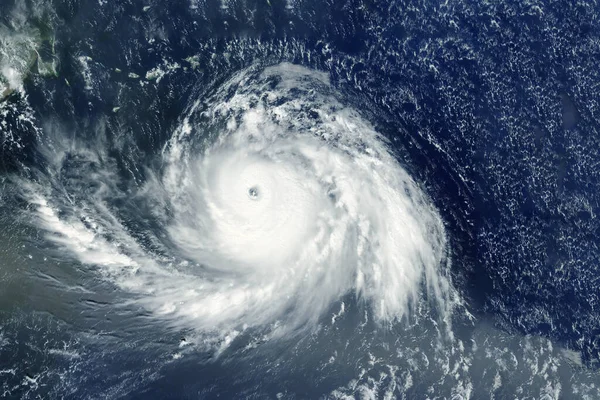
The United States closed out a hurricane season in which no hurricanes made landfall for the first time in a decade. That rare reprieve came despite an active Atlantic basin that produced 13 named storms, five hurricanes, and four major hurricanes, according to NOAA. The agency’s seasonal outlook had predicted near- to above-normal activity, and the final tally fell squarely within predicted ranges.
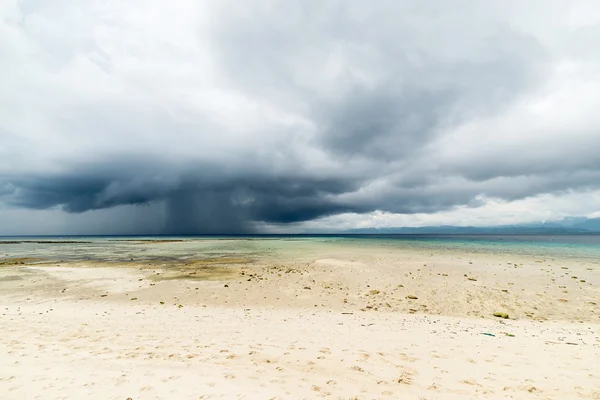
1. A Season of High-Intensity Storms without U.S. Landfall
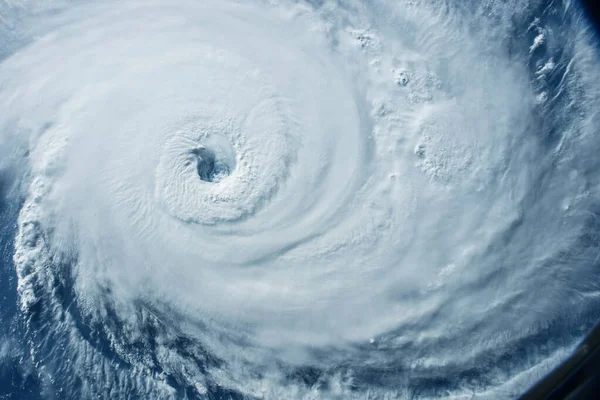
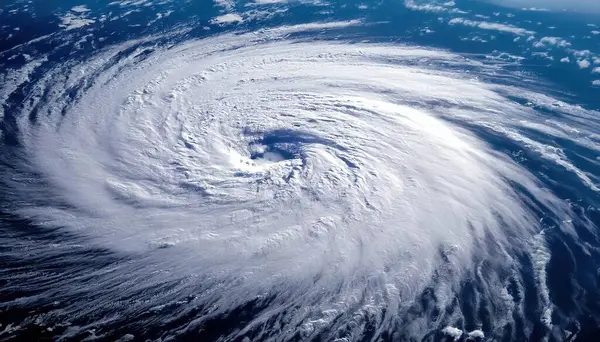
Though the U.S. mainland avoided hurricane landfalls, the Atlantic was nonetheless unusually intense: three storms Erin, Humberto, and Melissa reached Category 5 status, a feat matched in only one other year since records began. Favorable steering currents the product of a persistent low-pressure trough kept these major systems offshore. Still, hurricanes far out to sea generated deadly swells that collapsed several beachfront homes along North Carolina’s Outer Banks. Tropical Storm Chantal was the only system to cross U.S. shores, bringing deadly flooding to the Carolinas.
2. NOAA’s Forecasting Accuracy with Integrated AI
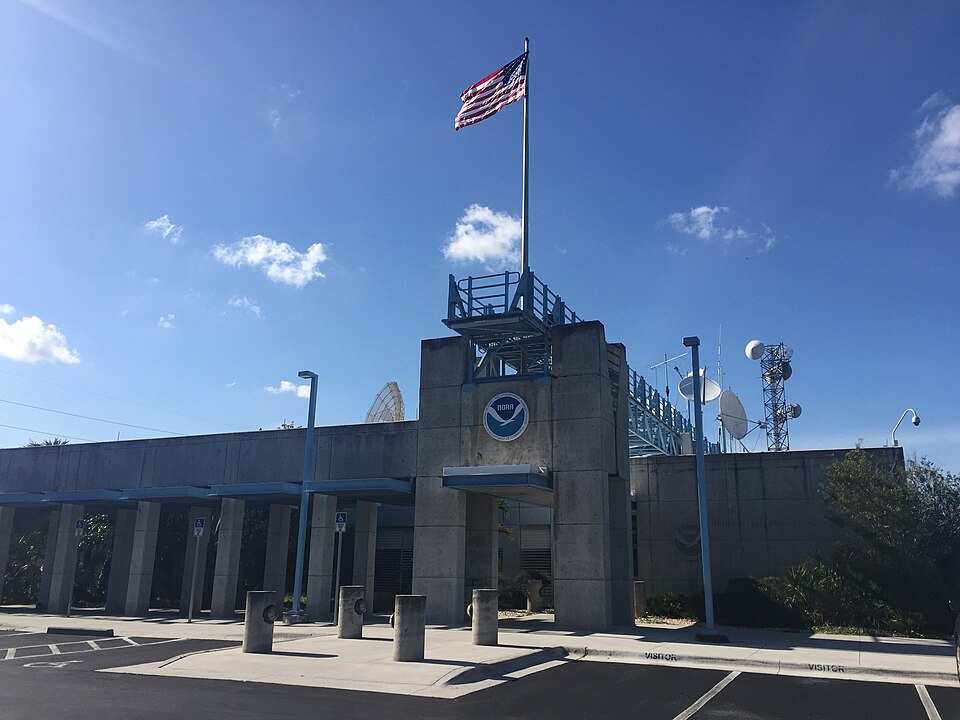
This was NOAA’s first season using Artificial Intelligence model guidance operationally for hurricane forecasting, and the National Hurricane Center integrated the Google DeepMind AI ensemble into its toolkit, improving predictions of rapid intensification-a notoriously tricky part of storm forecasting. Forecasters credited the model with helping them correctly predict Hurricane Melissa’s leap from Category 1 to Category 5 strength days before landfall in Jamaica. “The NHC performed exceedingly well when it came to forecasting rapid intensification for some of the more impactful storms,” said NOAA Administrator Neil Jacobs.
3. How AI Models Are Changing Storm Prediction
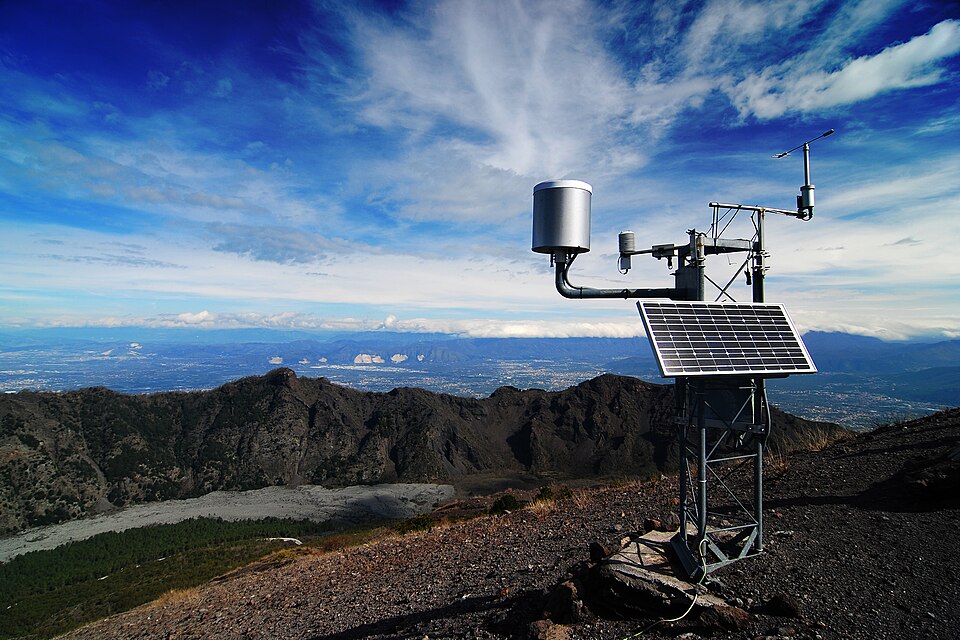
Traditional models use physics-based equations and supercomputers-the European Model and the American Global Forecast System are two of the most well-known-that take several hours to run. AI models tap their training from decades of historical weather data to spawn hundreds of scenarios in minutes. That speed allows forecasters to determine how sensitive projections are to small atmospheric changes, and gain statistical confidence. Experts say AI remains a “black box” in many respects, but NOAA’s end-of-season analysis showed “significant progress” in rapid-intensification forecasting.
4. Consequences Beyond American Borders
The absence of hurricane landfalls in the United States did not equate to a quiet season elsewhere in the world. Hurricane Melissa slammed ashore in Jamaica with sustained winds of 185 mph and a confirmed gust of 253 mph, and inflicted $8.8 billion in damage, about 41 percent of the nation’s GDP. Other nations-most notably Haiti and Cuba-also endured extreme impacts increased by economic crises that were already unfolding.
5. Historical Lessons for Energy Infrastructure
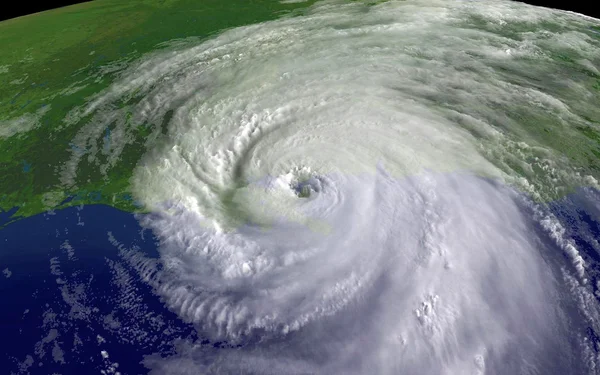
Historically, Atlantic hurricanes have disrupted oil and gas operations in the Gulf of Mexico. At the height of Hurricane Ida in 2021, 95.65% of oil production and 94.47% of gas production were shut in. No U.S. landfalls during the 2025 season prevented offshore platforms, refineries, and pipelines from similar shutdowns. Past events like Hurricanes Katrina and Rita have shown how supply chain disruptions of that nature can raise fuel prices and lead to releases from strategic reserves.
6. Better Forecast Communication and Preparedness
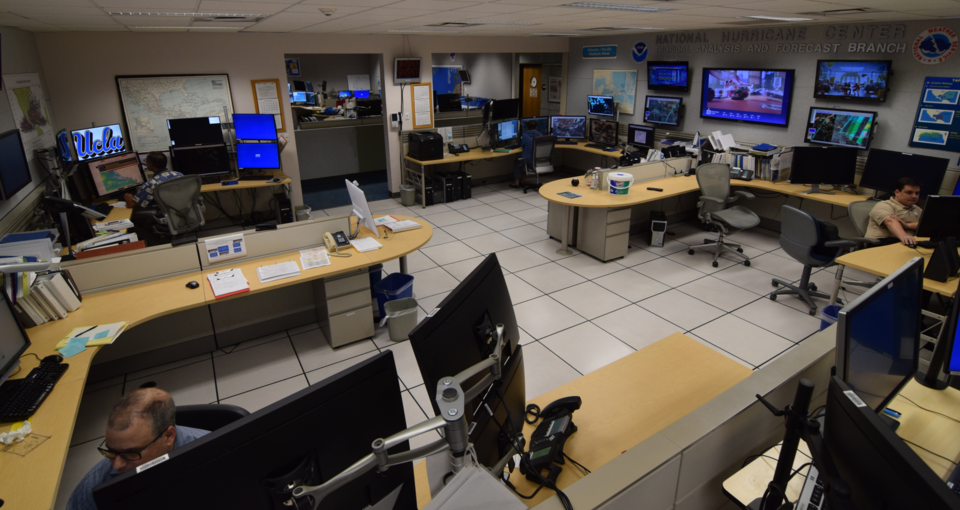
NOAA has added to its portfolio of communications tools Spanish language advisories, inland warning graphics, and rip current risk maps. Today, the NHC issues advisories on potential tropical cyclone storm surge and tropical storm-force winds a full 72 hours in advance, giving communities more valuable lead time to prepare. These enhancements are part of an integrated approach to minimizing public anxiety through timely, clear, and actionable information.

7. Coping with Storm Anxiety-How to Build Resilience
Experts say anxiety can be very high even in years when direct hits do not occur. Strategies include making evacuation plans, keeping preparedness kits ready, and limiting exposure to the constant storm coverage. “Being proactive from a hurricane preparedness standpoint is important not only for your safety, but also for your mental health,” says Dr. Ronald Smallwood. Community-based programs, such as those developed at the University of Miami’s Youth Risk and Resilience Lab, aim to help children and their families handle storm fears through education and emotional support.
8. Climate Trends and Future Outlook
Scholars note that while the total number of hurricanes globally is not increasing, the percentage reaching Category 4 or 5 strength is on the rise. For 2025, near-record ocean heat content helped fuel several periods of rapid intensification. Looking ahead to the 2026 season, there is at least a chance for an El Niño to develop by this summer, which could limit activity across the Atlantic.
However, consecutive years without a U.S. hurricane landfall are extremely rare-there have been only six since 1851. That makes for an uncommon combination of high-intensity storms, accurate forecasts, and technological advances in the 2025 season, bringing both relief and a reminder that preparedness and resilience remain key factors, even in years when the U.S. is spared the worst.

