
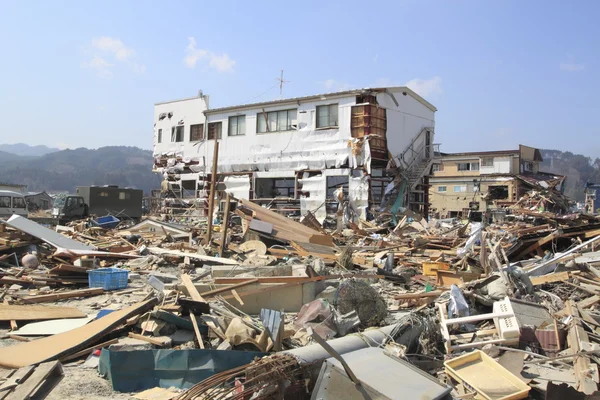
When the ground shakes for more than 30 seconds in one of the most seismically active nations on Earth, it’s not just buildings that shake; nerves do too. As Japan’s northeastern coast reeled from a powerful magnitude‑7.6 earthquake late Monday night, authorities moved swiftly to warn residents of a possible tsunami and urge immediate evacuation.
1. The Quake’s Impact
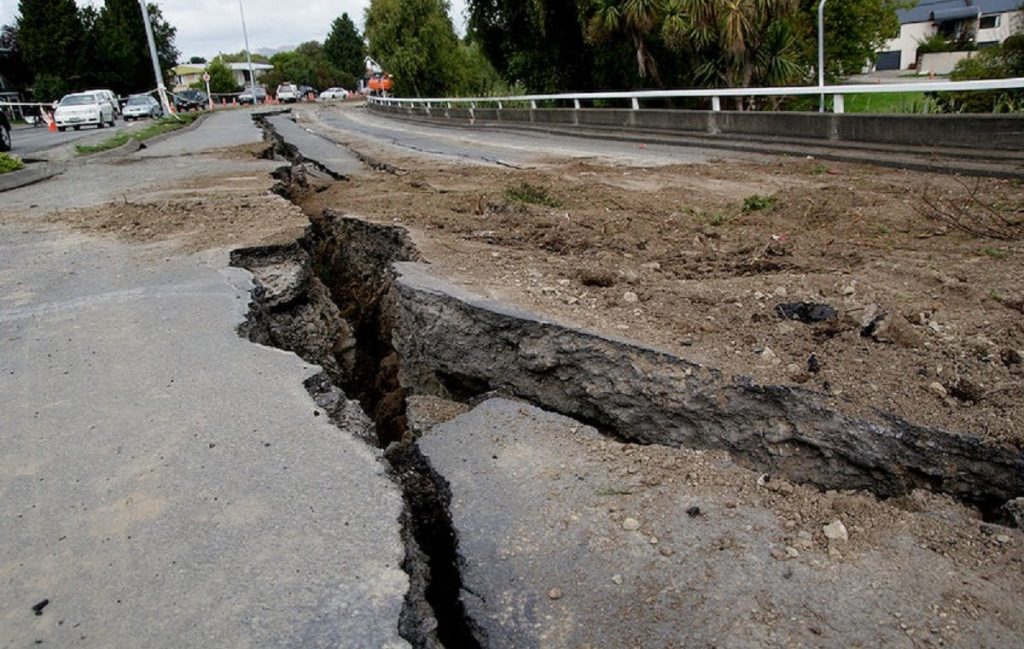
The quake struck at 11:15 p.m. local time, about 44 miles offshore at a depth of 33 miles, the United States Geological Survey said. Strong tremors were felt in Tokyo for longer than half a minute. The Japan Meteorological Agency (JMA) at first predicted tsunami waves as high as 3 meters for parts of Iwate, Aomori, and Hokkaido. Early measurements indicated a 40‑centimeter surge in Aomori and Hokkaido, and Kuji port in Iwate recorded 70 centimeters.
2. Tsunami Warnings and Evacuations
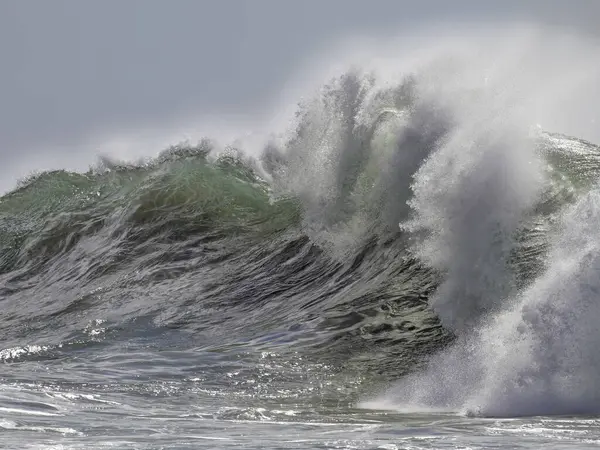
Chief Cabinet Secretary Minoru Kihara called on residents to “evacuate to higher ground or move to safe buildings, such as evacuation shelters.” Warnings were later downgraded to advisories, but the JMA cautioned that aftershocks could follow, with a slight increase in risk for a magnitude‑8‑level quake along the northeastern coast from Chiba to Hokkaido. Authorities in 182 municipalities advised heightened preparedness for the coming week.

3. Government and Emergency Response
Prime Minister Sanae Takaichi, who was only just elected in October, immediately declared that her government would be in close cooperation with local officials based on the principle of “putting human life first.” The government set up an emergency task force to assess damage and coordinate relief. An estimated 800 homes lost power, Shinkansen bullet train services were suspended between Fukushima and Aomori, and some expressways were closed. Defense Minister Shinjiro Koizumi mobilized 18 helicopters for damage assessments, while 480 residents sought shelter at Hachinohe Air Base.
4. Nuclear Safety Checks
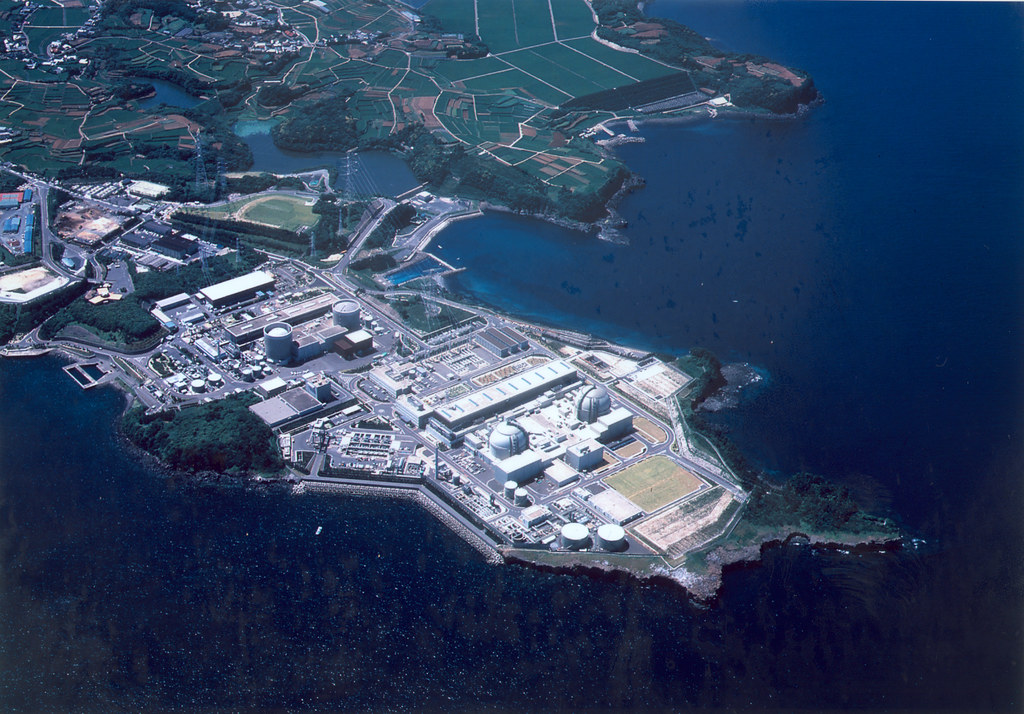
Facilities in the region, including the Higashidōri and Onagawa nuclear plants, did not show any abnormalities, according to Japan’s nuclear authorities. The Nuclear Regulation Authority said that around 450 liters of water spilled from a spent fuel cooling area at the Rokkasho reprocessing plant; the levels were still within the normal range. Safety inspections were underway at other sites, a precaution informed by the lessons of the 2011 Tohoku earthquake and tsunami, which triggered a meltdown at Fukushima Daiichi.
5. Why Japan Is So Vulnerable
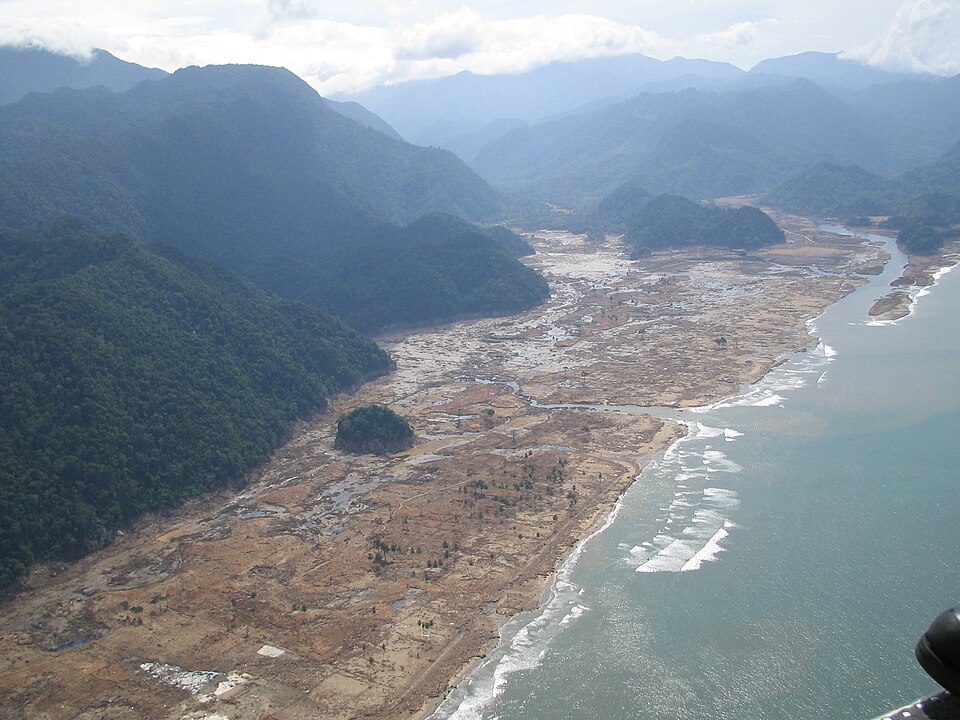
Japan sits upon the Pacific Ring of Fire, a place where high levels of seismic and volcanic activity are quite common. While Monday’s quake was powerful, experts noted it released far less energy when compared to the 2011 disaster. It is historical fact that tsunami can travel vast distances and arrive in multiple waves, with later surges sometimes larger than the first. The readiness of the country-from strict building codes to public drills-has indeed helped keep the number of casualties to a minimum compared to similar‑sized quakes elsewhere.

6. Keeping Composure at Any Crisis
Adverse events-natural disasters-commonly bring about fear responses: disbelief, anxiety, inability to concentrate, and even physical symptoms like headaches or stomach problems. These professionals suggest that limiting exposure to disturbing images, trying to maintain routine meals and sleep, and talking with friends or supportive family is beneficial. PFA can help survivors feel safe and in control. Those who find themselves continuing to struggle more than several weeks should seek professional support to avoid further conditions such as PTSD.
7. Identifying Tsunami Warning Signs
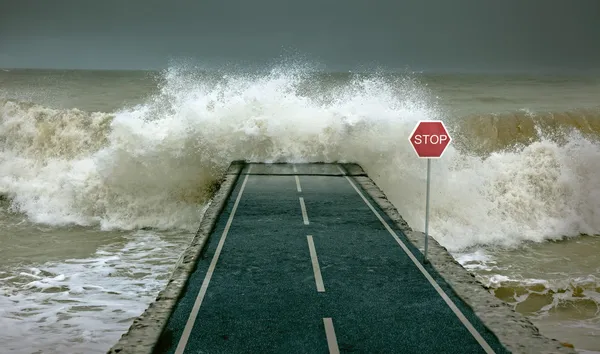
Even with sophisticated warning systems, some tsunamis arrive too rapidly to allow warnings to be issued. Local residents and visitors should be aware of natural warnings: intense or long earthquakes, ocean behaving strangely including sudden recession or abrupt rise, and loud roars from the ocean. Japan’s coastal towns indicate evacuation routes and elevation markers, while specified Tsunami Evacuation Buildings provide refuge above the potential inundation levels.

8. Preparedness for Residents and Travelers
Authorities advise that people in coastlines should familiarize themselves with local disaster manuals, such as the Tokyo Bosai guide, and register with consular services when they travel abroad. The Safety Tips app and NHK World‑Japan offer real‑time alerts. Free public Wi‑Fi, Five Zero Japan, links users to critical updates in any emergency. ID, small cash denominations, and a phone charger make evacuation easier.

9. The Human Element
“It was scenes of traffic jams and accidents as panicked residents fled,” said Satoshi Kato, vice principal. But moments like those reveal the real importance of calm, coordinated action. According to researchers, asking “what happened to you?” rather than “what’s wrong with you?” brings comprehension and resilience to disaster survivors.
Recovery often is a marathon, not a sprint, and with community support, post-traumatic growth is possible even in the face of profound loss. The latest quake to hit Japan is both a reminder of its seismic reality and a testament to its readiness. With the threat of a major tsunami receding, vigilance remains critical over the coming days.

