

Family dining has suffered the steepest decline in decades, according to Denny’s CEO Kelli Valade, with sales plummeting about 20% across the segment. That’s the largest drop for any major restaurant category and is pushing even iconic brands to make some very hard choices. In the case of Denny’s, those choices mean closing a significant number of locations while reshaping its future.
After referring to itself as “America’s diner” for years, the chain is nearing the tail end of a plan to close more than 150 underperforming restaurants. While painful for loyal customers in affected communities, the moves are part of a larger strategy to strengthen the brand and its finances while positioning it for new ownership. A pending $620 million acquisition deal awaits, with Denny’s having to work through a tough mix of operational challenges, shifting consumer habits and evolving market dynamics.
Here’s a closer look at the most important developments, ranging from specific locations that are closing, the company’s renovation plans, its digital brand experiments, to the broad industry trends driving these moves.
1. Extent of the Closures
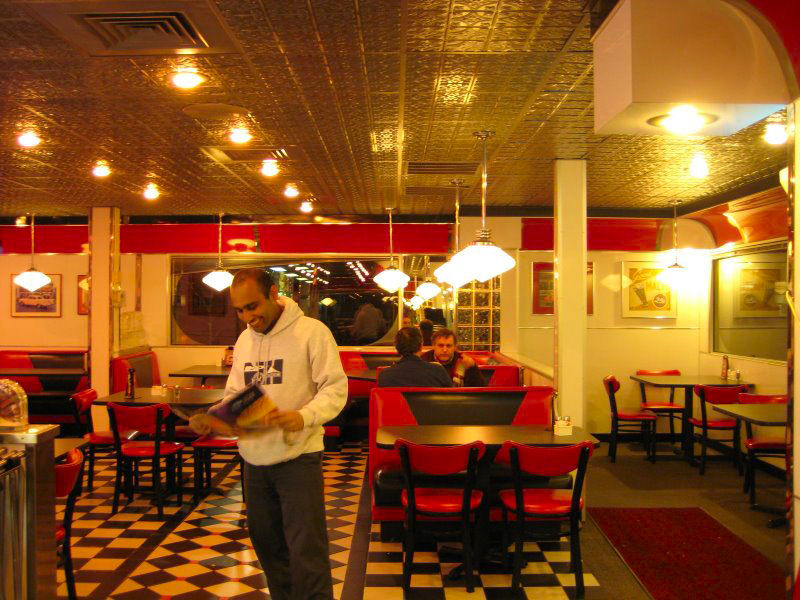
Denny’s had started its footprint reduction at the beginning of 2023 and planned to close about 150 restaurants. By the end of 2024, it had already closed 88, and between 70 and 90 would be closed by the end of 2025. The company labeled about a fifth of its domestic units as underperformers, usually in older buildings or in markets where the consumer dynamics have changed. Executives say the removal of the locations is crucial to extending the average annual unit volumes to $2.2 million and positioning the brand for growth in 2026.
2. Areas Already Affected
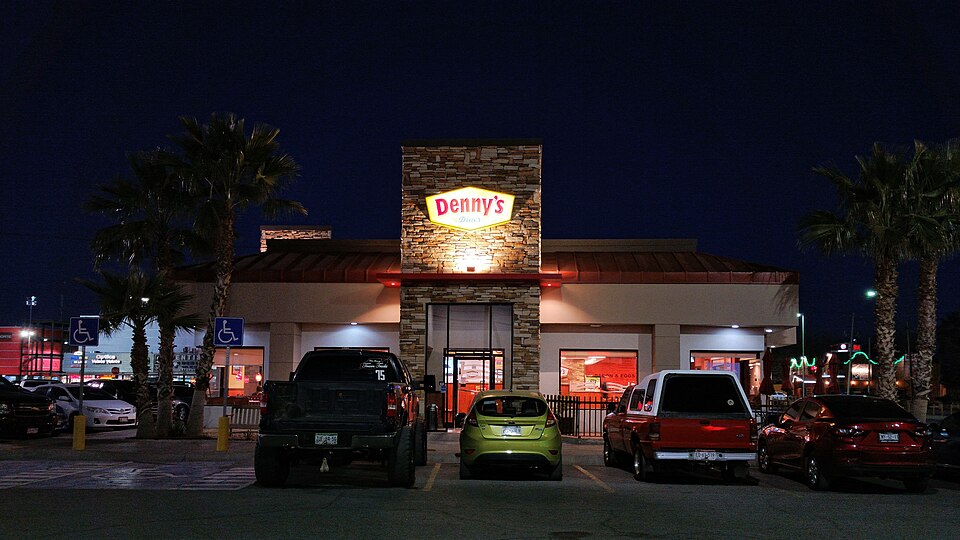
While Denny’s hasn’t issued an official list of closures, independent tracking confirms the restaurant has closed its doors in several states. Closures hit Santa Rosa, Oakland, and San Francisco in California; Boise and Nampa in Idaho; Worcester in Massachusetts; Ashland and Ontario in Ohio; Ontario in Oregon; Bucks County in Pennsylvania; and Lubbock and New Braunfels in Texas. Each is a local loss to communities that had come to rely on these diners for affordable, familiar meals.

3. The $620 Million Acquisition
In November 2025, Denny’s announced a deal to be acquired for $620 million by TriArtisan Capital Advisors, Treville Capital Group, and Yadav Enterprises the latter already operates around 550 U.S. restaurants. The deal is expected to close in the first quarter of 2026 pending regulatory and shareholder approval, but the timing has drawn attention to how private equity ownership could shape the chain’s future. The company has stressed that the closures have nothing to do with the acquisition.
4. Industry-wide contraction
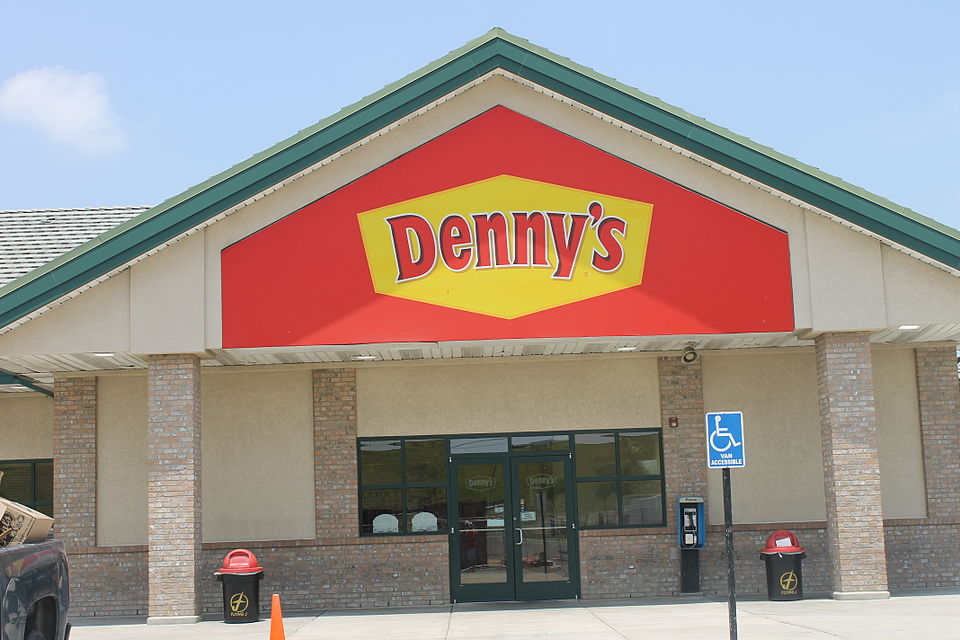
Valade said family dining chains have contracted more than most segments since COVID-19. Research shows sales for the category are off by about 20 percent, deeper than the decline of casual dining or quick service. Many operators are closing older units and focusing on markets with strong demographics. This is reflective of broader trends in which even known brands prune locations to protect overall system health.
5. Renovation Push: Diner 2.0
To help overcome some of the inconsistency in store appearance that one executive termed the brand’s “Achilles heel,” Denny’s is introducing its Diner 2.0 renovation program. It includes a $100,000 grant to franchisees committing to the upgrades, partly offset by a $25 million loan pool. Renovated stores have typically seen a $400,000 sales lift, with traffic up 6.5%. The makeovers are designed to modernize the look and better the customer experience, while giving the brand a consistent look from market to market.
6. Adjustment of Operating Hours
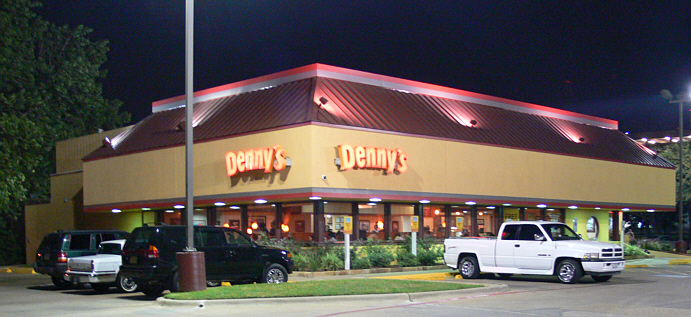
One tradition that may be fading: 24/7 service. About 25% of Denny’s locations no longer operate overnight, and management has indicated it will not push to restore pre-pandemic round-the-clock hours. The move reflects shifting consumer patterns, labor considerations, and a need to focus resources on peak demand periods.
7. Digital Brand Experiments
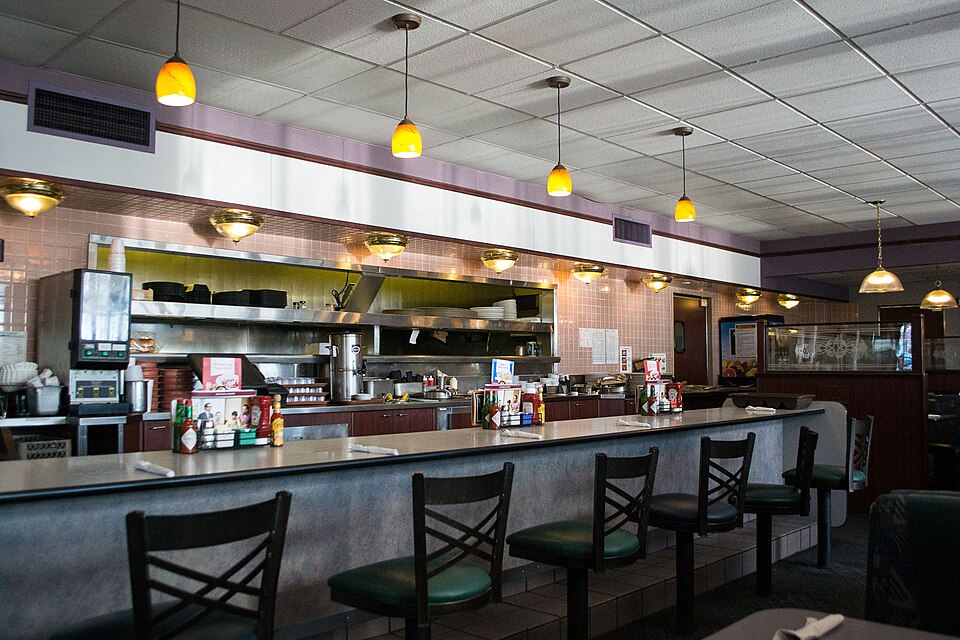
Denny’s also ramped up virtual concepts, including Burger Den, the Meltdown, and Banda Burritos-which have collectively contributed to $77 million in sales. Banda Burritos, available today in 1,000 units, is developing a Grand Slam Burrito, using the signature morning platter at Denny’s to fuel its project. These projects open opportunities for the brand in delivery-centric markets and a chance to add variety without adding new brick-and-mortar restaurants.
8. Menu Investments
In addition to the new ideas, Denny’s also is reworking existing items. The company has invested $8 million in better bacon, a nod to quality improvement. Executives say value is still integral to the approach, adding that some customers are even ordering kids’ meals with greater frequency to keep checks lower as budgets remain tight.

9. Sister Brand Extension
Keke’s Breakfast Cafe, the sister regional brand to Denny’s, positions itself for rapid growth on the heels of a 1 percent same-store sales decline in third quarter. Development agreements for 140 new stores have been inked, more than doubling its current count of 61 units. Many of these will be from the same pool of existing Denny’s franchisees who show confidence in breakfast-centric concepts.
10. Consumer Value Trends
Prices across segments of the broader restaurant market are converging, with many meals now similarly priced at $15 to $20, both in casual and fast-casual dining. According to such analysts as R.J. Hottovy, consumers are looking more and more for value, be it through portion size, innovative menus, or premium ingredients. Chains that have shown restraint on pricing while enhancing perceived value, like Chili’s and Golden Corral, have outperformed. Denny’s strategy will be in line with that trend, he said, focusing on value plays to attract new and lapsed customers.
Denny’s closures represent a milestone moment for a brand stitched into the fabric of America’s dining scene. Though neighborhoods lose a staple meeting place, the company is wagering that selective pruning, renovation, and menu innovation will reignite growth. With private equity ownership looming and industry headwinds blowing for value-centric concepts, the next year is crucial in determining if “America’s diner” can regain its status as a family dining leader.

