
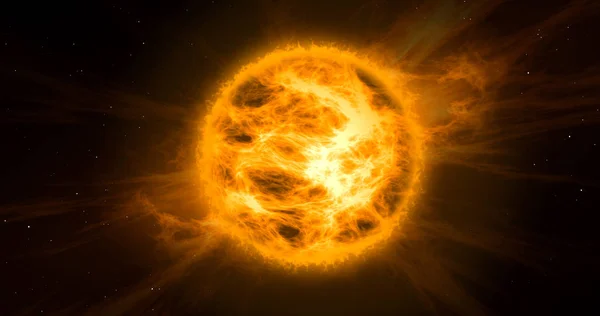
Solar storms are not just spectacular light displays across the sky but are indeed strong space weather events that can disrupt modern technologies on which people depend daily. When the Sun sends off great streams of charged particles, these can reach Earth and disturb its magnetic field, thereby triggering effects from GPS glitches to overloads of power grids. Understanding the formation of these kinds of storms, how they are forecast, and how preparation may be made is important in today’s highly technology-dependent world.
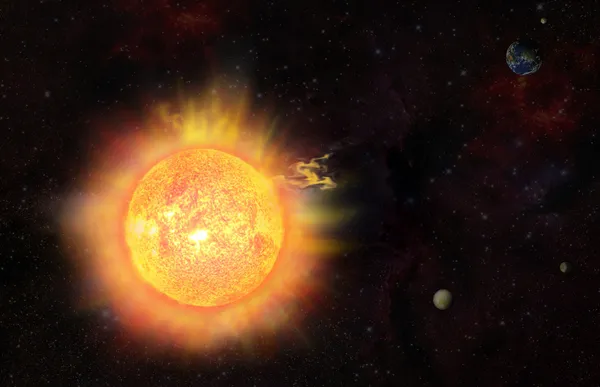
1. How Solar Storms Form
Solar storms generally begin with some sort of dynamic event on the surface of the Sun: the magnetic turbulence of the gas can erupt and, in turn, can launch a CME-a huge bubble of plasma and magnetic field-into space. These can travel at speeds of greater than 1.6 million kilometers per hour. If headed towards Earth, they usually arrive in one to three days, causing the planet’s magnetic field to quiver and creating geomagnetic storms. The most extreme events can paint spectacular auroras far from the poles and disrupt critical systems.
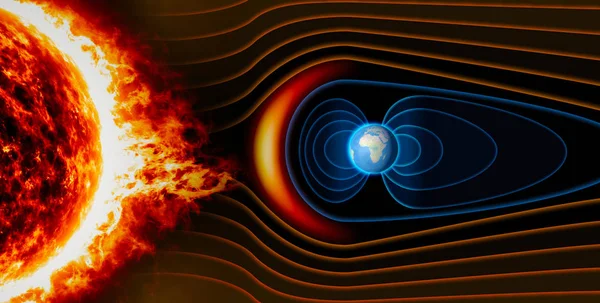
2. Earth’s Magnetic Shield
The Earth’s magnetosphere is a product of its molten iron core and shields the planet from incoming solar radiation. This shield deflects most of the charged particles, and thus protects humans from harmful effects. However, during strong storms, the high-energy particles sometimes penetrate this shield; as a result, geomagnetically induced currents in power lines and pipeline reappear, while electronic malfunctions are triggered in satellites.
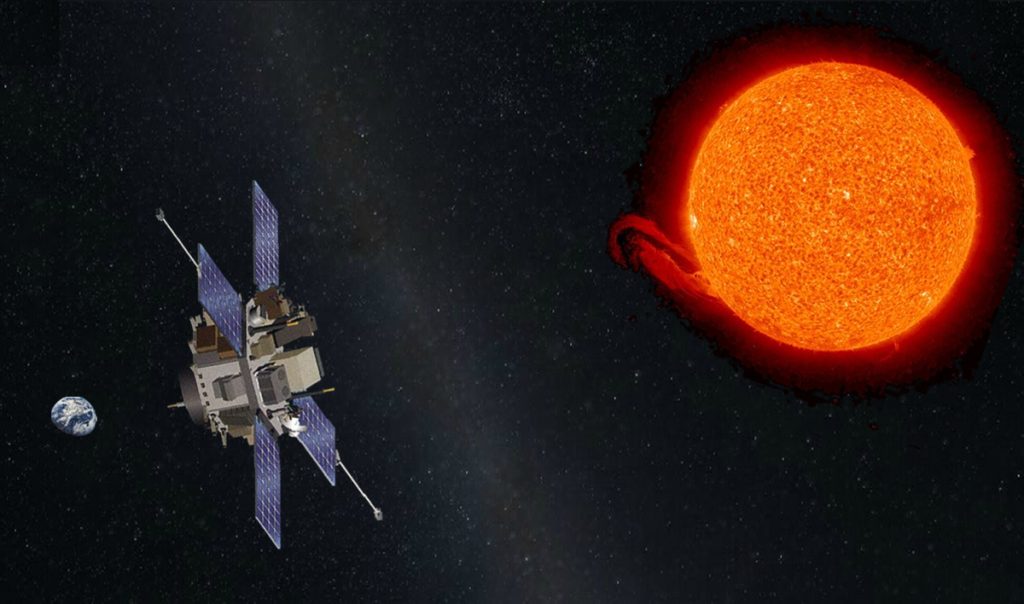
3. Predictive System of NASA
NASA and NOAA monitor the Sun with the help of satellites like Advanced Composition Explorer (ACE) and Solar and Heliospheric Observatory (SOHO). Predictions are made along with the use of severity scales:
- Mild events bring auroras with minimal disruption.
- Even moderate storms can degrade GPS accuracy.
- Storms of great strength can overload power grids.
NOAA’s G-scale ranks geomagnetic storms from G1 (minor) to G5 (extreme); storms rated G3 and higher have the potential to cause widespread disruptions to technology.
4. Historical Lessons
History gives a glimpse of how bad it might get. A CME the size of 36 Earths on March 13, 1989, sparked a geomagnetic superstorm that cut power to six million people in Canada for nine hours. In May 2024, a G5 storm put on brilliant auroras around the globe but sent GPS-guided tractors veering off course and forced trans-Atlantic flights to reroute.

5. Who Is Most at Risk
Airlines flying polar routes experience radio blackouts. Satellites in orbit may lose signals or have data corrupted. Power grids near high latitudes are more susceptible to geomagnetically induced currents. While homes are generally safe from direct damage, the impact would be felt more in terms of weak mobile signals, slower internet access, and GPS errors.

6. Practical Preparedness Steps
Easy things people can do to stay connected, stay safe in a storm:
- Carry a charged power bank.
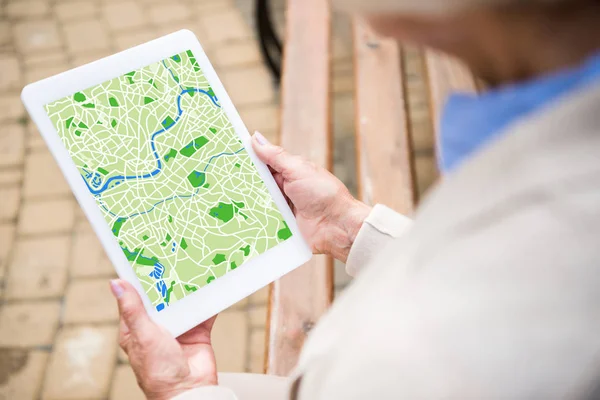
- Download offline maps in case GPS fails.
- Store emergency contacts and have a ready flashlight.
- Avoid traveling long distances if there are forecasts for severe storms.
These actions decrease stress and help establish simple communication in cases of interruptions.
7. Electronics Protection
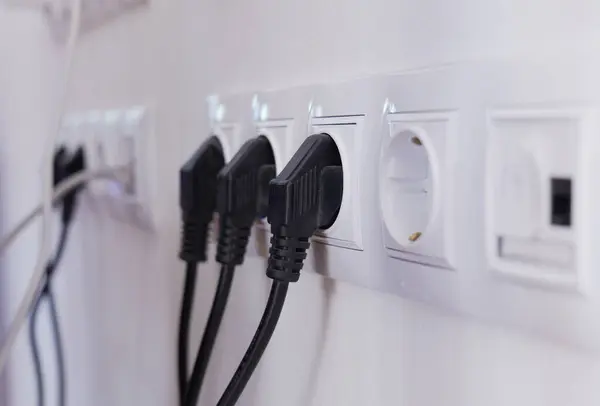
Thus, during high-intensity geomagnetic activity, sensitive electronics can be protected by disconnecting them from their power sources, with surge protectors also in place. For critical electronics, shielding solutions or storage in enclosures that are grounded could be employed to mitigate the damaging of induced currents.
8. Power Company Strategies
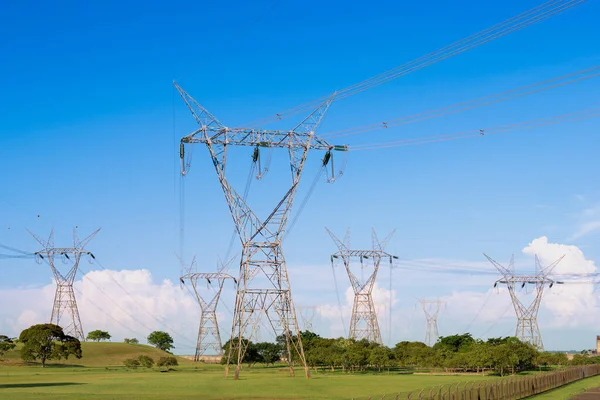
Electric utilities prepare for such scenarios by reducing grid loads, adding grounding systems, and deploying backup units. These can forestall cascading failures and save tens of millions in repair costs. Coordinated with NASA’s alerts, operators can take action before the peak of the storm.
9. Problems in Communication and Navigation
Geomagnetic storms can lead to GPS errors, positioning the vehicles miles away from their real position. Radio blackouts, which happened across Europe, Africa, and Asia this month, can also last up to one hour and will impact aviation and maritime operations. Saving maps and keeping alternative navigation means is important.
10. Beauty of the Auroras
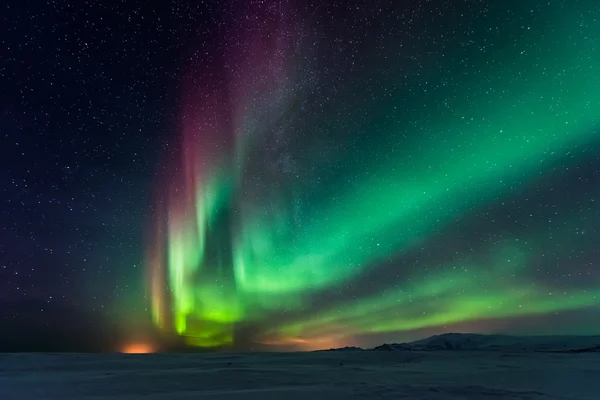
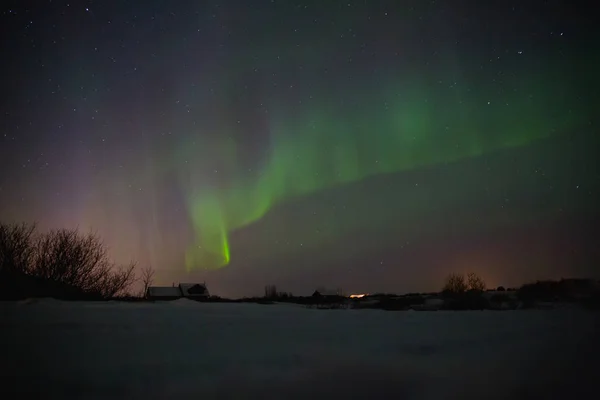
While storms might interfere with technology, they also produce spectacular auroras. These occur when solar particles collide with atmospheric molecules, emitting photons in colors ranging from green to red. During periods of strong activity, this often enables the aurora to be seen far beyond polar regions, creating a once-in-a-lifetime visual spectacle.
11. The Solar Cycle and Future Risks
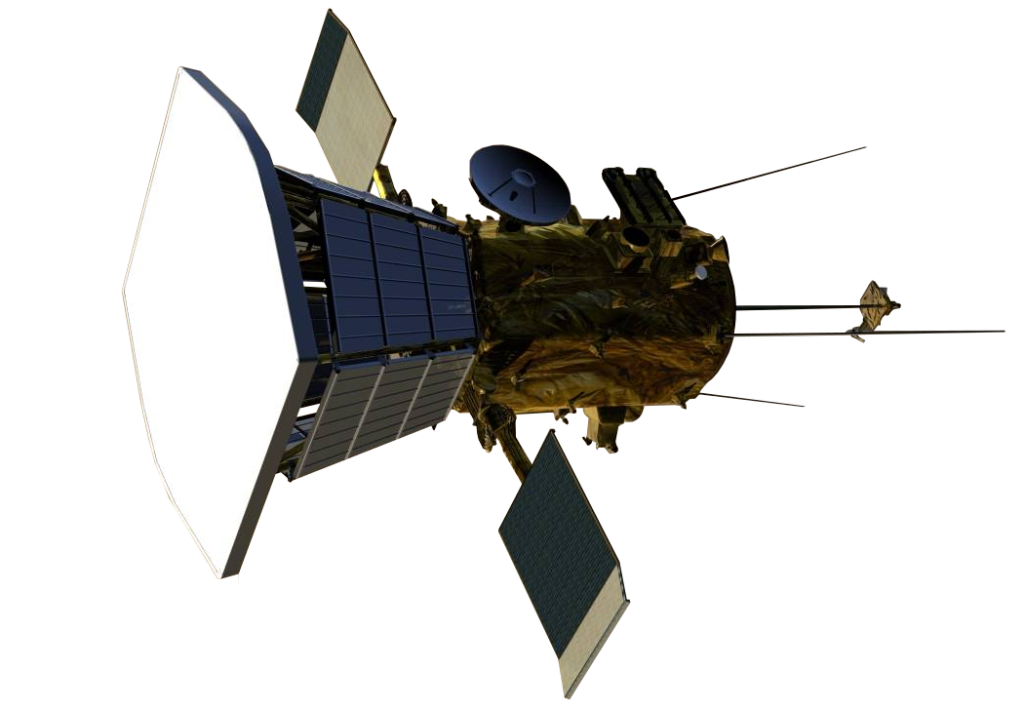
Solar activity works in an 11-year cycle, and the current solar maximum makes big storms more likely. More activity can be expected for another year before it will gradually decrease. Missions like NASA’s Parker Solar Probe and ESA’s upcoming Vigil satellite are in the works to give better forecasts that could provide hours of extra warning before a CME arrives.
12. Keeping Current
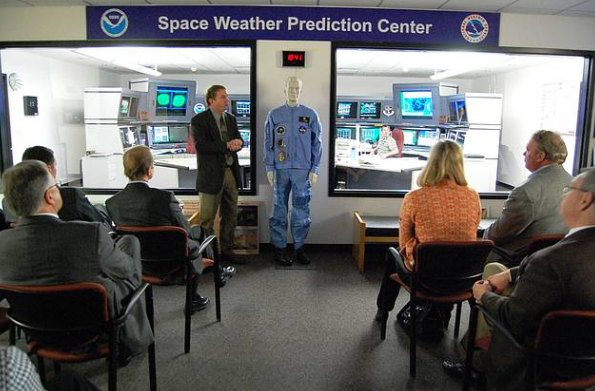
Daily updates from NASA and NOAA’s Space Weather Prediction Center give up-to-the-minute information on solar activity, storm forecasts, and aurora visibility. Media, weather apps, and school programs also raise awareness so communities can be prepared with calm and efficiency.
Knowing that the Sun is in an active phase, learning about the science of solar storms and taking practical steps to safeguard technologies can make a potentially disruptive event manageable. Knowledge, readiness, and calm action are still by far the best defenses against nature’s most spectacular and sometimes most disruptive light show.

