
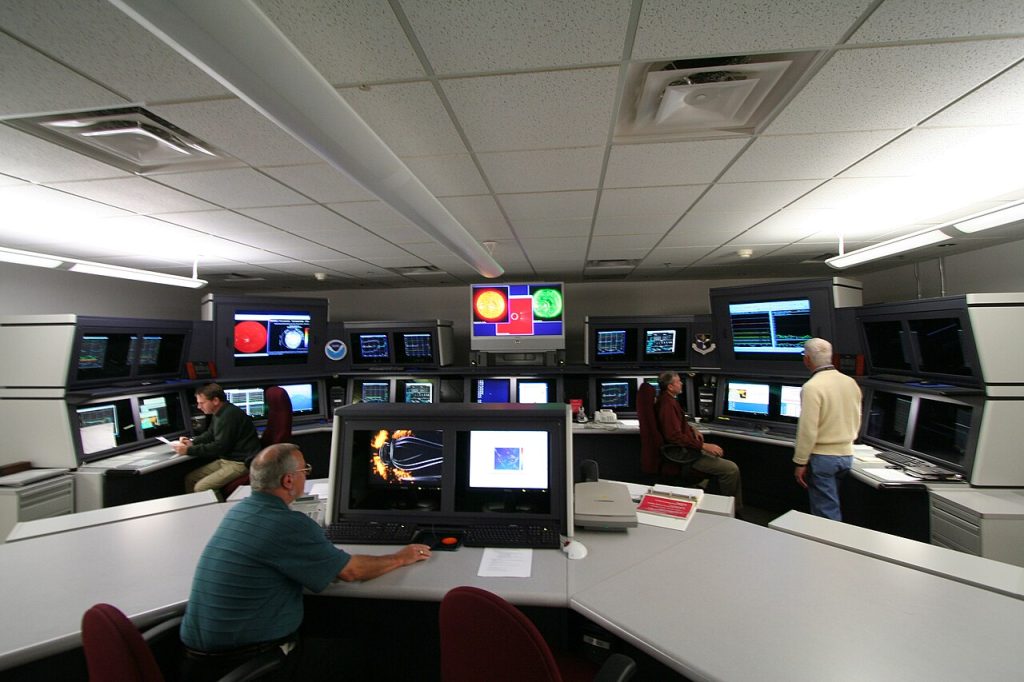
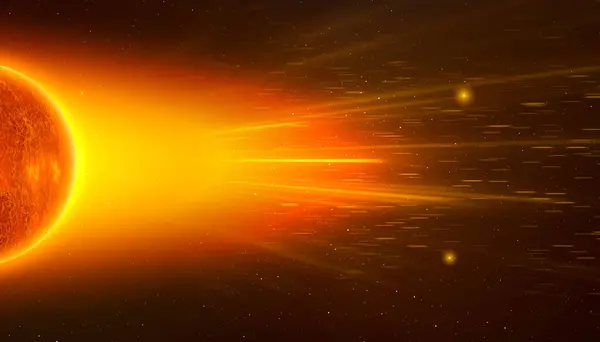
A wave of solar energy is racing towards Earth, and NOAA’s Space Weather Prediction Center says it could trigger a strong G3-level geomagnetic storm by Tuesday. This class of storm, driven by a coronal mass ejection associated with an M8.1 solar flare, has the potential to impact satellites, GPS, and radio communications-all while hosting stunning auroras far outside their typical range.
1. What a G3 Storm Means
G3 conditions on NOAA’s Space Weather Scale include “strong” storms. Storms rated G3 are not considered extreme but may still cause noticeable effects: satellite orientation errors, degraded GPS accuracy, and radio blackouts from high-frequency signals. As a result, navigation and communication problems may be encountered in both aviation and maritime. The orientation of the magnetic field carried by the storm will have some effect on the strength at which it impacts Earth, but even moderate disturbances can easily ripple through critical systems.
2. The Science Behind Space Weather
Space weather at the Sun is generated by continuous ejections of charged particles, plasma eruptions, and bursts of radiation. CMEs are million-tonne clouds of material from the sun with magnetic fields running through them that fall on Earth’s magnetosphere, jolting it and releasing energy temporarily. This interaction can give rise to auroras and geomagnetically induced currents that have impacts on man-made infrastructure. Presently, the event reaches during the maximum phase of Solar Cycle 25, at the time when sunspot activity is high and solar flares occur very often.
3. How NOAA & NASA Monitor the Sun
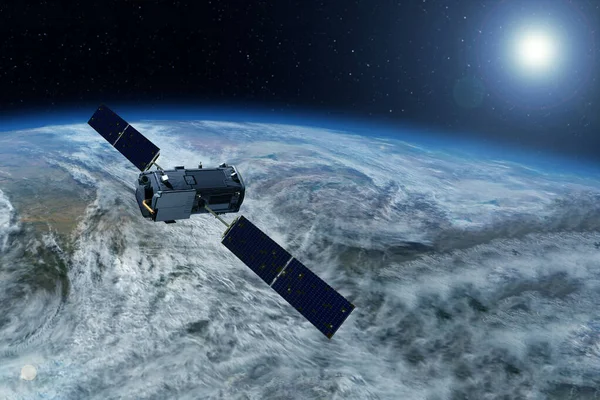
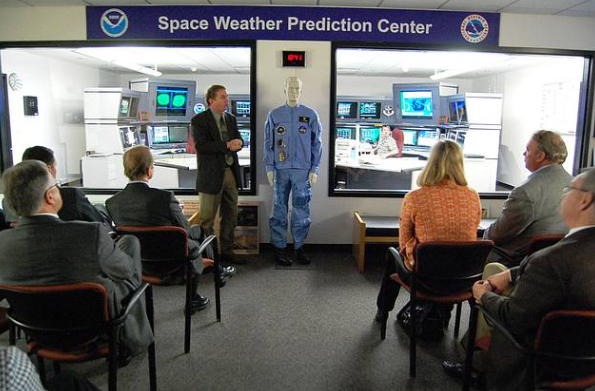
The NOAA Space Weather Prediction Center continuously monitors the solar activity using instruments on satellites, such as those of the GOES series, and ground-based magnetometers. It disseminates conditions using the Space Weather Scales to provide a rating for geomagnetic storms, solar radiation storms, and radio blackouts on scales from G1 to G5, S1 to S5, and R1 to R5, respectively. In addition, there is the Kp index on a scale from 0 to 9 to measure the intensity of geomagnetic disturbance. Finally, NASA has a number of space weather missions, including the Parker Solar Probe, which makes unprecedented close approaches to the Sun in an attempt to study space weather at its source.
4. Storms of the Past: Lessons Learned
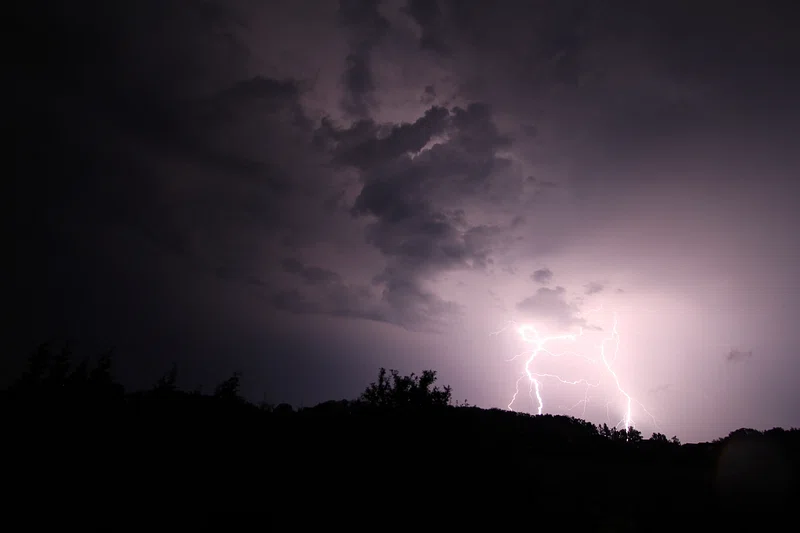
History is rife with examples of heavy geomagnetic storms that have resulted in tangible consequences. The May 2024 G5 storm-the strongest in more than two decades-tripped high-voltage lines, overheated transformers, and forced GPS-guided farm equipment off course. In October 2003, the “Halloween Storms” disrupted power grids, rerouted airline flights, and knocked out satellite systems. Even earlier, the 1989 storm plunged millions in Canada into darkness for nine hours. These events make stark the vulnerability of modern infrastructure to solar activity.
5. Solar Cycles and Forecasting Advances
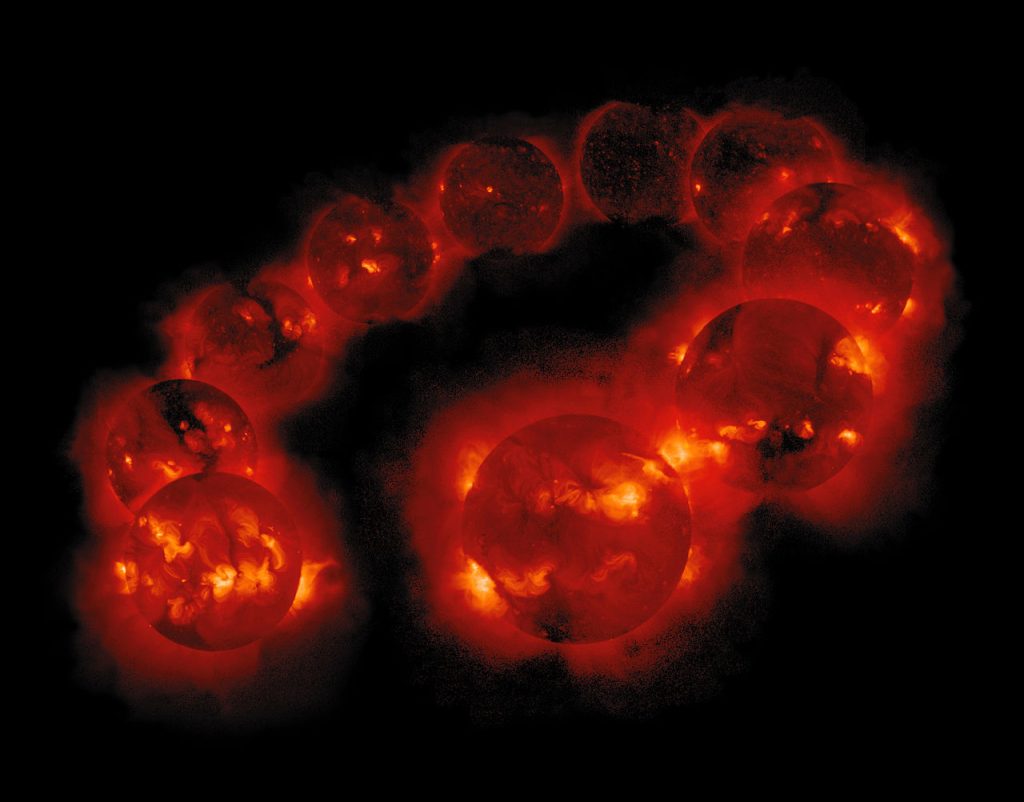
Solar cycles, averaging about 11 years, define the frequency and intensity of space weather. Numbers of sunspots peak during solar maximum, and CMEs are much more frequent. Forecasting models, including the optimized LSTM+ neural network, will continue to improve predictions of geomagnetic indices such as Ap and Dst. This model forecasts peak geomagnetic activity for Solar Cycle 25 in early 2026, in concurrence with historical lags of one to three years after the peak in sunspots. Forecasts like this give utilities and aviation operators valuable lead time.
6. Building Infrastructure Resilience
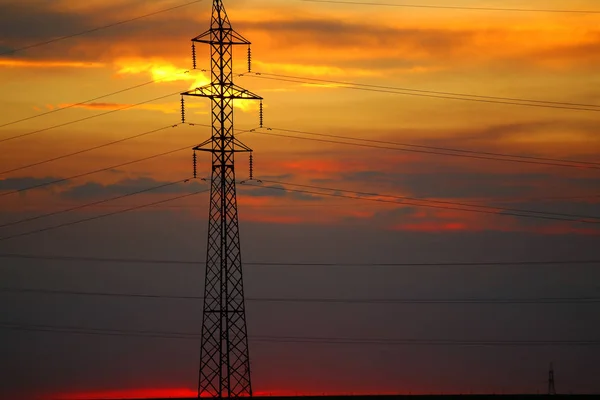
Critical systems are adapting to survive space weather. Power utilities are hardening their grids against such electromagnetic interference by replacing wooden poles with steel, raising substations, and burying cables underground. Microgrids and battery storage allow flexible, localized power when the larger grid is down. The makers of aircraft, including Airbus, have issued software patches to guard against solar storms corrupting the data on flight control systems. These measures can limit the danger of downtime and reduce the impacts on critical services during geomagnetic disturbances.
7. Operational Intelligence to Enable Rapid Response
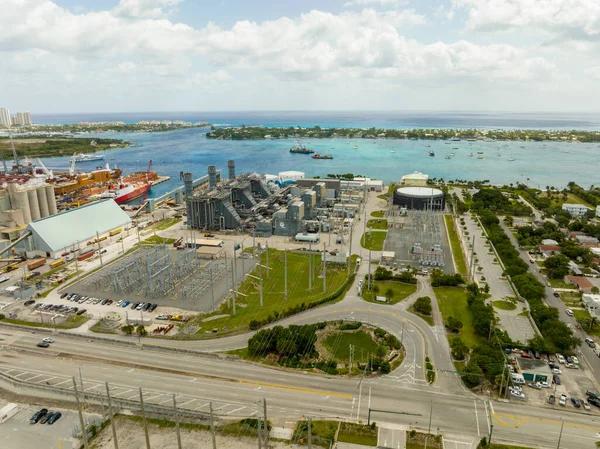
But beyond mere hardening, smart operations are becoming a cornerstone to resilience. Dynamic voltage regulation, automated load balancing, and real-time switching allow utilities to reroute power around faults in real time. Utilities such as Florida Power & Light and Green Mountain Power have shown that pairing hardened infrastructure with smart systems can drastically cut restoration times after storms-terrestrial or solar-driven.
8. Aurora Opportunities
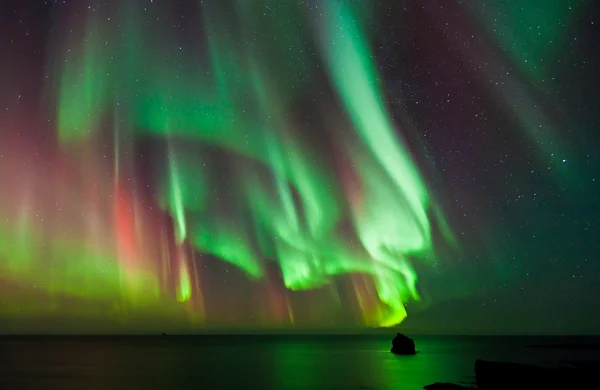
One of the most visible effects for the public when it comes to geomagnetic storms: the aurora borealis. A G3 storm can push those shimmering lights far to the south, perhaps into states such as Oregon, Illinois, and even into the lower Midwest. Elevated solar activity through 2026 means more frequent opportunities to witness these displays.
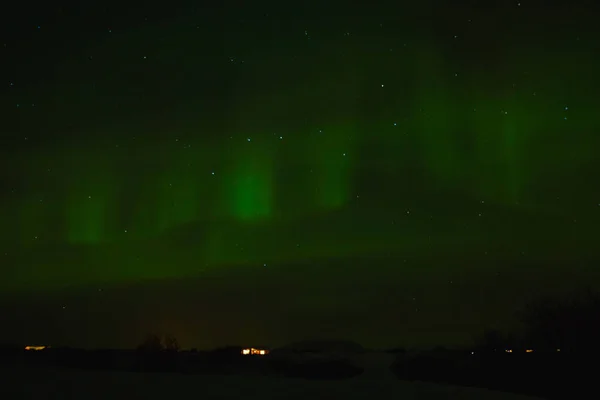
NOAA’s aurora forecasts provide guidance on visibility zones during ongoing events. Though Tuesday’s storm is not expected to reach the level of fury of historic G5 events, its arrival is a good reminder of how the Sun affects Earth’s technologies and beauty. It takes monitoring systems, resilient infrastructure, and operational intelligence to best manage such natural events-so the impact will be manageable while the spectacle in the night sky is awe-inspiring.

