
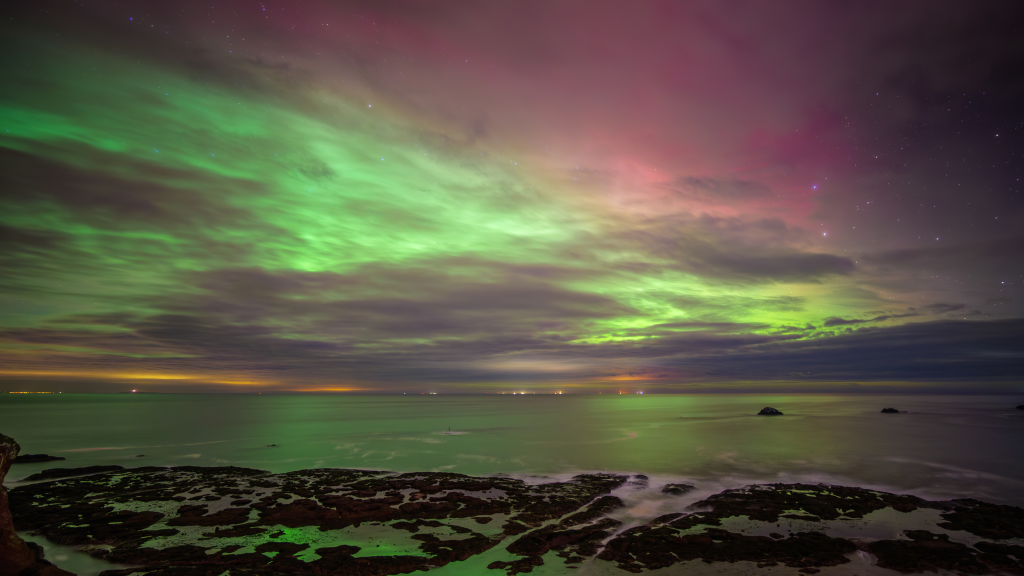
The sky is preparing a rare spectacle tonight a shimmering dance of green, red, and violet light across parts of the northern United States. For nature lovers, amateur astronomers, and travel photographers, this is more than a visual treat; it’s a fleeting alignment of cosmic forces that won’t last long. The National Oceanic and Atmospheric Administration (NOAA) has forecast a minor geomagnetic storm, nudging the aurora borealis further south than usual.
This surge in visibility is part of a broader story. We are in the midst of the Sun’s most active phase in its 11-year cycle, a period known as solar maximum. Charged particles from recent solar eruptions are colliding with Earth’s magnetic field, creating luminous arcs and curtains in the night sky. With the right timing, location, and preparation, observers in select states could witness one of nature’s most captivating phenomena.
1. Tonight’s Aurora Forecast
NOAA has issued a Kp index of four for the night, indicating active auroral conditions. The viewing line dips unusually far south, reaching close to the Minnesota Iowa border. While the spectacle will intensify in northern latitudes, even regions just south of the usual auroral zone may catch a glimpse. Tuesday’s forecast is less promising, with the Kp index dropping to three, so tonight offers the best opportunity.
2. States in the Viewing Zone
According to NOAA’s projection, the aurora may be visible in Alaska, northern Washington, northern Idaho, most of Montana, North Dakota, northern South Dakota, most of Minnesota, northern Wisconsin, Michigan’s Upper Peninsula, northern Lower Peninsula, and northern Maine. The farther north within these states, the greater the chances of seeing vivid colors and dynamic movement.

3. The Science Behind the Glow
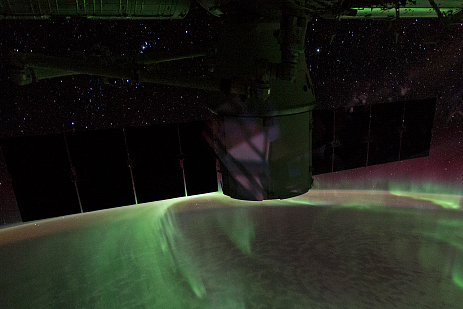
Auroras occur when energized particles from the Sun collide with gases in Earth’s upper atmosphere. Oxygen emits green and red light, while nitrogen produces blue and purple hues. These interactions are triggered by solar flares and coronal mass ejections (CMEs), which can hurl plasma clouds toward Earth at millions of miles per hour. During heightened solar activity, the auroral oval expands, making the lights visible far beyond the Arctic Circle.
4. Solar Maximum’s Role
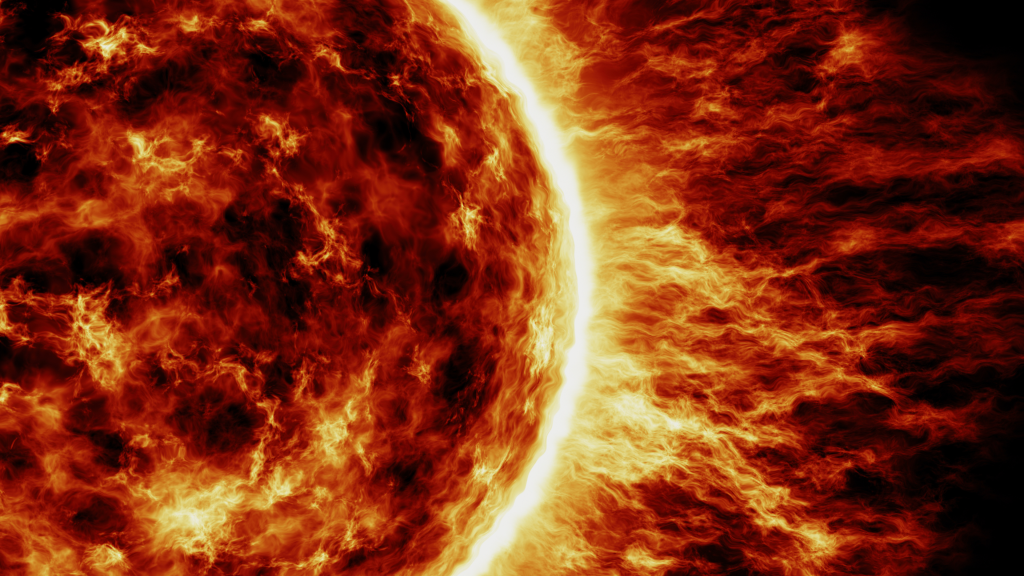
We are currently in the peak of Solar Cycle 25, a phase marked by frequent sunspots and solar eruptions. As NASA’s Jamie Favors explains, “During solar maximum, the number of sunspots, and therefore, the amount of solar activity, increases.” This surge has already produced some of the most widespread aurora displays in decades, and tonight’s event is part of that ongoing pattern.
5. Best Viewing Conditions
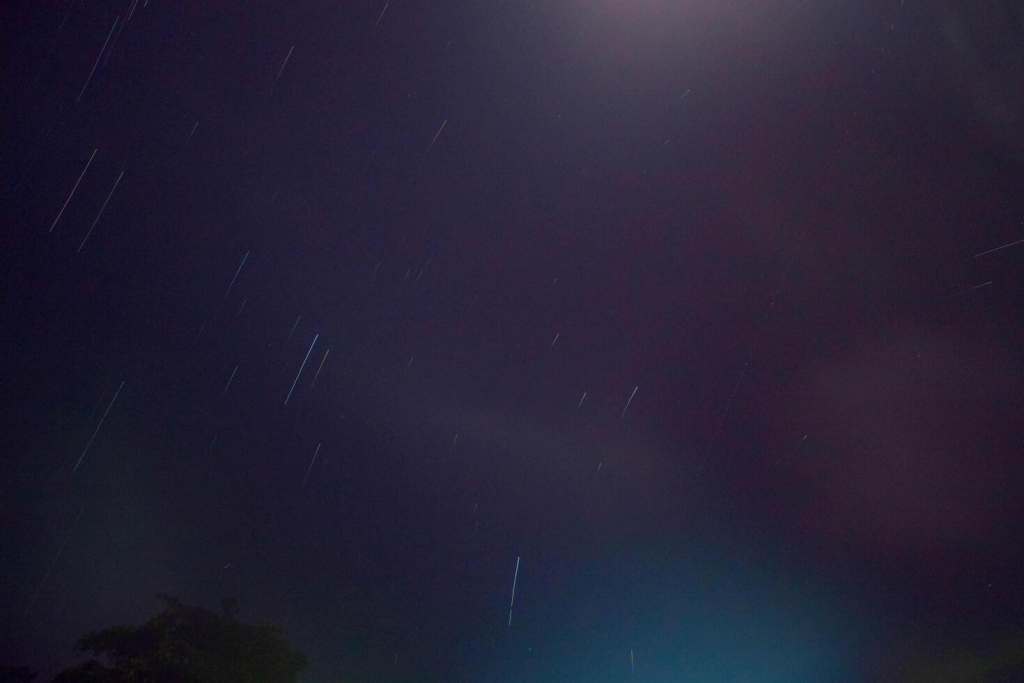
To maximize visibility, seek areas with minimal light pollution and low moonlight. High vantage points can improve the view, but the key is a clear, dark sky. The optimal window is between 10 p.m. and 2 a.m., when geomagnetic activity is strongest and the sky is darkest.

6. Essential Photography Tips
Photographers should avoid flash and use a tripod to stabilize long exposures. Wide-angle lenses with apertures between f/2.8 and f/4 are ideal. For moving auroras, keep shutter speeds between 3–15 seconds to preserve detail and color. ISO settings of 800–2000 work well, adjusted for brightness. Shooting in RAW format allows for better post-processing without losing detail.
7. Smartphone Aurora Photography
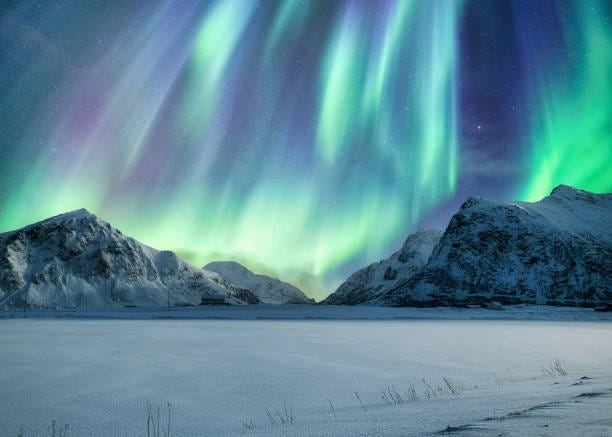
Modern smartphones can capture auroras if paired with a tripod. Use Night Mode or manual settings to increase ISO and extend exposure times to 10–20 seconds. Tap to focus on a distant light source to set infinity focus. While results may not match professional cameras, careful setup can yield striking images.
8. Why Timing Matters
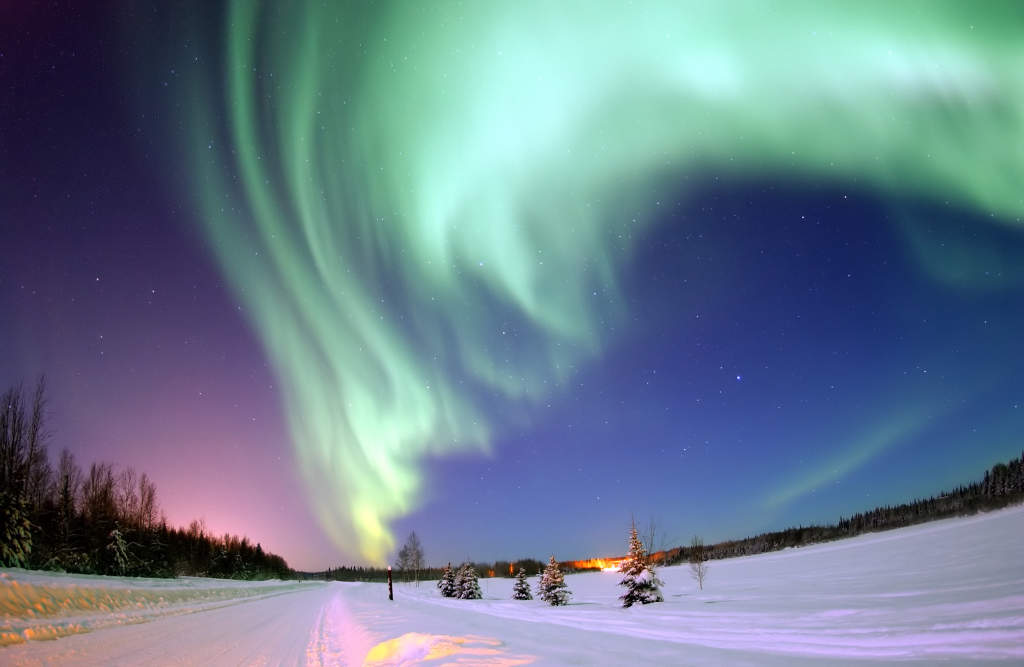
Auroras can appear suddenly and vanish within minutes. The KP index is a useful guide, but conditions change quickly. Apps like Aurora Now and My Aurora Forecast, along with NOAA’s 30-minute aurora dashboard, can provide real-time updates. Being outside and ready is crucial hesitation can mean missing the peak display.
9. Historic Low-Latitude Auroras
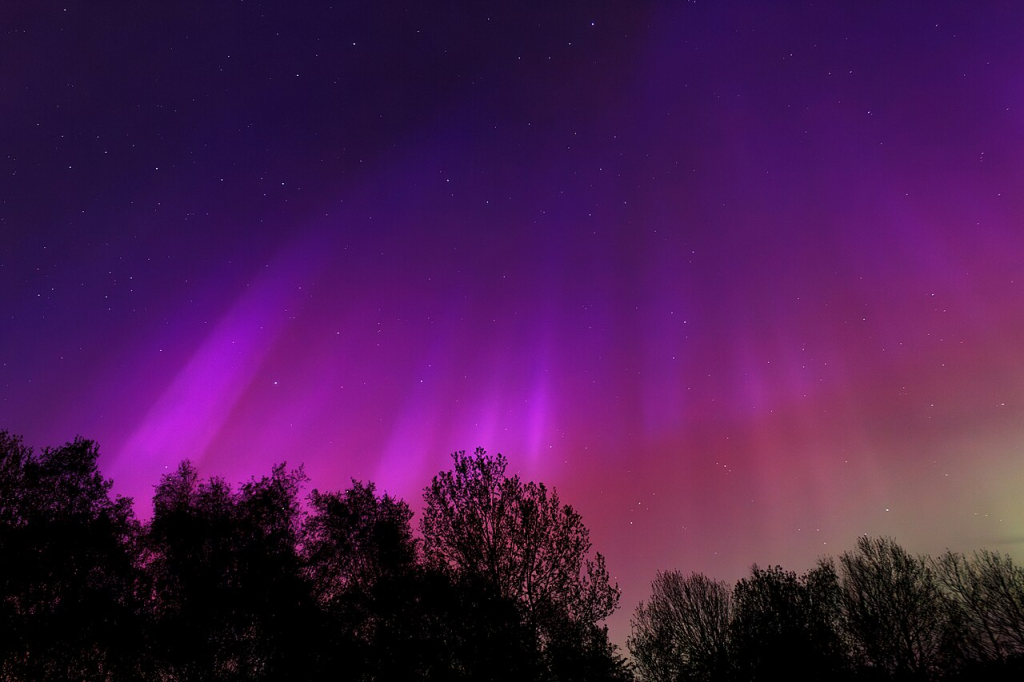
Extreme geomagnetic storms have occasionally pushed auroras far south. In May 2024, a powerful CME sparked displays as far south as Florida and northern India among the strongest in 500 years. While tonight’s event is milder, it underscores how solar activity can dramatically expand the auroral reach.
10. The Aurora Zone Connection
Even outside solar maximum, auroras are common within the ‘Aurora Zone’ between 66°N and 69°N. As northern lights photographer Markku Inkila notes, “It doesn’t matter what year it is; we see them nearly every day when it’s a clear sky.” Tonight’s southern expansion offers those outside this zone a rare chance to share in that nightly magic.
Tonight’s aurora borealis display is a convergence of solar science and natural beauty, offering a rare opportunity for observers in northern U.S. states. With clear skies, dark surroundings, and a bit of patience, the spectacle can be both seen and captured. Whether through the lens of a camera or the naked eye, this fleeting event is a reminder of our planet’s connection to the rhythms of the Sun and the luminous wonders they create.

