
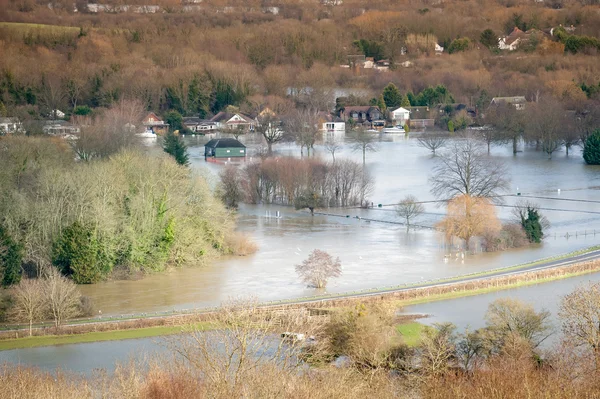
Rarely does nature combine so many hazards into one event, but as the Weather Prediction Center warned, “A dangerous scenario is unfolding, with widespread and significant impacts from flash flooding and debris flows expected.” This potent atmospheric river storm has hammered California with a cascade of threats-flooding rains, debris flows, mountain snow, severe thunderstorms, and damaging winds-affecting millions across the state and prompting urgent evacuations.

1. Unprecedented Flood Risk for Millions
More than 7 million people in parts of Los Angeles, San Bernardino, Ventura and Santa Barbara counties started their day Wednesday under a very rare high-risk flood warning. High risks are issued on under 4 percent of days each year and account for over 80 percent of flood-related damage and over a third of all flood-related deaths. Any rain falling at rates of over an inch per hour would be ample to trigger dangerous flash flooding, particularly given the burn scars from January’s Eaton and Palisades fires. That scorched slopes repel water, and any downpours turn to torrents of mud and debris.
2. Roads Washed Out, Travel Paralyzed
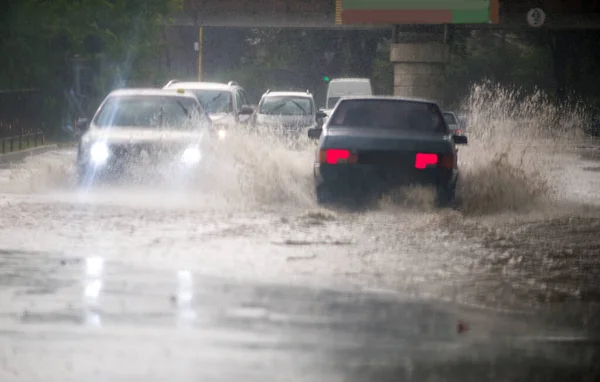
Authorities reported “heavy rain, rockslides, mudslides, and washed out roadways” in northwest Los Angeles and northeast Ventura counties. Interstate 15 near Cajon Junction was shut down by debris flows, while flooding closed parts of Interstate 5 in Los Angeles County. In Wrightwood, Highway 2 has become impassable, and shelter-in-place orders have been issued as crews have struggled to rescue stranded residents. In the Sierra Nevada, chain controls are in effect on Interstate 80, with snowfall surpassing 30 inches in some ski areas – mountain travel was dangerous or impossible, said the NWS.
3. Deadly and Destructive Impacts
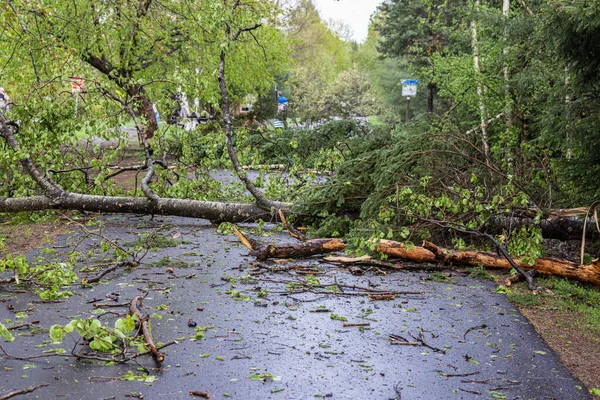
The storm has already been responsible for several deaths. A motorist in South Sacramento lost control on a wet roadway and struck a power pole. In San Diego, high winds knocked a tree branch down onto a man, who was killed. A 74-year-old man drowned in Redding earlier in the week when his truck was trapped on a flooded road. Such tragedies underpin the urgency of warnings from officials: avoid unnecessary travel and adhere to any evacuation orders.
4. Burn Scars: Floods on Steroids
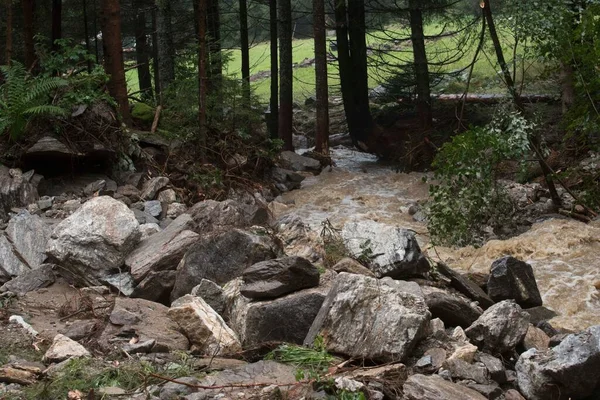
The most feared possible outcomes of this storm are debris flows in burn scar zones. The US Geological Service called them “a flood on steroids,” with the force to carry car-sized boulders at speeds faster than a person can run. Steep mountain fronts and dense population close to vulnerable slopes raise the risk further in Southern California. Though debris basins offer some protection, they do not remove danger. Evacuations have been ordered for residents near drainages in burn areas well ahead of time before intense rainfall is expected.
5. Power Outages, Infrastructure Strain
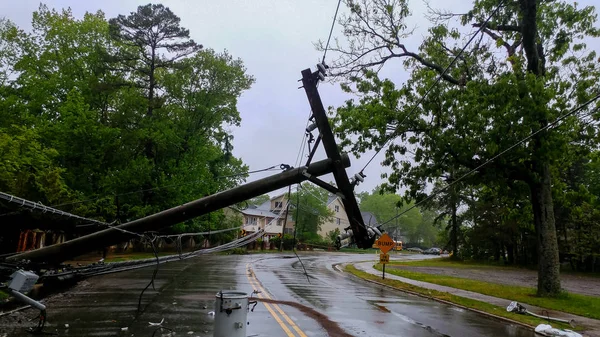
Strong winds have deprived more than 110,000 homes and businesses statewide of electricity. In the hills of Northern California, wind gusts reached 108 mph, while topping 90 mph over the San Gabriel Mountains. Utilities have mobilized thousands of workers to restore service, though repairs remain hazardous with fallen trees, landslides, and flooded roads. Inhabitants are recommended to get ready for emergency kits, including flashlights, backup chargers, and fresh water, in addition to avoiding downed power lines.

6. Preparing for Atmospheric River Storms
Safety during such events begins with being informed. Download the Caltrans’ QuickMap app to track road closures. Sign up for CalAlerts to get timely evacuation notices. Secure property against wind and water, experts note, and have essentials on hand. Have a plan for how to rapidly move to higher ground. During heavy snow and high winds, avoid backcountry travel, take warnings from the Sierra Avalanche Center warned.

7. Coping with Disaster Anxiety
The psychological impact from multi-day severe weather events can be extreme. Mental health experts recommend setting limits on how much disturbing news is watched, while remaining informed from trusted sources. Routines should be maintained, along with positive support from friends and family. Also, grounding techniques like deep breathing can lower anxiety. Knowing that being prepared can be empowering can help shift the focus away from fear and into positive safety.
8. Ongoing Storm’s Threat
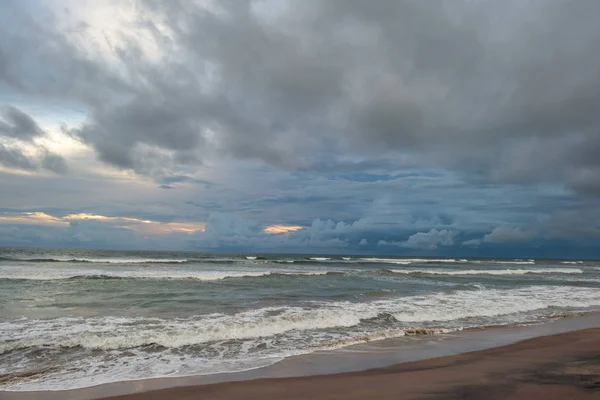
Another atmospheric river is due to arrive on Christmas Day, continuing a Level 3 of 4 flood risk for over 12 million people. Coastal and valley locations could add another 4 to 7 inches of rain by week’s end, while the foothills and mountains could pick up as many as 14 inches. For Los Angeles, that is up to half a year’s worth of rainfall in a single seven-day period. Damaging thunderstorms remain possible along the coast, where damaging winds or brief tornadoes could add to the hazards.

Officials stress that while some relief may come over the weekend, the immediate priority is survival and safety. Listening to evacuation orders, avoiding flooded roads, and staying off mountain passes during peak snow are essential steps. “We want everyone to stay at home, stay safe and don’t get yourself into any trouble unnecessarily,” said Lisa Phillips with the National Weather Service.

