

Could the sugar content in a favorite diet soda be secretly driving the heart and the brain? Amazing research has recently surfaced, implying that Aspartame, a sugar substitute that is commonly consumed, has a significantly wider range of impacts than previously assumed. While many people have resorted to sugar substitutes in the hopes of controlling their weight or blood sugar levels, recent research paints a much more interesting picture.

Aspartame has been marketed for many years as a healthy replacement for sugar in a variety of products, ranging from chewing gum to yogurt. However, current studies that have included a full year of animal trials along with findings gathered for thousands of human subjects call into question possible links between its use and alterations in organ and brain function.
This listicle breaks down seven of the most interesting and alarming takeaways of late research regarding aspartame, getting into just how it may affect the body in ways that the vast majority of people would not and should not have expected.
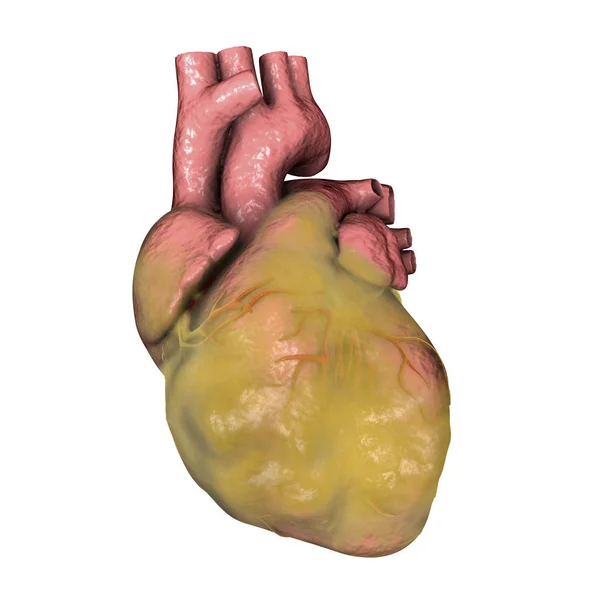
1. Low Doses Can Still Affect Heart Structure
In one-year experiments conducted on mice at CIC biomaGUNE in Spain, it was found that mice administered aspartame at one-sixteenth of the proposed maximum human intake developed heart hypertrophy. Heart hypertrophy can be referred to as the abnormal thickening of heart muscles. This could hamper blood ejection from the heart without any signs. The intake level of aspartame at which health issues were noticed among mice further supports reevaluating maximum intake amounts. This amount should be less than the proposed maximum amount of intake from the World Health Organization that is 50 mg/kg of body weight.

2. Cognitive Performance Will Decrease as Time Passes
The above trial involving mice exposed to Aspartame for a longer period also showed that its consumption influenced a reduction in spatial recognition, memory, and problem-solving ability. During an assessment of Barnes Maze Test performance, an observation was made that performance disparities widened with each year of age, and for some of the mice, they were unable to solve tasks. Consistent with this observation, an expression of faster decline for frequent consumers of low and no-calorie sweetener products under 60 years for verbal and memory tasks is expected.
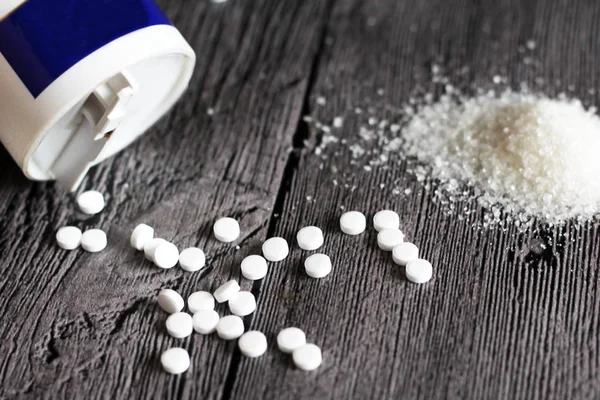
3. Energy Metabolism in the Brain: A Toxic Change
Further study revealed that there was a tremendous increase in glucose uptake by as much as twice that of normal mice after two months due to aspartame. However, upon reaching the 10th month, there was a 50% decrease in glucose utilization by aspartame-treated mice. Since glucose is known to stimulate nerve functions, it is likely that there is damage to metabolic pathways related to learning and memory.

4. Lactic Acid Accumulation Can Impede Neuron Operation
The magnetic resonance spectroscopy imaging showed an increase of lactate by 2.5 times in the cortex of mice exposed to aspartame treatment compared to the control group within eight months. The high concentration of lactate affects the functioning of the lactate shuttle mechanism between astrocytes and neuronal cells. The difference in energy output may cause the brain to switch to the “emergency mode,” thereby resulting in less efficient neuronal connections, whose strength may further affect mental endurance.

5. Fat Burning is Associated with Specific Metabolic Changes
In Aspartame-fed mice, the body showed a decrease of 20% in its total fat content; however, this reduced fat had no effect on metabolic efficiency. Rather, it started to store around vital organs, symbolizing that there was less muscle tissue present. This can prove disastrous for metabolic and cardiac functions and can be detrimental to weight loss by Aspartame.

6. Possible Cancer Link Generates Further Concerns
The classification, according to the IARC in 2023, considered aspartame to be “possibly carcinogenic to humans” (Group 2B) based upon inadequate evidence for cancer of the liver. With regard to acceptable daily intake, while the joint expert committee decision considered that it was unchanged, both sides agreed that further adequate long-term studies were needed to clarify the possible risk to cancer.

7. General Risks Associated with Sweeteners Reveal Vascular
But risks do not merely lie on aspartame. Research about another artificial sweetener substitute has revealed correlations with heart attack and stroke cases. The data has been related to increased blood clotting. It has been revealed that overall artificial sweetener consumption has been underrated on cardiovascular health. The ancient general perception about artificial sweeteners has been contradicted by emerging evidence on aspartame.

The starting point from minute changes occurring in the human heart’s myocard to human neurological changes appears to pose immense complexity in artificial chemical composition. For health-aware people, judicious eating and waiting for science to reveal its next truths appears absolutely indispensable.

