
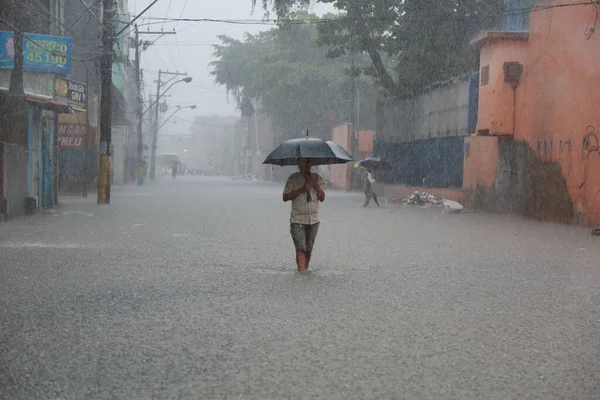
Unfortunately, this is one such reality that is hard to swallow: in 2025, thousands of lives were taken across continents by extreme weather incidents, where floods and storms had become even more adverse and unexpected than ever before. In South and Southeast Asia alone, “back-to-back” cyclones and monsoon floods resulted in the deaths of more than 1,700 people, while “atmospheric rivers” dropped heavy rains on California, resulting in deadly mudslides.
These disasters aren’t isolated incidents but are becoming a trend in which climate change, environmental degradation, and lack of preparedness are meeting in a dangerous way. Take, for instance, deforestation in Sumatra, whereas there are advances in using artificial intelligence in predicting hurricanes. Each case shows a piece of humanity coping-or failing to cope-with threats. Here are ten lessons in this year’s flooding and storms.
1. California’s Atmospheric Rivers Turn Deadly
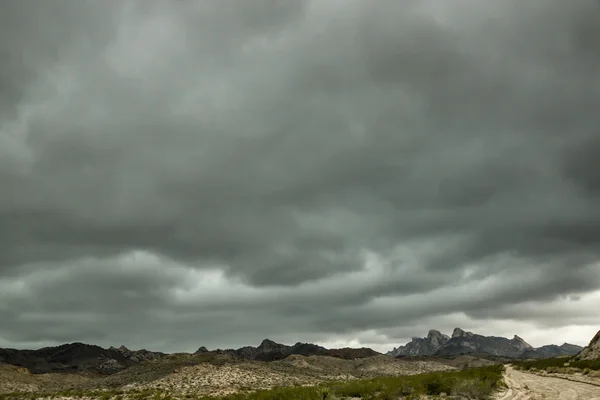
Christmas storms in Southern California brought more than 11 inches to parts of Los Angeles County, flooding neighborhoods, triggering debris flows, and killing at least three people. Heavy rain made burn areas from previous fires even more vulnerable since denuded slopes prevented water from soaking in. California Governor Gavin Newsom declared a state of emergency, while evacuation orders rolled through San Bernardino County. Christmas storms in California highlighted even more deadly atmospheric rivers of tropical water vapor forming in climate change conditions.
2. Water Supply Crisis Due to Hurricane Melissa, Jamaica and the Issue of Climate Justice
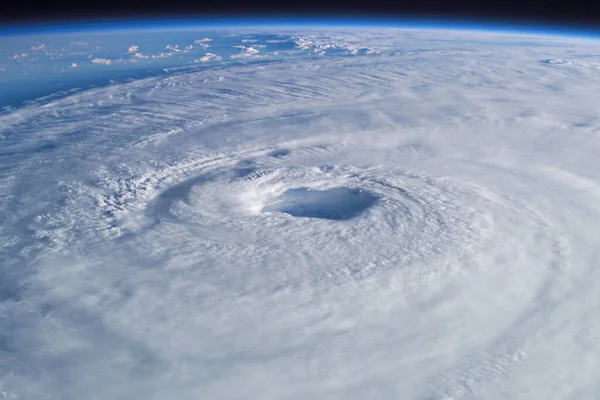
Hurricane Melissa was a category 5 hurricane hit the island of Jamaica and left “900,000 people affected and 150,000 homes damaged.” MPs in the UK and Green parties referenced the UK’s historical connection with the region and the importance of providing visas and more aid. Green parties associated the issue with the legacy of the slave system and climate change. Jamaica was dealing with the consequences of a leptospirosis outbreak that proved deadly for many people. Costs were estimated at US$8bn or £6bn.
3. Unprecedented Cluster of Storms Smacks Asia
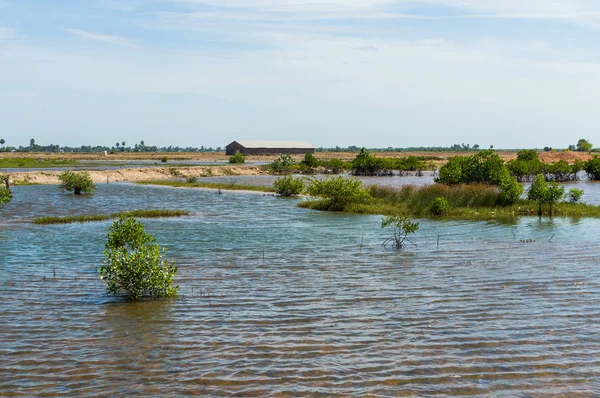
Climatologist Fredolin Tangang described the late-November formation of three tropical storms, Cyclone Ditwah, Typhoon Koto, and Tropical Storm Senyar, as “like a monster.” These hit land in some rather unusual areas, impacting near-equator regions and Sri Lanka’s less frequently battered coasts. Areas experiencing saturated conditions received heavy rainfall. La Niña conditions and an Indian Ocean Dipole led to extreme rainfall; unfavorable terrain made things much worse. This string of disasters resulted in over 1,700 deaths and left millions displaced.

4. Sumatra Islands Floods
In North Sumatra, “extreme rainfall events were compounded by several decades of massive scale deforestation and mining, degrading the soil’s sponge-like ability to hold rainwater.” Satellite imagery showed 1,550 hectares of lost forest in the Batang Toru watershed. Meanwhile, in Padang City, upstream deforestation had disrupted the “water cycle, leading the rivers to become muddy torrent rivers.” Eco-system-based adaptation to Climate Change initiatives recommend integrating environmental measures with flood protection measures against any flood events in the future.
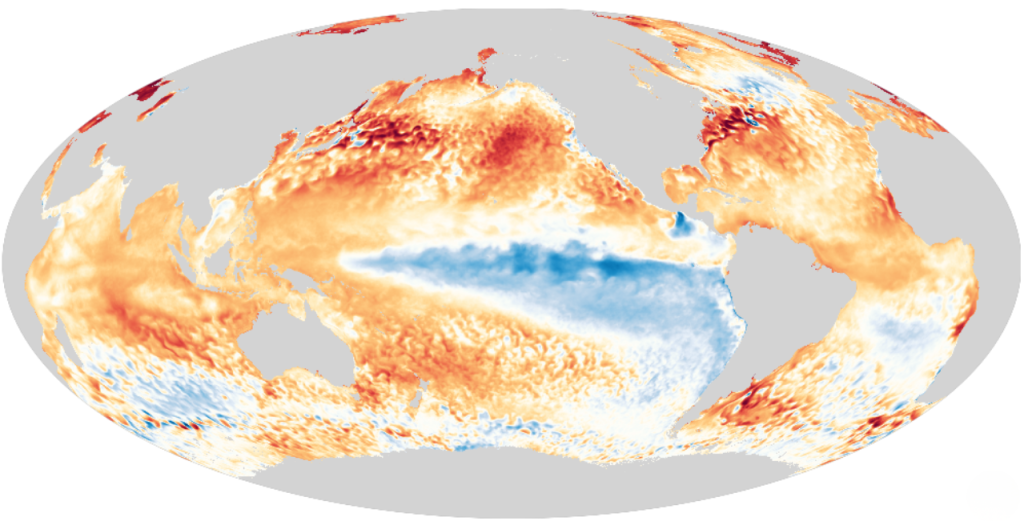
5. La Niña’s Fifth Occurrence in Six Years
The continuous La Niña event, already the fifth in the past six years, is making storms and flooding stronger around the tropical Pacific. “It’s almost like the conductor of this weather symphony, and it prefers certain ways that the weather systems move,” forecaster Michelle L’Heureux compared. Contributing to both droughts and heavy rains, La Niña has been among the contributing factors from the California fires to floodings in Southeast Asia. Research also continues on whether climate change is impacting the bias toward La Niñas.
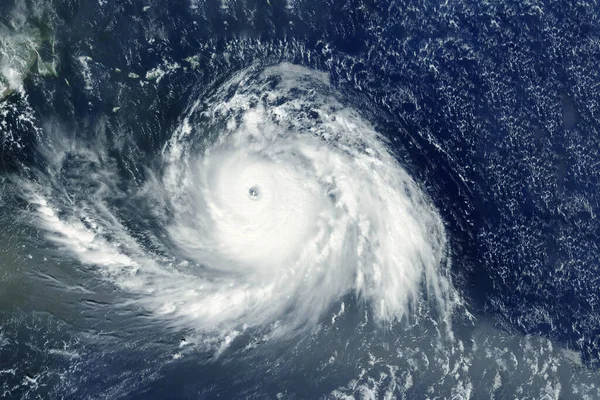
6. AI Achievements in Forecasting Hurricanes
The 2025 Atlantic hurricane season saw the National Hurricane Center make use of Google DeepMind’s AI ensemble in the prediction for the rapid intensification of Hurricane Melissa three days prior to landfall. It was the first time a storm had been predicted going from a Category 1 to a Category 5 storm at the time of its formation. It remains necessary to make use of traditional physics models, but the usage of AI is helping with intensity prediction.
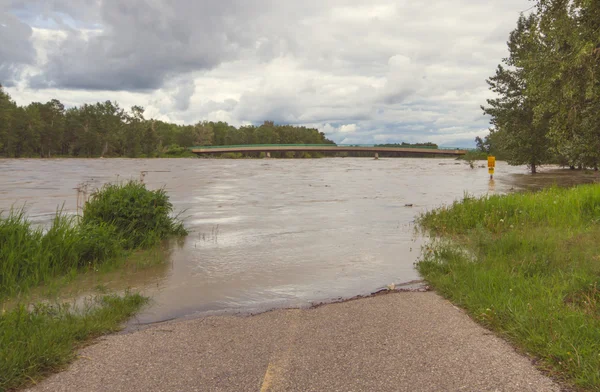
7. Flood-related Public Health Crises
Floodwater is full of untreated sewage, toxic substances, and bacteria that create gastrointestinal ailments, skin conditions, and lung diseases. In a Jamaican outbreak after the event known as Melissa, floods spread the leptospirosis disease. Around the world, the resulting pools of floodwater give mosquitoes that carry dengue fever a place to breed; that fever killed almost 200 people in Bangladesh in 2020. The psychological impact on minds is pretty alarming too. Survivors in the UK are 8.7 times more prone to psychological distress.
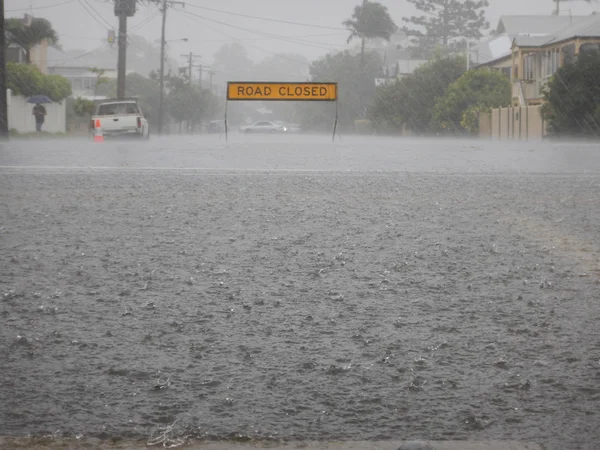
8. Economic Cost of Flooding
Flooding alone is costing the United States’ economy in the range of $179.8 billion to $496 billion annually. In the Southeast Asia region, the November floods are estimated to cost US$10bn. However, with climate change and intensification that makes such a scale and intensity of events so common and more costly, Thailand’s flooding in the year 2011 remains the most expensive flood incident of all times. The damage costs US$45bn.
9. Differences in Impact on Fragile Soci
The reason for that is that flood damage has a ripple effect on low-income communities, African American communities, Latino communities, Native American communities, and other communities of need. Chicago contains 87% of the 225,000 urban flood insurance claims in communities of color. These communities take longer to bounce back. It also affects their equality of income due to accumulation of debts, lower credit scores, or even bankruptcy.
10. Nature-Based Solutions Offer Hope
Coastal wetlands, mangroves, and restored dunes can accommodate excess water, thereby serving as a flood protection system with economic values as well as eco-friendly values. Where Hurricane Sandy made a landfall, coastal wetlands averted damage valued at $625 million. Researchers demonstrate that for each $1 used for coastal wetland restoration, there would be a direct flood benefit of $7. While the devastating floods and storms of 2025 have shown us many things, one thing has been reinforced climate change is here to stay, at least in the sense that it is no longer a looming problem to be confronted in the future but rather a rapidly emerging challenge to be faced in the present.
The solution to climate change, to climate change-induced warming, calls for a dual approach reducing emissions to slow warming, while also preparing communities to withstand warming’s impacts. The solutions to climate change, to climate change-induced warming, already exist. These solutions range from the use of artificial intelligence, which can predict climate change, to the use of nature itself in defense against climate change, and to ensuring that aid due to those preliminarily harmed is fair to those who have already been harmed.

