
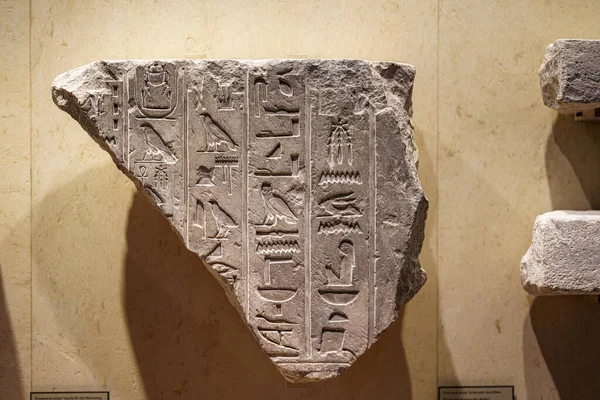
“Absence of evidence is not evidence of absence,” the saying that so often surfaces in debate about the Exodus and the Bible, has been rendered pertinent in a new way. It was long a part of skeptical argument about the Exodus to claim that no concrete evidence had been found to prove its historicity, evidence that might have been expected to emerge if the Exodus had occurred.
“There are inscriptions and bits of poetry scattered all over the Middle East which paint a picture of political turmoil, cultural interaction, and theological shift.” These hints taken from the Egyptian archives and from Israelite lore the authors assert, do not “prove” the Exodus in a courtroom kind of way but “offer historical settings in which such a drama could very well have taken place.” Here are nine of the most suggestive “clues” that shed light on the meeting ground between Scripture and archaeology:
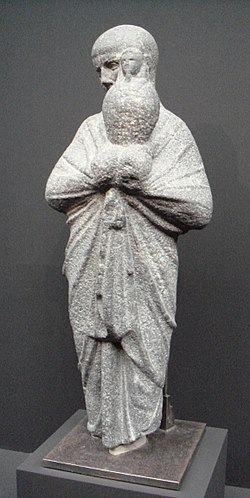
1. The Story of Osarseph by Manetho: Its Biblical Significance
Egyptian historian Manetho, as recorded in the works of Josephus, speaks of a revolt led by a priest named Osarseph, renamed Moses, against the Pharaoh of Egypt named Amenophis. These persons, called lepers, joined the Hyksos from Canaan, polluted the temples, and went against the traditions of Egyptian worship. Thomas Römer pointed out how the Pharaoh in the book of Exodos in Ex. 1:10 feared an internal enemy joining forces against him, just as in Manetho’s account, almost word for word.
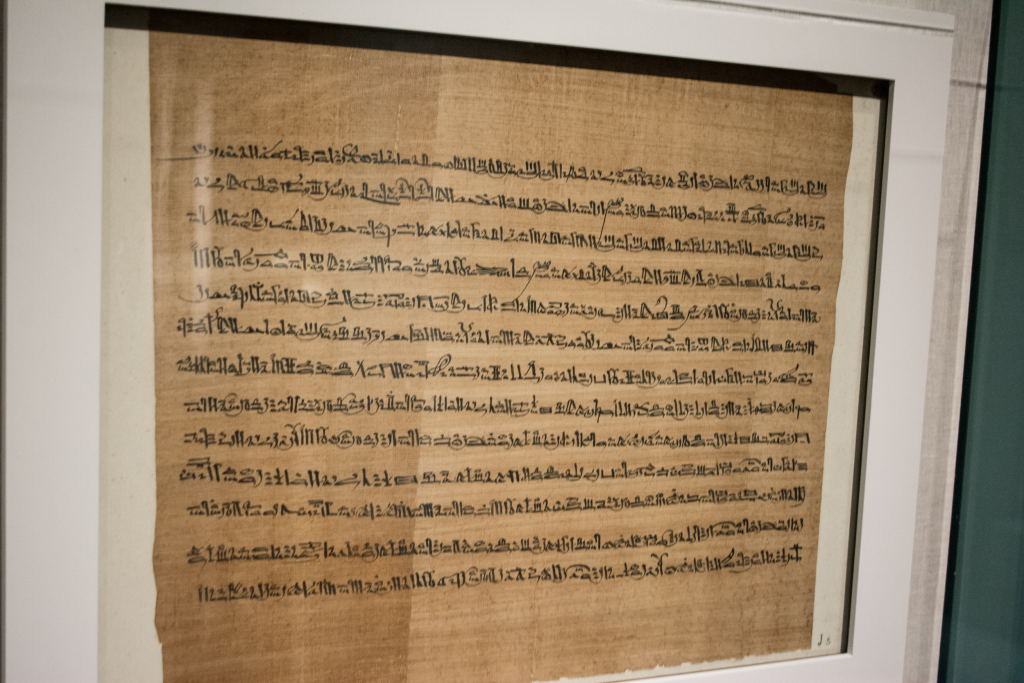
2. The Great Harris Papyrus & the Self-Made Ruler
The Great Harris Papyrus, the largest existing papyrus, relates the disunity that occurred within Egypt following the death of Queen Tausert circa 1188 B.C.E. There was the ascension of a ruler from Canaan/Syria named ‘Haru’ and ‘Irsu,’ the levy of tribute on the land, and the cessation of cults to Egyptian gods. All was later restored by Pharaoh Setnakhte. This theme of rebellion led by foreigners but later driven out exerts a powerful appeal for the theme of deliverance found in the story of Exodus.
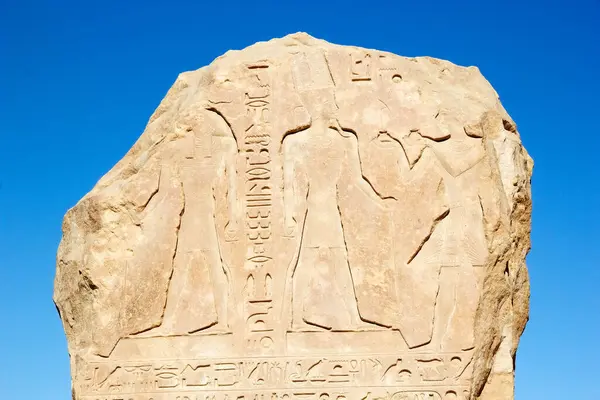
3. Elephantine Stele’s ‘Flight Like Swallows’
Setnakht’s stele from the island of Elephantine magnificently shows his enemies fleeing “like swallows before the hawk,” leaving gold and silver in exchange for Levantine mercenaries. The vision evokes the text from Exodus 12:35-36, where Egyptians give Israelites precious metals. A mix of fear, fleeing, and relinquishing wealth combines powerfully in the parallelism between both visions.
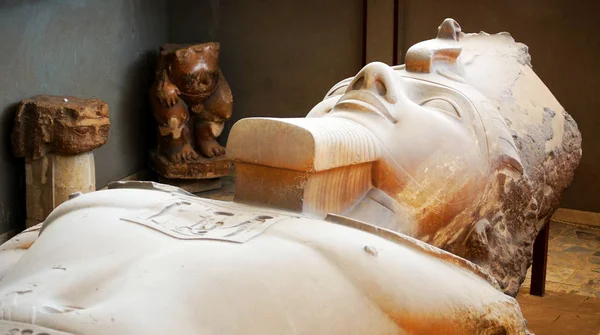
4. The Levites as the Exodus Vanguard
One scholar, Richard Elliott Friedman, suggests the Exodus may have been experienced by the Levites, and not by the population of Israel as a whole. The Levites had Egyptian names like Pinhas and Hophni, observed rituals like circumcision, and constructed the Tabernacle in a manner similar to what was used in the battle tent of the Egyptian Pharaoh Rameses II. These factors indicate a clear Egyptian background and the transmission of the tradition of the Exodus by the Levites to the Israelites.
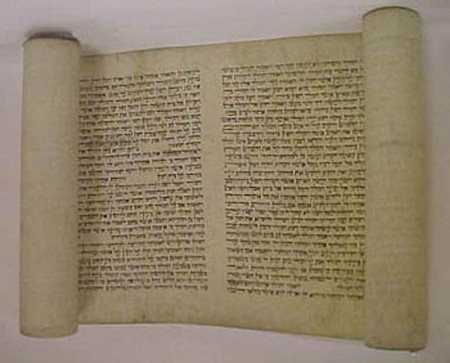
5. Ancient Songs Preserving Separate Memories
The Song of Miriam, which takes place in Egypt, praises deliverance without mentioning “Israel,” while the Song of Deborah, which was composed in the land of Canaan, fails to mention the tribe of Levi. Such differences suggest the concept of staggered entries, in which the Levites entered Egypt later than other groups, merging their stories into one.
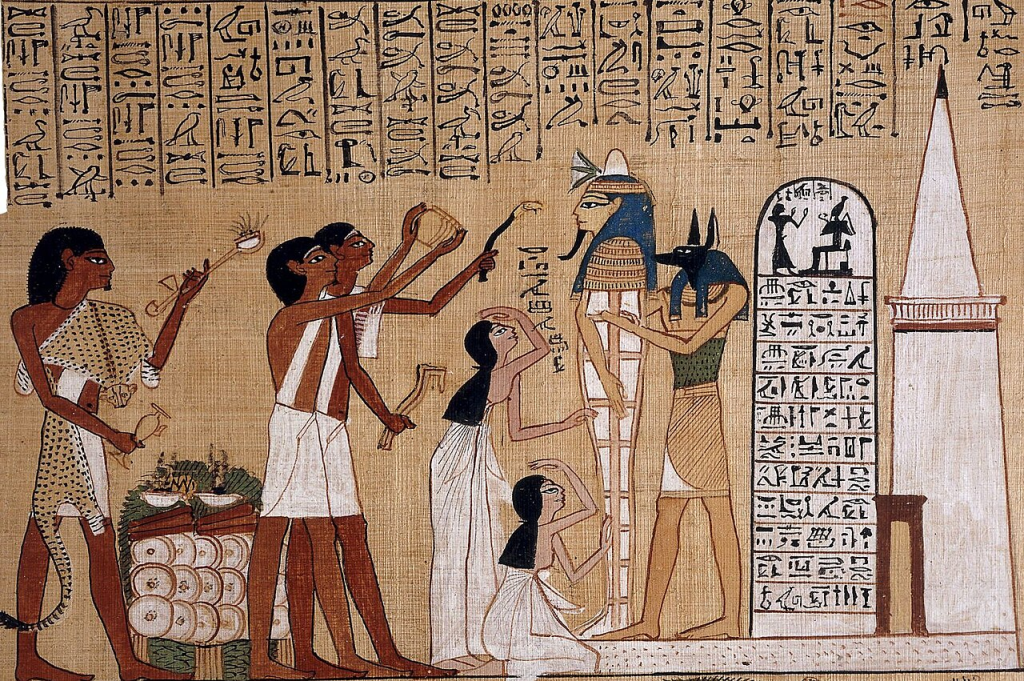
6. Egyptian Influences in Israelite Worship
Genre characteristics in Levitical texts focus on Egyptian traditions, such as circumcision, showing hospitality to foreign guests, and architecture of a tabernacle similar to Egyptian structures. In non-Levitical texts, none of these details appear. Clearly, cultural transmission suggests the only people who adopted Egyptian culture were Levites.
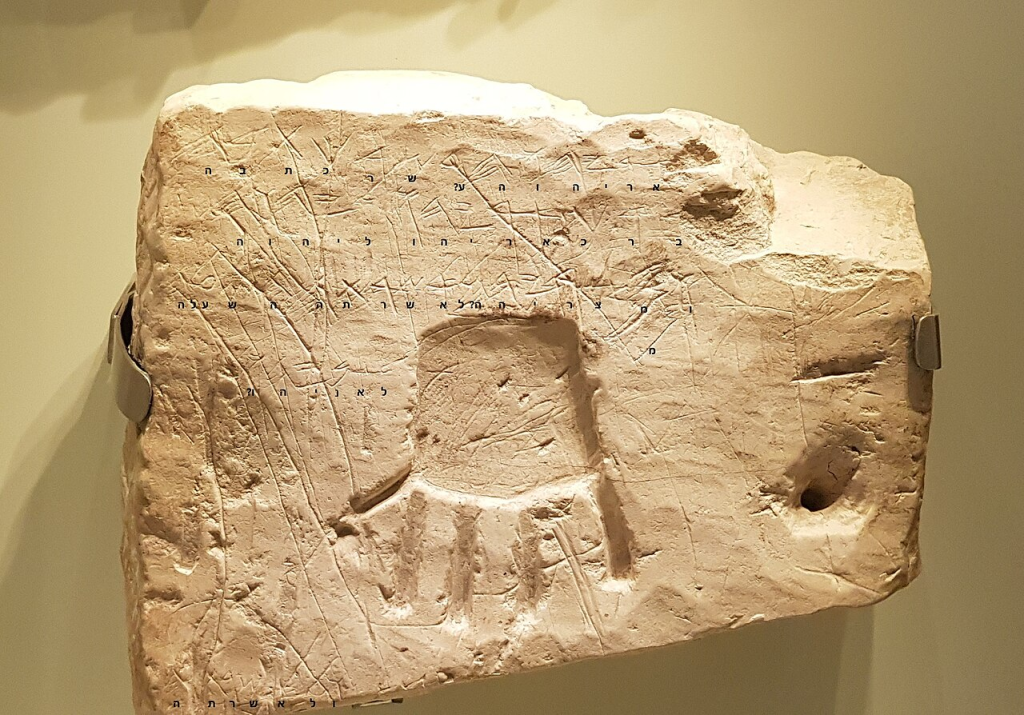
7. The Combination of El & Yahweh
As the Levites integrated among the Israelite tribes, they presented the worship of Jahweh, but the native cults worshipped El, the supreme deity among the Canaanites. The Exodus texts, authored by the Levites, namely Exodus 3:15 and 6:2-3, identified El and Jahweh, leading to Israel’s adoption of monotheism. This theological amalgamation seems to have played a crucial role in influencing the Israelites’ religious model much later.
8. Ramesside Place Names Anchoring the Narrative
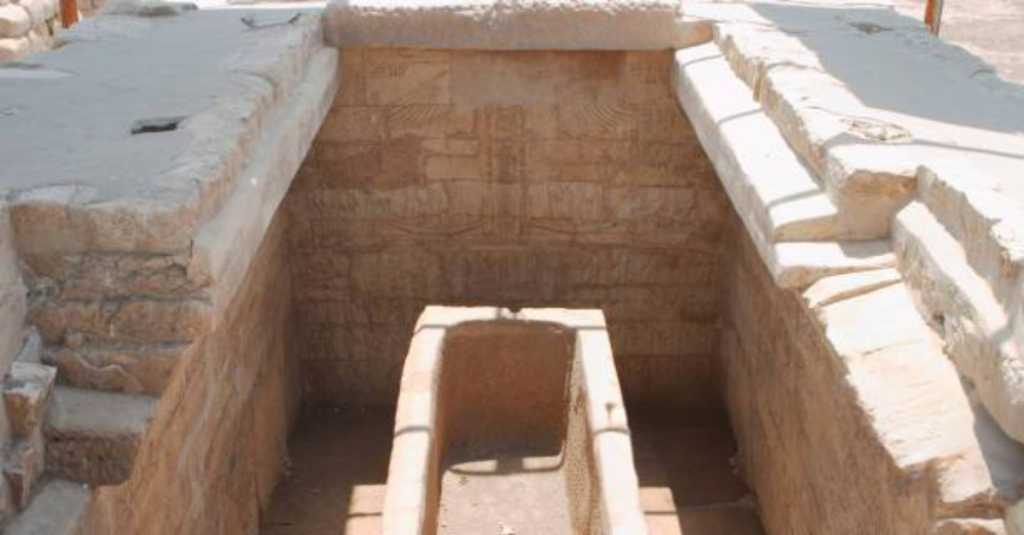
The appearance of Pithom, Ramses, and Yam Suph in Biblical accounts corresponds to the Egyptian toponyms Pi-Atum, Pi-Ramesse, and Pa-Tjuf, which occur together for the first time during the Ramesside Period (13th – 11th centuries BCE). The disappearance of all four after 1085 BCE indicates that geographical memories from that period, found in the tradition of Exodus, are securely historical, fixing the
9. Proto-Israelite Architecture in Egypt
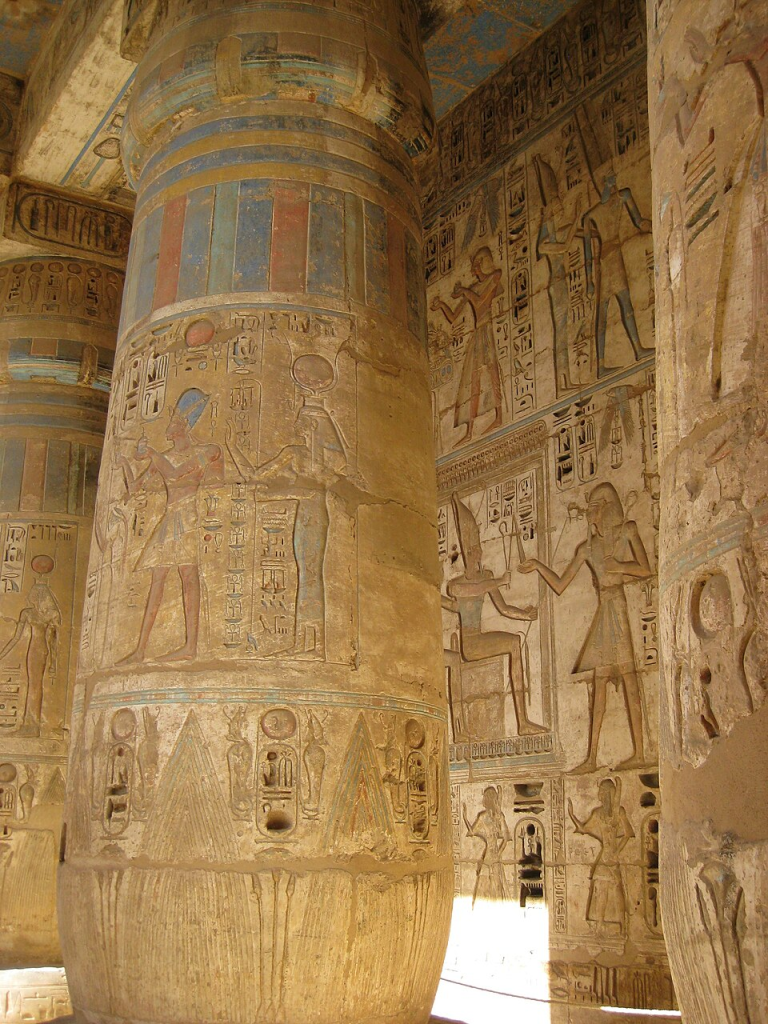
An 12th-century B.C.E. worker’s house has been discovered in the western area of Thebes that exhibited the characteristic four-room layout common in Israelite settlements during the Iron Age period of Canaan. Although the house was made of wattle and daub instead of stone, it was similar to that of the Israelites. Such a similarity of buildings often indicated that there was a proto-Israelite community residing in the land of Egypt before they settled in Canaan.
Although it is impossible to find proof of the Exodus in one artifactalone, the tapestry that interweaves Egyptian documents, the Bible itself, and archaeological discoveries is full of potentialities that allow historians to discern that what may be hidden in the religious drama is certainly the historical context of political upheavals, cultural transfers, and religious change. For those in search of integrating their belief in their findings as historians, historians find that what befell in the past is not only full of revelations in their researches but is additionally full of insights in understanding the relationship between memory in history.”

