
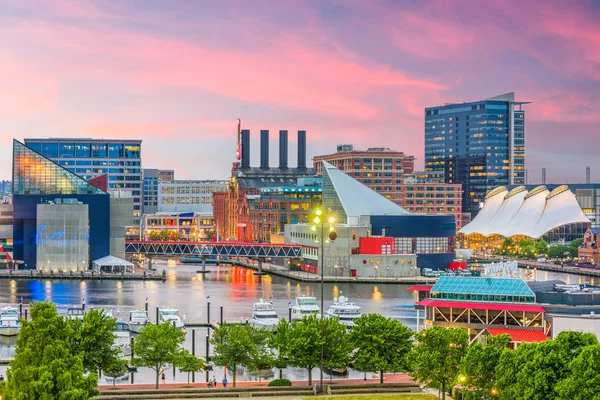
What does it mean when a few cities keep showing up at the bottom of national safety rankings, year after year? For much of 2024 and into 2025, the national crime picture has improved homicides have dropped in many large cities, aggravated assaults have eased, and public spaces feel safer. Yet, a stubborn group of urban centers continues to post numbers that alarm policymakers and distort public perception of safety across the country.
These cities are not lawless wastelands. In many cases, crime is concentrated in a handful of neighborhoods, at predictable times, and driven by recurring patterns. But the impact is magnified: headlines focus on these trouble spots, rankings place them near the bottom, and residents live with the tension between visible progress and persistent risk. This list explores ten cities whose crime trends, reputations, and responses tell a complex story about urban safety in late 2025.
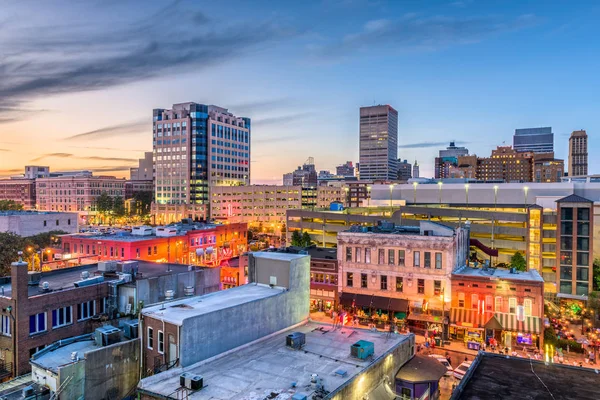
1. Memphis: High Rates Despite Targeted Policing
Memphis remains one of the most dangerous major cities in the United States, ranking just above New Orleans in WalletHub’s 2025 safety index. Aggravated assaults and firearm incidents dominate its violent crime profile, keeping per-capita risk well above national norms. The early 2020s were particularly grim, and while hotspot policing and violence-interruption programs have aligned with the broader national decline in 2025, safety can vary dramatically from block to block.
Business owners have responded with private security measures cameras, guards, and controlled access underscoring how localized risk shapes daily life. The city’s challenge lies in sustaining gains while addressing the deep-rooted drivers of violence that have kept it near the bottom of national rankings.

2. St. Louis: Small Population, Outsized Crime Impact
St. Louis’s reputation suffers from the arithmetic of per-capita crime rates. A smaller population means that concentrated violence in certain neighborhoods translates into some of the highest rates in the country. Firearms are involved in most homicides, and youth crime plays a disproportionate role.
Yet, data from the Council on Criminal Justice shows notable progress: the homicide rate in the first half of 2025 was 40% lower than in the same period before the pandemic, and robberies have dropped by 58% since 2019. Redevelopment corridors have seen fewer calls for service, proving targeted investment works but a limited number of blocks still drive the city’s national image.
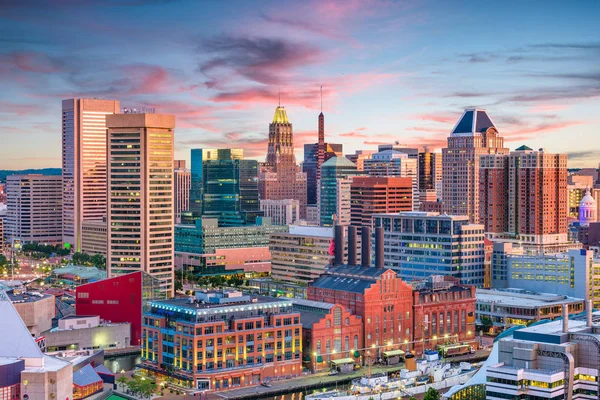
3. Baltimore: Concentrated Gun Violence and Trust Deficits
Baltimore’s image has long been shaped by gun violence, even as monthly data in 2024 and 2025 shows declines in homicides. The problem is spatially concentrated repeat locations see recurring incidents, while other areas remain relatively stable.
Clearance rates remain a sticking point, affecting public trust and deterrence. Without visible resolution of cases, communities can feel abandoned, making it harder to sustain crime reductions. The city’s challenge is to turn statistical progress into lived safety, especially in neighborhoods that have been under the microscope for years.

4. New Orleans: Volatile Trends and Tourism Tensions
New Orleans topped WalletHub’s 2025 list of least safe cities, with violent crime and traffic death rates contributing to its low score. Homicide rates swing dramatically from year to year, keeping the city near the top of national rankings. Tourist districts are heavily monitored, but residential neighborhoods especially at night face higher risks.
City data shows reported crimes down 21% from last year and 43% from two years ago, with murders down 64% from three years ago. Superintendent Anne Kirkpatrick credited precision-based strategies and federal partnerships with the ATF and Homeland Security Investigations for these gains. Still, Louisiana’s opioid prescription rate remains far above the national average, complicating the public safety picture.
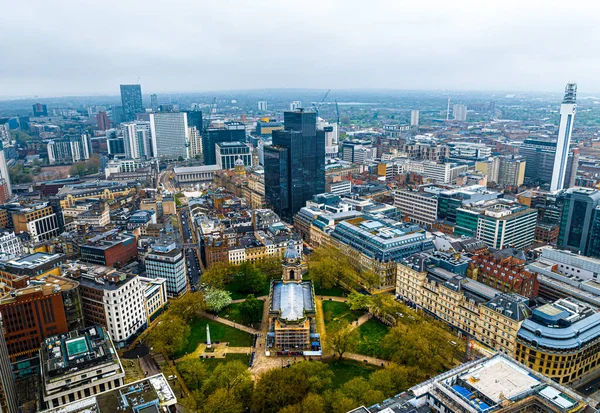
5. Birmingham: Concentrated Violence and Community Interventions
Birmingham’s violent crime is heavily concentrated in a few neighborhoods, which account for most serious assaults. Education outcomes often mirror these patterns, with dropout rates well above national levels. The financial burden of crime is steep for residents.
City leaders have invested over $2.5 million in prevention programs through 2026, funding organizations for violence interruption, hospital-based intervention, and street outreach. Councilwoman LaTonya Tate emphasized that many intervention workers are themselves survivors of gun violence, helping them build trust with victims during critical moments. The city’s nearly 45% drop in homicides from 2024 to 2025 suggests these approaches are paying off.
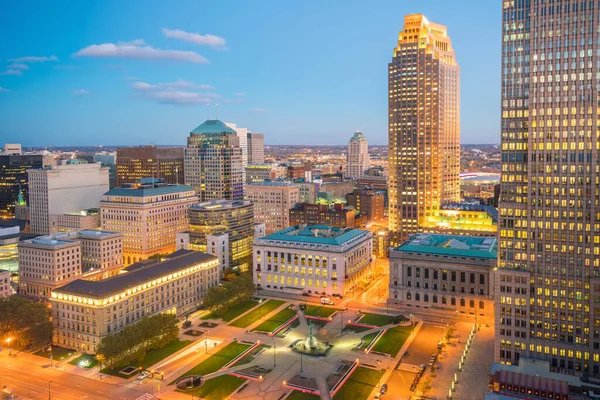
6. Cleveland: Vacancy, Blight, and Crime Hotspots
Decades of population loss have left Cleveland with large swaths of vacant homes, many overlapping with violent crime hotspots. Research from Case Western Reserve University found that concentrated vacancy correlates with elevated homicide, robbery, and aggravated assault rates.
The city has pursued practical fixes better lighting, corridor patrols, expanded camera coverage and demolished thousands of abandoned buildings. Studies of the Neighborhood Stabilization Program show that removing large clusters of vacant properties can reduce property crime in targeted neighborhoods.
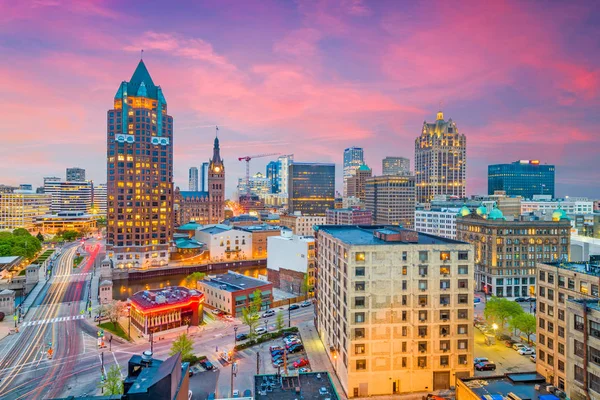
7. Milwaukee: Seasonal Crime Patterns and Youth Violence
Milwaukee’s crime rates fluctuate with the seasons, often peaking in summer. Overall rates hover around 16 serious incidents per 1,000 people, but the past two summers brought fewer homicides than expected. The city has seen declines in nonfatal shootings and robberies, yet homicides ticked up 13% in the first half of 2025.
Police Chief Jeffrey Norman notes that many killings stem from poor conflict resolution and involve youth.
Community-based efforts like the Critical Response Team and 414Life focus on mediation, retaliation prevention, and youth engagement, aiming to sustain declines beyond short-term gains.
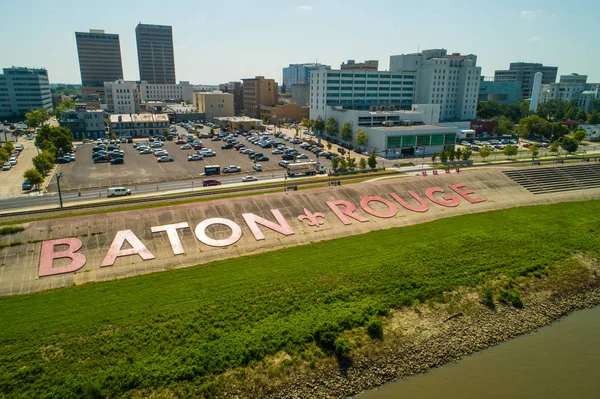
8. Baton Rouge: Persistent High Rates and Economic Strain
With fewer than 230,000 residents, Baton Rouge consistently ranks among the most dangerous U.S. cities. Firearms are involved in most killings, and economic stress plus reentry challenges contribute to a high share of violence.
Local police figures suggest the city’s homicide rate may exceed that of Shreveport, which already leads Louisiana in killings per capita. Addressing these intertwined social and economic pressures remains essential if Baton Rouge is to shed its place near the bottom of national safety rankings.

9. Little Rock: Record Highs and Recent Declines
Little Rock drew national attention in 2025 when homicides rose even as larger cities saw declines. High rental turnover in affected neighborhoods has weakened community ties, and the city’s violent crime rate rivals much larger metros.
Mayor Frank Scott Jr. recently reported a 47% drop in homicides over five years, alongside overall crime falling 27%. Investments in policing, youth programming, and community engagement including the H.O.P.E. initiative aim to sustain this momentum. Advocates argue for expanding community-based violence interventions, citing successes in cities like Baltimore and Chicago.
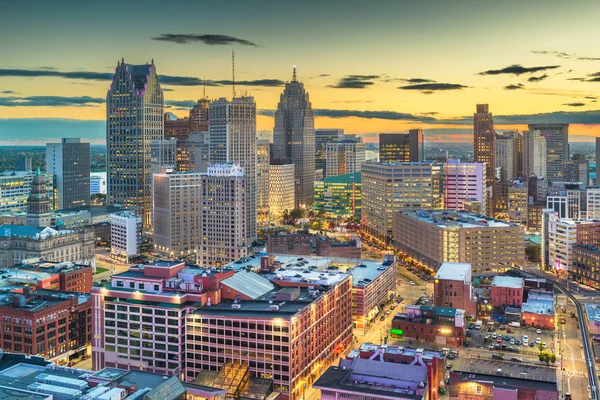
10. Detroit: Legacy of Violence and Ranking Challenges
Detroit remains in the top tier of dangerous cities, ranking fourth in WalletHub’s 2025 list. Longstanding issues with violent crime, economic instability, and infrastructure deficits keep it there, despite pockets of progress.
The city’s challenge mirrors others on this list: concentrated crime in certain neighborhoods drives national perception, making it harder to attract investment and residents even when broader statistics show improvement.
These ten cities illustrate how crime statistics can both illuminate and obscure the realities of urban safety. Concentrated violence, economic strain, and historical legacies combine to keep them at the bottom of national rankings, even as many post measurable gains. For civic leaders and residents alike, the task is twofold: sustain the strategies that work, and ensure that progress reaches the neighborhoods most in need. Only then can the national narrative shift from shaming to showcasing recovery.

