
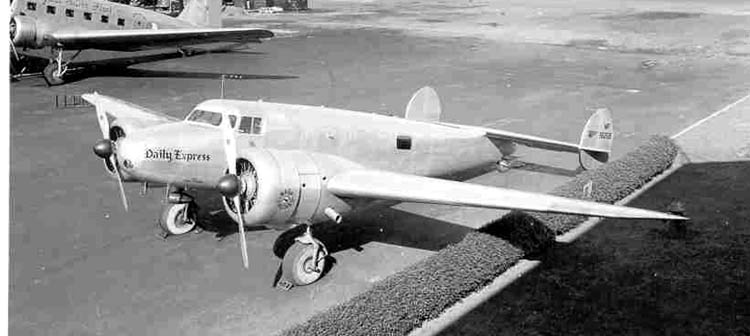
“With what we now have in the way of evidence, it would be a crime for no one to go there and look,” said archaeologist Richard Pettigrew, putting into words a sense of urgency that has overcome the researchers for decades. The disappearance of Amelia Earhart in 1937 is considered to this day one of the most tantalizing mysteries in history, a mix of aviation daring with human endurance and questions with no answers.
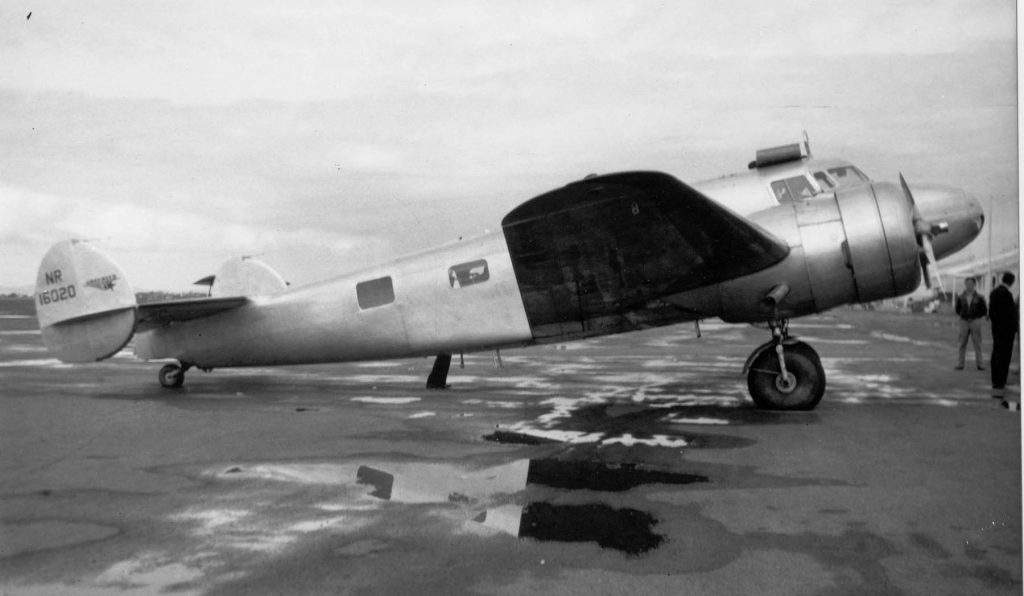
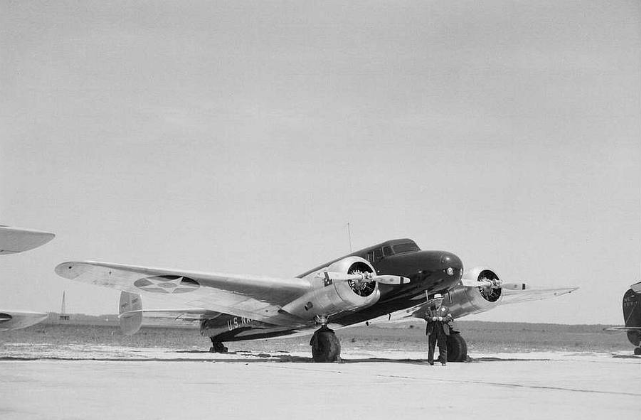
Her Lockheed Electra 10E has been chased from the darkest ocean trenches to the remotest atolls of the Pacific for almost ninety years. But in the past year, a promising lead in the shape of the so-called Taraia Object in the lagoon of Nikumaroro Island has fired up fresh hopes. This latest expedition is armed this time with modern technology and boosted historical clues as it tries to establish if this anomaly is, in fact, the wreckage which could seal the final chapter of Earhart’s story.
The following is some of the more interesting information about the search-from the roots of the find to the competing theories, forensic evidence, and technology that could finally reveal the truth.
1. The Birth of the Taraia Object Discovery
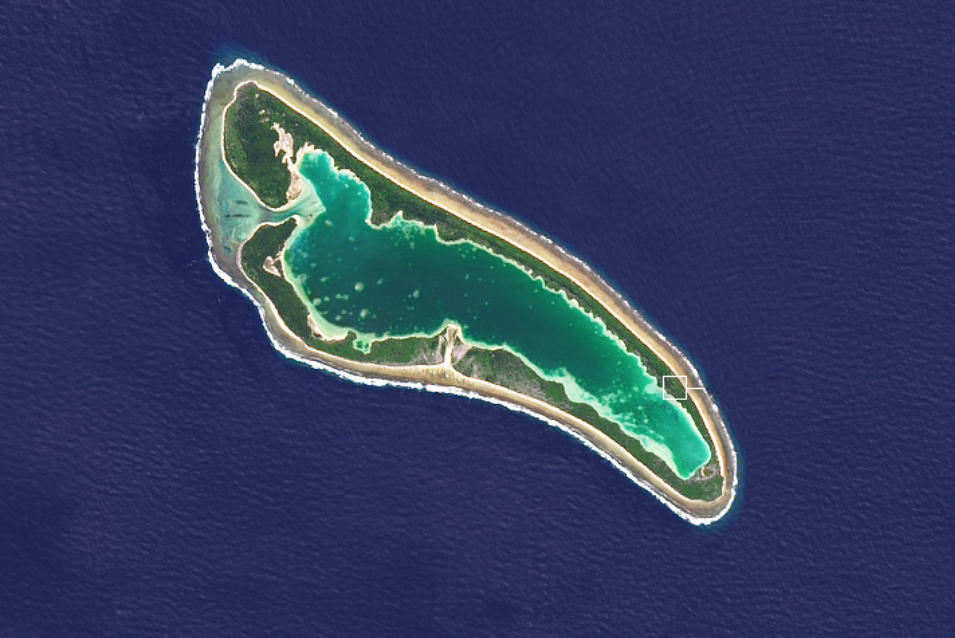
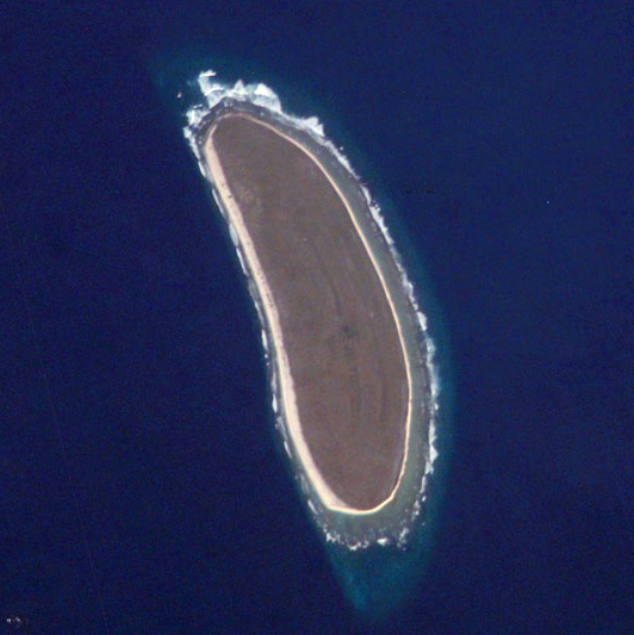
It was back in 2020 that US Navy veteran Mike Ashmore was browsing satellite imagery on his phone, finding something curious in the lagoon off Nikumaroro. An elongated shape that would become known as the Taraia Object soon joined the ranks of the most hotly debated finds among aviation historians. To some, that is unmistakably an aircraft wing outline; to others, it is no more than a log or a pandanus tree. That is an extraordinary find, for similar aerial shots from 1938 onward show a similarly peculiar anomaly-a fact testifying to its lying in shallow waters, possibly for decades.
2. The role of Nikumaroro in the Castaway Hypothesis
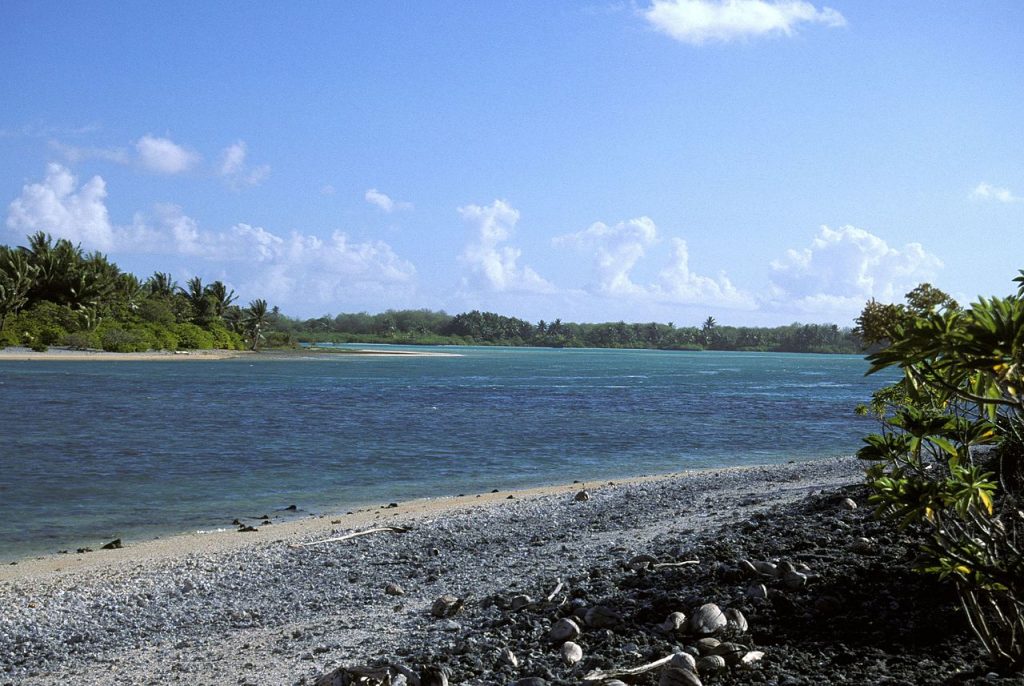
Nikumaroro is an extremely remote atoll in the nation of Kiribati, about 400 miles southeast of Howland Island, which was Earhart’s intended refueling stop. In the castaway hypothesis, Earhart and navigator Fred Noonan land on its reef at low tide, surviving days or weeks, before dying of thirst or starvation. Among other things, the hypothesis was supported by recorded radio signals within days of her disappearance, signs of habitation later noted that year by a British party, and recovered artifacts such as a sextant box and a woman’s shoe in 1940.
3. Forensic Clues from Lost Bones
The partial human remains discovered on Nikumaroro in 1940 had been assessed as belonging to a male by a British physician. Several decades later, forensic anthropologists Richard Jantz and Karen Burns said that the recorded dimensions of the bones appeared to be those of a woman of Earhart’s height and ethnicity. It was a precise match of the radius-to-humerus ratio of Earhart, creating an intriguing though not conclusive link between the bones and the famous aviator.

4. Tropical cyclones and revealed secrets
Natural forces can disclose the Taraia Object. In fact, new satellite imagery shows that this feature became most distinct after Tropical Cyclone Pam washed away sediment in 2015. Ancient shell records examined in research detail the way cyclone patterns have changed over millennia, often with development into extreme events that reshape the landscape. Sometimes these can accidentally bring into view those things long buried and make storms both destructive and revelatory in their contribution to the searches of archaeology.

5. Purdue University Historic Connection
Making the hunt all the more poignant, Earhart had deep ties with Purdue University. She served there in the early 1930s as a career counselor and aviation advisor, while the very Electra she piloted was financed by the Purdue Research Foundation. She had planned to return the airplane to West Lafayette after completing her world flight. If Taraia Object proves to be the Electra, that intention would be realized nearly nine decades later.
6. Crash-and-Sink Theory
Yet again, not all experts fall for the Nikumaroro hypothesis. Smithsonian curator Dorothy Cochrane and many others favor the more prosaic crash-and-sink theory, citing Earhart’s last radio call to the Coast Guard cutter Itasca: “We must be on you.” Her fuel would then have run out near Howland Island. Deep-ocean searches by Nauticos and other organizations have scanned thousands of square miles of seabed, narrowing possible impact zones but yielding no confirmed wreckage.

7. Rival Theories and the Marshall Islands Conspiracy
Another more resilient hypothesis places Earhart and Noonan landing in the Japanese-controlled Marshall Islands, where they were then apprehended and even executed. Oral histories from islanders speak of two foreigners who arrived “from the sky,” while a 1944 account from a US Army sergeant pointed to unmarked graves on Saipan. To many experts, this theory is impossible because of fuel constraints. But it still forms part of the rich tapestry of speculation on her fate.
8. Advances in Underwater Archaeology
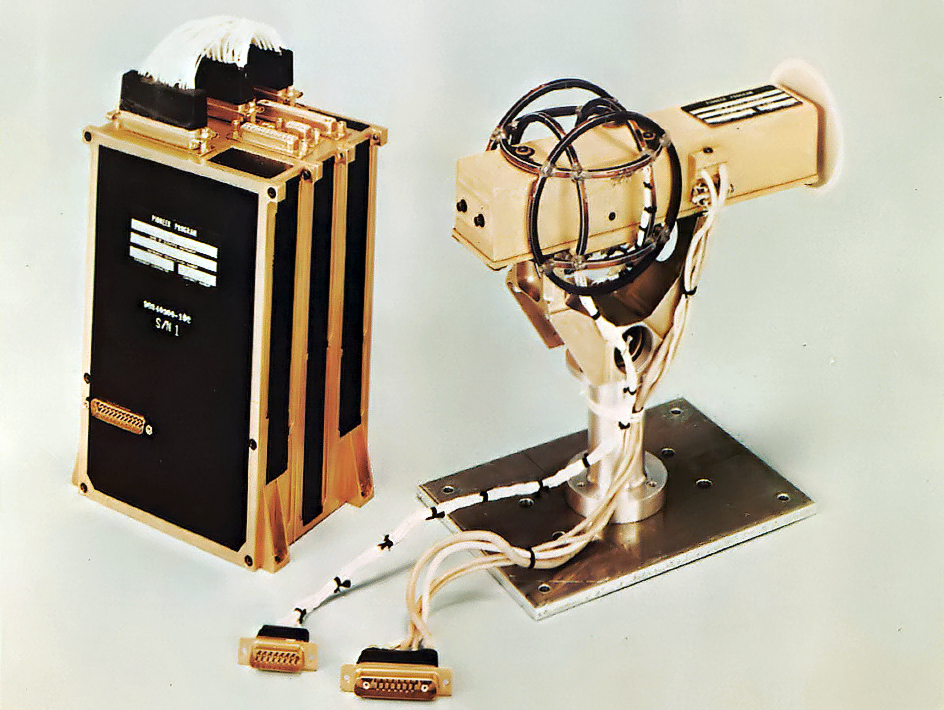
Modern tools are revolutionizing the search. Magnetometers, sonar mapping, and hydraulic dredges now enable researchers to find and recover artifacts with unprecedented precision. Sharp-edged metal objects, such as aircraft wreckage, leap out with particular clarity on sonar imagery. These technologies will be central to the upcoming Nikumaroro expedition. They allow highly detailed surveys well before any physical recovery is attempted.
9. Skepticism & Scientific Debate
Ric Gillespie of The International Group for Historic Aircraft Recovery has visited the location of the Taraia Object and insists it is no more than a tree washed into the lagoon. He believes the Electra was destroyed in the surf days after landing on the reef. That skepticism exists underlines the scientific rigor involved in the search: extraordinary claims require extraordinary evidence, and only direct examination will settle the matter.

10. The Expedition Ahead
The joint Purdue University and Archaeological Legacy Institute expedition will undertake a multi-phased investigation that includes high-resolution imagery, magnetometer and sonar surveys, and precision dredging. Permit-related issues and the start of cyclone season delayed the expedition, rescheduled from November 2025 to July 2026. If the discovery proved successful, it would be repatriated to the United States and finally put to rest one of the great mysteries in aviation history.
Amelia Earhart’s disappearance has remained a mystery simply because of how that arc of human ambition melds with what seems an unlimited expanse of the Pacific that is unforgiving. Every clue-from weathered bones to satellite anomalies-deepens the story without quite reaching the bar of definitive proof. The Taraia Object may yet prove to be the missing Electra-or it may join the long list of false leads. For the history enthusiast and every aviation buff, it is not less engrossing than the destination-the journey itself, marked by persistence, innovation, and debate.

