
Some retail icons didn’t just fade they vanished, leaving behind empty storefronts and memories of bustling aisles. For adults who grew up in the heyday of mall culture and neighborhood shopping, the disappearance of these stores marks more than a shift in commerce; it’s a change in the cultural fabric. The rise of e-commerce, shifting consumer habits, and economic turbulence have rewritten the retail map, often with ruthless speed.
From video rental nights to browsing gadgets in futuristic showrooms, these brands were once part of daily life. Now, they exist only in memory, online archives, or the occasional surviving location. This list revisits nine stores that once defined shopping trips across America and explores why they disappeared.
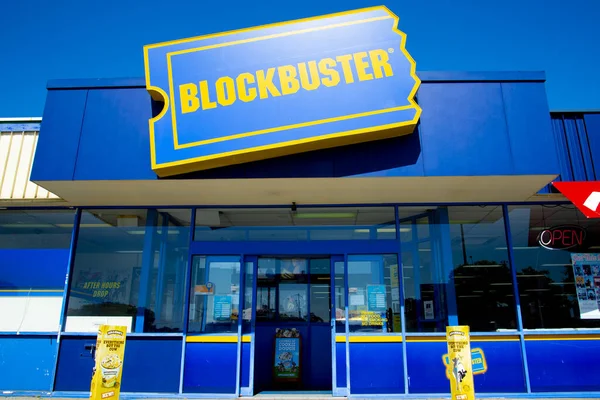
1. Blockbuster’s Fall from Friday Night Glory
In the early 2000s, Blockbuster operated around 9,100 stores, dominating video rentals and outcompeting mom-and-pop shops. Yet, as streaming platforms surged, the chain failed to adapt quickly enough. Netflix’s pivot from DVD-by-mail to streaming proved fatal for Blockbuster, which filed for bankruptcy in 2010 and shut down corporate operations by 2014. Today, only one independently run store in Bend, Oregon remains, still renting new releases and selling Blockbuster-branded merchandise.
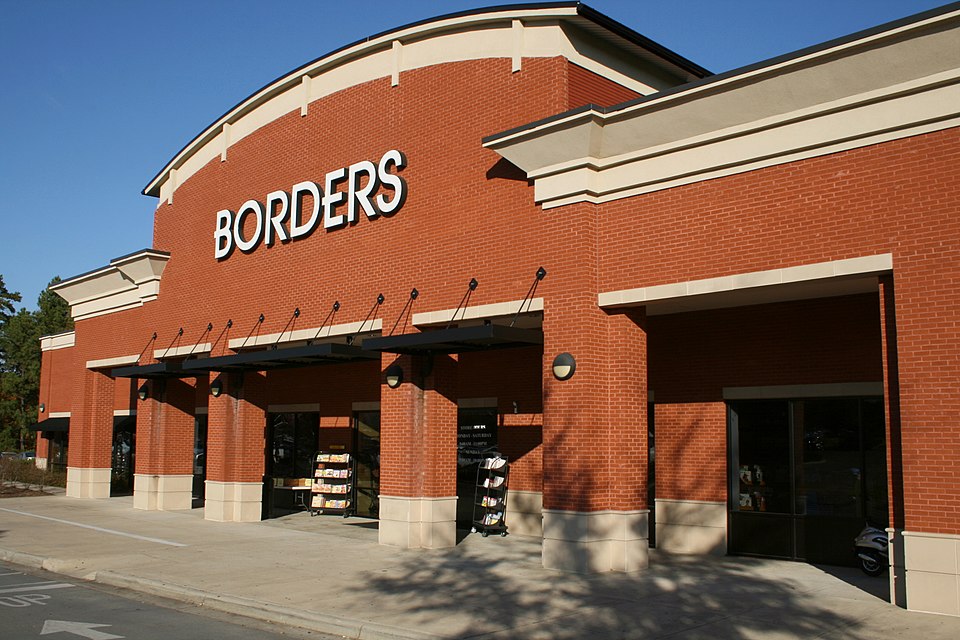
2. Borders Books & Music and the Digital Shift
Borders was once a giant in big-box bookselling, offering sprawling aisles of literature, music, and coffee. But as online booksellers and e-readers gained traction, Borders lagged in developing a competitive digital strategy. Unlike Barnes & Noble, which launched its Nook early, Borders was slow to embrace e-commerce. The company declared bankruptcy in 2011 and liquidated shortly after, ending an era for readers who loved browsing its shelves.
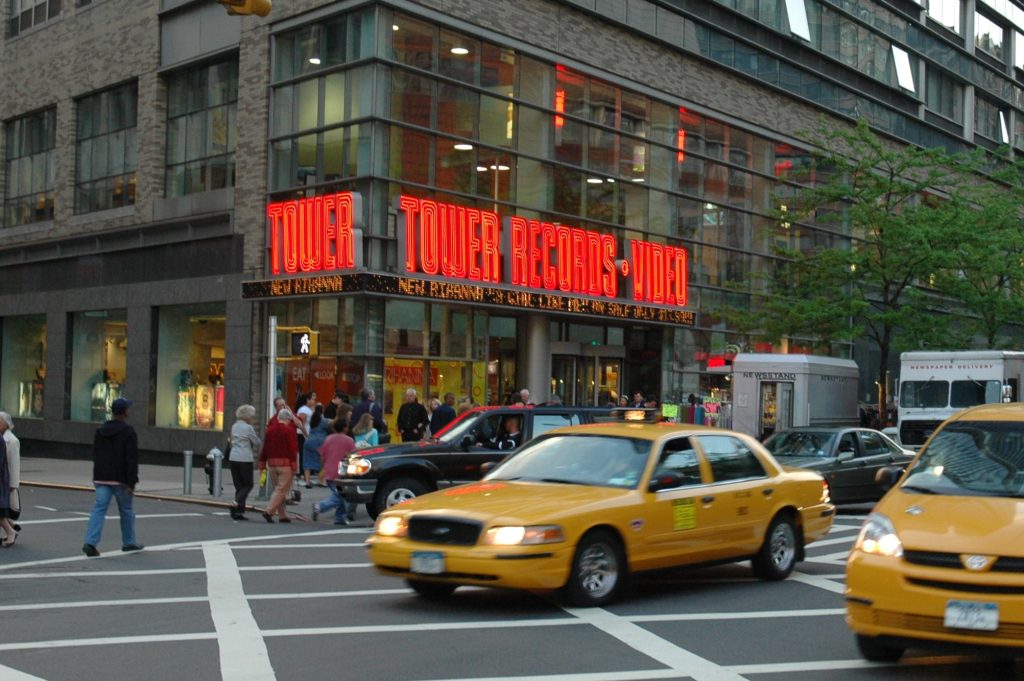
3. Tower Records and the Death of the Record Store
With more than 200 locations in 20 states and 18 countries at its peak, Tower Records was a cultural hub for music lovers. Stars like Bruce Springsteen and Elton John were known to shop there. But mounting debt and the rapid shift to digital music sales eroded its business. The U.S. stores closed in 2006, though franchise locations still operate abroad, including a nine-story flagship in Tokyo. In America, Tower has reemerged online and as an event space in Brooklyn.

4. Henri Bendel’s Luxury Legacy
Founded in 1895, Henri Bendel introduced American shoppers to Coco Chanel’s designs and even employed Andy Warhol as an illustrator. Known for its brown-and-white stripes and high-end goods, the store catered to a luxury clientele. Yet, declining sales led parent company L Brands to shutter all Bendel locations in 2019, shifting focus to mass-market brands like Victoria’s Secret. Its Instagram account remains active, offering glimpses into its glamorous past.
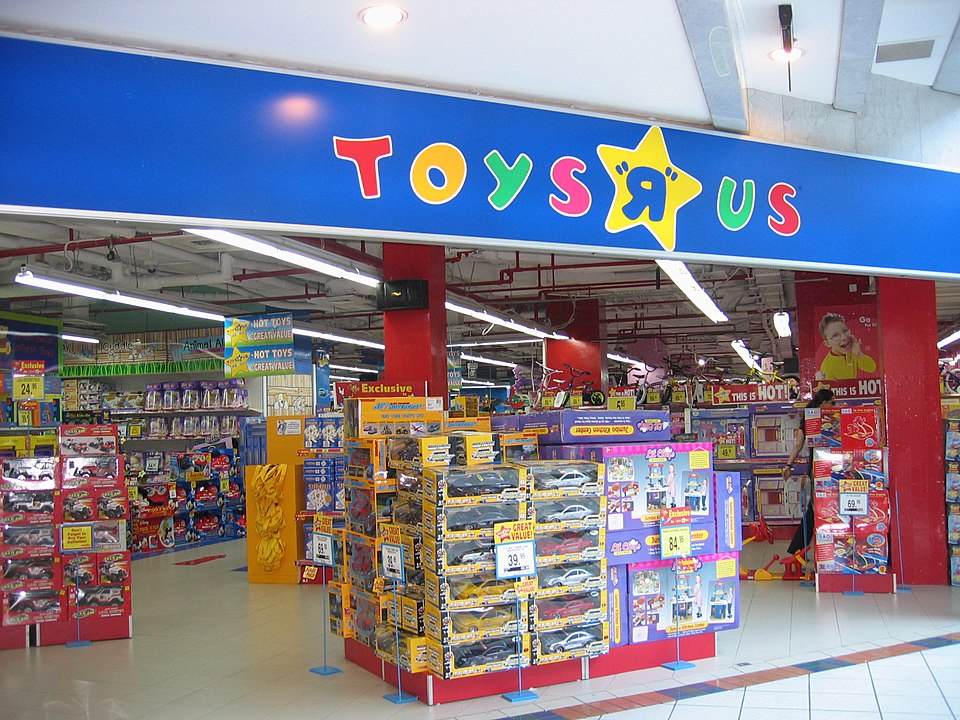
5. Toys R Us and the Battle for Playtime
The toy giant, famous for Geoffrey the Giraffe and its catchy jingle, struggled under heavy debt and fierce competition from Walmart, Target, and Amazon. After filing for bankruptcy in 2017, Toys R Us closed all U.S. stores in 2018. A revival effort has brought the brand back in select Macy’s locations and in large-format stores at the American Dream Mall and Mall of America, but the sprawling standalone stores that defined childhood shopping trips are gone.
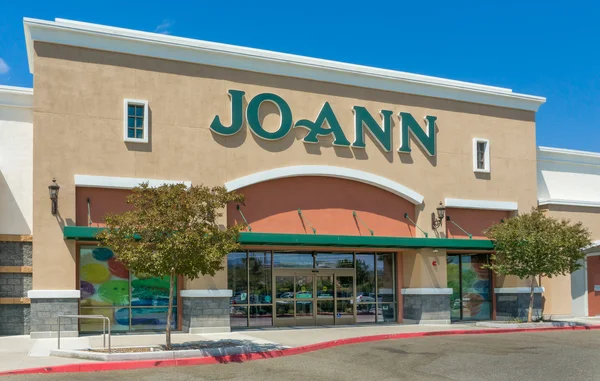
6. Joann Fabrics and the End of a Crafter’s Era
Joann grew to about 850 stores nationwide, serving generations of sewing and crafting enthusiasts. Despite attempts to modernize, including selling 3D printers, the company faced declining sales and rising competition. In early 2025, Joann filed for bankruptcy for the second time in less than a year, announcing plans to close around 500 stores. “We deeply appreciate our dedicated Team Members, our customers and communities across the nation,” the company said in its farewell statement.
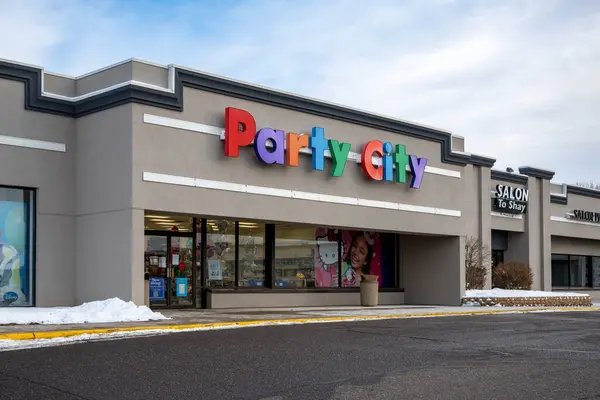
7. Party City’s Celebration Cut Short
Once the go-to for party supplies, costumes, and decorations, Party City suffered during the pandemic as in-person celebrations dwindled. Rising costs and competition from mass retailers further strained its finances. After a 2023 bankruptcy and failed restructuring, the company announced in December 2024 that it would close all of its nearly 700 stores, offering blowout sales of up to 80% off before shutting doors.
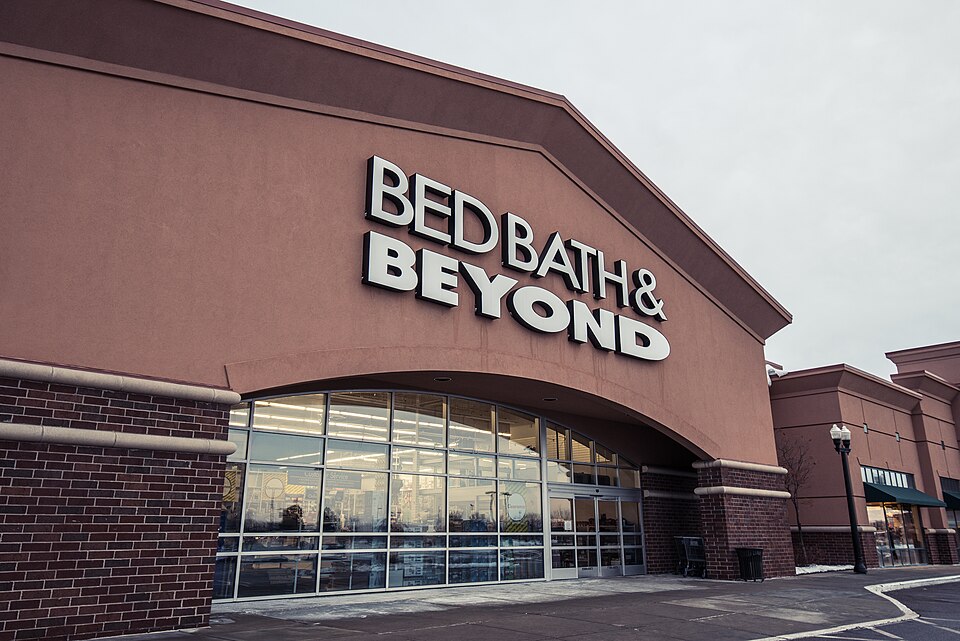
8. Bed Bath & Beyond’s Big Collapse
Bed Bath & Beyond was a home goods powerhouse with nearly 900 stores at its peak. But mounting debt, supply chain issues, and changing consumer preferences led to its bankruptcy in 2023. The brand was sold and relaunched online, with plans announced in late 2024 to open small-format neighborhood stores in 2025. Still, the vast, coupon-filled shopping experience that defined the chain’s identity has disappeared.
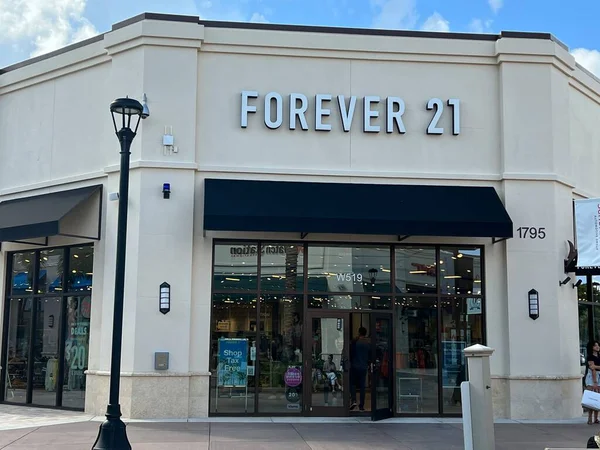
9. Forever 21 and the Fast-Fashion Fallout
Forever 21 thrived in the 2000s as a budget-friendly fashion destination, but competition from ultra-fast-fashion brands like Shein and Temu eroded its market share. Despite a 2023 partnership with Shein, the company filed for bankruptcy in 2025, planning to close all 354 U.S. locations unless a buyer emerges. Overseas stores remain open under licensees, but its mall-dominating presence in America is ending.
These closures tell a broader story about the evolution of retail a shift from physical spaces that shaped social and cultural experiences to digital platforms that prioritize convenience. For those who remember the tactile joy of flipping through CDs, thumbing through books, or wandering aisles filled with home goods, these brands are more than business casualties; they are markers of a bygone era in American shopping.

