

It often takes just one opened cabinet or the pulling out of one heavy drawer to appreciate how so many everyday objects were built to last-and equally how many of them have quietly gained a second life in today’s resale and collecting markets.
More than nostalgia is pushing demand. A consistent leaning toward secondhand buying, combined with a decorating culture that celebrates pieces with a little visible history, has elevated certain “mundane” household staples to the enviable status of finds. For interiors, vintage is being used more and more as a foundation rather than as an accent, with one design voice capturing the shift thus: “People want interiors that feel personal and intentional-and decorating with vintage delivers that in ways new furniture simply can’t.”
Of course, the most helpful mindset when sorting through inherited boxes or conducting a slow audit of family storage would involve being able to recognize categories that reliably attract collectors-and to know which details tend to separate “sweet keepsake” from “actively traded item.”
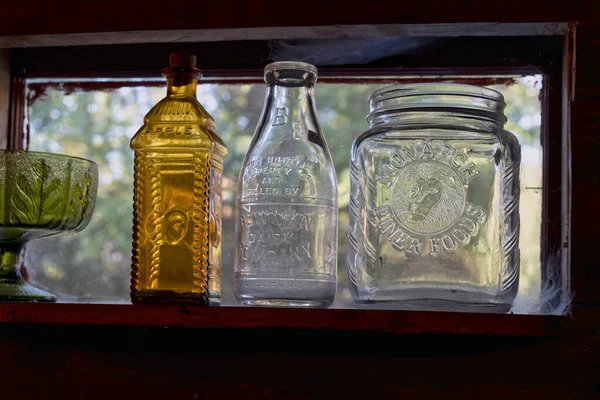
1. Depression glass-particularly rare colors and patterns
Depression glass was manufactured by the millions as inexpensive tableware, and much of it had been given away as promotional items. What seems so dainty and ornate today was intended for daily use, which is why genuine pieces often exhibit minor manufacturing defects and wear.
Collectors focus on pattern, color, and condition, and the difference in value between common and scarce examples can be wide. Whereas some colors were produced in higher volume and remain easily available, others were very short-lived and today ask stronger prices. A practical check many collectors use is the surface: authentic pieces often show utensil scratching, while overly “perfect” examples can raise questions-especially in patterns known to be reproduced.
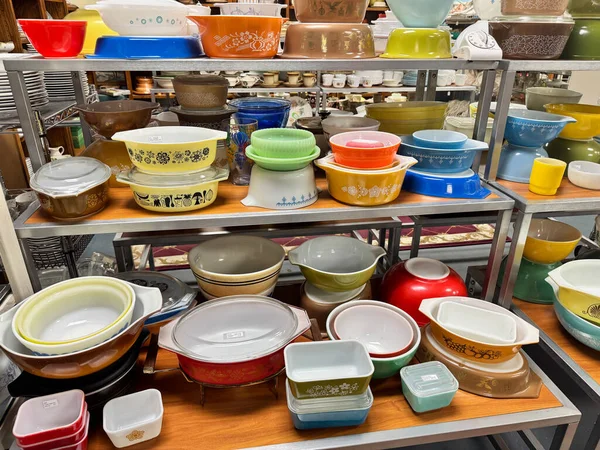
2. Vintage Pyrex bowls and casserole dishes
Vintage Pyrex sits at the intersection of utility and display, which explains why it has endured in kitchens, on open shelving, and in resale listings. The brand’s history reaches back to 1915, and patterned pieces from the mid-20th century are among the most actively collected.
Pattern recognition counts. A four-piece mixing-bowl set can sell at a very different price point than a handful of single custard cups, and condition can be key-especially for colored exteriors. Vintage-kitchenware sellers often say that dishwashers can dull or damage finishes, and can turn a collectible into a purely functional one. Markings and back stamps help with authentication and some collectors use pattern libraries to identify the era of a design first before pricing.
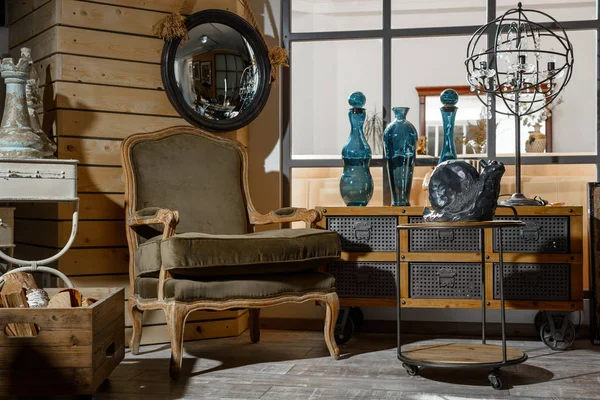
3. Mid-century furniture (even unbranded)
Furniture from the 1950s and 1960s also continues to perform well because it fits into contemporary spaces without looking “period.” Low profiles, tapered legs, sculptural silhouettes, and warm woods often translate easily into modern rooms, and many were made with materials and joinery that rewards restoration rather than replacement.
There continues to be appetite in the current market for vintage that brings “soul, substance, and story,” particularly if a piece retains original finishes or hardware. Items such as lamps, coffee tables, and sideboards-even without a famous maker’s label-can attract buyers if the proportions are strong and the condition is sound.

4. Vinyl records when pressings and condition line up
The vinyl revival has moved beyond novelty. What drives value is specificity: the release version, the pressing details, and the grading of both record and sleeve. Most albums exist in dozens—or hundreds—of variations, and two copies of the “same” title can be priced worlds apart.
Collectors often start with catalog numbers and other identifiers, then verify the version in databases. One common practice is checking sales history on Discogs to understand recent market ranges for a given pressing. For inherited collections, careful handling and conservative cleaning also support sorting and identification by helping to preserve value.
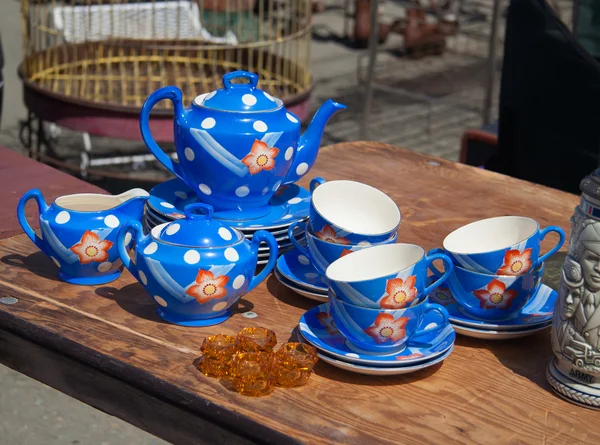
5. China sets and patterned tableware
Formal dining has changed, but full or partial china sets still attract collectors, stylists, and shoppers putting together eclectic tables. Certain brands tend to retain recognition, but pattern and completeness often matter more than a logo; serving pieces, covered dishes, and unusual shapes could mean the difference between a common lot and a desirable one.
Well-preserved sets with minimal wear tend to attract the strongest interest, especially when the design photographs well for resale. In a home context, these are also commonly repurposed: dessert plates become catchalls, teacups become small planters, and platters become centerpiece trays-all of which keeps demand alive outside traditional “special occasion” use.
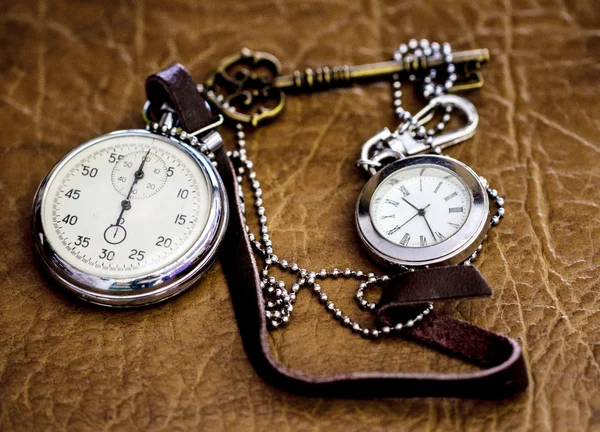
6. Pocket watches – movements, not cases
Since pocket watches are oftentimes relegated to their drawers long after being retired from service, many examples survive with their family provenance intact. Value is determined, among other things, by brand, quality of movement, and whether the watch runs or can be serviced.
They are an important tool for identification, but it remains important where the serial number is found. Commonly, watch resources point out that the applicable serial number is located on the movement itself, not the case. When the number of the movement is determined, it can be used to help narrow down production details informing resale descriptions and collector interest.
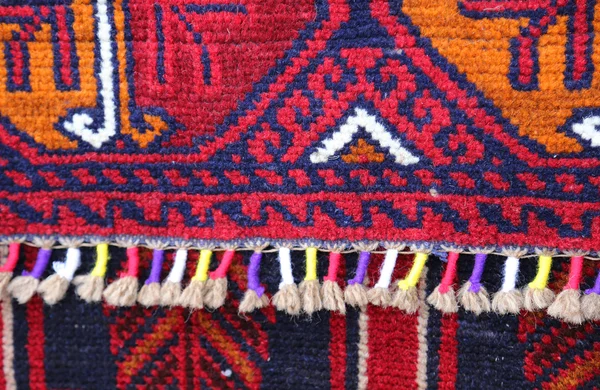
7. Hand-sewn quilts and textile heirlooms
Textiles have regained status both as décor and as collectible material. Quilts-especially older examples or those with intricate patterns-can be treated as folk art as much as bedding, and they increasingly show up as wall hangings, layered throws, and photographed backdrops in design-focused homes.
Condition, craftsmanship and documentation count. Repairs and wear are common, but obvious damage can impact desirability, especially if structural seams are compromised. To families, quilts also carry great provenance value; though often not sold, they are frequently conserved, reframed, or stored more carefully once their greater market relevance is understood.
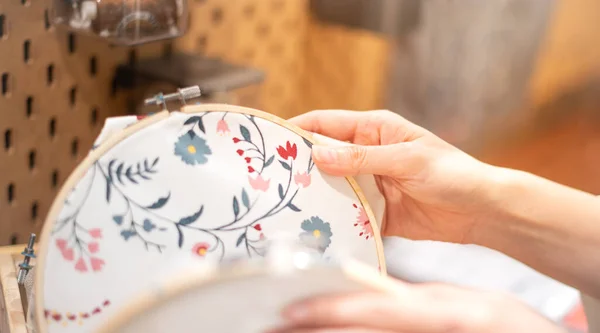
8. Needlepoint and handcrafted decorative work
Needlepoint has moved from “quaint” to intentionally collected, especially in rooms that use texture to soften sleek finishes. Framed pieces, pillow fronts, and sampler-style works can appeal to both collectors and decorators who want narrative objects that look good on a gallery wall.
Handmade origin can add weight, especially where stitches are neat and the piece retains strong color. In resale listings, clear photos of the back, framing, and any maker information help establish credibility and condition without over-explaining.
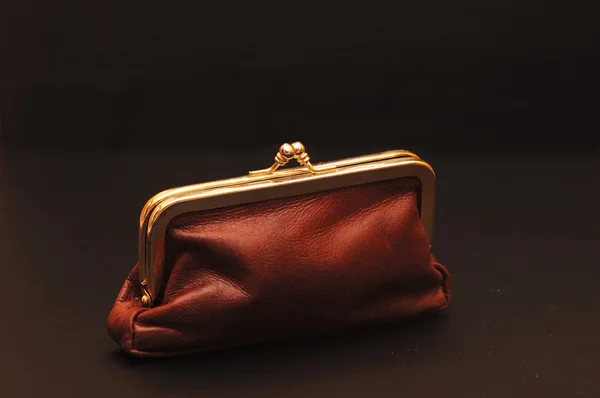
9. Vintage purses – labels help, but construction speaks loudly
Structured purses, beaded clutches, and classic leather bags remain wearable, which keeps demand consistent. Well-known fashion houses can command higher prices, but even in the absence of a label, build quality counts-solid hardware, intact linings, and durable stitching tend to translate into stronger resale interest.
Condition is the deciding line here. Dry rot, sticky finishes, missing straps, and odor issues can be difficult to remedy. On the contrary, a clean and well-stored bag in an appealing silhouette often sells because it could be used at once, not just collected.
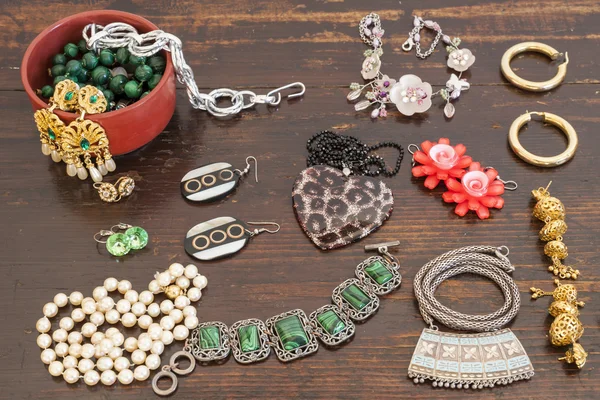
10. Costume jewelry including cameo brooches
Costume jewelry must be among the easiest categories to underestimate: mass-produced and often casually stored. And yet, certain materials, makers, and eras have committed followings, while bold “statement” pieces align neatly with current styling trends. Cameos are a particular class unto themselves, and value is subjective, with pieces influenced both by materials-shell and, especially, gold settings-and by the clarity of the carving. For cameos and costume pieces alike, complete clasps, matching pairs-e.g., earrings-and lack of corrosion make resale much easier.
But a combination of condition, rarity, and a clear story across categories tends to hold value: when an item is dateable, identifiable, and demonstrably well cared for, it becomes easier for collectors and everyday buyers to say yes. The best finds in practice often turn out to be those things that still appear useful-because they had been designed to be so. It is just that mix of durability and memory which keeps yesterday’s household objects circulating in today’s homes.

