

When a famous face steps into the role of “trusted guide,” the pitch rarely sounds like a pitch. It sounds like permission: to try the trend, to join the movement, to click the link.
That shorthand works until the cause, platform, or “breakthrough” claim buckles. Then the spotlight flips, and what once looked like cultural clout starts reading like a caution label.

1. Matt Damon and the “bravery” era of crypto hype
Matt Damon’s Crypto.com campaign leaned on cinematic gravitas, framing cryptocurrency as the latest chapter in human daring. The line between inspiration and instruction blurred fast, especially as the broader market slid and the internet turned the message into a punchline.

The backlash landed not because an actor discussed technology, but because the tone suggested ordinary people should treat high-volatility assets like a character test. Online ridicule intensified as viewers connected the ad’s timing with the downturn described alongside cryptocurrencies in freefall.
2. Larry David and the ad that aged in reverse
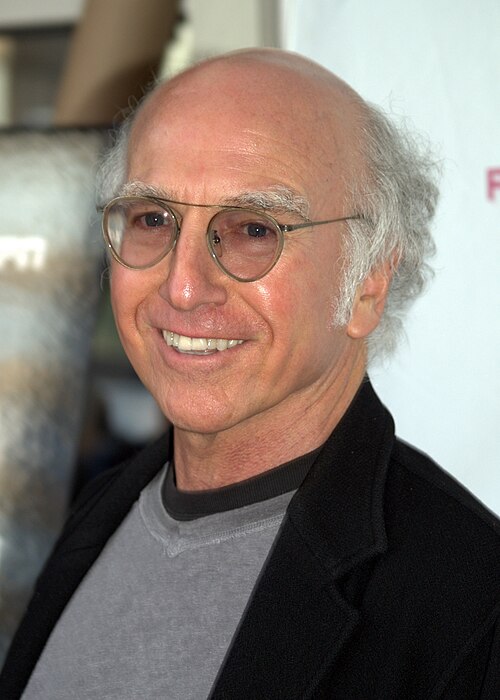
Larry David’s Super Bowl spot for FTX made skepticism the joke, casting doubt as the outdated option. When the exchange collapsed, the irony became the headline, and his cameo became a symbol of celebrity credibility used as financial wallpaper. David was named in a class-action lawsuit alongside other promoters, a reminder that entertainment can become evidence once money is involved. Later, a Florida federal judge dismissed most claims against celebrities tied to FTX promotions, narrowing liability arguments around knowledge and causation. Even with reduced exposure, the reputational hit stuck to the central image: famous people urging participation in something they were not positioned to vet.

3. Scarlett Johansson and the endorsement that collided with humanitarian branding
Scarlett Johansson’s partnership with SodaStream created an unsparing conflict between corporate representation and charity affiliation. Oxfam publicly stated that her promotional role was “incompatible” with her position as a global ambassador, and Johansson ultimately ended her relationship with the organization after eight years.

Her spokesperson said there was a “fundamental difference of opinion,” language that underlined how quickly values-based branding can become non-negotiable. The controversy attached itself to the simple operational fact that SodaStream had a factory in an Israeli settlement in the West Bank, turning a beverage appliance into a global identity test.
4. Gwyneth Paltrow and wellness claims that met consumer-protection law
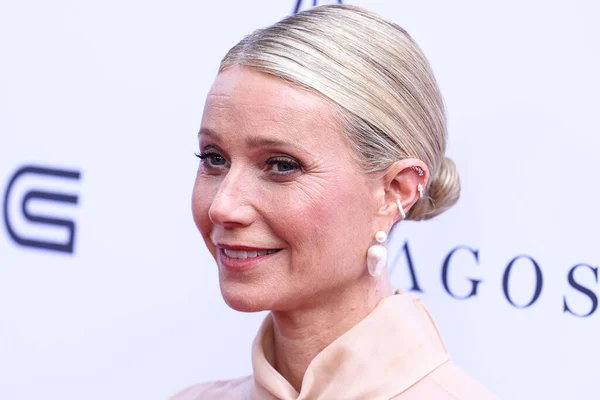
Goop’s influence has always rested on the promise that wellness can be curated like taste, with authority derived from aesthetics and storytelling as much as research. That approach ran into legal limits when prosecutors challenged health claims tied to products including vaginal jade eggs. Goop agreed to a settlement of $145,000 after allegations that certain advertised benefits were not supported by competent and reliable scientific evidence.
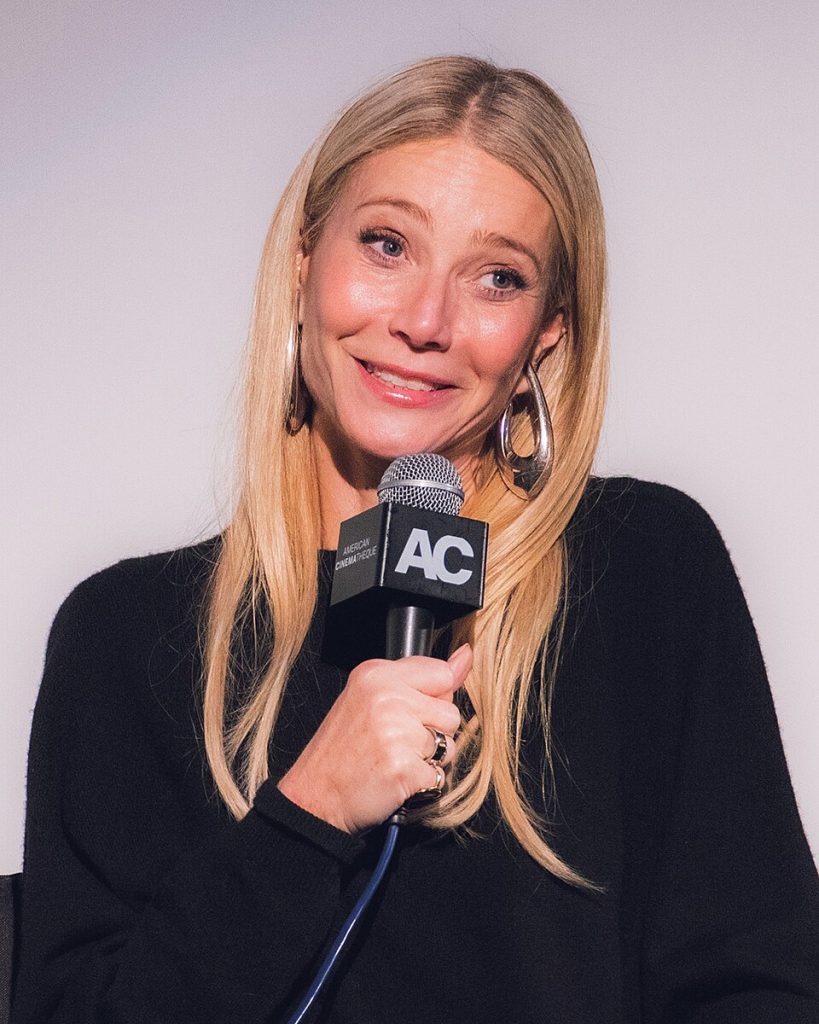
Orange County District Attorney Tony Rackauckas was quoted saying, “People have been selling snake oil for a long time. This is just another type of snake oil,” a line that captured how harshly regulators can interpret wellness marketing when it reads like medicine. The episode also elevated a broader warning from consumer advocates about a growing volume of misleading disease-treatment claims across the industry.

5. Steven Seagal and the cost of not disclosing compensation
Steven Seagal’s crypto endorsement did not primarily fail because of price swings or a bad product cycle; it failed because of disclosure. The U.S. Securities and Exchange Commission charged him with failing to reveal that he was paid to promote Bitcoiin2Gen’s offering, a core requirement meant to keep audiences from mistaking sponsored persuasion for personal conviction. Seagal settled without admitting wrongdoing, agreeing to pay more than $300,000 in disgorgement and penalties. The lesson was blunt: for celebrity endorsements tied to investments, silence about compensation is not a creative choice it is a legal risk.

6. Lindsay Lohan and the SEC’s anti-touting line in the sand
Lindsay Lohan became part of a wider SEC push targeting paid crypto promotions presented as organic enthusiasm. Regulators alleged she touted crypto asset securities Tronix and BitTorrent without disclosing compensation, a setup that can mislead followers into believing they are hearing a genuine recommendation. She resolved the matter by paying penalties and agreeing to stop violating anti-touting provisions.
The reputational damage here tends to linger because the underlying problem is not technical complexity; it is trust. Once an endorsement looks like a hidden transaction, the celebrity’s influence starts to resemble a sales funnel. Across these blowups, the common thread is not that celebrities should never endorse anything. It is that endorsements increasingly operate like public promises about risk, values, or health and the public treats them that way when the promise collapses.

