

Some skills used to be so normal that nobody called them “skills.” They were just the way people got through a day: getting somewhere without a GPS, fixing what broke, writing something down so it could be read later, and making entertainment work with their own hands.
What makes these “now-useless” abilities so sticky is that they still signal a certain kind of competence: calm under pressure, comfort with tools, and a brain that remembers how to do things without tapping a screen first.
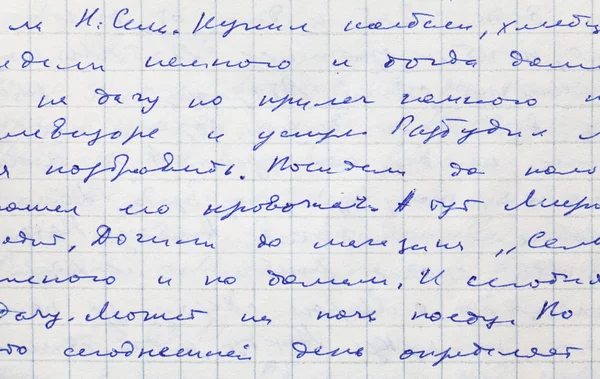
1. Reading cursive without pausing to decode it
Cursive is one of those flashpoint abilities: people either assume everyone can read it, or discover mid-birthday-card that not everyone can. In a widely discussed classroom moment, historian Drew Gilpin Faust said, “two-thirds of the students in the class couldn’t read cursive.” That kind of gap matters when family letters, signatures, and old documents live in handwriting rather than in typed text.

2. Counting back change (correctly, every time)
Handling cash used to include a small performance: counting back coins and bills in a way that made mistakes harder. In the main thread of “now-useless skills,” one former retail worker described the old method as having “Two advantages it’s correct, and the coins are in the palm with bills on top.” Card readers made it feel unnecessary, but the underlying point remains today: mental math plus an organized physical routine prevented real-world errors.

3. Navigating with a paper map and a compass
Knowing north, south, east, and west without a glowing dot became a personality trait for a generation raised on road atlases and topographical lines. In the nostalgia responses, “Read a map” shows up like a chant. Meanwhile, long-form cultural commentary has noted how GPS reduced the incentive to build internal spatial maps, nudging people away from landmark-based navigation and toward total dependence on digital directions.
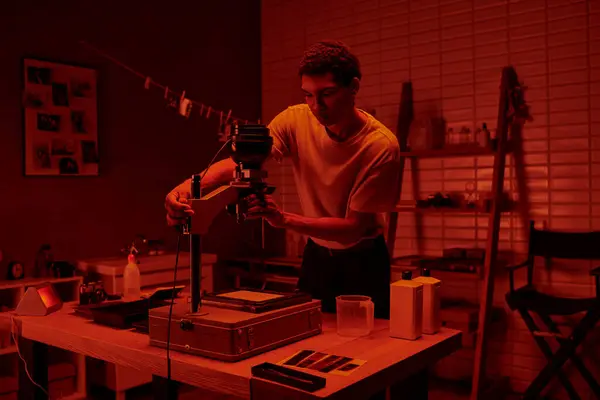
4. Darkroom basics: film, chemistry, and patience
Adjusting aperture and shutter speed is one thing; processing film is another. Multiple people in the main set of responses still remembered developing black-and-white film and printing photographs at home. Even as film photography attracts younger hobbyists again, the workflow often ends in digital scans rather than physical negatives, shifting the “craft” from chemical process to a shareable file.
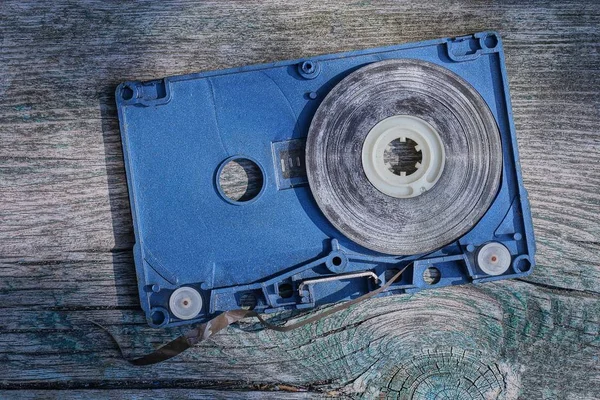
5. Splicing audio tape like it is a normal household repair
A skipping cassette or an edited reel-to-reel once meant someone reached for blades, tape, and a steady hand. Tape hobbyists still document the details, including that splicing tape is applied on the back side and that tape ends are aligned precisely so they “just meet and barely touch,” according to a step-by-step splicing tutorial. It is meticulous, physical work exactly the kind that disappears when media becomes a file.
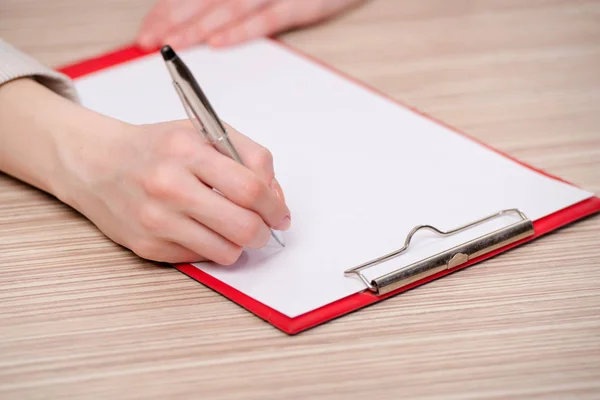
6. Writing in shorthand or stenography for fast, accurate notes
Shorthand shows up in the responses as a party trick that still works: one person said office mates were “dazzled” when meeting notes appeared in a code-like script. Before recordings, transcripts, and auto-captions, speed-writing systems filled a real need: capturing meaning in real time without missing the next sentence.
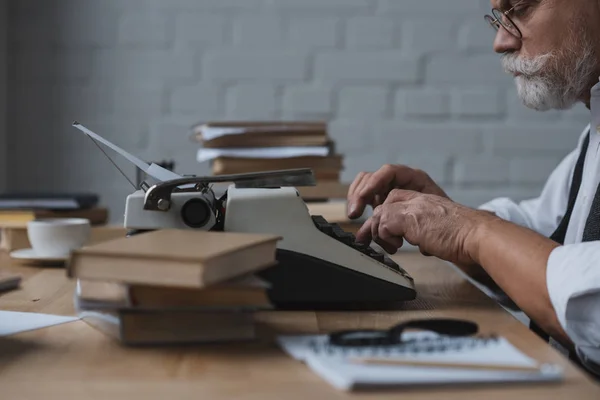
7. Touch-typing because a typewriter demanded it
Typing classes were once a rite of passage, and the payoff was muscle memory. Several people described typing without looking because they learned on typewriters, when mistakes cost time and correction ribbon was not exactly fun. It is less “now-useless” than “increasingly rare,” especially as phones train thumbs instead of all ten fingers.

8. Sewing repairs people now outsource or throw away
Darning socks, blind stitching, threading a sewing machine: these skills show up as intergenerational magic. One response summed up the new dynamic neatly: “My kids save up their mending for when I come to visit.” Fast fashion and cheap replacements changed the math, but the skill still functions as a quiet form of self-reliance.

9. Basic car and bike fixes without a tutorial tab open
Tuning older cars with points and a condenser is a very specific era, but the underlying competence mechanical troubleshooting came up repeatedly. Even bike maintenance made the list: fixing a flat tire surprised one person as a skill many people no longer had. Cultural analysis of “life skills” has echoed this divide, pointing out that many younger drivers never learned routine checks like tire pressure or manual basics.
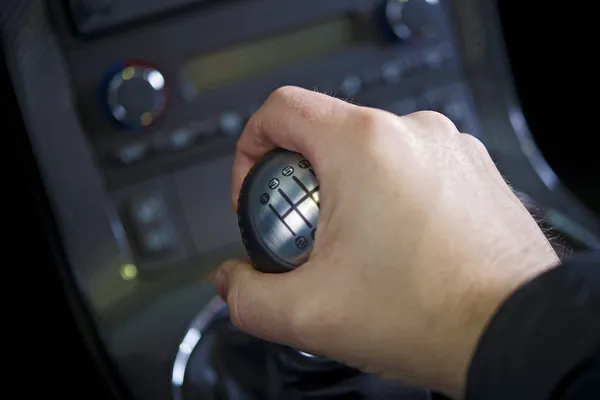
10. Manual transmission habits, including pop-the-clutch problem-solving
“I can drive a stick” lands as both brag and survival story, especially when paired with knowing how to jumpstart by popping the clutch. As automatic transmissions became standard in many places, the skill turned into something learned only by necessity, hobby, or inheritance less a baseline and more a niche capability.

11. Quiet, courtesy, and “movie theater manners” as an actual skill
Not every obsolete skill involves tools. One response framed politeness itself as a disappearing competence, alongside being “quiet and courteous at a movie theater.” It reads like a joke until it doesn’t: social friction often comes from tiny norms people no longer share.
What ties these “now-useless” skills closely together is not their market value, but their texture: hands-on routines, memory-based competence, and the confidence that comes from being able to do something without an interface translating reality first.
And even when a skill truly is obsolete, it still carries a kind of comfort proof that, at least once, people knew how to make the world work with whatever was already in their pockets.

