
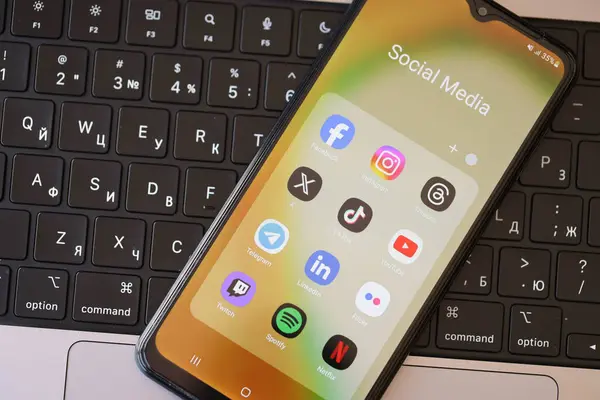
But with the advanced convenience of smartphones comes several hidden risks. Many popular apps quietly pull in much more information from users than they know, while others have been found to contain serious security vulnerabilities or even malicious code. Knowing which apps to avoid, or to manage safely, cybersecurity experts say, could help safeguard personal information from identity theft and decrease the risk of surveillance.
Below are some apps and app types that have raised various degrees of both privacy and security concerns, along with insights from industry specialists on why they may be worth reconsidering.
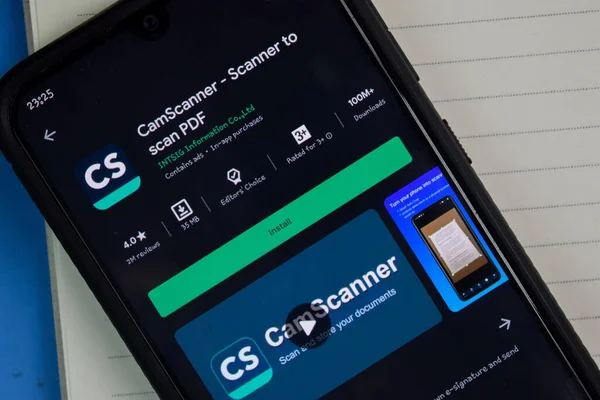
1. CamScanner
Once a popular mobile-scanning tool, CamScanner harbored inside it a malicious component-essentially a Trojan Downloader to collect infected files and allow other devices to damage them. The problem was again attributed to the third-party advertisement SDK, the same as used in some other applications when they were affected by Necro malware. The updates have cleaned it, but experts are highly recommending the uninstallation of older versions.
2. Weather apps
Some weather applications have been found to carry malware or Trojans in them. Even reputed ones collect extensive location and usage data on grounds of making the forecast accurate. Security experts suggest sticking to sources like official meteorological services and removing little-known apps, especially those with poor reviews.

3. Facebook and Messenger
Large-scale collection of data by Facebook has been well documented, wherein the platform even collects detailed behavioral profiles of non-users. This adds more concerns to Messenger: messages are not end-to-end encrypted by default, and the app scans links and images sent through chats. While Meta pledged to roll out default encryption, privacy advocates say implementation is inconsistent.
4. WhatsApp
Despite its reputation for secure messaging, there have been a number of vulnerabilities with WhatsApp. Some of these bugs allowed attackers to access microphones, cameras, and contact lists simply by sending a crafted message. More recently, security advisories have highlighted risks due to incomplete authorization checks and spoofing issues, underlining the importance of keeping the app updated to the latest version.
5. Instagram
Owned by Meta, Instagram asks for wide permissions to include contacts, storage, call logs, and location. Updates can add new capabilities without clear user consent. Experts caution that the platform’s model collects users’ data as a commodity, making it important to periodically review and limit the permissions granted.
6. Flashlight Apps
Most free flashlight apps ask for permissions that are completely unnecessary, including recording audio or reading your contact list. Most of them make their money by selling data they’ve collected to advertisers. Privacy experts say users should just delete third-party flashlight apps altogether, since most newer smartphones have a built-in function to do the same thing.
7. Popular Games with Data Risks
Games such as Angry Birds have in the past been flagged for leaking personal data, while modded versions of titles like Minecraft and WhatsApp have been used to spread the Necro Trojan. The malware can install additional apps, open invisible browser windows and even subscribe users to paid services without consent.

8. Delivery and Service Apps
Some food delivery services have been found to share user data, such as names, addresses, and device information, with several third-party trackers. In some cases, uninstall trackers keep serving targeted ads even after being uninstalled, attempting to entice users back onto the service.

9. Dating & Social Safety Apps
Apps, like Tea, that are built to help women flag unsafe dating experiences have suffered major data breaches exposing sensitive user information. While their goals may be well-intentioned, the storage of personal identifiers and private messages creates a significant security liability if compromised.

10. Children’s Apps
Some games and learning applications for children may pose certain risks, especially those including video or audio content and having few reviews or vague policies regarding privacy. Parents are recommended to pick apps carefully and avoid those requiring too many permissions.

11. Stalkerware and Spyware Tools
Some apps are explicitly created to track activity on another person’s device without their consent. Such tools, called stalkerware, can track location, messages, and calls. Signs may include rapid battery drain or unexplained spikes in data usage. Removing them often requires expert guidance, as deletion can alert the installer and escalate abuse.
Though not all applications in these categories are inherently malicious, the avenues for misuse are vast. The risk can be lessened by downloading only from official app stores, regularly reviewing permissions, keeping software updated, and avoiding applications that request access beyond what is required for core functionality. In this increasingly changing landscape of mobile privacy, vigilance is still the best defense.

