
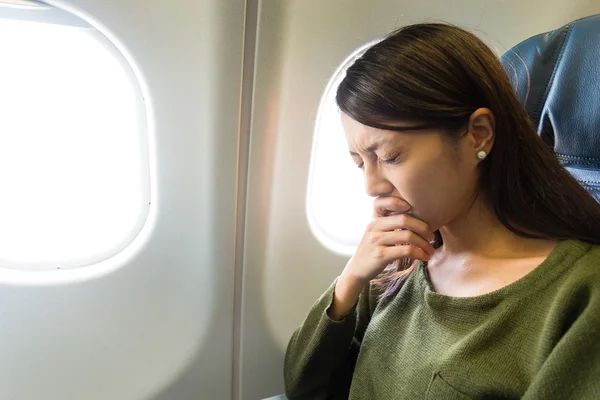
“Medical emergencies happen on 1 in 212 flights, a rate that quietly explains why even experienced travelers sometimes disembark from an airplane looking shaken rather than stirred. In the compact ballet of air travel, a problem can radiate outward into missed connections, frazzled nerves, and a cabin atmosphere that can change in an instant.”
The nightmares that people remember most often do not include lost peanuts or a small delay. They are the moments when a sealed metal tube becomes a waiting room, a sick bay, or an all-night endurance test with no chance to step outside for air.
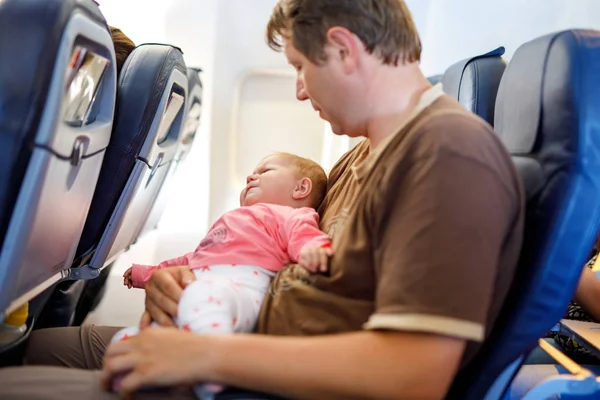
1. The crying baby who stopped time
The patience needed for international flights is a special kind of patience, and there is no better way to test this patience than with non-stop crying. A passenger had to endure more than 10 hours of crying on an international flight, progressing from earplugs to sleep aids as the background noise in the plane became a single note. “I nearly lost my mind,” the passenger admitted. In a setting where there is no movement and the only reward is sleep, mental exhaustion can be felt.

2. The blood clot which resulted from a trip to surgery
A traveler developed a potentially life-threatening clot after a 13-hour plane trip from Auckland to San Francisco and had surgery. The important lesson learned was: “keep active and stay hydrated.” The relevance of public health information is that the longer the time spent immobile in one position, the greater the risk, and that anyone traveling a distance of more than four hours may be at risk, particularly if other risk factors are also present, ranging from age to recent injury. The concern is that it begins with stiffness and ends with a real emergency.
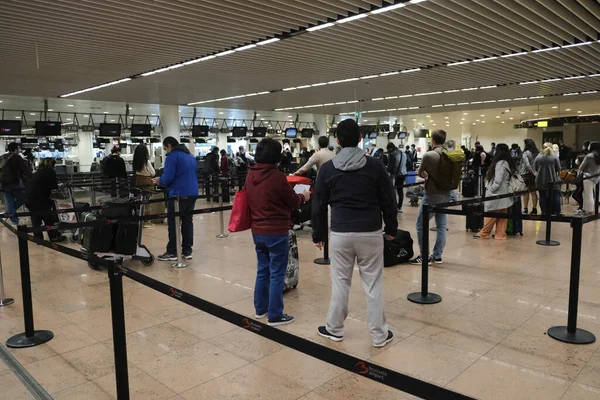
3. The delay that swallowed an entire day
A mechanical thumping noise began after boarding, and this continued into the night and then the next afternoon. The passengers gathered back at the gate, waiting with no clear direction, until a new departure time of 5 p.m. the next day was rescheduled essentially a 16-hour detour. A good plan on the calendar (hotel and seat assignments, connecting flights) disintegrated into a familiar limbo of the airport: bright lights, unclear information, and the feeling that travel has become survival.
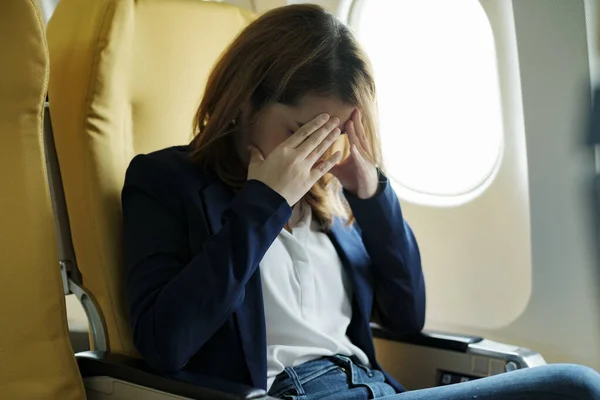
4. The “mass chaos” of in-flight food illness
The most problematic experience on one flight occurred when the whole cheerleading team got violently sick, and one passenger remembered “mass chaos.” The aircraft was a revolving door for bathrooms and sick bags, and the flight attendants were overwhelmed with the demand and had nowhere to put the sick. Research studies on food poisoning related to aviation have indicated the rapid diffusion of illness on an aircraft, and one review reported 43 outbreaks of food poisoning related to aviation travel between 1947 and 2007. There is no fresh air space, no bathroom down the hall but only the next hour, and the next.
5. The seatmate with the ziplock bag
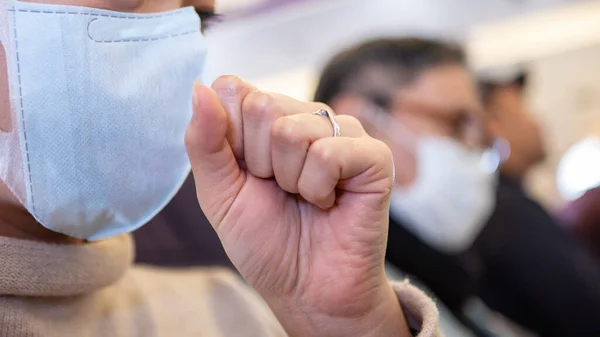
Personal space is already cramped at cruising altitude, which is why some actions are like an attack on the senses. A woman sat next to an elderly man who coughed for hours into a ziplock bag he used to collect his phlegm, watching the plastic fill up. It wasn’t just about the germs or the etiquette; it was about being forced to be close to another person’s body when it’s not always possible to move away.
6. A death in the aisle that no one can forget
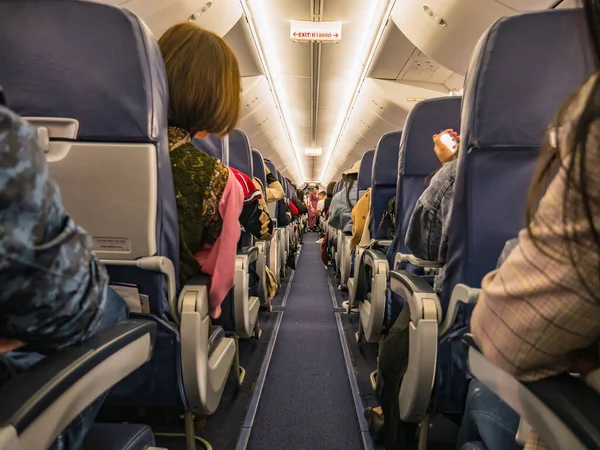
In the instance of a long-haul flight, a witness noted the death of an elderly woman in the aisle seat nearby, which caused a typical day to become a moment of quiet shock. Guidelines for the industry involve attempts to move a deceased person away from other passengers if possible, although the constraints of cabin layout and full flights limit the options, which leaves the other passengers with a surreal experience. An estimated death rate is one death per 8 million airline passengers.
7. Turbulence so violent the cabin panics
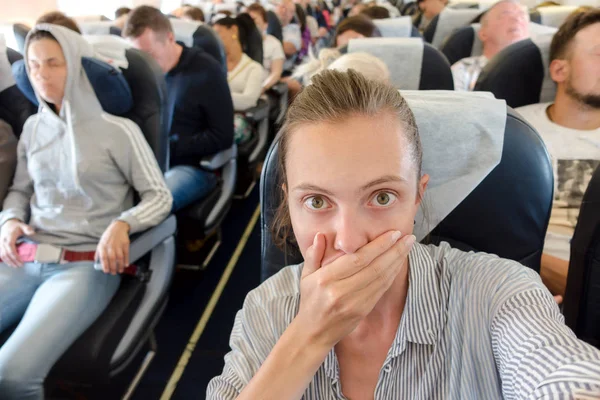
One traveler remembered a flight to Taiwan that was so turbulent that passengers were openly panicked, holding onto armrests as the plane shook. Turbulence is a common source of fear, and the effects are compounded as scientists track changes in the atmosphere: “Severe cases of clear-air turbulence have increased by 55% since 1979, thanks to the work of University of Reading scientist Paul Williams. While turbulence that occurs in conjunction with storms is detectable on radar, clear-air turbulence can come out of nowhere, turning a tranquil cabin into a room full of gasps and rolling carts.”
8. The humiliating bathroom emergency
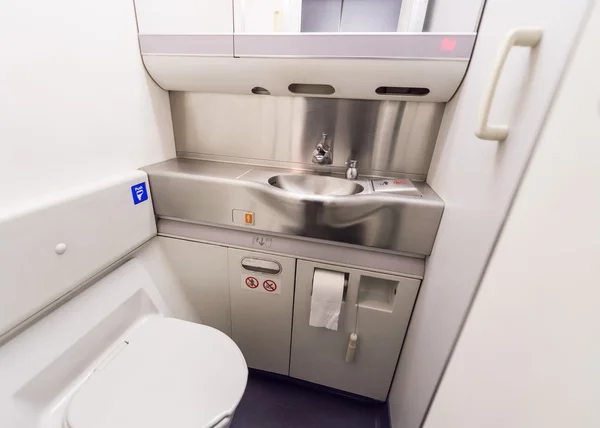
A long flight can expose the body’s least cooperative times. A passenger told of an accident on the plane, “sharted,” as they termed it, and then the unpleasant realities of a small restroom and uncomfortable hours later at their seat. The fear is not only of the physical problem but also of walking down the aisle afterwards, trying to look normal when anything but is felt.
9. The alarm that stole an entire night
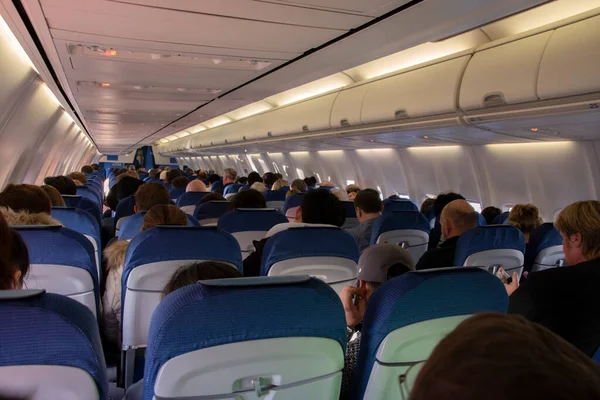
A passenger on a red-eye flight from Istanbul to Cape Town observed that a passenger’s phone alarm was ringing every 30 minutes, making it impossible for the passenger to sleep. The regularity of this experience was itself torture moments of sleep followed by moments of wakefulness. In a cabin where sleep is already disrupted by light, announcements, and cart traffic, the ringing of one device can be the loudest sound in the cabin.

10. The kidney stone crisis at cruising altitude
Some in-flight suffering is sudden, extreme, and obviously medical. In one instance, a passenger’s symptoms included what appeared to be kidney stones, such as extreme pain and vomiting, and an initial evaluation by a remote medical resource suggested a diagnosis and treatment plan using an enhanced in-flight kit. The crew communicated patient information through an in-flight patient evaluation app, paged a medical volunteer, and dispensed injectable pain and anti-nausea medication. The patient was stable enough to continue on to their destination after follow-up care, a reminder that in-flight medical care can transform a crisis into a manageable problem even if the nearest hospital is hours away.
These examples resonate so deeply because air travel is a compression of everything: bodies, feelings, time, and choices. When trouble strikes at 35,000 feet, the fact that there are no exits is the whole idea. But the important takeaway for passengers is not to be afraid, but to be aware of the fact that an ordinary flight can quickly become an extraordinary one, and that what passes for “modern” air travel is in fact a reflection of human endurance as much as it is a reflection of technology.

