
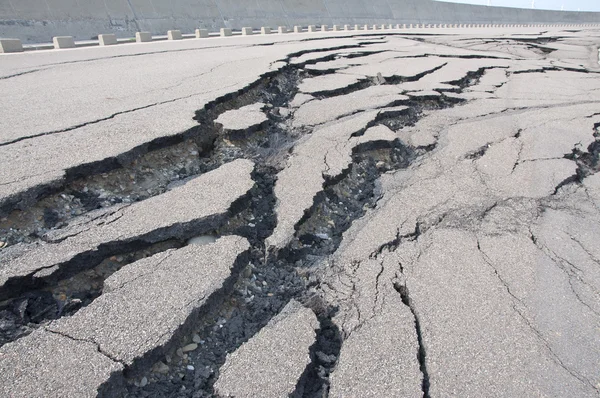
“Light shaking in the Oregon region can be a brief and forgettable experience, but it always has a lasting effect: it brings preparedness from the realm of the abstract to the real world.”
A 6.0 earthquake off the coast of Oregon brought renewed focus to the Cascadia Subduction Zone, the long fault line where the Juan de Fuca Plate is pushing under the North American Plate. Cascadia has been described as having the potential for an earthquake much larger than most people in the region have ever felt.
1. A 6.0 offshore earthquake can still be strongly felt
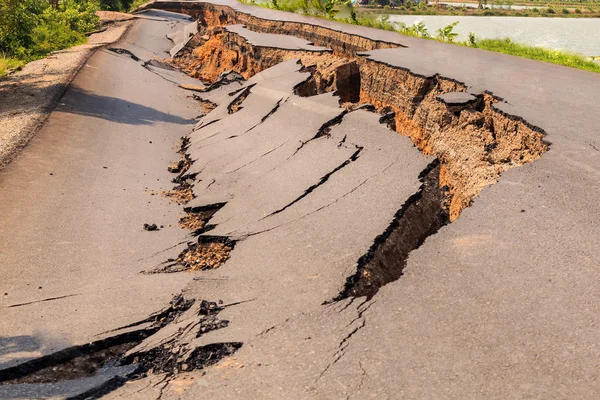
Even if the epicenter is well out to sea, the ground motion can travel and be felt in inland cities. The recent earthquake off the coast of Oregon was felt in several communities, a reminder that distance does not always correlate with impact. The most important lesson for many families is simply this: when an earthquake is felt, it is a reminder to look at what is already available for the first hours after the shaking stops.
2. Aftershocks are more about probability than prediction
Following a larger earthquake offshore, smaller earthquakes can be expected to follow, and emergency managers may prepare the public for this possibility. The U.S. Geological Survey provides scenario-based probabilistic forecasts of the likelihood of aftershocks of various sizes in the following week, including an 80% probability of at least one M3+ aftershock in a comparable forecast period.
In terms of practical impacts, aftershocks are significant because they can introduce new hazards, such as falling objects in buildings, additional stress on already damaged buildings, and disrupted commutes, when public attention has begun to shift.
3. Cascadia is long, locked, and ready to shake violently
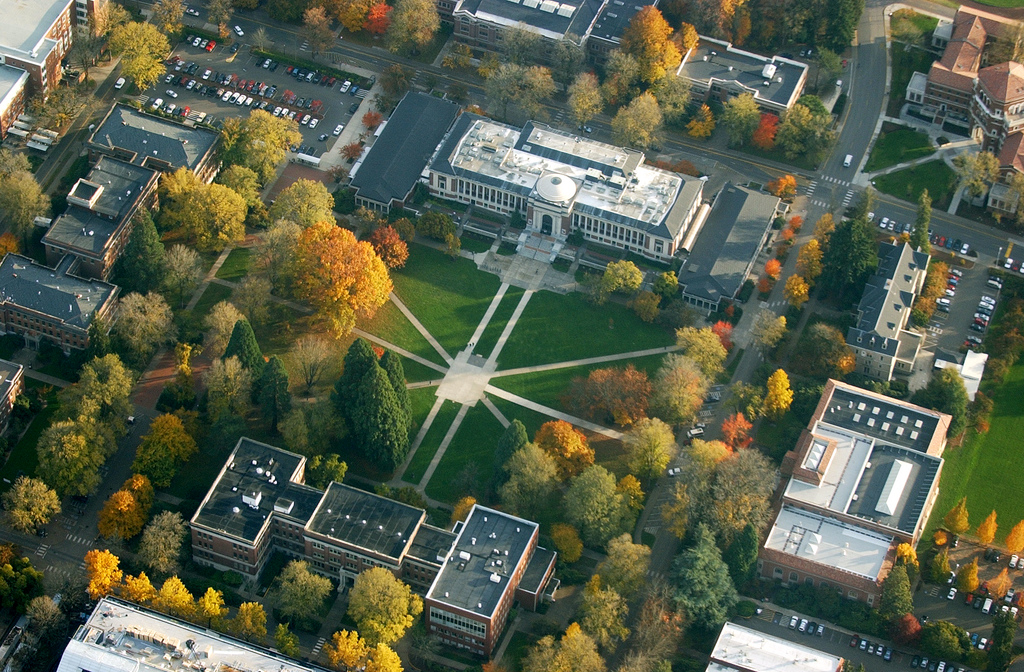
The Cascadia Subduction Zone extends about 700 miles from British Columbia to Northern California. Scientists have long known that the same conditions that cause moderate earthquakes off the coast are also prone to a “megathrust” failure. “The Cascadia Subduction Zone is one of the most dangerous geological features in North America. We know that it is capable of producing a magnitude 9.0 earthquake, and it isn’t a question of if, but when,” said Dr. Chris Goldfinger, a geologist at Oregon State University.
4. Tsunami messages can vary depending on the location and the details of the event
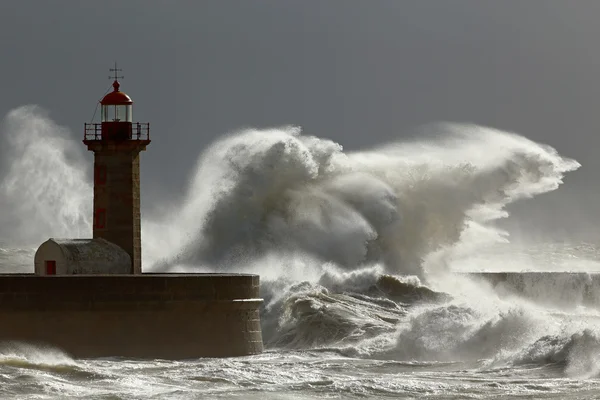
Tsunami language is heard by coastal communities immediately after an earthquake offshore, and warnings are sent to residents. However, an official determination may be made that no tsunami is expected based on the earthquake’s depth, type, and movement of the ocean floor. For the general public, the most important practice is to recognize that tsunami warnings are situational, and residents should follow local instructions and not assume that an earthquake offshore always poses the same risk.
5. Vulnerabilities in infrastructure can escalate a regional earthquake into a national problem
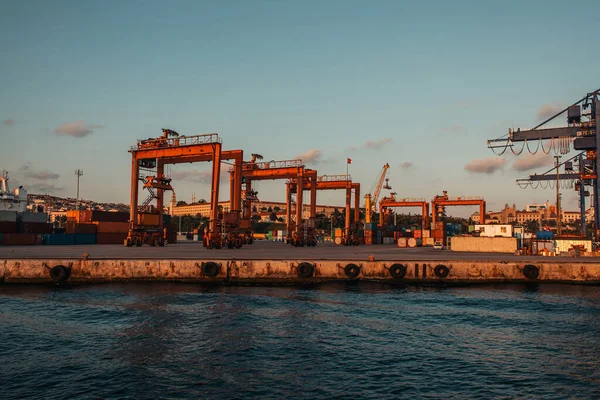
However, preparedness is not just a family issue but also depends on bridges, seaports, fuel infrastructure, and roads that ensure the flow of essentials. The regional planning documents and scenario descriptions commonly emphasize the possible disruption of major transportation routes by a large Cascadia earthquake.

One of the commonly mentioned risks is the I-5 bridge that links Portland to Southwest Washington, and as Transportation Secretary Pete Buttigieg explained in a quote included in an overview of estimates of regional impacts: “You can see how [the I-5 bridge] is showing its age and how catastrophically disruptive it would be if that bridge was unavailable even for one day. I think you would feel the effects across the country.”
6. Damage expectations for building structures assist in understanding “two weeks ready” advice
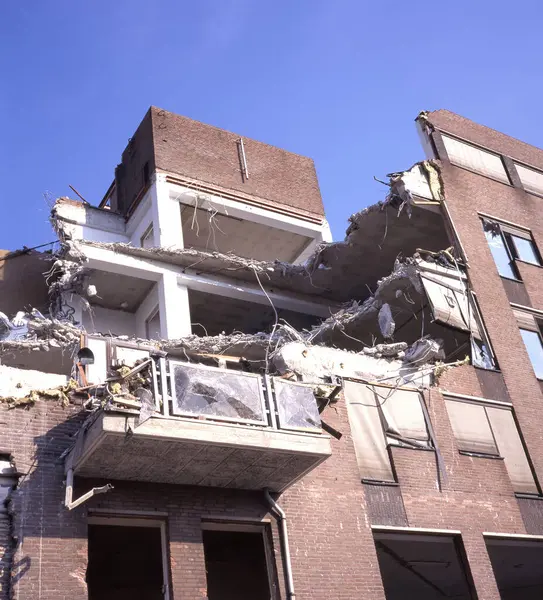
The Large Cascadia scenarios tend to be developed around the services that are impacted by the earthquake, as opposed to the earthquake itself, such as water, power, fuel, and access to medical care. An estimate that is included in the scenario materials suggests that 440,000 residential structures in Oregon and 500,000 in Washington could be affected, with a quarter of these structures being uninhabitable without major repairs, as per the regional impact estimates. It is for this reason that many emergency plans include food, water, medications, and communication that do not require outside assistance.
7. The tectonics in Northern California are more complex than what is shown on maps
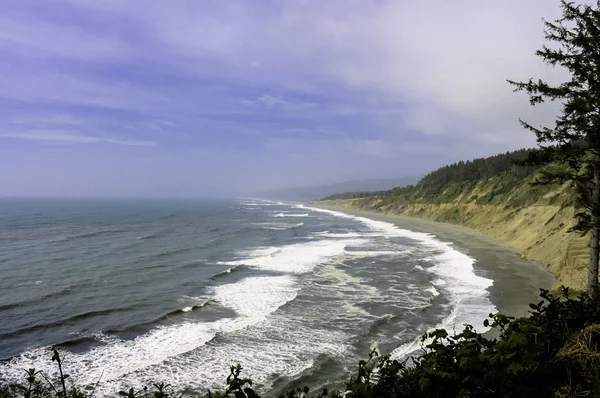
The public perception of Cascadia has been reduced to “one plate sliding under another,” but scientists have proposed a more complex system in the area around the Mendocino Triple Junction, off the coast of Humboldt County. “You can see a little bit of it at the surface, but you have to try to determine what the system looks like below,” said David Shelly of the USGS Geologic Hazards Center.
Studies involving dense networks of seismometers and small “low-frequency” earthquakes have indicated several moving parts below the surface, which is why models of hazard continue to change, even as the daily message has been consistent: major earthquakes are a reality of the West Coast. For the residents, the most significant change that takes place after an offshore quake that has been felt by many people is behavioral, such as checking supplies, reviewing meeting points, and securing items that can fall easily. The ground may settle quickly. Planning takes longer when it is refreshed by a real jolt.

