
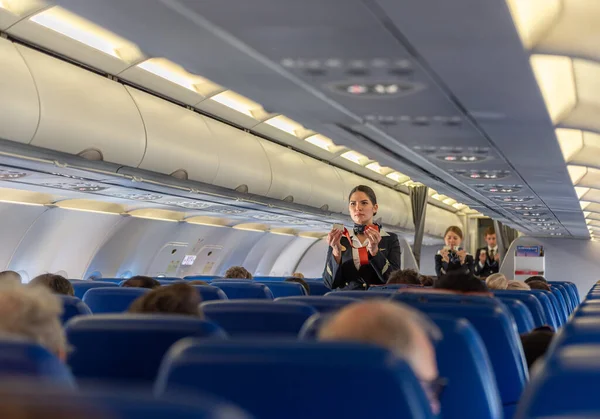
“‘Good intentions don’t always equal good etiquette.’ That’s the cabin paradox flight attendants wish more passengers understood, because what passes for good manners from a seat can cause problems in the aisle, deplete scarce supplies, or disrupt safety-oriented routines.”
In a world that’s measured in inches and in minutes before a door closes courtesy is less about being helpful and more about not being in the way of the crew’s workflow. As Tania M., a flight attendant with almost 20 years of service, says: “We certainly appreciate it when passengers go out of their way to be helpful. usually.”
1. Policing other passengers’ rule-breaking
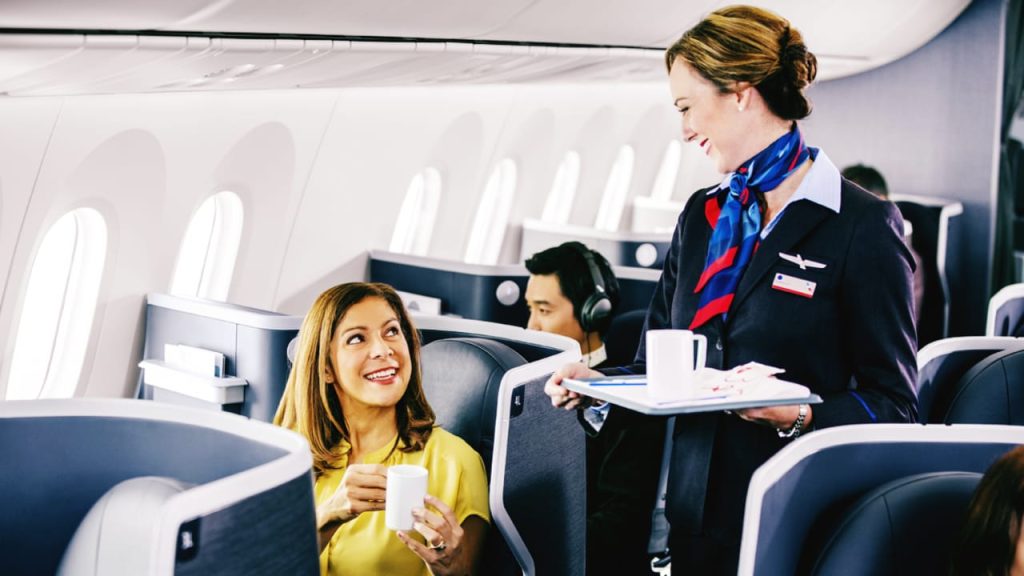
Correcting a stranger’s mask, belt, or posture could be considered a civic responsibility, but the team is trained and equipped to handle issues of compliance without escalating the situation. If there is a need to correct a situation, it would be easier to draw the attention of a flight attendant discreetly and let them handle the situation.
2. The overhead bin as assigned real estate
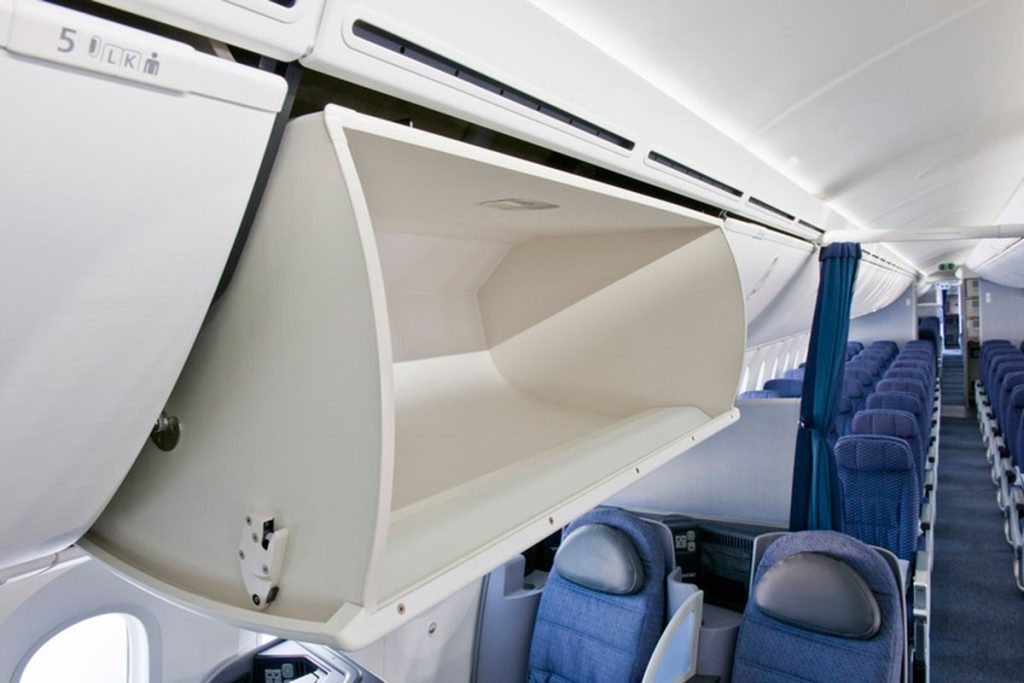
Passengers tend to think that the bin above their area is “theirs,” but the truth is that it is a common area. The quicker boarding strategy involves lifting quickly, putting the bag in a good location, and getting out of the way instead of hanging around in the aisle to solve an ownership problem when space is a concern.
3. Repositioning another person’s bag to make room
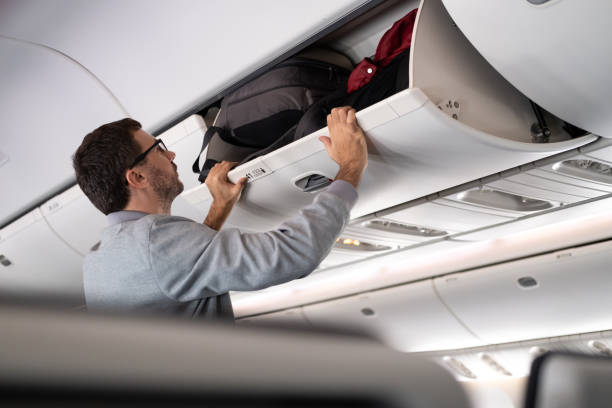
There are few actions that will ignite a debate in the cabin faster than extending a hand to touch another person’s carry-on luggage. Even if it’s only to assist with the Tetris, moving another person’s bag could cause a problem, whether it’s confusion, damage, or an altercation that ultimately slows down the entire process. When something doesn’t quite fit, the simplest solution is to ask the flight attendants to re-route the luggage.
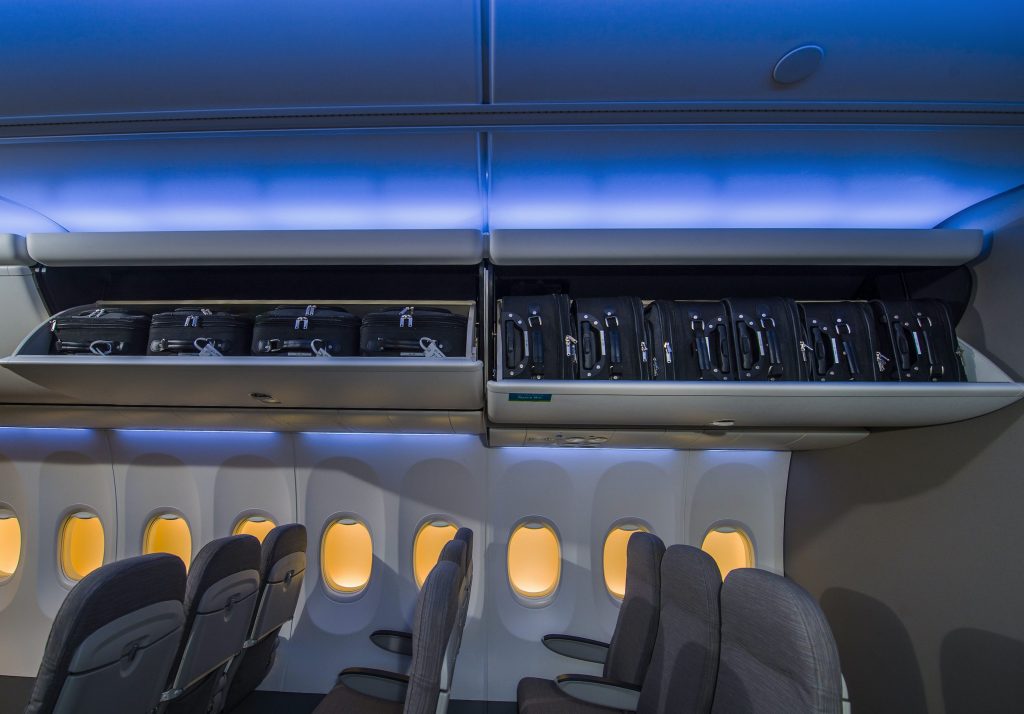
4. Storing small items on top just to leave space on the floor
The habit of stowing all carry-on luggage overhead to maximize legroom is a practice and a cause for the lack of available bins. If smaller luggage can fit under the seat, then the overhead space can be allocated for larger carry-ons.
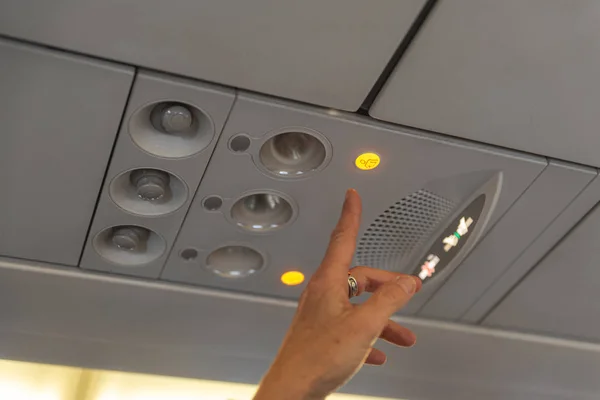
5. Touch as a shortcut for attention
A light touch may seem more gentle-sounding than a call-out, but some members of the crew may not want to be touched while they are working. “Excuse me,” a look, or the call button will get their attention without crossing the boundaries of personal space in an already crowded area.
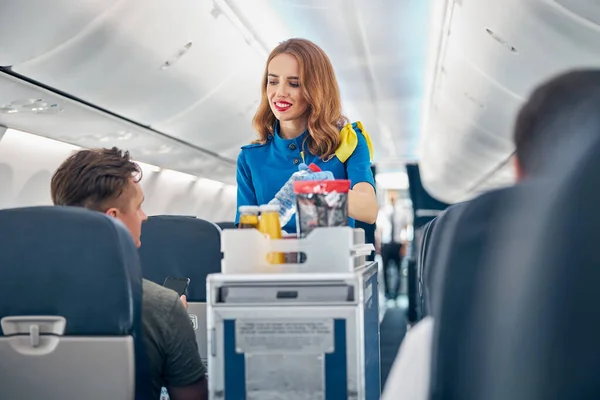
6. Receiving a full refill of the limited water available on board
It would be helpful to have a refillable bottle, but to ask for a refill of the entire 32 ounces may be a burden on the plane’s supplies. Tania M. says, “We just can’t fill up all of your water bottles, or there wouldn’t be enough to offer.”
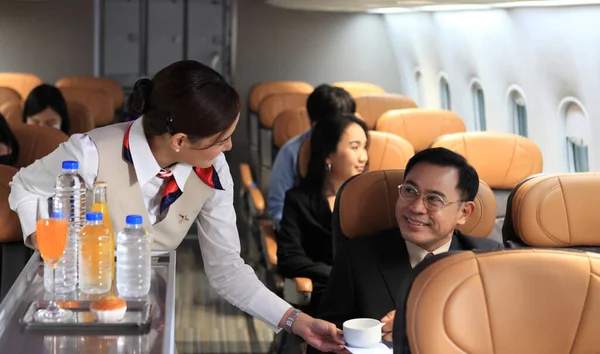
7. Helping oneself to the drink cart
Reaching into the cart for a soda or snack item may seem efficient, but it disrupts the order of service and could potentially cause congestion in the aisle as well. Waiting to be served helps to ensure that the system is predictable, especially if the group is handling carts, hot items, and safety checks in close areas.
8. The call button as if it were casual conversation
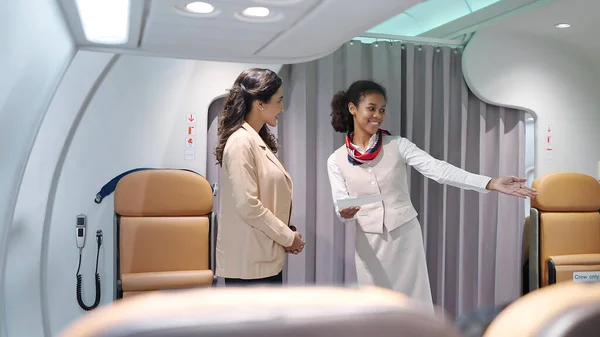
The call bell is easy to use, but it is also closely associated with issues of safety to the point that one cannot be sure if it is a soft drink or an urgent call. There are also instances when it is appropriate to use the call bell, such as in a medical emergency, a problem with the seats, or a spill near the electronics.
9. Showing appreciation to the pilots while disregarding the flight attendants
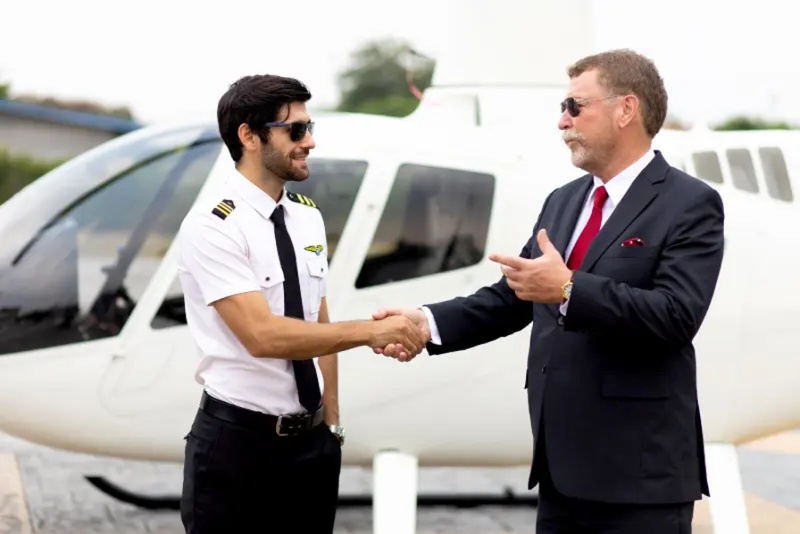
A warm goodbye to the pilots is fine, but it is the flight attendants who are responsible for the safety and rhythm of the cabin. Erica L. writes, “It doesn’t really hurt to have the passengers lavishing attention on the cockpit crew and passing by the people who handled the human logistics of the flight.” A “thank you” to the crew on the way out takes only seconds.
The etiquette of airplane travel seems to be a smaller thing than one might have expected, with less attention to grand gestures and more attention to a recognition of shared time and space, as well as shared resources. When passengers trade “helpful” feelings for simple, crew-friendly alternatives, the cabin will be a more peaceful place for everyone, particularly on those flights where calm is the rarest luxury.

