

Independence at 70 is seldom celebrated with a ribbon-cutting ceremony. It appears in a quiet way through the usual chores that continue to be done without assistance.
Many home chores are “real life” movement screens in that they integrate strength, balance, coordination, and endurance in a way that many exercise machine movements do not. When these activities are still manageable, they can indicate maintained muscle strength, balance, and the ability that promotes aging in place.
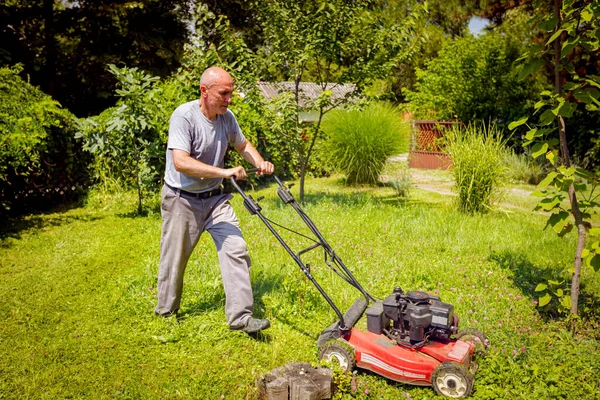
1. Cutting the grass
Cutting grass with a push mower requires leg power, stability of the trunk, and sustained effort, particularly on irregular terrain. It also challenges endurance, as the activity is continuous rather than a short burst of activity. When a senior individual can cut grass without stopping and losing balance, it usually correlates with improved aerobic function and balance that reduces the risk of falls.
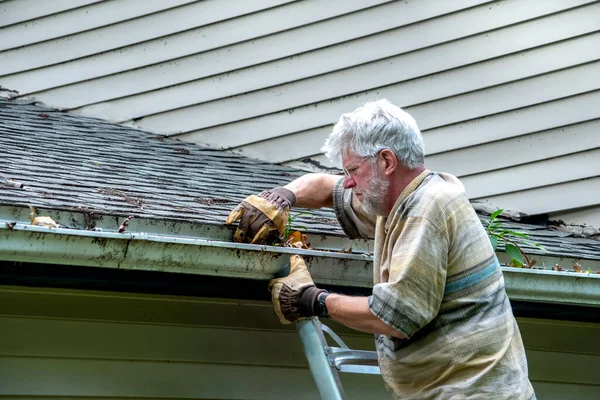
2. Cleaning gutters
Gutter cleaning is a task that packs several more difficult skills into one activity: climbing, standing stable on a ladder, and reaching overhead with the body’s center engaged. These are precisely the kinds of circumstances in which reflexes and balance are most important. Looking back on this period of life, the most prudent conclusion is not that this task “should” be accomplished, but that the ability to do overhead reaching and controlled stepping is indicative of good coordination and flexibility.

3. Lifting groceries without help
Grocery bags are a challenge for grip, shoulder, and gait simultaneously. This is important because grip strength has historically been used as a simple indicator of function, and sarcopenia can make even light weights feel heavy. Muscle loss with age affects 5% to 13% of individuals aged 60 to 70 years, increasing to as high as 50% of individuals aged 80 years or older, as outlined in a resource on fighting sarcopenia.
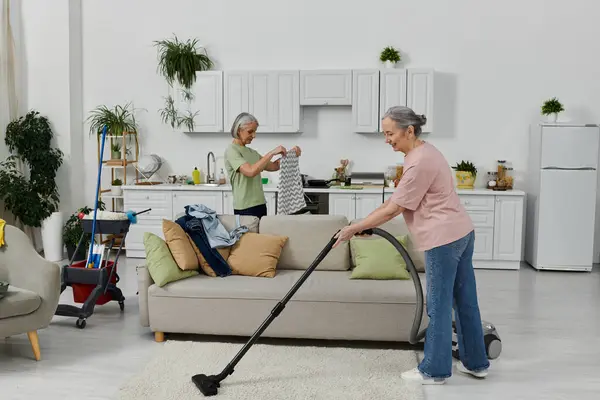
4. Regular vacuuming and sweeping
Floor work is a deceivingly challenging activity, involving pushing and pulling, shoulder rotation, and trunk control during walking and turning. It may also involve uneven stamina, as many individuals can begin well but taper off halfway across the room. Maintaining a pace with the vacuuming or sweeping activity is likely to involve preserved endurance and sufficient strength in the back and hips to remain comfortable with repetitive motion.
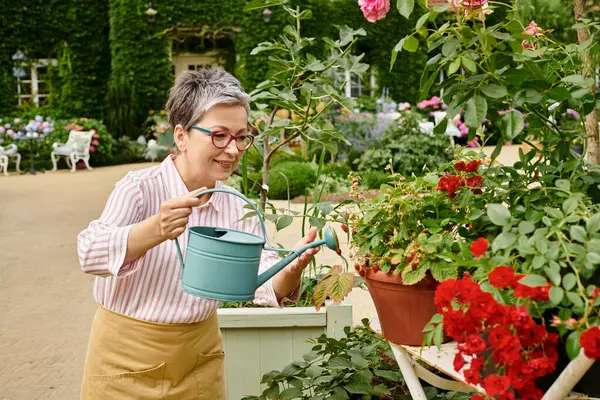
5. Gardening and plant maintenance
Gardening is full-body exercise: digging, lifting dirt, kneeling, getting up and down, and precision work such as pruning. Gardening also has similarities with functional strength training. The CDC lists activities such as digging, while gardening, as examples of strengthening activity. Adding strength training at least twice a week, along with aerobic exercise, was found to reduce the risk of mortality, and adding the two to 2.5 hours of aerobic activity was found to reduce the risk of death by 30% in a JAMA Network Open analysis.
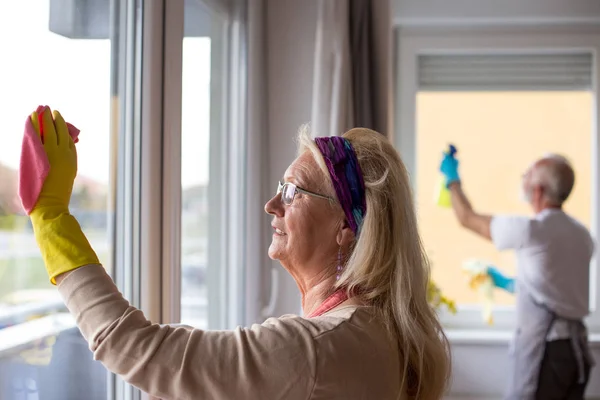
6. Washing windows or high surfaces
Reaching overhead while keeping steady is a balance and shoulder mobility test all in one. It requires precise weight shifting and body positioning, particularly when reaching sideways or slightly leaning. When an elderly individual can reach overhead without wobbling or holding on to nearby furniture, it is a sign of strong core stability and balance techniques that are important in everyday reaching, such as reaching into a cabinet, closet, or shower.

7. Removing the trash on a weekly basis
Trash day is often a time of awkward carrying: lifting a bag of trash, rolling a heavy trash bin, dealing with curbs, and turning while carrying. This combination of tasks can reveal vulnerabilities to sarcopenia, especially in the hips and core. Doing it easily indicates functional strength, one of the real keys to remaining independent.
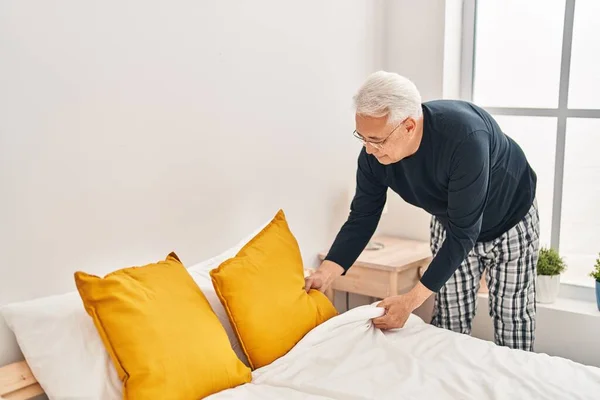
8. Changing bed sheets
Sheet changes demand more flexibility and grip than most people think. There is bending and twisting at the corners, pulling fitted elastic, and lifting heavier bedding. Because the work is done in tight spaces and at awkward angles, it also challenges joint flexibility and tolerance to repeated getting up and down from the bed.
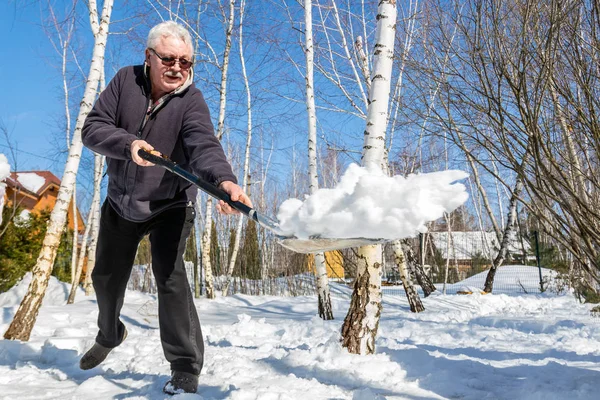
9. Shoveling light snow
However, snow removal is a different story in which the physical demand may rapidly increase, even if the task appears to be small. According to the American Heart Association, the heart rate of the study participants exceeded 85% of the maximal heart rate after only two minutes of snow shoveling, as indicated in the guidelines for snow shoveling strain. Being able to remove snow from a small area may be an indication of excellent conditioning, but it also indicates the importance of pacing and medical advice for older individuals.
These exercises are not “tests” to be passed or failed. They are a glimpse into how strength, balance, and endurance manifest in everyday life sometimes more accurately than a fitness tracker. But when the tasks of daily living begin to feel more challenging, one can still restore safe movement. Practitioners will commonly employ balance and leg strength exercises, such as sit-to-stand training and progressive standing balance, to decrease the risk of falls.

