
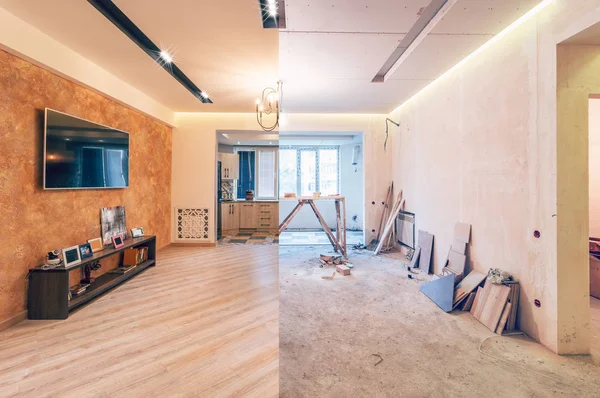
‘Every house has a few secrets in plain view: a wall plate that no longer connects to anything, a ceiling texture that was chosen to hide yesterday’s problems, a room reserved for guests who don’t arrive in the same way anymore. These are not ‘bad designs’ so much as designs in the process of a conversation with technology, family habits, and the way people use space.’
The reason why these holdovers are worth paying attention to is that many of them were once believed to be intelligent or even luxurious design choices. Many of these holdovers are now being torn out unseen during renovations, while others are being given a new interpretation with better materials.
1. Formal living rooms that remained too formal
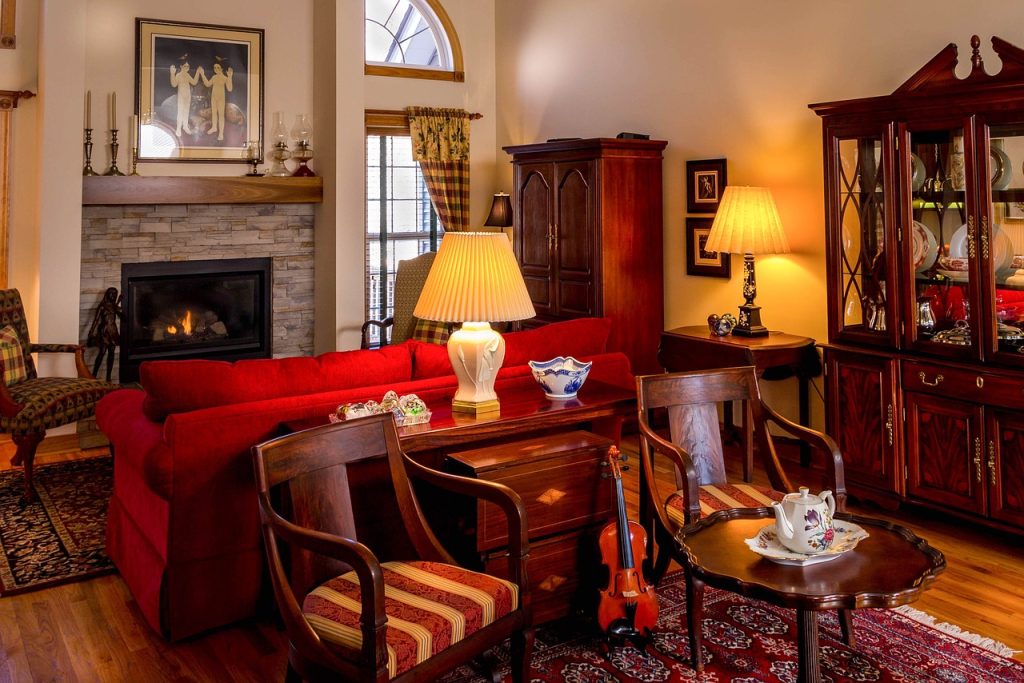
For many years, the formal living room was a room that was meticulously maintained and occasionally used. However, with the growing trend of room arrangements and lifestyles, the “special occasion” room has come to be seen as a luxury of space that few families want to maintain. The trend is toward areas of the home that can accommodate homework, guests, and quiet time without needing a different set of rules.

2. Telephone niches that lost their lead role
The recessed shelf in the hallway was where the communication system of a family was centered: the landline phone, the message pad, and the pacing area for long calls. However, with 97% of American adults owning a cellphone, such areas are now more like punctuation marks in architecture that lack a sentence to complete. Some have been converted into display shelves, key drops, and mini galleries.
3. Wall phone jacks in rooms that no longer “need a line”
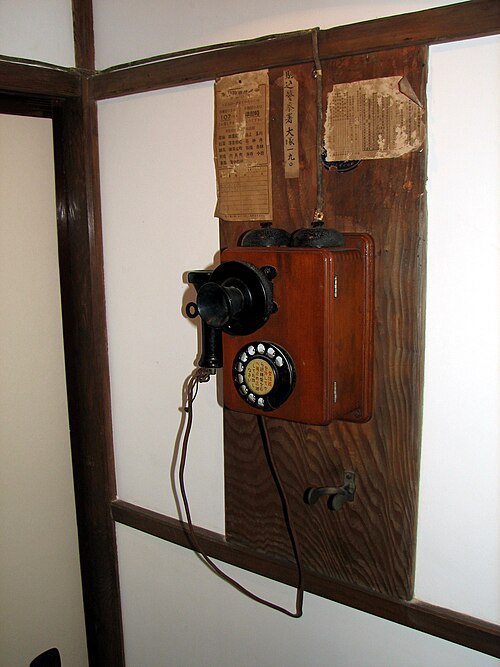
There are a number of jacks that were once considered convenient: bedroom line, kitchen line, basement line. These are now left as leftover hardware toys, small but loud. Some people choose to patch, while others choose to cover. Solutions to this problem could be to use the space as a message center or to hang artwork because of the shallow depth, which would make a canvas an easy solution.
4. Ironing boards that had stopped earning their keep
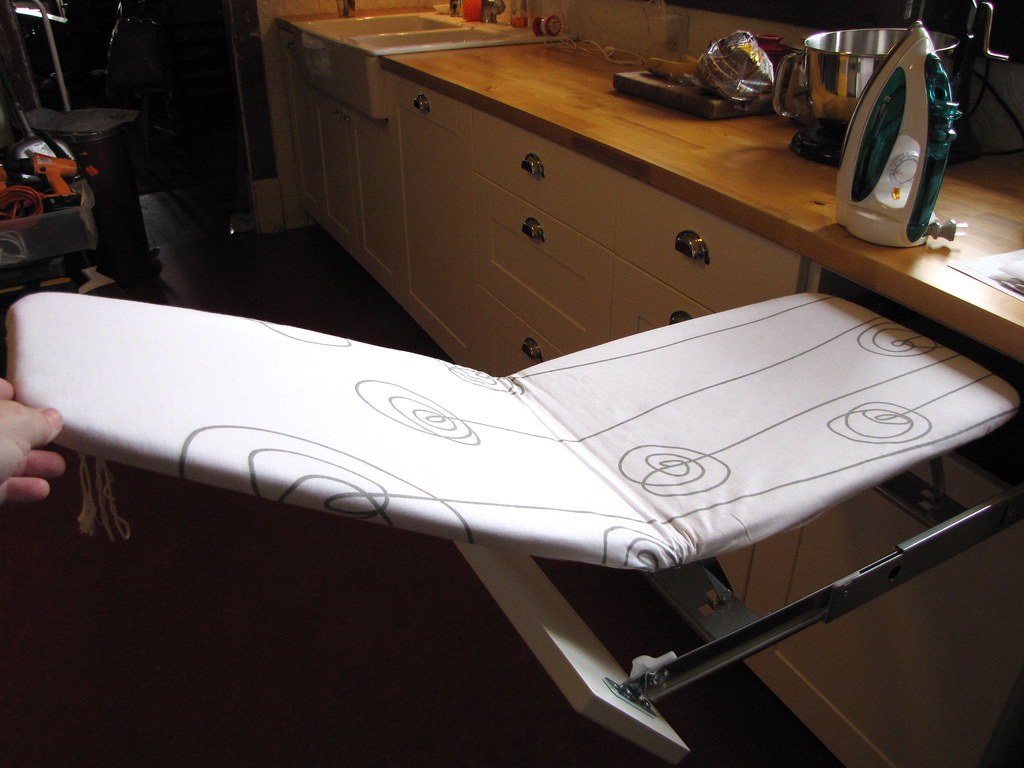
The fold-away board nestled into a kitchen or laundry wall was a tidy indication of a well-organized home. With the advent of new fabrics and new appliances, there is less need for a dedicated built-in, and the fact is that many families would rather have something portable that can be used only when needed. Today, what is left is often a nostalgic reminder, especially in older homes, but it is unlikely to reflect the current laundry habits.
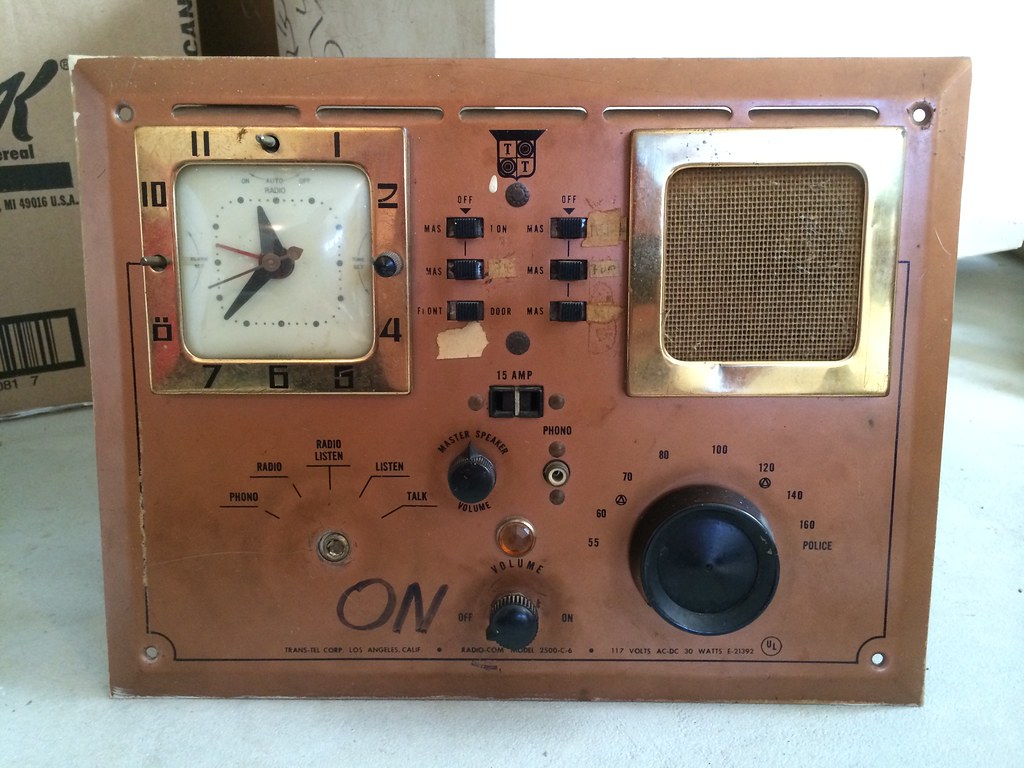
5. Intercom systems replaced by pocket-sized communication
The wall-mounted intercoms were very efficient since all the people were called for dinner without having to yell. However, they soon became outdated with the invention of phones, speakers, and video doorbells, which improved communication in the house. During renovations, the panels are usually torn down, and a patchwork is left as a reminder of the past age of technology in the house.
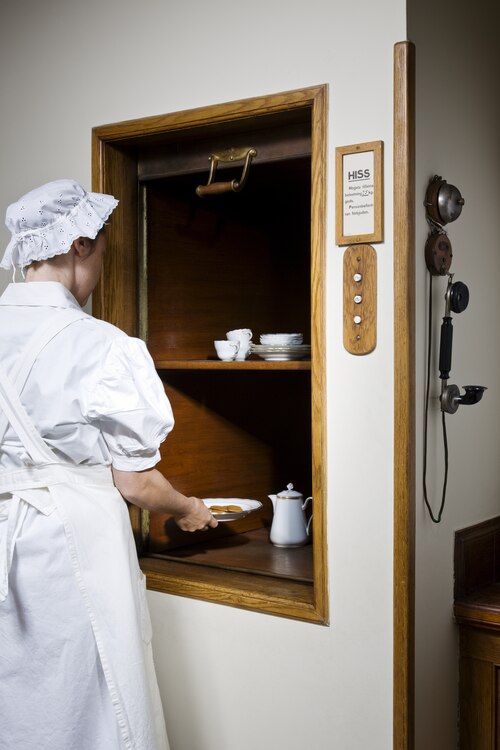
6. Dumbwaiters that sacrificed innovation for lost wall space
Dumbwaiters were useful in taller homes where there were distinct zones for cooking and eating, particularly in situations where there was a communal tradition of carrying trays up the stairs. In modern design, kitchens are situated close to zones of assembly, and the shaft occupies precious space. They are still used in old buildings, where they can be a charmingly specific detail a reminder of how families used to move food, laundry, and goods through their homes.
7. Popcorn ceilings that went from convenient to complicated
The textured ceilings could hide damage easily and were easy to install, but then came the demand for less textured ceilings and more light. The larger problem is the safety of existing structures, which is proved by the risk assessment in 2024 by the EPA, showing that asbestos related to past use that is disturbed and worked with is an unreasonable risk to human health, but not if it is left alone. This is why most home renovations consider the ceiling texture section of a renovation a warning zone and not a weekend project.
8. Dark wood paneling that imprinted a decade on a room
Wood paneling, in its more popular form, came to represent a certain decade. However, wood paneling has never ceased to be architectural; it simply needed better design. There is a current trend in its use as a means of adding warmth and interest, as Pierce & Ward’s Emily Ward said: “Everyone is tired of white, smooth surfaces.”
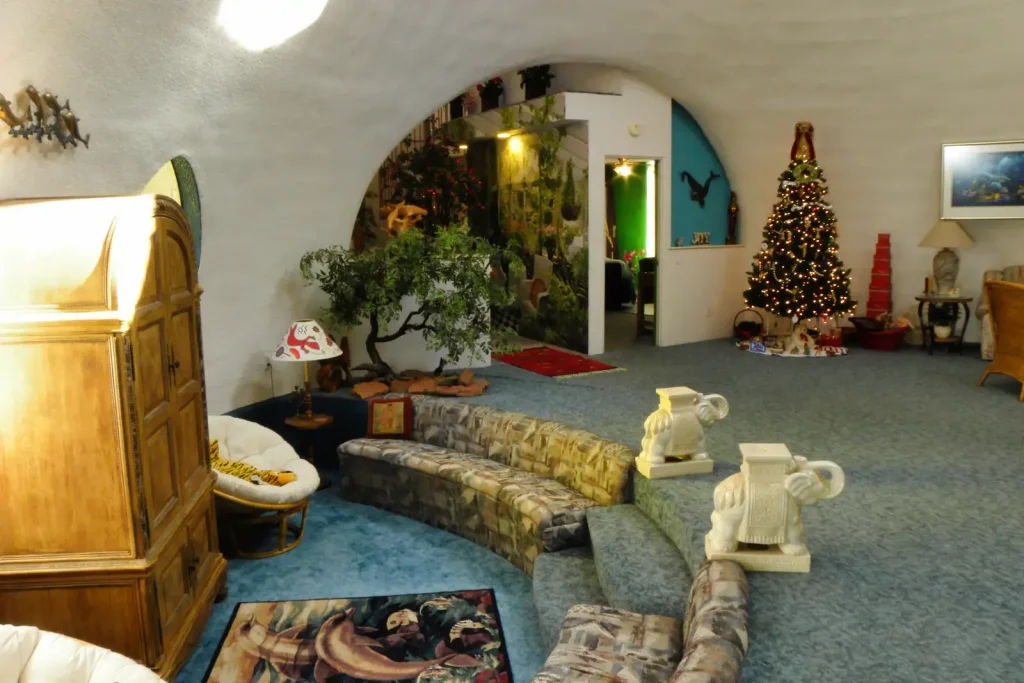
9. Sunken living rooms that were contentious and floors
The conversation pit was a temporary fix for ambiance: a depression surrounded and socialized. It also added a new hazard to navigate in the middle of the typical path of traffic, which is why many conversation pits have been filled in and not repeated in new construction. However, the concept has been reworked in a new way to “broken-plan” intimacy in open plans, or as a furniture-focused reinterpretation that distills the concept without altering the architecture.
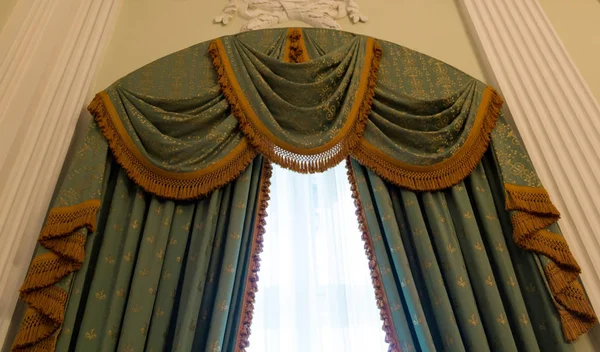
10. Heavy drapery and valances that obstructed the best light
Swags and valances that layered and were thick once indicated wealth, but in truth, indicated less light in a room and smaller windows. Modern window treatments are more about light and air, which is how light is essential to comfort.
It is not about minimalism but about architecture and views doing the decorating. This is continued because houses are beyond trends. The best renovations never forget the past but reinterpret it, keeping what is good and leaving what is no longer needed behind.

