

So many people think that younger Christians have the same issues as older generations. But that’s not quite true. The truth is, many people under 30 who grew up in church find that they’re simply not happy with the same longstanding practices & expectations that other generations seem to fly with. It’s enough to make some of them walk away entirely. Here are nine church traditions many younger Christians reject.
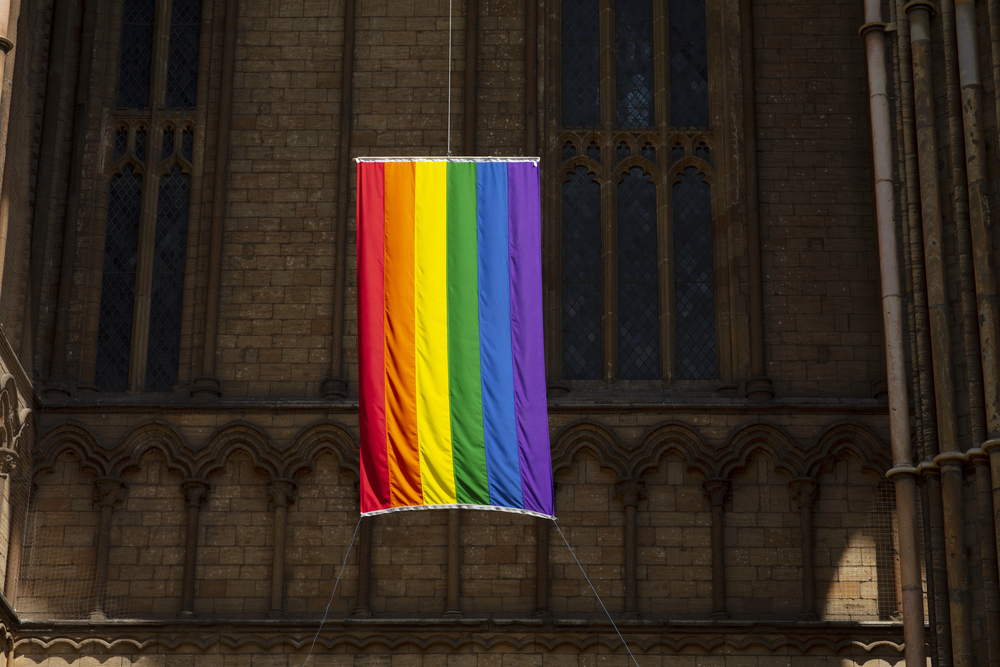
1. Treating LGBTQ teachings as a moral issue
Quite a few churches continue to treat LGBTQ+ identity or relationships as something sinful. A few of them will also treat LGBTQ+ people as though they’re something to be fixed, and it’s not something that many younger adults are willing to tolerate. PRRI polls found that approximately 60% of young people claim they left their childhood religion due to “negative teachings about gay & lesbian people.” They’re unhappy with how religion treats people of other identities.

2. Women kept out of leadership roles
It’s a fact that many Protestant & evangelical churches continue to restrict women from leadership positions. They’re neither allowed to serve as pastors, nor are they allowed to preach to mixed-gender adult groups within the religion. Young people don’t like that. Female participants from the American Survey Center said that unequal treatment in church was an important reason as to why they left their flock. They dislike being told that leadership is only for men. It doesn’t seem to make sense to follow such a rule when life outside the church doesn’t hold the same kind of value.

3. Purity culture & abstinence pledges
Youth groups have pushed purity pledges for decades. These involve teens promising not to have sex until they’re married, and such a promise seemed to work for many generations. But not the younger crowd. The idea of waiting until marriage doesn’t necessarily fit young people’s experiences or choices around their relationships. In fact, groups like the “exvangelical” movement have rejected purity culture because they claim it’s damaging. Whether or not you agree, it’s quite clear that young people aren’t happy about being told what to do with their bodies.
4. Using the pulpit for political messages
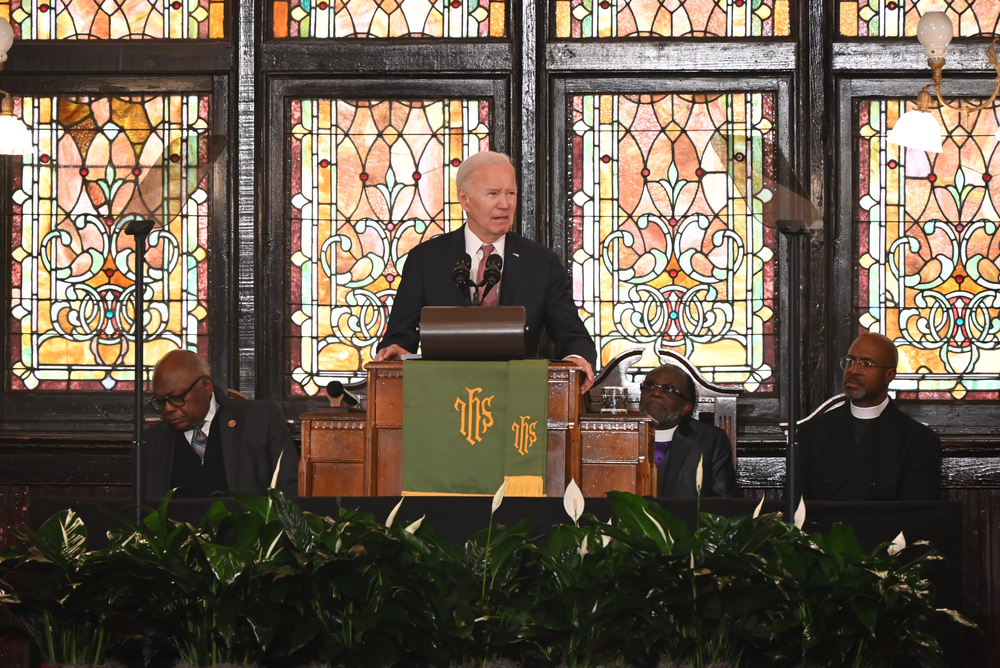
Many congregations include a side of politics with their preaching, and it often leads to sermons discussing partisan issues affecting the entire congregation. It’s not something young people like. PRRI polling found that politics was a leading factor among young people deciding to leave the church, as they feel that their childhood faith had become “too political.” They’d rather the church be a place for faith. For them, church leaders talking about politics or issues in the news are overstepping the boundary, and young people would rather not deal with that at all.

5. Absolute trust in clergy decisions
Many older churches tend to support the idea that the pastor always knows best for their flock. It doesn’t matter that they’re dealing with a sensitive life issue because the flock is supposed to do what the pastor tells them. At least, that’s what some churches believe. Yet PRRI data show that younger adults, ironically, have less faith in religious leaders in terms of honesty or ethics. Their belief is notably less than that of other adult groups. The youth believe that accountability & transparency are far more important in religion than unquestioned authority in a single leader.

6. Quiet handling of abuse & grievances
Unfortunately, far too many churches have had to deal with issues of misconduct and abuse. But not all of them did it in the way that young people would’ve liked. Some churches tried solving allegations privately, without any police involvement or public accountability, and that especially frustrated young adults. They tend to believe that these issues should be openly addressed to avoid them from happening again. Churches that fail to do so may find themselves getting repeatedly rejected by young people who want accountability.
7. Making weekly worship attendance feel mandatory
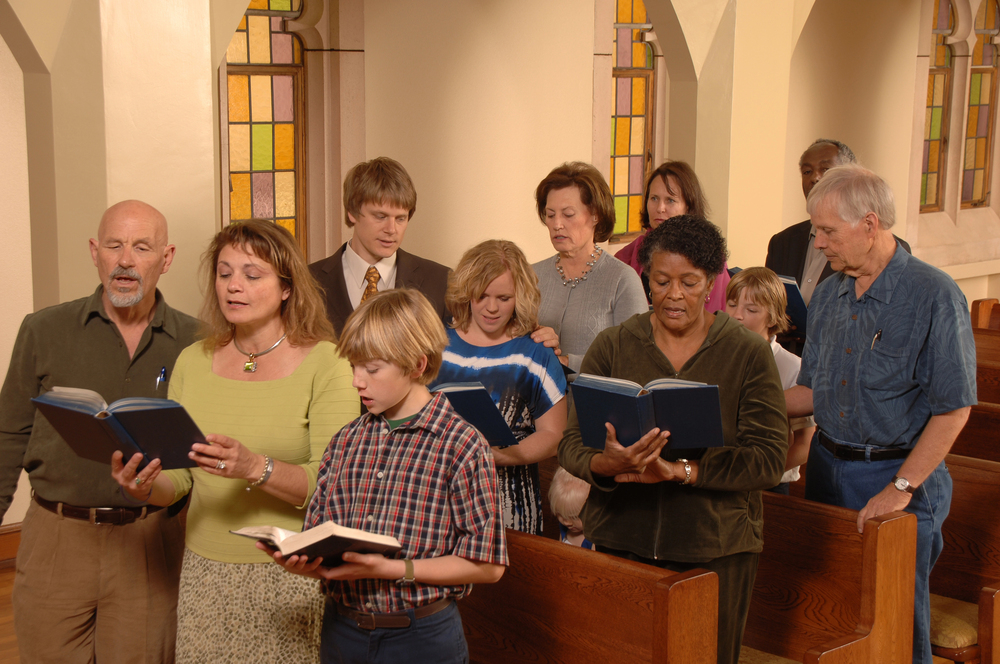
Certain denominations of Christianity, like Catholicism & Protestants, often present weekly attendance at church as a must. They may judge flock members who don’t attend regularly. However, such rules don’t go down well with young adults, especially since Pew Research data shows that people under 30 attend religious services far less frequently than older adults. They don’t make weekly services a priority.

8. Frequent confession expectations
Another expectation of some church groups is that followers should routinely confess. Many Catholic communities teach confession as a regular spiritual practice for the entire flock, but many young people don’t agree. Pew Research surveys have found that a large number of young Catholics claim they never go to confession. That’s not to say that they don’t have their own ways of dealing with their mistakes, but simply that they don’t agree with making confession a personal habit. They choose to leave the church instead of doing that.

9. Sticking to long-held rituals
One of the biggest things that young people dislike is the fact that many congregations hold onto traditions. They don’t like that some churches will retain their customs simply because they’ve always done it that way, despite the fact that young people stop attending as a result. Young people would like for churches to update their traditions. They may not necessarily want a complete overhaul, but rather, something that brings the customs into the 2020s a little more.
None of these traditions will disappear from churches overnight, nor should they. But it’s clear that younger Christians have rejected quite a few of them. Churches are currently wrestling with how they should respond to the demands of the younger crowd. It’s yet to be seen what they’ll decide.

