
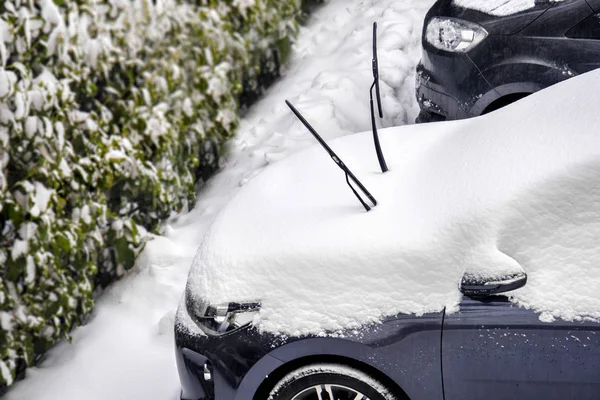
Winter weather doesn’t have to be severe to cause car problems. A thin layer of ice can make a morning commute a visibility issue, a traction issue, and if the battery or fuel level is low, a ‘stuck where it is’ issue.
The best prep work is simple, quick, and easy to forget until the driveway is icy. The idea is not to overthink it, but to minimize the few predictable failures that appear when the temperature goes low.
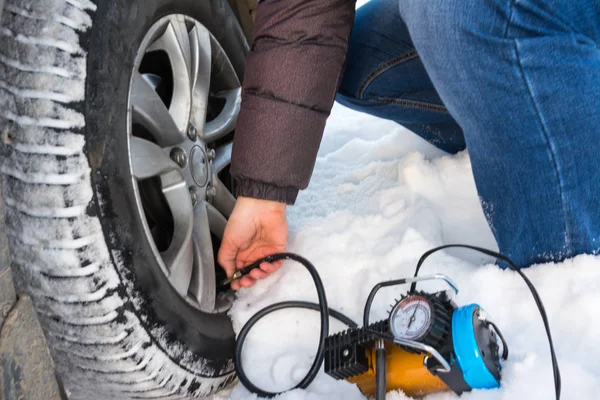
1. Tire pressure should be set according to the car’s sticker, not the tire
The cold air reduces tire pressure, and this can affect traction when the roads are wet or icy. The tire pressure should be set to the recommended number indicated on the driver’s door frame or in the owner’s manual, not the highest number on the tire sidewall. The biggest advantage is consistency, as checking before a cold snap can prevent the tires from being driven when they are already below the safe range. Most garages can also check the tire condition during routine maintenance, which is important when traction is already a concern.
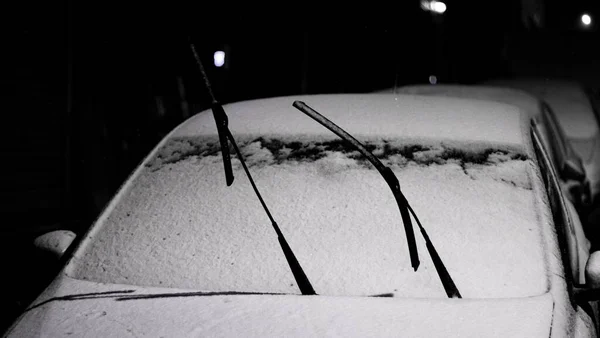
2. Choose wipers according to the wind, not habit
Engaging the wipers to go up may prevent the blades from freezing to the glass, which will help to avoid torn rubber and ensure that the motor does not strain against the stuck blades. However, on the other hand, some experts state that leaving the wiper arms up in strong winds may cause them to bend or break, while frequent positioning of the wiper arms up may stress the springs that press the blades against the windshield.
In situations where there is little wind and ice is forecast, the lifting wipers may be a good option. In situations where gusty winds are forecast, it may be better to keep the wipers down and remove the snow before heading out.
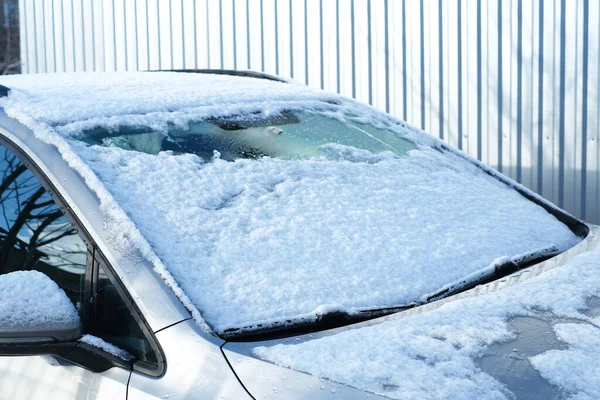
3. Visibility as a system: fluid, blades, lights
Winter conditions cause visibility problems to add up quickly: dirty spray, streaking blades, and poor lighting make it more difficult to see lane markings and hazards. Before winter, check and top off windshield washer fluid, make sure blades are not dirty or streaking, and check headlights, brake lights, turn signals, and emergency flashers. If towing a trailer, trailer lights should be checked as well.
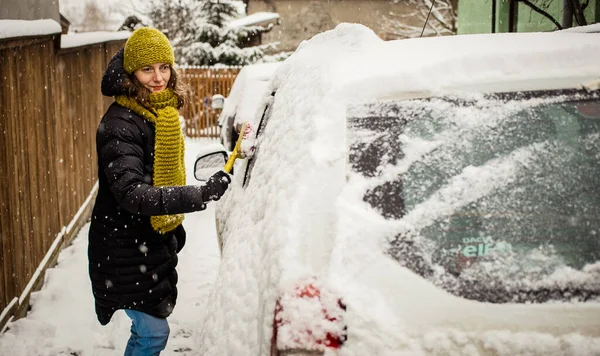
4. Avoid hot water and vinegar “tips”
Pouring hot water on an icy windshield can cause glass to break. Other safer methods include using the defroster on the car and using a soft brush to remove snow and a plastic scraper for ice.
Tips on using vinegar and water are common, but the technique is more famous for its use in preventing frost from forming than for its ability to melt ice. There is also the risk of using the technique, as even if the household vinegar is not strong, it could come into contact with paint or trim.
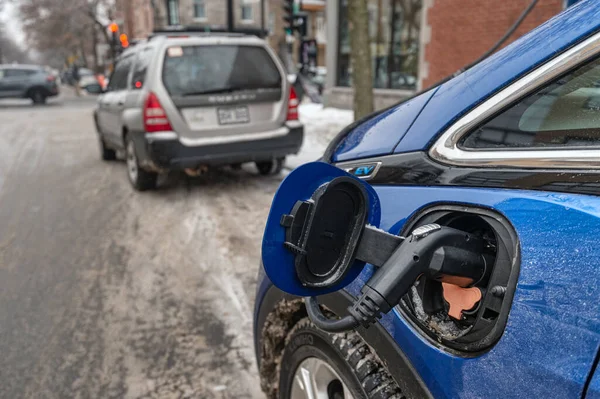
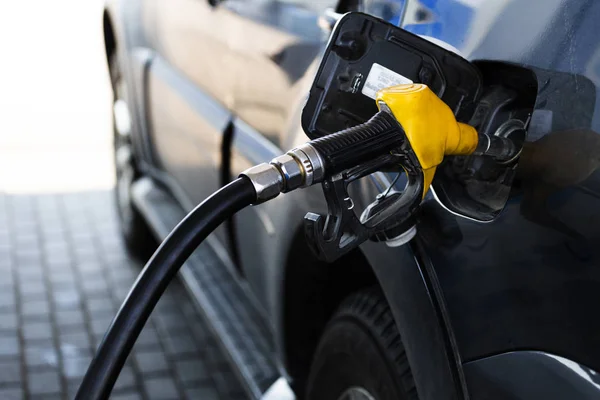
5. Maintain high energy reserves: fuel for gas cars, buffer for EVs
In freezing temperatures, a full gas tank means less chance of being stranded with no heat. For electric and hybrid cars, cold temperatures mean less battery power, and heating the interior, defrosting, and other cold-weather accessories use more power.
Range reduction was found to begin as low as 40°F in independent winter range testing, and at 16°F, highway ranges were about 25% reduced compared to ranges in warmer temperatures at the same speed. Following a departure schedule to warm the interior while still connected resulted in a noticeable improvement of 5% to 7% in range, with some cars finishing with a few more percentage points of charge.
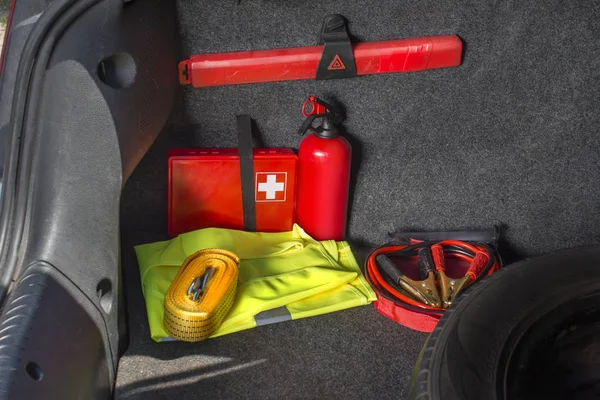
6. Pack the few items that solve the most common problems
A basic kit will provide for traction and safety: an ice scraper or brush, sand or kitty litter, jumper cables, a flashlight, warning devices, a first-aid kit, blankets, water, non-perishable food, a phone charger, and needed medication. This is the difference between waiting safely and waiting dangerously if a car cannot move.
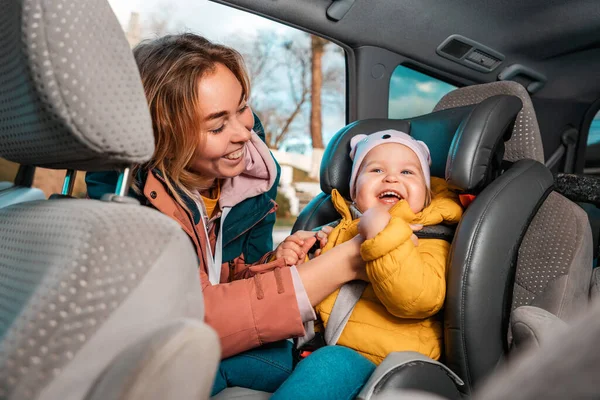
7. Incorporate winter car seat changes into your routine
Bulkier coats may produce hidden slack beneath the harness, thus reducing the safety offered by the harness in the event of a crash. According to Emily Thomas, Consumer Reports’ auto safety expert, “It increases the risk of injury because you have all this extra space that disappears when the car crashes.” One way to test the harness is to buckle the child into the harness while wearing the coat, then unbuckle and buckle again without adjusting the harness; if the webbing can be pinched, then the coat created unsafe slack.
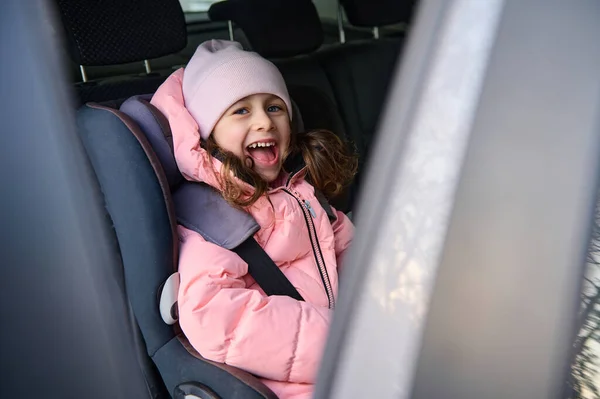
The safer way is simple: Children should be buckled up snugly over light layers, and then a coat or blanket can be layered on top. Most winter failures are not so mysterious. They are predictable vulnerabilities low tire pressure, poor visibility, low energy stores, and lack of basics that all appear at once. A quick checklist done before the temperatures become low will often avert the longest and coldest problems that may arise later.

