
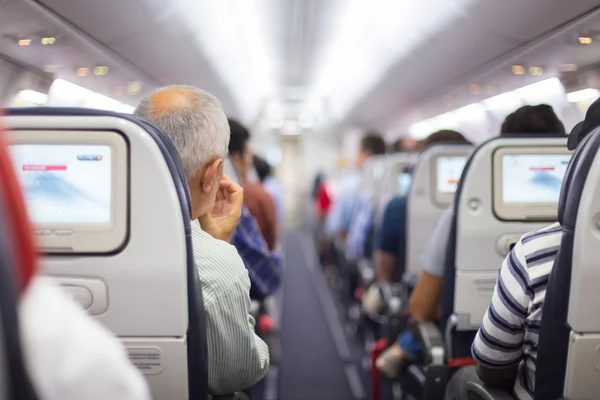
“Air travel is choreography: carts moving through narrow corridors, safety procedures integrated between service and a cabin full of people trying to be comfortable in a shared, narrow space. Many passengers act with genuinely good intentions to help, to correct a rule being broken, to ‘fix’ a crowded overhead bin but add their own friction to the crew’s.”
What flight attendants notice most is not grand courtesy. It is the passenger who protects the flow: someone who understands that the cabin is a workplace first, and that a smooth flight depends on small decisions made at the right time.
1. Playing rule enforcer with other passengers
Although correcting the stranger’s use of the seatbelt, mask, or cell phone may appear to be a civic responsibility, it can also be the spark that ignites a conflict that the crew will have to resolve. Flight attendants are trained to be able to read behavior early, to be authoritative and calm, and to resolve without turning a problem into a spectacle. If there is a problem that needs to be solved, the best way to handle it is to do it quietly, by pointing out the problem to a member of the crew and letting them decide what to do with it.
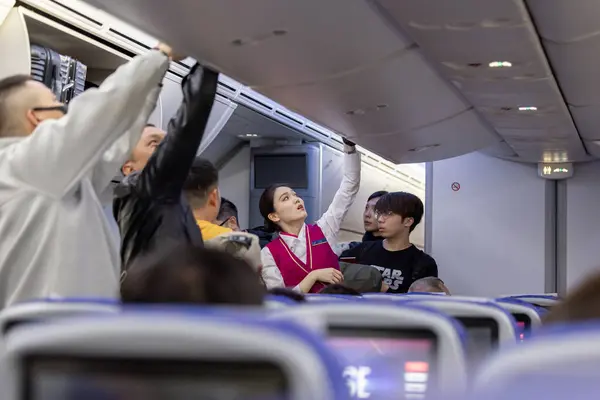
2. Rearranging overhead bins like a personal puzzle
The overhead bins are like vacant land, but the flow of other people’s bags is confusing and fosters a sense of distrust, especially if the person has packed delicate items or needs medication as soon as they land. Flight attendants also move bags in a manner that optimizes the efficiency of the cabin, and any unexpected motion will disturb this. Flight attendants are always reminding passengers that the bags in the overhead bin are not for the row below it, which is exactly why interfering with someone else’s spot is a recipe for disaster.
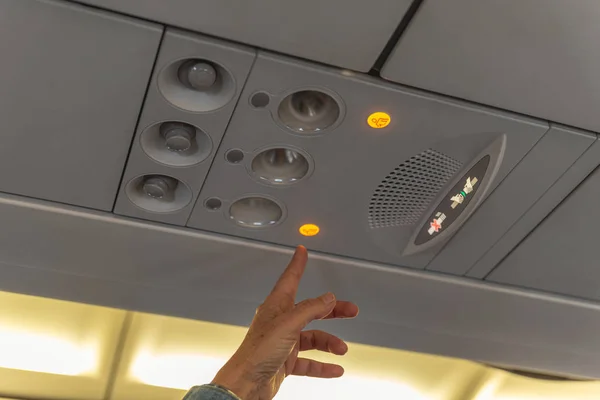
3. Touching a flight attendant to get attention
A tap may seem less aggressive than shouting, but most of the crew do not want to be touched period. “It’s one of the biggest pet peeves,” said one flight attendant about being tapped repeatedly by strangers. “It gets old quickly,” she said. “If I’m close enough for you to tap me, I promise I’m close enough to hear you,” said another flight attendant. An “Excuse me” or the call button is the proper way to do it, especially in a crowded aisle.
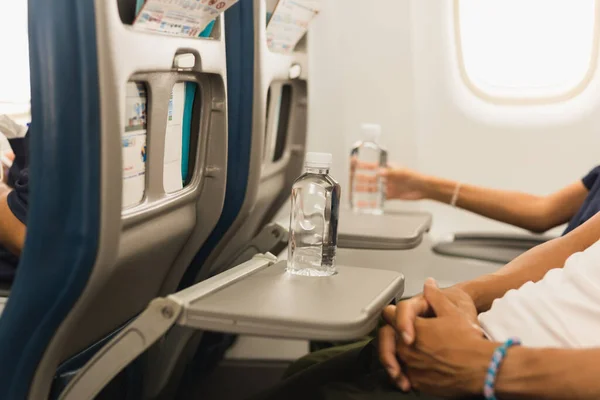
4. Requesting a full refill for a large container
Packaging a refillable water bottle is a very good travel tip, but asking for a refill of a large amount of water on an airplane can put pressure on the galley, which is stocked with enough water to serve a full portion. Tania M., a flight attendant with almost 20 years of service, explains, “We just can’t fill up all of your water bottles, or there wouldn’t be enough to offer.” The best way to refill your water bottle is after going through security.
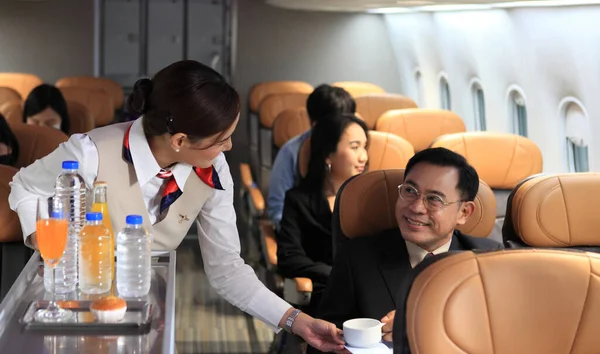
5. Helping oneself to the drink cart
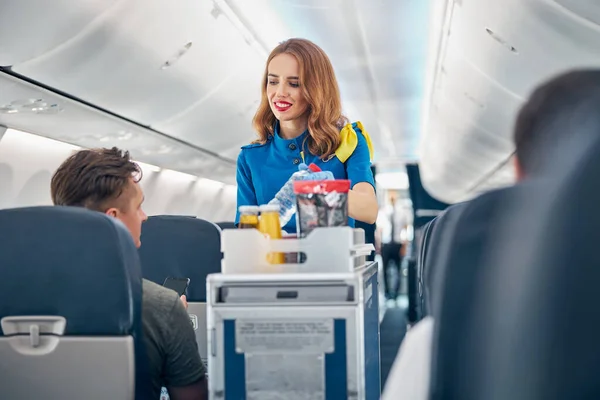
Reaching into the cart for a soda may seem efficient to the individual performing the task, but it may look like a mess to the individual attempting to keep the flow of service organized in a narrow aisle. The cart is also a controlled workspace with hot materials, cups, and sanitation processes. Waiting a few minutes keeps the system that holds all of the individuals served.
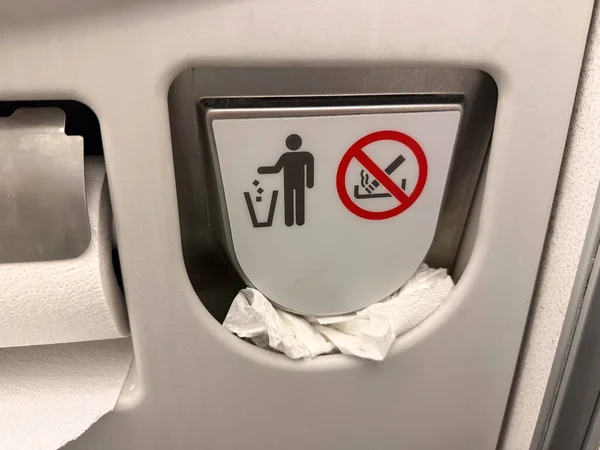
6. Transfer of hazardous waste
Used tissues, diapers, or anything with bodily fluid is not a “quick toss” item to be placed in the person’s hands. The hands of the cabin crew members must be clean in order to serve food and ensure safety standards, and they cannot view every trash handoff as safe. Used diapers should be disposed of in the lavatory trash, and for needles, the FDA suggests disposing of used sharps immediately in a sharps disposal container, with loose sharps not traveling through common areas.
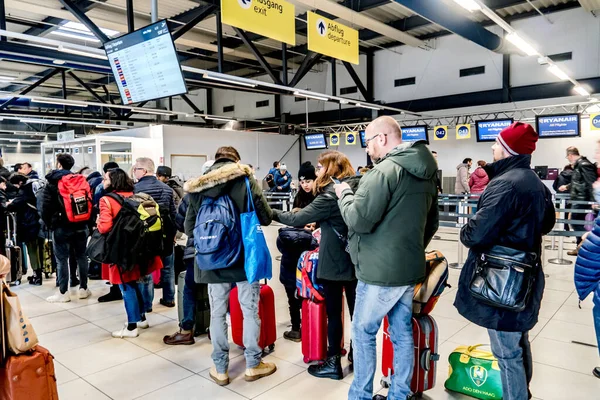
7. Stowing carry-ons so carefully that boarding stalls
Boarding is one of the most time-sensitive phases of a flight. To move a bag, to hold a spot in the bin, or to resist being near other bags is to hold back the whole plane, and delays can start with nothing more threatening than an obstructed aisle. A flight attendant says that the more people in the aisle, the more likely it is that someone will be late getting on because the door can’t close until everything is stowed away. The simplest help is to be ready to board, stow the bag, and take a seat.
8. Using the Call Button as a Conversation Opener
The call bell is a necessity, not entertainment. A cabin can be peaceful even when the crew is dealing with paperwork, safety, and the coordination of the delivery of services. Timing is also a factor because there are times when asking for things is more possible, such as after meals. Lastly, pushing the button is still better than reaching out and touching an arm.
9. Thanking only the pilot on the way out
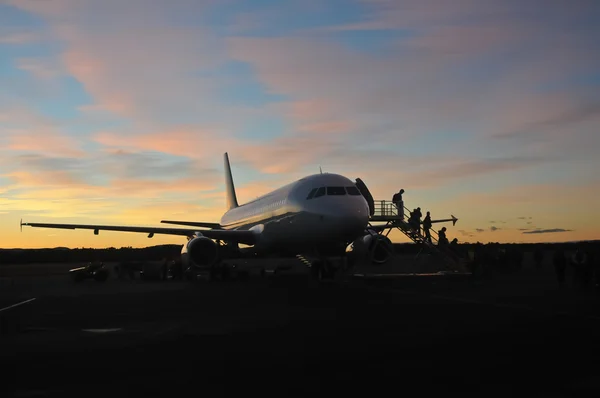
A warm goodbye to the cockpit is a travel tradition, but in excluding the people who worked in the cabin, the message is not well received. The people who work in the cabin are the ones who have to work with the details that make the flight comfortable: the service, the safety, the coordination of the medical response, and the work of keeping calm in a small space.
A quick “thank you” to the flight attendants at the door takes only seconds. In-flight politeness is not something that takes much effort. It takes timing, tact, and an understanding of a mobile workplace. If the passengers are aware of the crew’s workflow the aisle, the bins, and the boundaries then comfort will be raised for the whole plane without anyone having to make a big deal out of it.

