
A cruise has a way of loosening the grip on everyday spending rules. Between glossy “duty-free” labels, limited-time announcements in the daily schedule, and the emotional high of arriving somewhere new, it’s easy to pay a premium for convenience and call it a memory.
The best cruise shopping is often the kind that pauses. A quick price check, a scan of what will be practical to bring home, and a clear understanding of what is actually unique to the trip can keep the vacation feeling indulgent without becoming an expensive education down the line.

1. “Duty-free” jewelry purchased on impulse
The jewelry counters on board and at port may be selling the moment, not the merchandise. Big-ticket sales made in “vacation brain” may become hard to walk back on once the contracts and return periods are factored in. The more prudent course is to not make a purchase unless the buyer already knows the specs, the fair market range for similar stones, and the reputation of the dealer before entering the store. U.S. travelers should also keep in mind that the duty-free tag does not automatically exempt them from their responsibilities upon return; they can bring up to $800 of duty-free goods into the U.S. without additional costs, but items over that amount may change the equation.
2. Jewelry “free gift” promotions that anchor a larger purchase
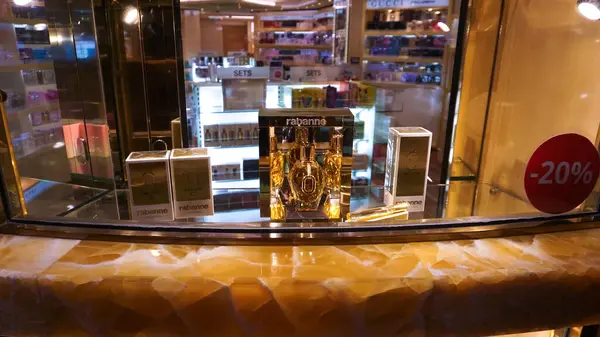
Port of call shopping may condense shopping into a concentrated window, and the use of “free bracelets” or other discounts may encourage a consumer to make a bigger commitment than intended. As the sales pitch turns into a negotiation marathon, the best course of action is to walk away rather than escalate one’s spending to conclude the negotiation. A purchase that is still attractive later will be better compared after shopping on land.

3. Cruise-ship art bought as an “investment”
The champagne art auction may resemble a luxurious ritual on the high seas, but the value equation may be difficult to confirm in real time, particularly under conditions of limited connectivity and rapid bidding. For the consumer who still chooses to attend, the critical difference is what is being acquired: a painting, a hand-signed limited edition print, or artwork that is only apparently signed. Many of the cruise art auctions feature artwork that is “signed in plate,” which means that the signature is incorporated into the printing process and is not hand-signed.

4. Certificates of authenticity considered as ironclad proof
A certificate of authenticity may be a good thing to have on hand with receipts, but it is not something that should be relied upon as a guarantee of resale value or market authenticity. Cruise art purchases will frequently come with a COA, but anyone can create a COA, and therefore it is not much of a guarantee in and of itself.
5. Onboard art appraisals for which the buyer pays, with the intention of justifying
Appraisals made shortly after a purchase may have a formal tone to them, but they are often based on the number of insurance replacements rather than what the item might actually fetch on the market. A more realistic reality check might be the secondary market, which includes actual sales of similar works.
6. Ship-branded souvenirs at premium prices
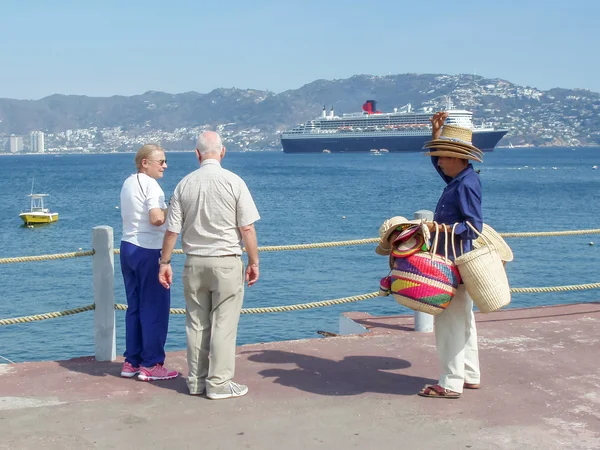
Mugs, t-shirts, and logo-laden trinkets can be a blast, but they’re rarely unique. The problem with most souvenir items isn’t necessarily the quality it’s the price point for the convenience and captive market. Travelers seeking a souvenir with a narrative will likely be satisfied with something related to the port’s artisanal heritage or materials, even if it’s small enough to fit into a daypack.

7. Full-price spa treatments booked at sea
The ship spas are intended to be a retreat experience, but the cost is often indicative of the fact that it is also a significant source of income. Some passengers choose to wait until they are in port or until they are at a shore spa, where the competition is set by the local market. The other source of friction is the sales pitch following the spa treatment, and some passengers choose to forgo the “free” spa events.

8. Health seminars and pamper parties that lead to product sales
Wellness activities on the ship can have a very educational tone, but some of these events are actually precursors to sales pitches for skin care devices, beauty products, or treatments. Passengers seeking to unwind might find this in quieter areas that are already included in the price loungers, adult-only decks, libraries, and so on without adding a sales pitch to the agenda.
9. Electronics purchased for the tax-free illusion
One of the easiest types of things to get ripped off on when it comes to a cruise vacation is tech, as it appears to be standardized and thus is safe. However, model years, warranties, and return policies can quickly make a “good deal” a nightmare. Duty-free shopping may occasionally be able to rectify the situation, but the best practice is to compare prices and verify warranties before purchase, especially when it comes to more expensive items.
10. Bottles of liquor that are held until disembarkation
Even if the shelf price appears to be a good deal, the experience can be something of a letdown, as many cruise lines will hold liquor sales until the end of the voyage. This will turn what was an impulse purchase into something that will not improve the vacation experience but still requires storage space in the luggage. Those who truly want a bottle of liquor to take home will find it is often better off waiting until the airport duty-free.
None of these categories are universally “never.” The pattern is simpler: the higher the price and the more emotional the setting, the more valuable a pause becomes. A purchase that is truly memorable will pass three tests: it can be described without the in-carotional bluster, it will compare favorably to a quick look, and it will still feel right the next morning when the ocean is the same, but the adrenaline is gone.

