
“For some performers, the toughest role comes after the curtain call: figuring out what life should look like when the spotlight no longer fits. The most astonishing thing about this next act is how often it looks quieter, steadier, and more hands-on than fame ever permitted.”
These career changes are not one story of leaving Hollywood. They are stories of trading auditions for credentials, life on a set for life on a shift, and public recognition for private meaning—sometimes with one foot still in the entertainment industry.
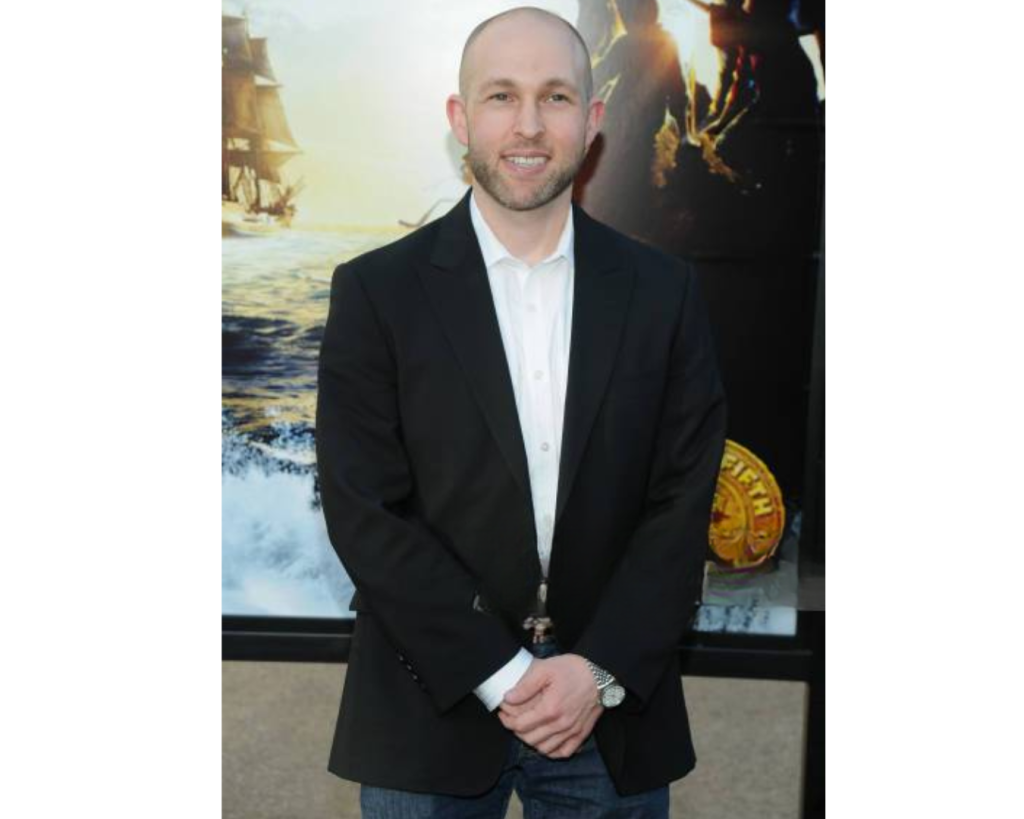
1. Jeff Cohen
After his appearance as “Chunk” in The Goonies, Jeff Cohen transitioned to the business aspect of the entertainment industry, establishing a successful legal practice that keeps him connected to the industry without needing a camera. He graduated from UC Berkeley’s Haas School of Business and UCLA School of Law, and in 2002, he co-founded Cohen Gardner LLP. He has been recognized as a transactional entertainment lawyer and has a professional resume that includes awards for “Impact” and “Power Lawyer” in the industry. This transition did not mean that he forgot his acting background but rather leveraged it as industry insight to structure deals for his clients.
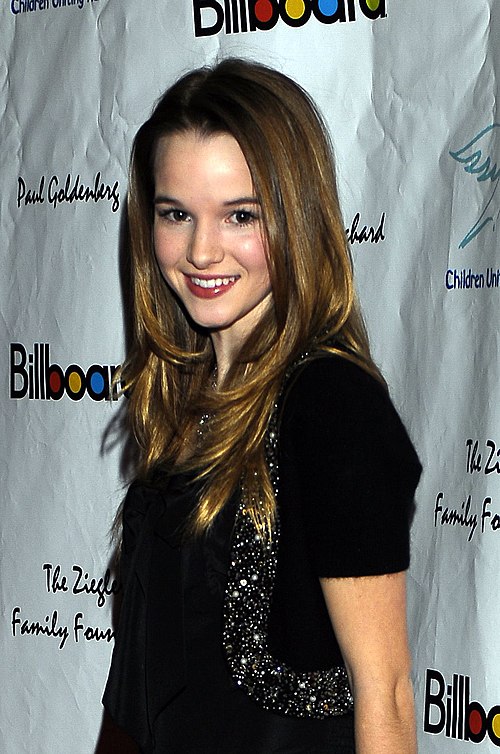
2. Kay Panabaker
Kay Panabaker chose not to act and instead focus on animal care, which put her in a regular job environment rather than a project-by-project one. After getting a degree in history from UCLA, she went on to complete an eighteen-month animal program at Santa Fe College and eventually landed a job with Disney’s animal care team in Florida. In an extensive interview about her line of work, she spoke of a typical day that involved “care, well-being, management, behavior conditioning, and enrichment” for a variety of animals. Her decision to leave acting illustrates the real-world reason that often gets left out of the more glamorous stories: a desire to have a sense of making something real every day.
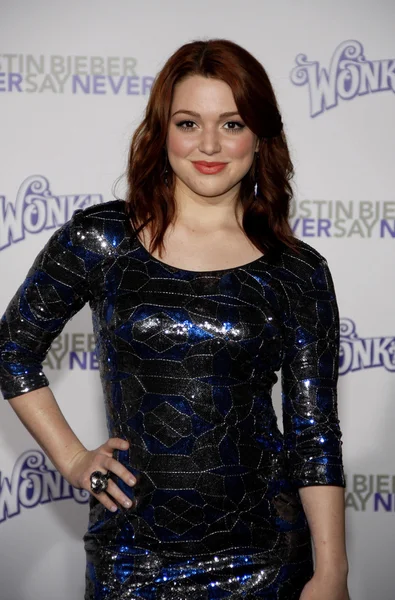
3. Jennifer Stone
Known to many as Harper on the popular Disney series “Wizards of Waverly Place,” Jennifer Stone turned her life around after a personal health crisis. Diagnosed with Type 1 diabetes in 2012, Stone went on to study nursing and is currently working as a registered nurse since early 2020. Stone has talked about entering the field of emergency care at the same time that the pandemic made it even more challenging, saying it was “a baptism by fire.” Stone has not stopped her creative pursuits, but her life change is based on training, licensing, and the regular demands of ER work.
4. Peter Ostrum
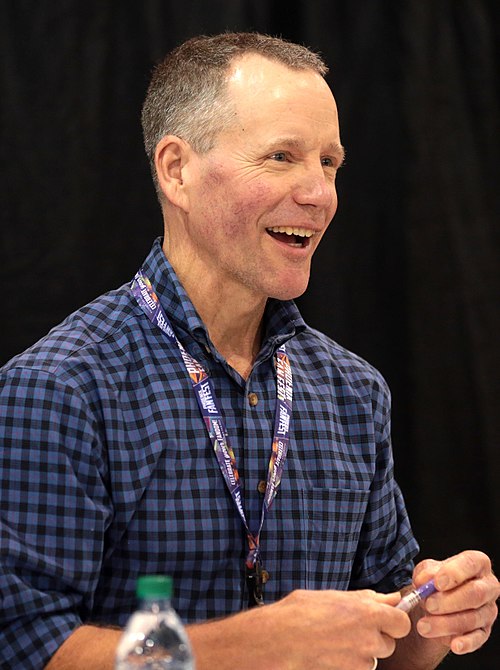
Peter Ostrum was Charlie Bucket in Willy Wonka & the Chocolate Factory, and then he never acted again. He went on to get a veterinary degree from Cornell and graduated in 1984. He has been practicing large animal medicine in upstate New York. In one version of his story, he remembered the impact of a veterinarian’s care for horses and said, “I can remember the veterinarian coming out and taking care of the horses, and it made a huge impression on me.” His one film achievement became a brief aside to a long career involving animals, farmers, and regular care.
5. Danica McKellar
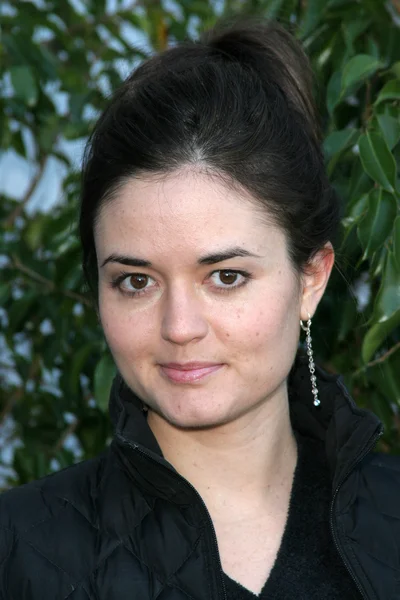
Danica McKellar’s trajectory has entertainment as a part of her career, but her identity is much larger than her role as a television character. During her time at UCLA, she worked on the proof of a theorem in physics that is now called the Chayes-McKellar-Winn Theorem, which was published in the Journal of Physics A: Mathematical and General. She has written books on math for popular audiences and continued her acting career, but the most significant transformation is from being identified with a character to being identified with her academic work.
6. Josh Saviano
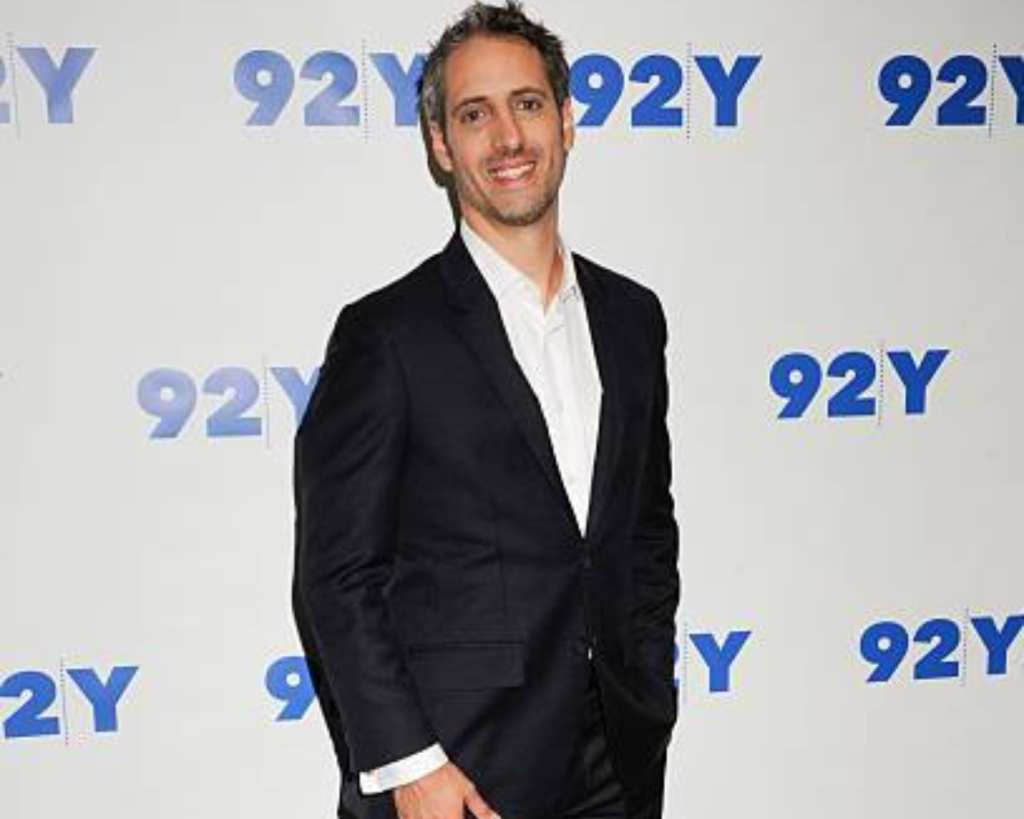
Josh Saviano, who acted as the quick-witted classmate in The Wonder Years, took a different route that involved credentialing over casting. He pursued a degree in political science from Yale and a law degree from Cardozo. His more recent endeavors involve being a partner at a law firm and starting consulting firms, which transitioned him into the area of strategy and advice rather than performance. His childhood acting career is remembered, but his current career is in professional services.
7. Danny Lloyd
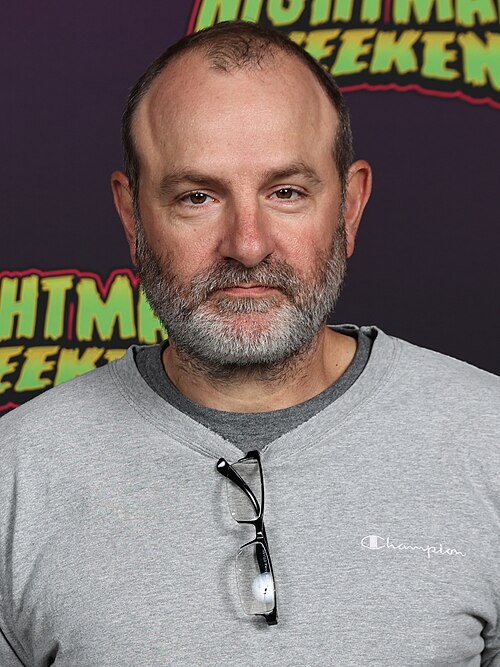
Since his role as Danny Torrance in The Shining, Danny Lloyd has not acted much and has led a life in education and science. He acquired a graduate degree and became a biology professor at a community college in Kentucky. His acting career has been minimal, and this is a clear indication of the full transition he made from acting in a famous film to teaching in classrooms.
8. Rick Moranis
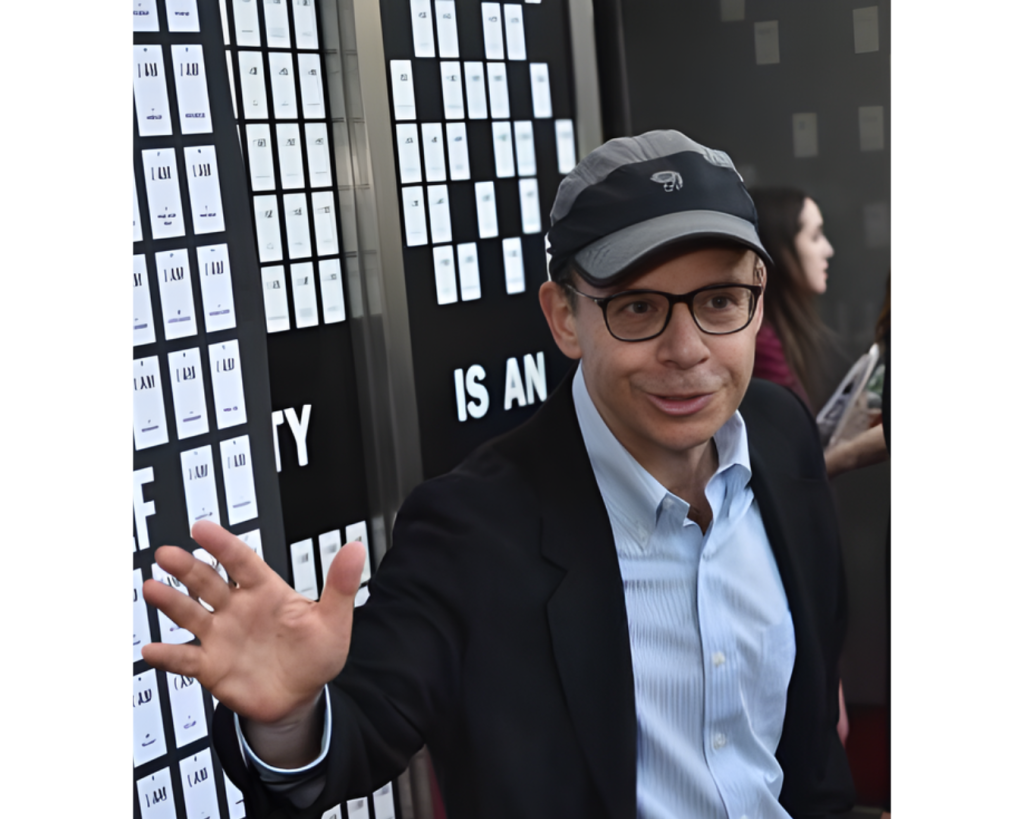
Rick Moranis rose to become one of the most familiar faces in comedy during the 1980s and early 1990s, but he decided to set a new priority after the death of his wife, Ann Belsky, in 1991. He continued to be active for several years but finally decided to devote time to raising their two children, Rachel and Mitchell, as he explained in a 2015 interview: “It wasn’t a formal decision.” He continued, “I took a break, which turned into a longer break.” During this time, he continued to accept new projects, including voice work, and record albums such as the Grammy-nominated The Agoraphobic Cowboy.
9. Phoebe Cates
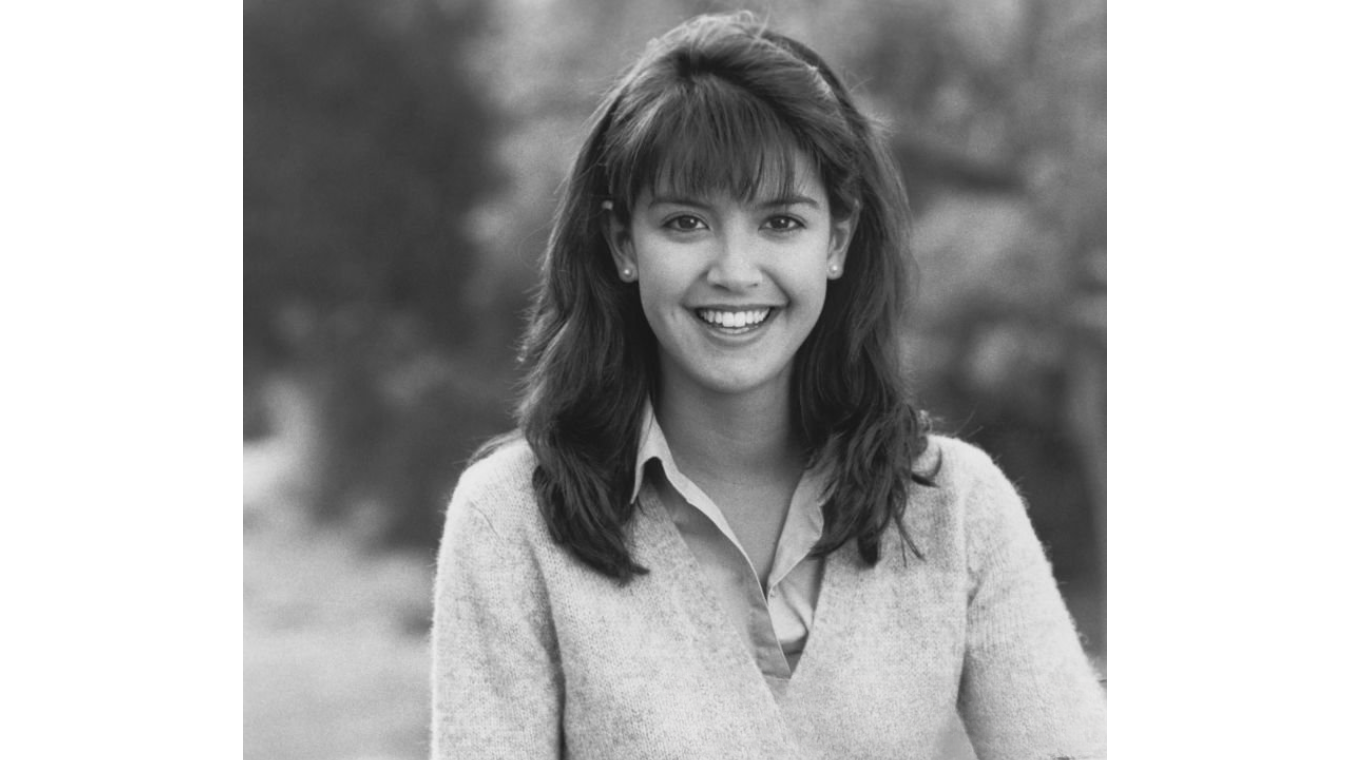
Phoebe Cates, a hallmark of 1980s cinema, chose to leave acting and lead a family-oriented life with a career that did not involve extensive travel or shooting schedules. She subsequently opened a boutique on Madison Avenue in New York under the name Blue Tree, an act that traded the uncertainties of the film industry for the predictable patterns of operating a retail business.
This is one of the common threads running through these narratives. Through all of these career transitions, the common thread is not “escape from fame” but alignment. Some people found alignment in the healthcare and education industries, while others found it in animals, math, or the legal industry that works behind the scenes. Their stories also illustrate that a public beginning does not commit one to a single identity. The most successful transformations are those that are based on training, daily practice, and a life that can be sustained.

