
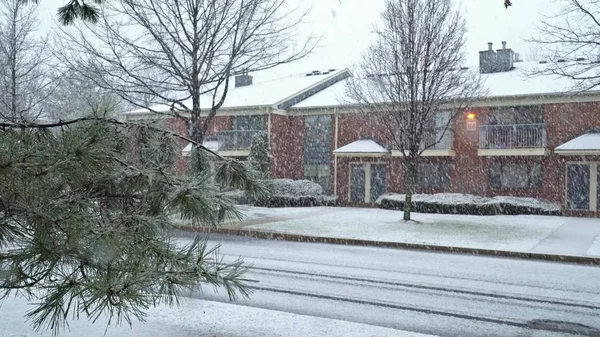
“When the forecast whispers about freezing rain, many families consider the roadways first. The larger problem will often manifest itself later: lights out, heat off, and an unfamiliar home environment in a matter of hours.”
Ice storms pose a particular type of risk because the freezing rain creates a glaze of ice on power lines, which increases their weight and can bring down lines and branches. Planning for this type of risk is less about “surviving” and more about maintaining a steady level of the basics of daily life: warmth, water, light, food, and communication.
1. A right-sized portable power station
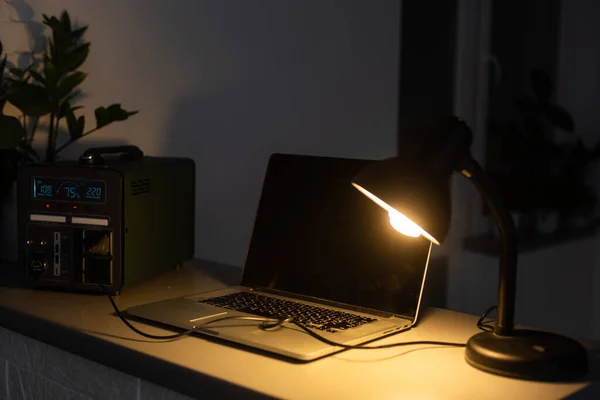
Portable power stations can be a clean, indoor-friendly alternative for charging phones, keeping lights on, and powering a few essentials if the size meets the plan. The challenge is that a battery bank will not power a refrigerator, when in fact a day of basics will consume 2,000+ watt-hours, depending on what is being powered. The best course of action is to write down the few items that are most important (phones, a light, a router, and a medical device if necessary) and test the system before winter.
2. Outdoor-only generator regulations (and a plan B)
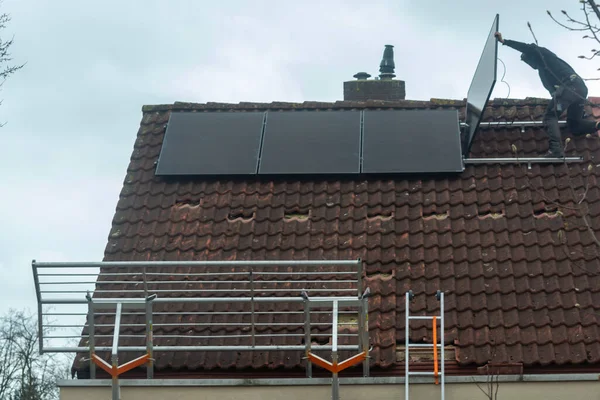
Fuel generators will replenish more power than batteries, but safety is the price to pay. According to the U.S. Consumer Product Safety Commission, a gasoline generator can emit as much carbon monoxide as “hundreds of automobiles” and instructions stress operating fuel generators outside and away from the dwelling, with the exhaust directed away. In icy conditions, the “how” is as important as the “what” in providing a no-fumes alternative of battery lighting and charging.
3. Carbon monoxide alarms on every level
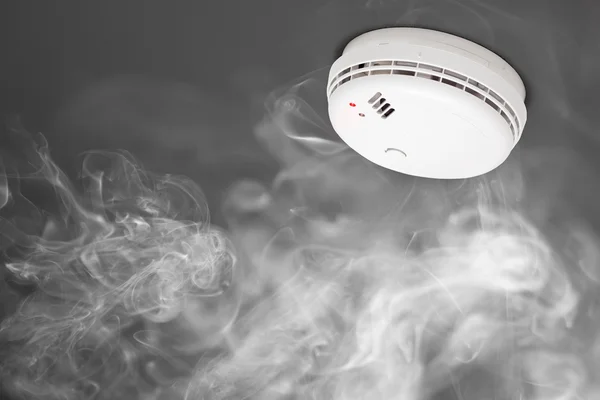
Carbon monoxide is colorless and odorless, and danger increases when people lean on fireplaces, fuel-burning heaters, or generators. The Consumer Product Safety Commission recommends CO alarms on every level and outside sleeping areas, preferably with battery power or backup in case of power outages. Alarms will only be of use if they are functional, and so testing and battery replacement in winter are part of winter maintenance.
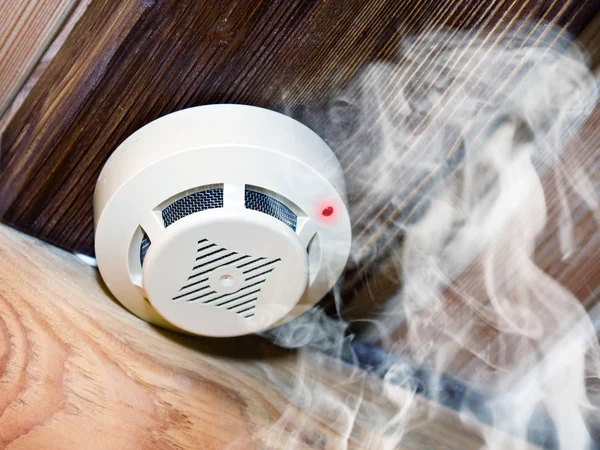
4. Smoke detectors and quick fire response system
Stormy nights are when there is often makeshift heating and lighting, just when the danger of fire is greatest. The same safety advice singles out the importance of functioning smoke alarms as a lifesaving element. Combining alarms with a straightforward emergency plan (familiarize yourself with the exits, keep routes unobstructed, keep flashlight near where people sleep) prevents a power outage from becoming a problem for a different reason.
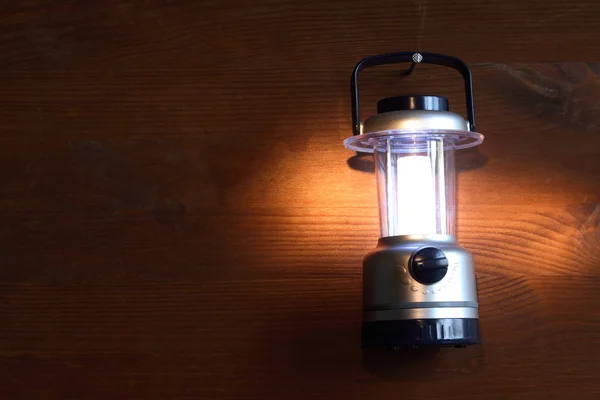
5. Battery-powered lanterns and headlamps (not just candles)
Light is a behavior changer: it prevents falls, improves cooking safety, and soothes children and pets. Safety experts advise using flashlights and battery lanterns rather than candles in a power outage. Headlamps are particularly handy because they allow the use of hands for other activities, such as checking a breaker box, carrying water, or assisting a person through a dark hallway.
6. A weather radio that will function even when phones are not working
In cases of widespread power outages, cellular service and the internet may be unavailable even if a cell phone is charged. NOAA Weather Radio transmits updates every four to six minutes in many regions and can transmit tone alerts for warnings. A battery-operated model with alert capabilities provides a reliable means of monitoring changing conditions throughout the night.
7. Water reserved for drinking and sanitation purposes
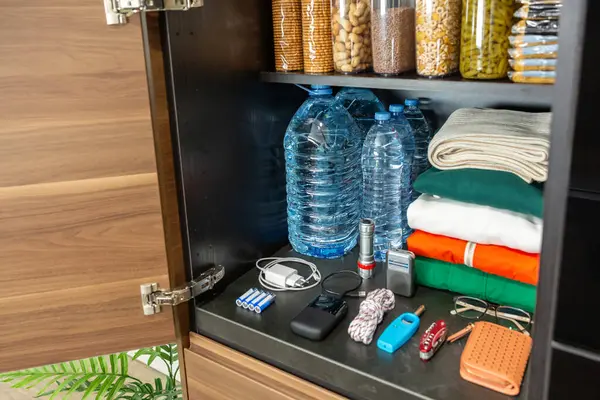
Winter outages are more than just a heat issue; they can also affect water service in buildings that use electric pumps. The American Red Cross usually suggests one gallon per person per day. Some families also store non-potable water for toilet flushing. This is a small detail, but it is a huge comfort item on day two.
8. Shelf-stable meals that do not require electricity
Food planning is most effective when it is specific. “Pantry meals that don’t need refrigeration or electric cooking equipment (crackers with nut butter, canned soups, tuna packets, oatmeal cooked with hot water) can prevent the ‘everything is thawing’ scramble.” A meal plan that puts perishable items first helps to reduce waste and stress when patterns are interrupted.
9. Safe Heating Practices and Three-Foot Clearance
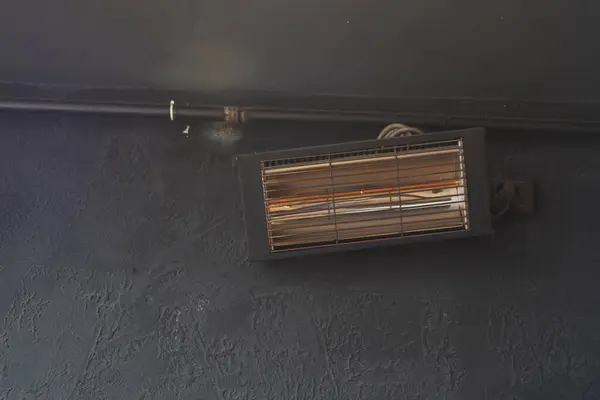
Portable heaters can be a big help, but it is important to position them correctly. According to the CPSC, portable heaters are estimated to be involved in an average of 1,600 fires per year (2019-2021). They advise that portable heaters should be positioned at least three feet away from any bedding, furniture, and drapes. Electric space heaters should be plugged directly into a wall outlet, and not a power strip, to prevent the home’s wiring from being overloaded.
10. Window and door draft control
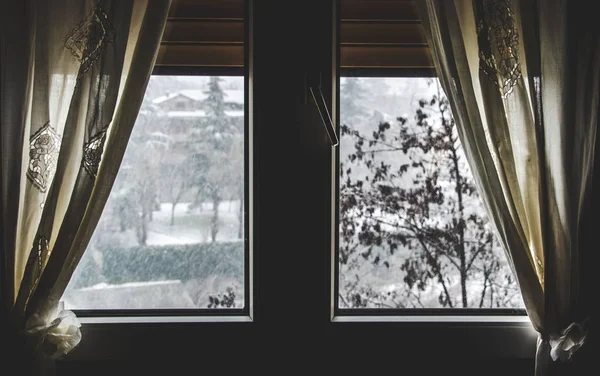
Where heat is restricted, the role of insulation becomes an “energy source” in itself. Shrink film kits, weatherstripping checks, and even closing drapes room by room can help reduce heat loss. The aim is not to be perfect but to gain time for a safe heat source to match the rate of indoor temperature reduction.
11. Pipe protection and shutoff plan
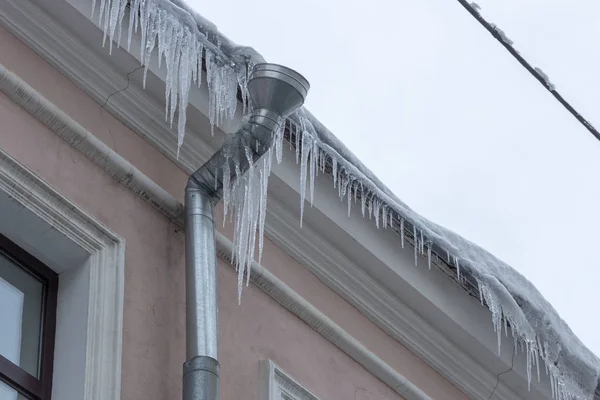
Prolonged cold temperatures can freeze pipes, and thawing can turn a small problem into a costly leak. Protecting exposed pipes with insulation, opening the sink cabinet in exterior walls, and locating the main water shut-off valve can help prevent damage. This is one of the only storm preparation activities that will reward you even if the power doesn’t go out.
12. A winter driving kit for unavoidable trips
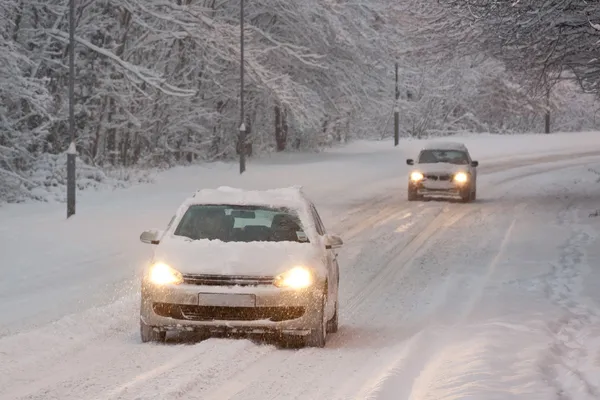
If travel cannot be avoided, the risk changes from comfort to safety. Winter travel advice emphasizes the dangers of cold-weather driving and advises slow travel on slippery roads. A travel kit with an emphasis on warmth and visibility blanket, scraper, traction device, flashlight is useful in the event of delays or being stranded when temperatures are near freezing.
Ice storms have a way of making small conveniences into big needs: a functional alarm, a good light, a means of hearing warnings, a plan for meals, and sufficient power to maintain a strong communication flow. These needs also discourage the temptation to use dangerous heating or fuel indoors. Preparedness is best done by practicing it. Charging the power station, practicing the alarm, and doing a quick “lights out” simulation for one night may show what is needed before the forecast forces the point.

