
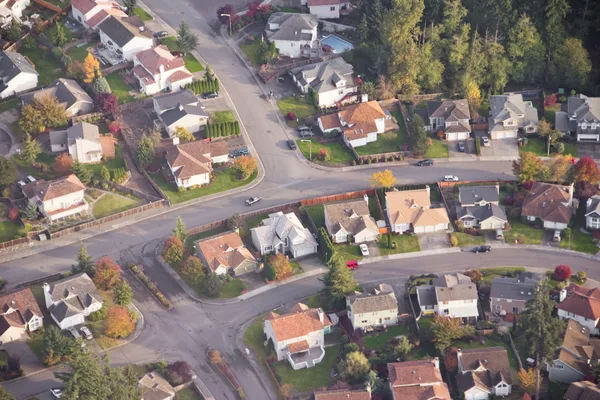
Owning a home still comes with that satisfying feeling of being ‘in charge.’ The catch is that today’s neighborhoods are maintained by a series of shared systems: air quality, roads, drainage, power lines, and a whole lot of red tape.
Many of the same restrictions that cause frustration for homeowners are also the same restrictions that prevent a single property from becoming a hazard for all the people around it. What has changed is the level of specificity that has been reached in the regulations and how quickly a “small” decision about the backyard can escalate to an inspection, a fine, or a repair. These are some of the most common things that people assume are allowed until they find out the fine print.

1. Burning Domestic Trash in the Yard
Open burning was once a weekend task, especially for leaves, paper, and “mystery stuff” from the garage. However, in many areas, it is now considered a health hazard and a fire danger, and regulations have gone well beyond common sense. In some areas, a legal burn is contingent on factors such as a 10-foot fire break and must be supervised until it is completely extinguished. There are also seasonal restrictions that may disregard local traditions, even if the person thinks the fire is small and under control.
2. Constructing a Large Deck, Shed, or Addition “Just for Family” without Permits
While large DIY projects can easily straddle the line between “home improvement” and “construction,” which is subject to regulation, permits and inspections are in place to ensure that the beams, stairs, and wiring are up to current safety standards, not just the DIYer’s satisfaction. But the headache of an unpermitted project can come back to haunt the DIYer down the line, perhaps during a complaint, a refinance, or a home sale.
3. Using a Driveway as a Permanent Business Yard
A home office is unlikely to raise an eyebrow. A driveway that operates like a mini-market steady stream of customers, deliveries, noisy equipment, late-night loading might. Residential zoning usually permits limited, quiet work but prohibits anything that alters traffic flow, noise patterns, or the character of the street.

4. Raising Backyard Chickens without Consulting the Local Rulebook
Urban backyard chickens are common in many cities, but “accepted” does not necessarily mean “unrestricted.” There may be strict regulations regarding the number of birds, the location of the coop, and cleanliness and roosters are often prohibited because of noise. Some jurisdictions limit the number of chickens to six mature hens, with setbacks and pens required. The consequence is that a well-intentioned project for home-raised eggs can become a problem of compliance if it does not take into account local definitions of livestock and nuisance.

5. Parking Non-Running Cars and Project Cars Outside Indefinitely
What may appear to be a benign restoration project for one homeowner may appear to be blight to a city inspector. Many neighborhoods have regulations regarding how long unoperational vehicles can be left in public view, particularly if there is leakage of fluids, growth of weeds around tires, or if there is a accumulation of multiple vehicles.

6. Renting Out a Basement, Garage, or Shed that has been Converted and is not in Compliance with Building Codes
Having additional living space can be a big help to families in terms of budget, but safety regulations are not open to discussion. In order for a rental space to be legal, it must meet certain standards regarding exits, smoke detectors, safe electrical installations, and ceiling height. If a rental space does not meet these requirements, the tenant and the landlord can both be in danger if there is a fire, flood, or inspection.
7. Installing a Well or Septic System as a “Personal Project”
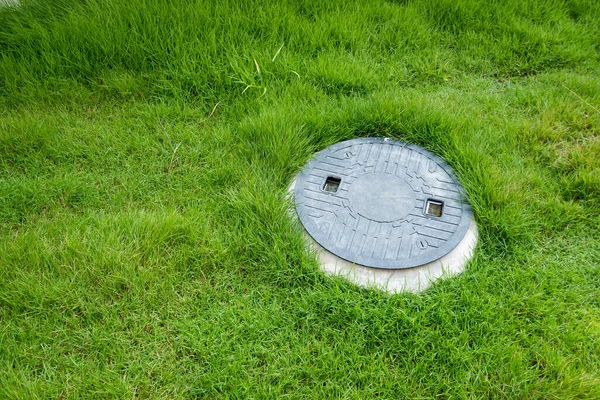
Water and wastewater treatment are no longer considered purely personal issues. Permits, soil analysis, and inspections are often required by health departments because neglect can lead to the contamination of groundwater or nearby wells. Skipping the process can lead to forced repairs that cost much more than doing it right in the first place.

8. Having Loud Outdoor Parties that Extend Beyond the Fence Line
A party in the backyard becomes a legal matter when the sound consistently carries into other houses. Many cities have quiet hours and restrictions on amplified sound, especially late at night. When the complaints begin, the location of the speakers on private property becomes far less important than the location of the sound.

9. Erecting a Fence that is too Tall or too Dense for the Area
Privacy fences seem like a simple project until issues of setbacks, corner visibility, and maximum height are considered. Many municipalities regulate the maximum height of front-yard fences and the materials used on streets because of the potential for obstructing visibility. Permits may be necessary for fences above a certain height, and offending portions of fences may have to be reduced in height after the fact.
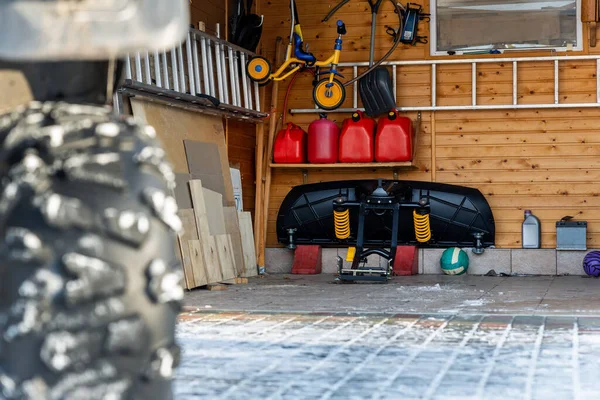
10. Storing Gasoline, Solvents, Pesticides, or Pool Chemicals “Wherever they Fit”
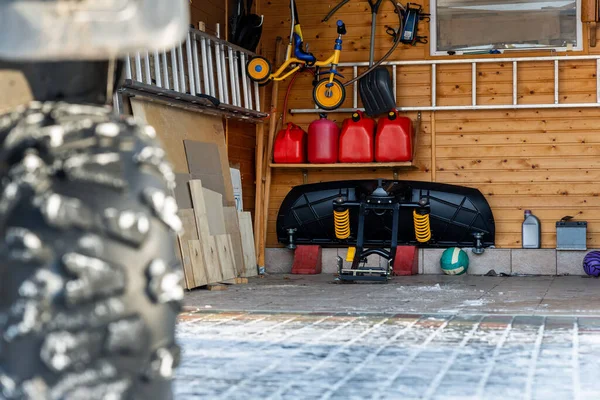
Household chemicals become more of a problem when the amount of them is greater or when they are stored in a disorganized manner. Fire regulations and environmental laws may consider careless storage a problem, especially if the chemicals spill into the soil or if the vapors migrate into adjacent areas. Sometimes, cleanup may involve more than just taking it out to the trash.
11. Pointing Security Lights at Neighbors’ Windows
Outdoor lighting may enhance illumination, but new regulations are emerging to mitigate glare, light trespass, and energy waste. Some regulations specify the amount of light that may spill over at property boundaries and promote the use of shielded lighting and controlled light levels; an example cited in lighting literature is 0.1 foot-candles at residential property boundaries. The bottom line is straightforward: light levels and direction count, and a “safer” lighting design can be a nuisance problem if it illuminates a neighbor’s bedroom to daylight.
The freedom of homeownership is still there, but it is contained within a complex of collective expectations: health, safety, and community livability. The biggest surprises usually come from the assumption that yesterday’s standards are still in effect. For many homeowners, the difference between an easy project and a costly redo is not skill or effort. It is checking local rules before the first match is struck, the first post is set, or the first tenant moves in.

