
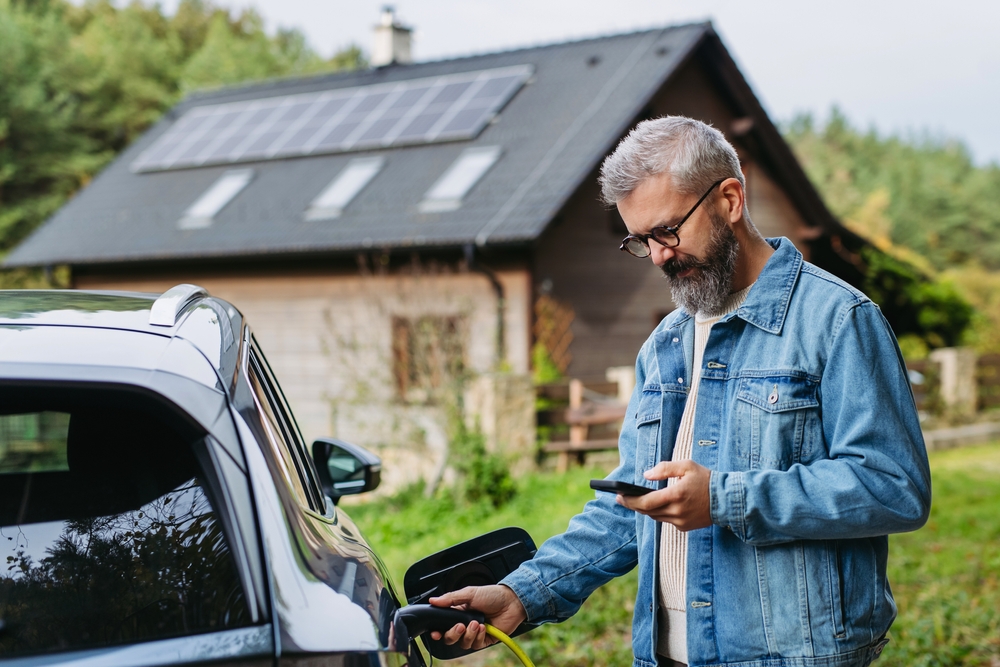
Cold snaps have a way of turning small car habits into big problems. For electric vehicle owners, winter doesn’t just feel uncomfortable it changes how far the car goes, how quickly it charges, and how much planning a routine trip can require.
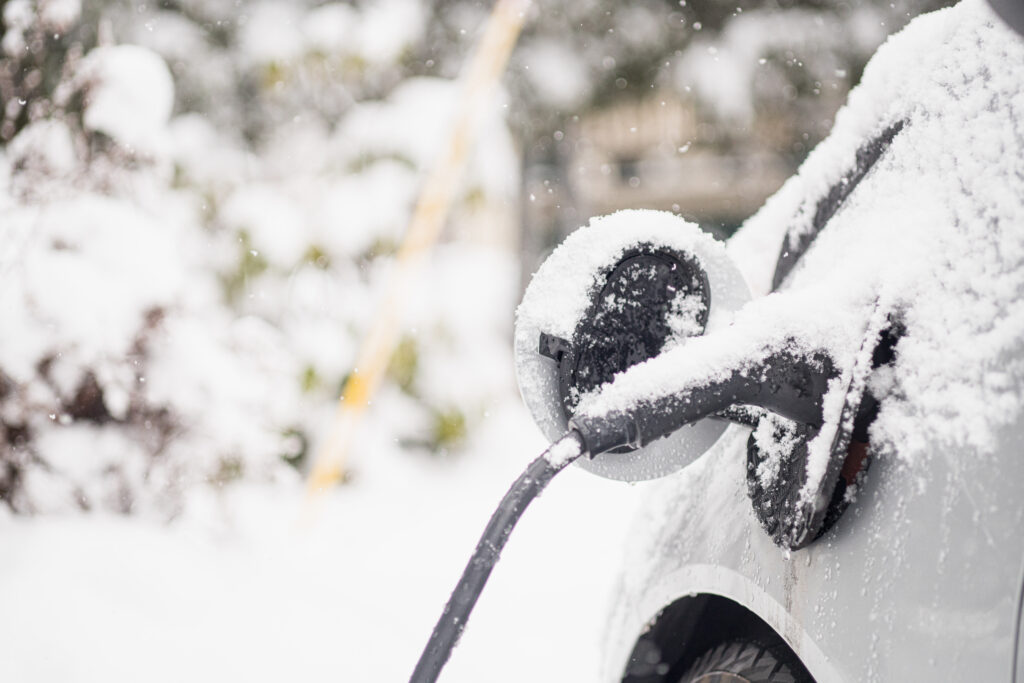
The problem is straightforward: when it is cold, the battery reactions occur more slowly, and the car has to use more energy to warm the cabin. In Consumer Reports road tests, driving at speeds of about 70 mph in 16°F conditions reduced range by about 25% compared with driving in mid-60s temperatures.
The difference between the early winter EV failure reports and the current situation is that EV technology has improved, and the public charging infrastructure is a larger factor in everyday driving. Both of these factors mean that winter EV ownership is less about panic and more about understanding the cold-weather EV bottlenecks.
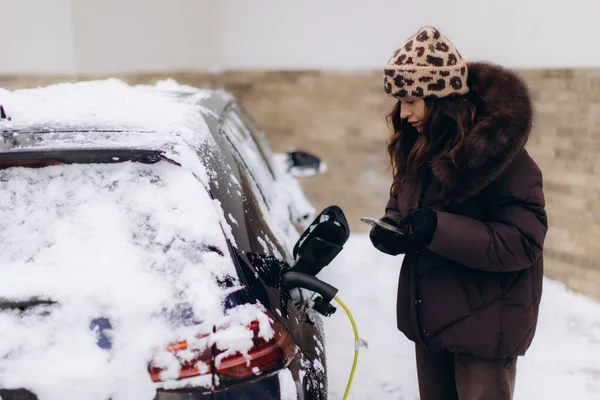
1. Range decreases for two reasons, not one
Most drivers think that range loss in winter is primarily “the battery getting cold.” That is only half the story. Cold weather reduces the rate of the battery’s internal reactions, which reduces the available power, and the vehicle must also make cabin heat using electricity, rather than tapping into engine waste heat, as a gas vehicle does. This makes winter driving a double hit on the same resource.
The faster the speed on the highway, the greater the effect of the loss. The continuous demand at 70 mph leaves less leeway for heating, and the range of the car could decrease more quickly than anticipated when the cabin heater, defrosters, and heated mirrors are all operating simultaneously.
2. Cabin heat is the hidden range hog
In actual winter driving conditions, heating the interior of the vehicle tends to be the largest contributor to lost miles. Comfort-oriented solutions can be more important to drivers than they realize, as things such as heated seats and a heated steering wheel tend to consume less energy than heating the entire interior of the vehicle.
The process of warming up the car while it is still connected to the power source, also known as preconditioning, helps to cut down on the initial surge of power required to warm up a cold-soaked interior and thus preserve more battery power for driving.
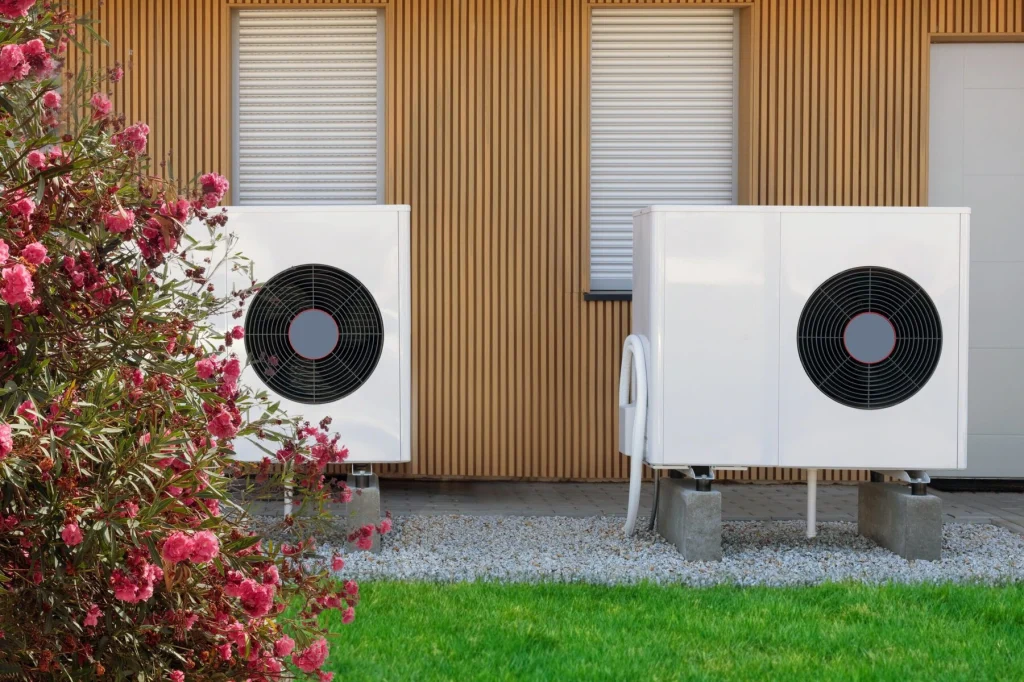
3. Heat pumps distinguish between “fine” and “frustrating” in winter
More modern EVs tend to use heat pumps, which are heat movers rather than heat generators. This difference can make a difference in terms of winter range retention. Recurrent’s large-scale analysis of U.S. driving data explains why heat pumps are better at retaining range for most winter driving conditions.
Heat pumps do not eliminate winter losses, and the benefit decreases as the temperature nears 0°F, but they might mitigate the number of winter commutes that become charging stops.
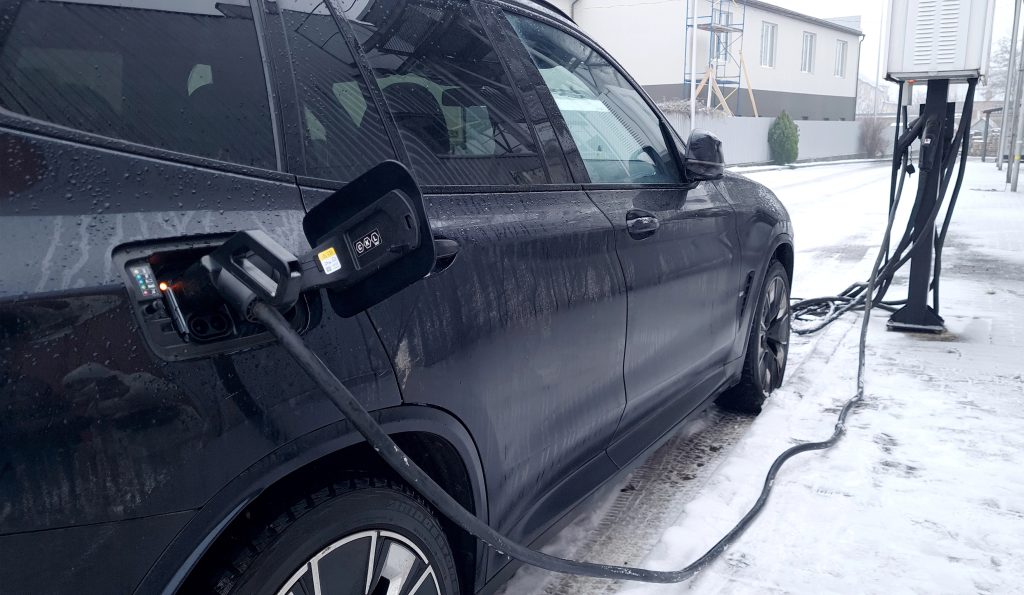
4. Charging may slow down sometimes dramatically
Fast charging is temperature-dependent. Some EVs restrict the charging power in extremely cold temperatures to preserve the battery, which can extend a quick stop into a long one. Using the car’s onboard navigation system to direct one to a charging station can be helpful in this regard because it can warm up the battery before arrival.
This is especially important on road trips, where owners cannot count on charging at home and may have limited alternatives if a charging station is busy, partially completed, or difficult to reach in snowy and icy conditions.
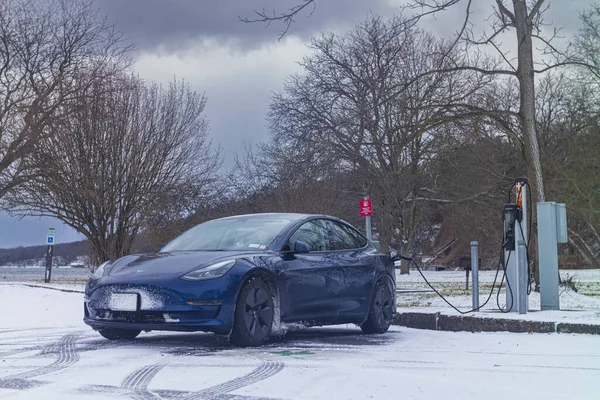
5. “Keep it plugged in” is practical advice, not brand loyalty
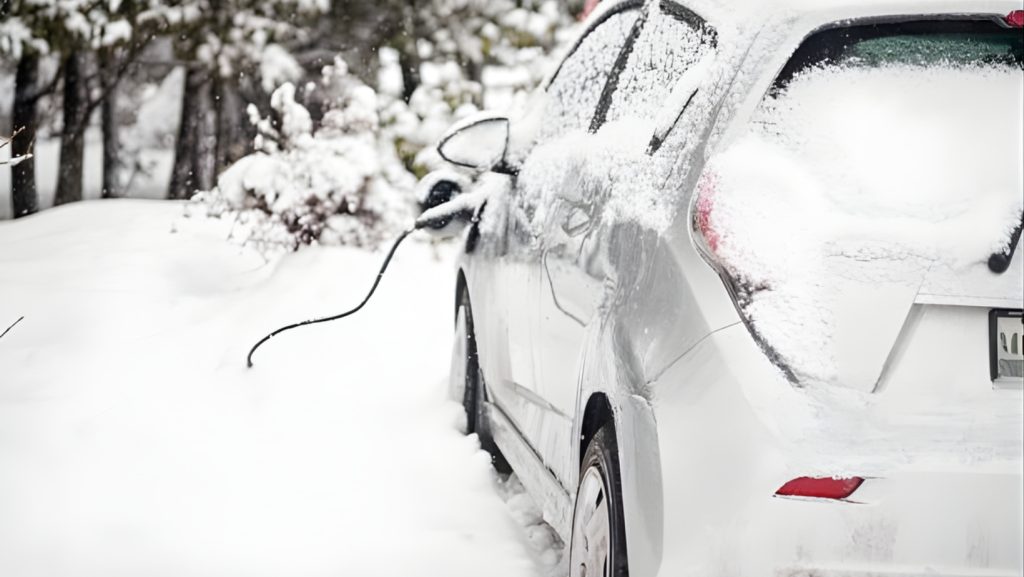
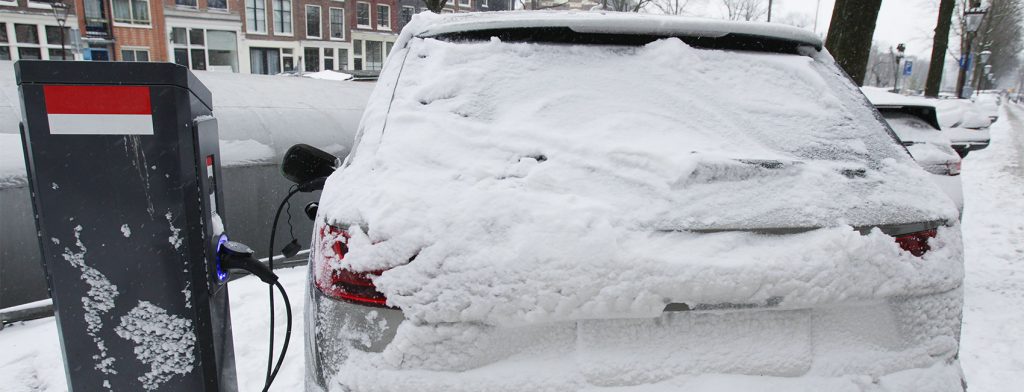
Leaving an EV plugged in when parked assists during winter because the vehicle can use power from the outlet for charging and heating instead of the battery. Tesla’s winter advice incorporates this because it suggests that owners should leave their cars plugged in whenever possible and keep them above 20% when not plugged in.
This is a general principle that applies to all EVs: A battery that is warmer is likely to be performing better than one that has been left to sit in very cold temperatures.
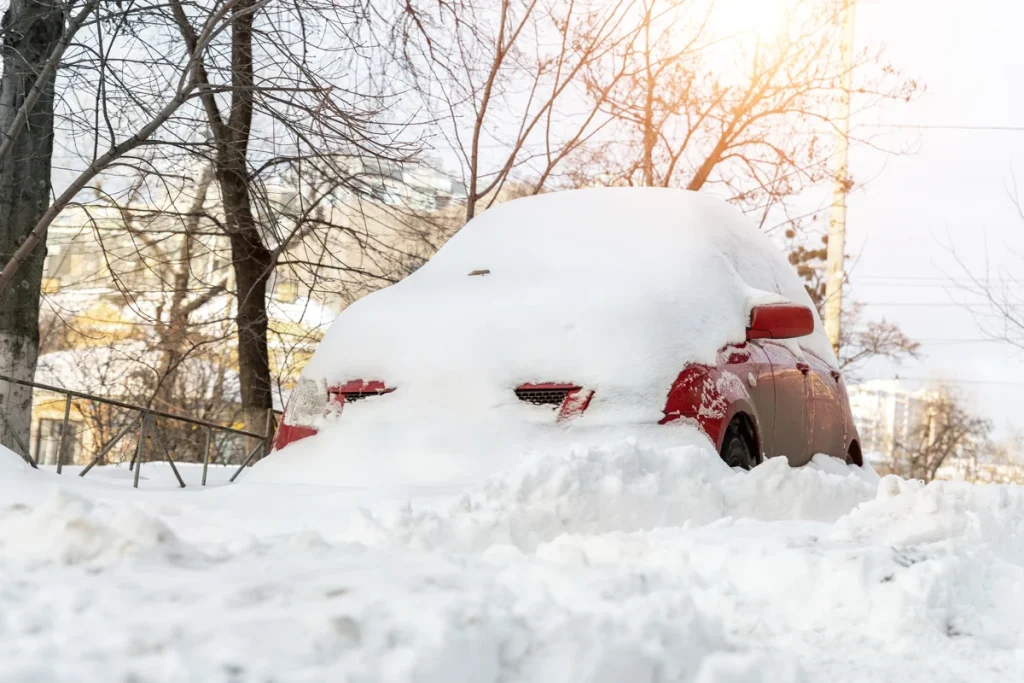
6. Regenerative braking could be different on icy days
Car drivers familiar with one pedal driving may find less regenerative braking in the winter months. Battery management may reduce regenerative braking when the battery is cold, and slippery roads alter the parameters of safe and predictable driving. Advice for EV drivers suggests less regen on icy roads for smoother braking. This is not a problem; it’s a winter driving trait that can alter the stopping distance and feel.
7. Real-world data illustrates that winter loss is only temporary, not permanent damage
Winter range loss is a performance problem for a specific season, not an indication that the battery has been “ruined.” The ongoing research by Recurrent, based on data from over 30,000 vehicles, is that cold-weather range losses fall as the temperature increases and are not necessarily long-term battery damage. This distinction may help keep winter driving decisions in perspective: the aim is planning and preparation, not worrying about irrevocable capacity loss after a chilly week. Winter driving with an EV requires that the car’s limitations be considered in the same way as weather conditions, such as when traction is reduced or stopping distances are longer.
The greatest gains will be achieved by understanding the interplay between heat, speed, and charging temperature. For drivers who route with extra buffer, warm up the car while plugged in, and expect slower charging when the pack is cold, winter becomes less of a surprise and more of a manageable season.

