
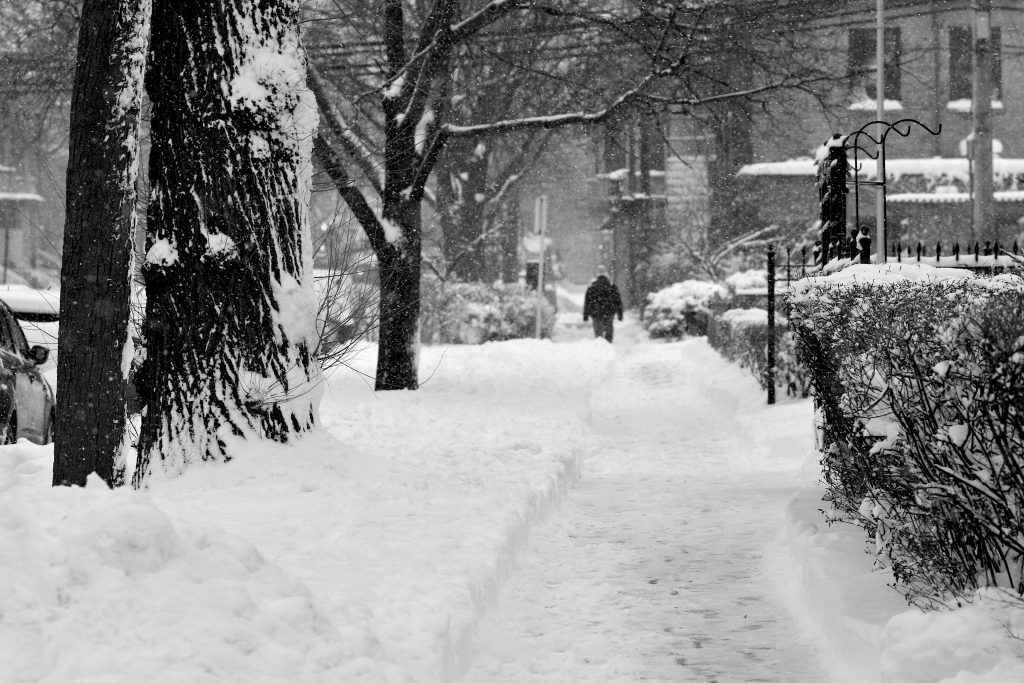
“More than 180 million people have been put on alert as a massive winter storm extends from the Southwest to New England, with a combination of snow, sleet, and especially ice in the South. In previous outbreaks of this kind, the initial disruptions, such as canceled flights and closed roads, have quickly escalated into more difficult and less visible problems, such as cold homes, burst pipes, and waits for repairs.”
The same ingredients keep repeating. Ice weighs down power lines and trees, Arctic air seals in the damage, and travel infrastructure designed for normal winter days gets swamped. The specifics differ from place to place, but the hot spots are predictable.
1. Flight cancellations can reach historic scale
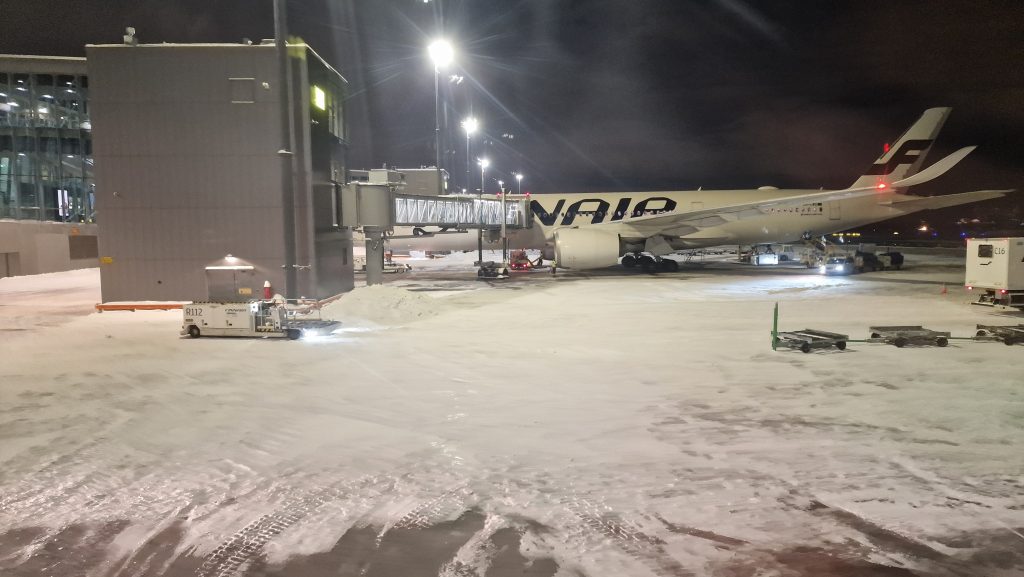
Air travel can quickly break down if the big airports are under ice or heavy snow. In this case, the number of weekend cancellations exceeded 9,000 flights in U.S. airspace, according to the number of flight cancellations tracked by FlightAware. Airlines also like to cancel flights early when de-icing operations, staffing, and plane rotations are all in jeopardy at the same time. Airports in the affected area can see the loss of a large part of their schedules for a day, and the effects trickle down: missed connections, stranded crews and planes out of position. Passengers, even those not in the area of snow, can experience delays because planes and crews are not where the network requires them to be.
2. Ice in the South creates the longest-lasting travel hazard
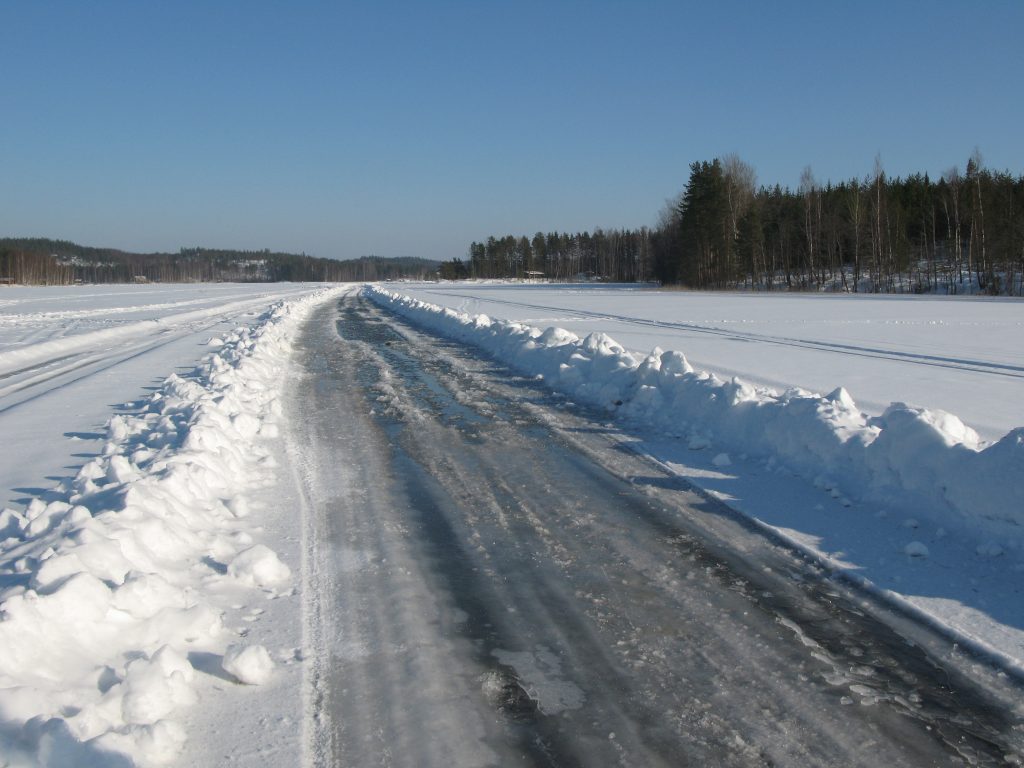
Snow can be plowed and pushed out of the way; ice is a different story. “Up to 1 inch of ice is possible in some areas of Mississippi and western Tennessee,” forecasters said. That’s enough to make roads immobile and trees and power lines sag. Freezing rain can be a problem for days when the infrastructure to treat roads is not in place. The drivers who do go out face a second problem: the same roads must be accessible to emergency and utility vehicles to reach areas where power lines are downed and streets are blocked. It is important to limit travel to only essential journeys.
3. Power outages become a health risk when Arctic air arrives behind the storm
As the outages multiply, the cold that follows the storm can quickly turn what was once a mere household inconvenience into a pressing safety concern. Advice on how to ride out the outage includes heat preservation, which means closing blinds and curtains, huddling together in one room, sealing drafts around the bottoms of doors, and layering up in loose, warm clothing. One of the critical points that is often cited in safety advice is that if indoor temperatures fall below 60°F, then the household may need to consider emergency shelter. Extreme cold weather also makes it difficult to restore power. Snow and ice are still hard and icy, and equipment operates at a slower pace due to longer repair times as the temperatures are below freezing.
4. Federal and state emergency actions signal how wide impacts can spread
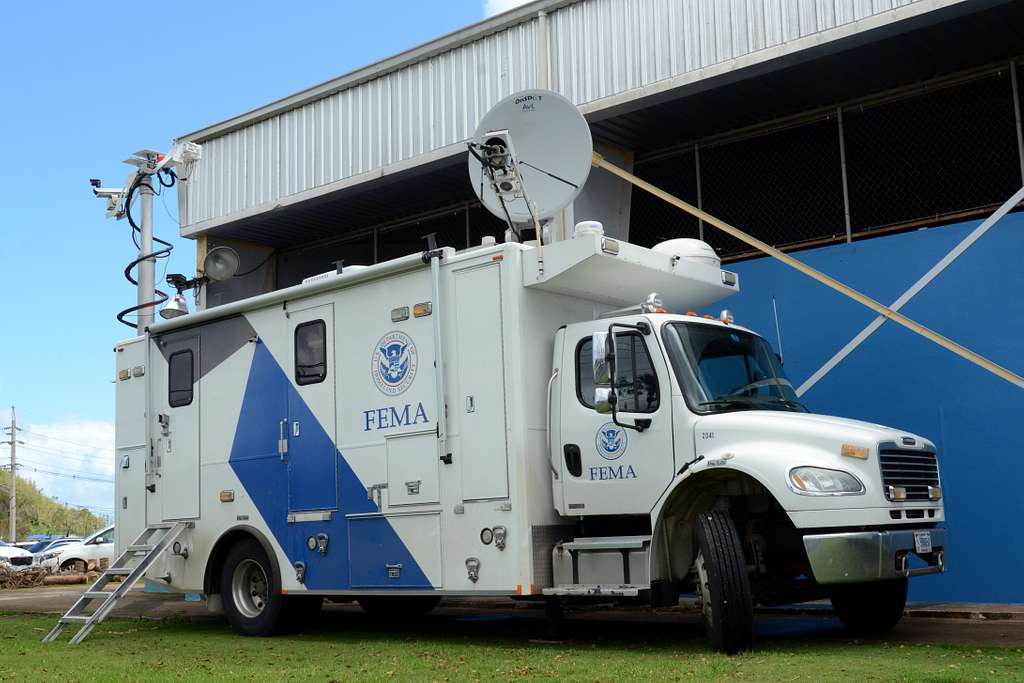
The states will often issue emergencies to expedite contracting, activate warming centers, and coordinate transportation and utility efforts. In this way, FEMA can also pre-stage their resources so that communities are not waiting for the arrival of resources when the roads become impassable. In the preparation cycle of this particular storm, FEMA pre-staging included 250,000 meals, 400,000 liters of water, and 30 generators.
5. Schools and workplaces shift quickly when roads become unsafe
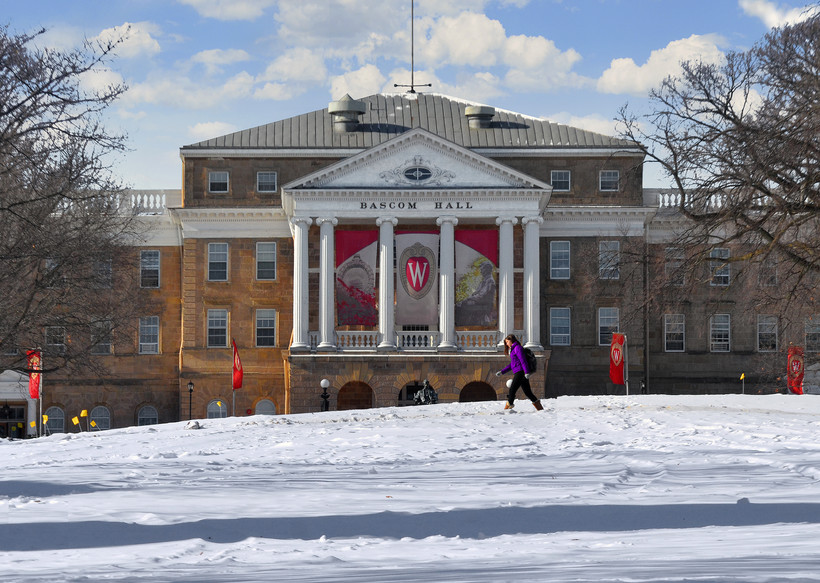
Closures are more than snowfall amounts; they are also about what happens at bus stops and intersections when the wind chill is extreme and the freezing rain makes sidewalks slick. In the Washington, D.C., area, federal offices shifted to maximum telework and weather and safety leave for those who cannot telework a quick change in routine when commuting becomes a problem rather than an inconvenience.
6. The hidden home problem: pipes and building systems fail in prolonged cold
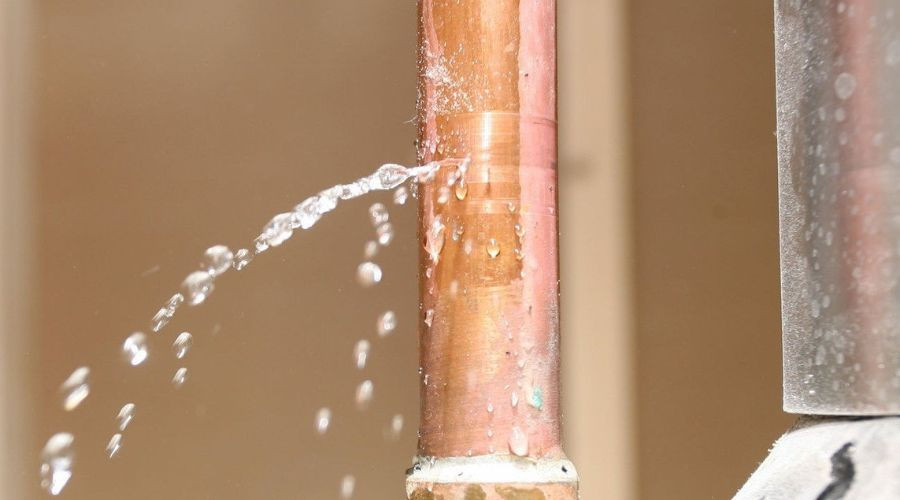
The loss of heat increases the potential for pipes to burst, water damage, and prolonged displacement, particularly when the temperatures are in the teens and 20s for consecutive nights. The cold that “locks in” the snow and ice also makes it more difficult for plumbers and construction crews to gain access, which creates a backlog at a time when the hardware stores may be interrupted by the same road conditions.
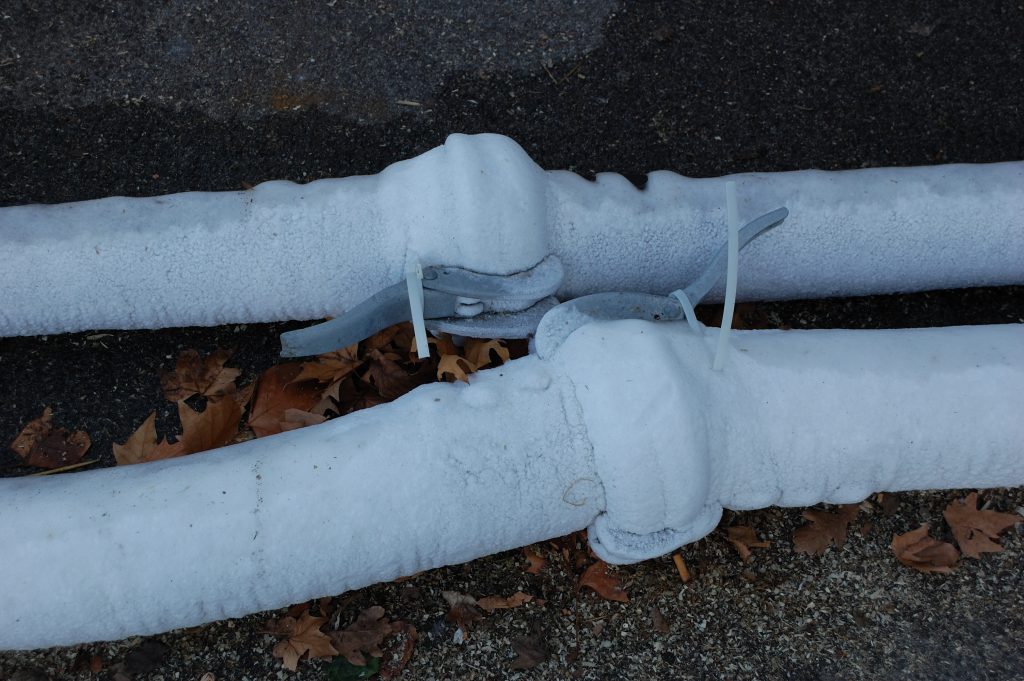
In addition, many homes also use electricity for heating, and therefore power outages mean that homes are deprived of heating as well as the use of fans, pumps, and thermostats that are used to protect plumbing.
7. Recovery often lasts longer than the snowfall
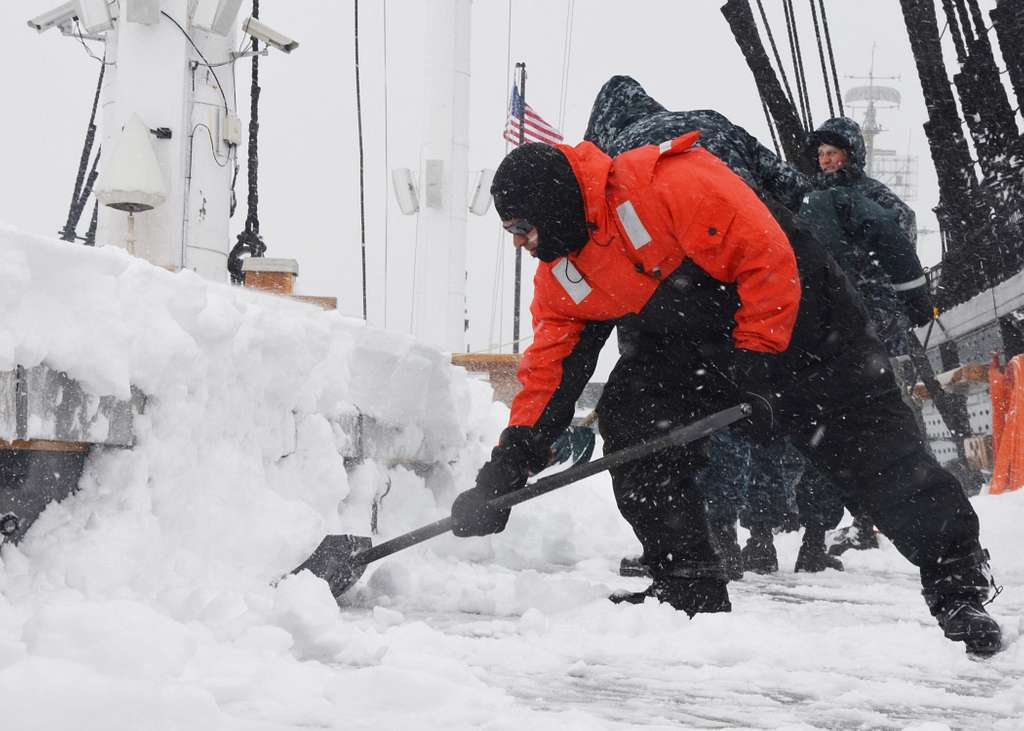
When the storms bring both ice damage and prolonged subfreezing temperatures, the recovery process is more than just putting the poles back in place. It becomes a multi-tiered process of clearing the debris, opening passable routes, repairing the distribution lines, and restoring a grid that is under stress from high heating demand. In the South, where a significant icing event is not as common, the wait for normalcy seems longer. In situations like this, the first things that are noticed in terms of disruption are the most obvious ones, such as the blank departure boards and closed highways.
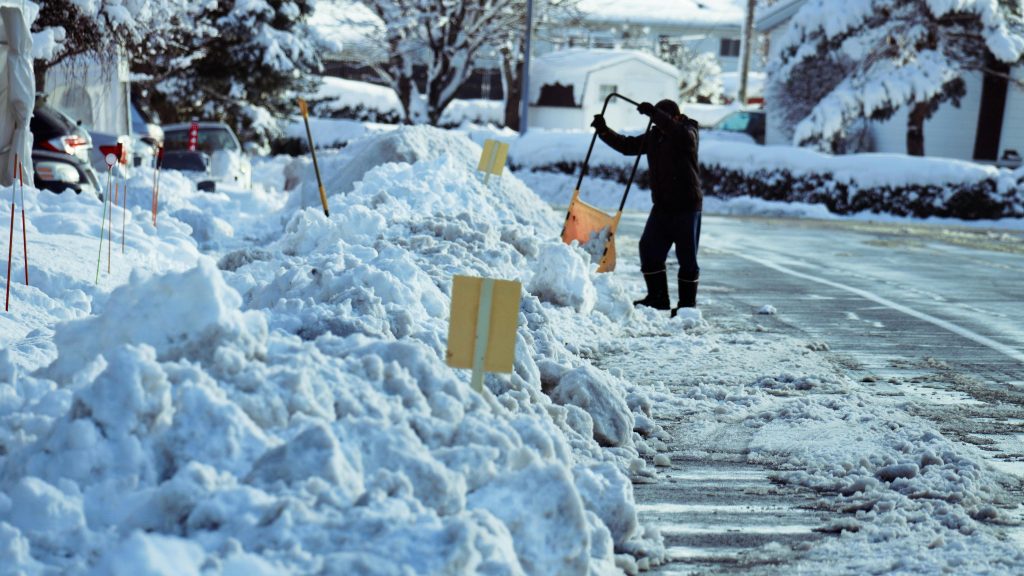
However, the story that follows is the one that involves families trying to conserve heat in their homes, repair crews working around frozen obstacles, and communities trying to manage risk until the temperatures rise. “The practical objective for many families will be simple: minimize unnecessary travel, keep indoor areas safe, and hold on to limited resources until the roads are reopened and power restoration efforts catch up.”

