

“Consumers of diet soda experienced a reduction in glomerular filtration rate, a measure of renal function.” Julie Lin, MD, MPH, spoke of this in a group of older women who had been followed for two decades. Diet sodas are often seen as a simple substitution: sweet without sugar, fizzy without the sin. But the “zero calorie” claim does not necessarily mean that the other parts of the substance are removed, such as the acids, the caffeine in some products, and the non-nutritive sweeteners.
The research has not produced a clear conclusion. Some of the results are more reliable than others, and many are observational studies, which are looking at correlations rather than causes. However, the same problems keep appearing throughout the body systems, when taken regularly.
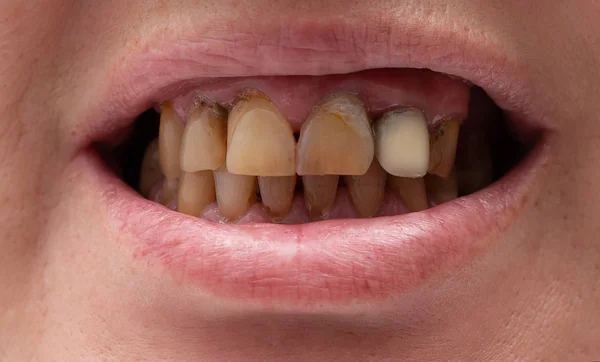
1. Tooth enamel can deteriorate even without sugar
Diet sodas may contain phosphoric and/or citric acid, which can compromise the enamel and make teeth more vulnerable to erosion. Over time, this can lead to sensitivity, pitting, and discoloration, particularly if sipping happens throughout the day. Sugar is not required for the accumulation of acid damage.

2. The body’s glucose regulation may respond unpredictably
Non-nutritive sweeteners were designed to offer sweetness without raising blood sugar levels, as sugar does, but studies have shown that their increased use has been linked to the development of type 2 diabetes. Proposed mechanisms have included alterations in appetite regulation and variations in the microbiome that could influence insulin sensitivity. Individual differences have made it difficult to use this principle as a guiding rule.

3. Kidney function decline shows up in long-term cohorts
In a large group of older women, the risk of drinking two or more diet sodas daily was linked to a quicker loss of kidney filtration rate, measured by glomerular filtration rate. In a study, a 30% quicker loss of kidney function was found in heavier drinkers compared to those who did not drink diet sodas over a period of 20 years. This was found despite adjusting for factors such as age, smoking, physical activity, blood pressure, and diabetes.

4. Blood pressure risk may creep upward with daily use
Large observational studies have found a small risk of hypertension associated with the daily consumption of artificially sweetened beverages. The signal appears more consistent with carbonated beverages, such as colas. The proposed mechanisms are similar to other concerns with diet soda and include metabolic changes that may impact vascular function.

5. The gut microbiome may change, but the results are not consistent
Regarding non-nutritive sweetener studies, the research environment is reported to be mixed, with more definitive results in animal models compared to human studies. In a review carried out in 2025, it was observed that there were reduced levels of beneficial bacteria such as Lactobacillus and Bifidobacterium, but also an increase in potentially pathogenic bacteria, compared to human studies that showed smaller or no changes.
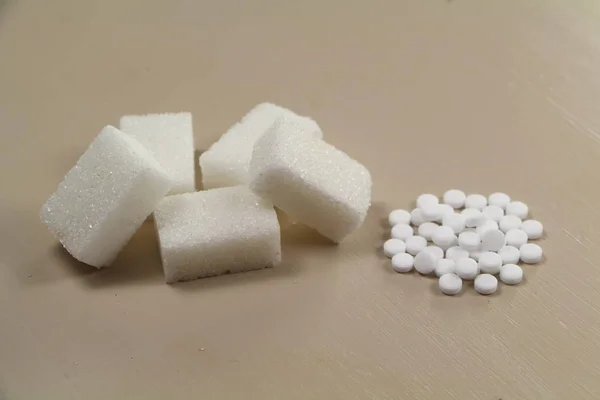
6. Cancer questions remain unresolved for certain sweeteners
Aspartame made headlines once again when it was classified as “possibly carcinogenic to humans” (Group 2B) by the International Agency for Research on Cancer based on limited evidence for liver cancer, although other expert groups, linked to WHO, continued to follow the acceptable daily intake. For the average consumer, the issue is not one of a single can but of cumulative exposure.

7. Phosphate-based additives may have relevance within the context of bone health in susceptible groups
Some diet sodas, especially the darker colas, have phosphate additives. Too much phosphate causes an imbalance of calcium, which is a concern for people who are already at risk for having low bone density, like the elderly. Bone problems are not associated with “diet” products, but with what is used to substitute sugar in the blend.

8. Symptoms of stroke and dementia have been identified in observational studies
Some research has been done on populations that found a relationship between a higher consumption of artificially sweetened beverages and the risk of stroke or dementia. However, these studies do not prove a cause-and-effect relationship, and it is not possible to exclude the influence of confounding factors. However, the fact that the outcome is related to neurological events has kept this topic of interest.

9. Waist size can increase even with reduced calorie consumption
For individuals aged 60 years and older, the measurement of abdominal fat is a significant marker because visceral fat is recognized to grow inordinately with age. In the San Antonio Longitudinal Study of Aging, waist size was discovered to grow in a dose-response manner: individuals who did not consume diet soda had less than 1 inch of average increase, those who consumed occasionally had almost 2 inches, and those who consumed daily had more than 3 inches of average waist increase in a period of almost a decade. It was also discovered that the effect was most extreme on those who were overweight or obese at the start.
Among the studies, the general idea is that the health problems caused by diet soda are more than just calories. Teeth, kidneys, blood pressure, digestive tracts, and fat distribution could all be affected. As a reader attempting to reduce health risk, the healthiest shift is probably from frequent consumption, especially multiple servings daily, to beverages that offer hydration without excessive acidity or sweetness.

