
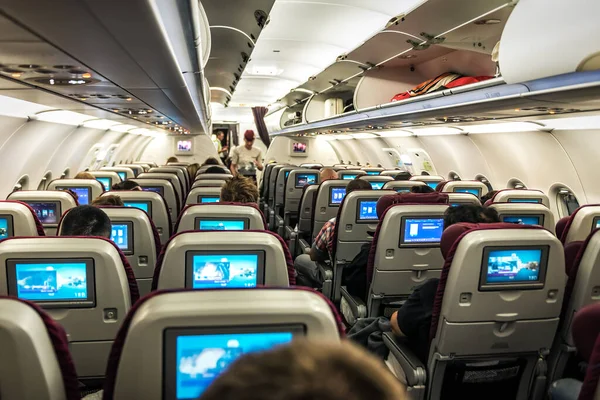
“In flight attendant training, there is one mantra that has been passed down for generations: ‘Is it a Coke, or is it a stroke?’ This is a reminder that even the smallest passenger cue can have big stakes, and the cabin crew must be mindful of this.”
This is why “nice” behavior can sometimes go wrong at 35,000 feet. In a tight aisle with time constraints, limited resources, and safety checks that can’t be put off, being nice means less “extra initiative” and more “respecting how things actually work.”
1. Correcting a stranger for breaking the rules
Reporting a problem with another passenger regarding a seatbelt, mask, or other issue may seem like a civic duty, but it is often a public spectacle that the crew must then resolve. It is the flight attendants who have the training and authority to deal with the situation, and it is they who have the option of finding the least offensive way to do so. A polite word to an attendant will preserve everyone’s dignity.
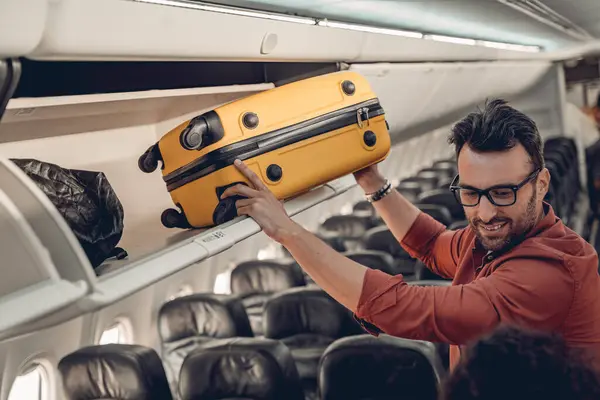
2. Rearranging overhead bins like a personal puzzle
Lifting someone else’s bag, moving coats, or “bin optimization” without permission is a source of conflict, particularly during boarding. The most basic and best form of bin etiquette is also the simplest: put larger carry-ons in the overheads and keep smaller items in the seat, as personal items are intended to be stowed under the seat in front of you. When passengers start to consider the bin above their row as their own territory, boarding becomes a problem, and conflict ensues—two things that flight crews work hard to avoid.

3. Touch as a shortcut to gain attention
A touch of the arm may appear to be less aggressive than speaking out, but most members of the flight staff do not want to be touched by a stranger. As one flight attendant succinctly put it, “Use your words.” If a passenger is close enough to touch, that passenger is close enough to say “Excuse me,” to make eye contact, or to press the call button without turning a simple request into an awkward encounter.
4. Treating the call button like a last resort
Some passengers will avoid using the call button because they think it is only for emergencies, and then they will compensate for that by leaning into the aisle or trying to physically get the attention of the crew while they are in the middle of something. The call button is actually there so that the crew can triage what needs to be done while still completing their safety and service tasks. It is especially useful in a medical emergency, but it is also useful in time-sensitive situations such as a broken seat or a spill that could reach the electronics.
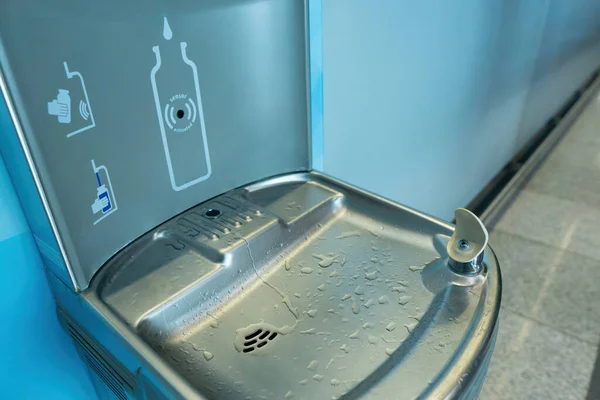
5. Asking for a refill of the water bottle
Refillable bottles are a great travel tip, but a call for a full 32-ounce refill can quickly deplete the plane’s limited water supply. Water is needed to fill the cabin and meet unexpected demands. Refilling at the terminal after going through security, then taking the standard cups on board, is one way to treat everyone equally.
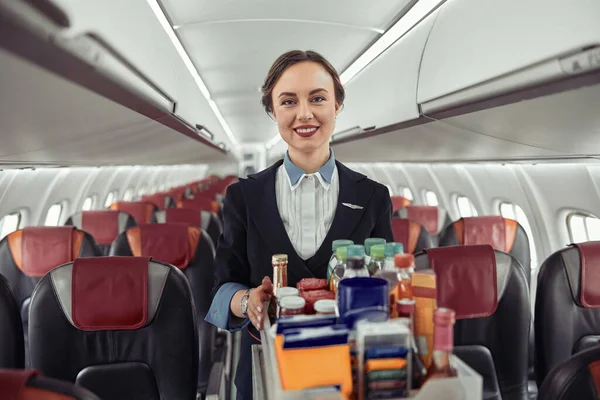
6. Helping oneself to the drink cart
Reaching into the cart for a soda or snack may appear to be an efficient act, but it interferes with the service order of the crew and may cause a congestion problem in the aisle. It also brings up issues of cleanliness and handling, as the cart is a controlled work environment. Waiting to be served is not a passive act; it is a cooperative one.
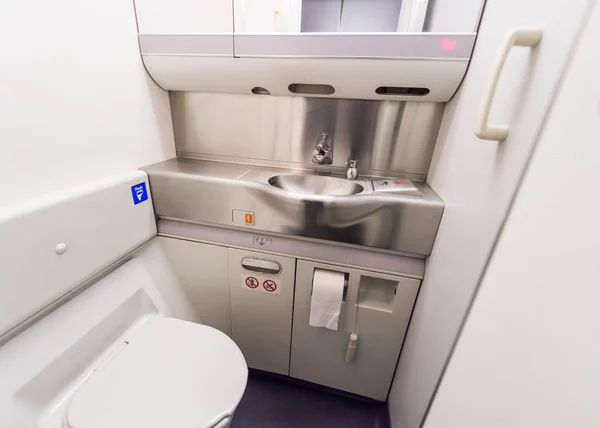
7. Transfer of dangerous waste
Used tissues, diapers, and any items containing bodily fluids are more than just gross; they are also dangerous. Handing these items directly to a flight attendant puts the crew unnecessarily at risk and makes disposal difficult. The trash in the lavatories is where most of these items belong, while sharps can be disposed of in accordance with guidelines after landing.
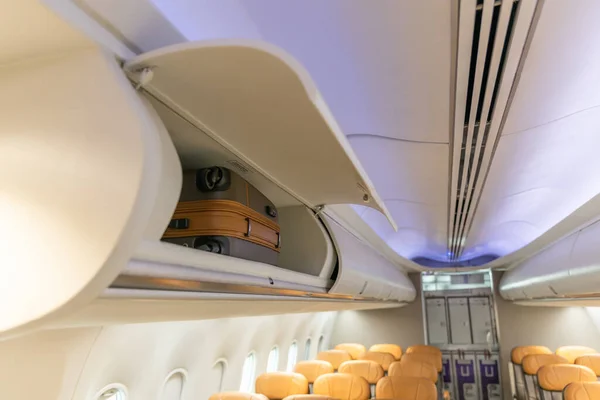
8. Protecting the airspace above oneself or constantly re-stowing a bag
As the plane is boarding, each and every pause is heard down the aisle. Moving a carry-on bag several times, preventing other passengers from using available space, or stashing a bag away and then enforcing the bin as if it were one’s territory will delay the plane. Members of the flight crew are quick to remind passengers that delays can begin with something as simple as bin gridlock, as the door cannot close for departure until everything is stowed away.
9. Transferring the crew into in-flight entertainment
A friendly chat can be in order at the right time, but signaling an attendant to come and chat will not take into consideration what is going on behind the scenes of the galley, such as safety procedures, paperwork, restocking, and communication with the cockpit. Small talk will usually be well received after the meal service, or during a quiet period when the crew members are already in the vicinity.
A simple “thank you” on the way out, to the cabin crew as well as the pilots, is often the most appreciated interaction of all. Plane etiquette rarely involves doing more. It involves doing a few things that will protect the crew’s workspace, conserve shared resources, and keep the boarding and service process moving. When travelers trade their flashy helpfulness for quiet situational awareness, the cabin becomes less of a competition for space and attention and more of a shared journey running on mutual respect.

