
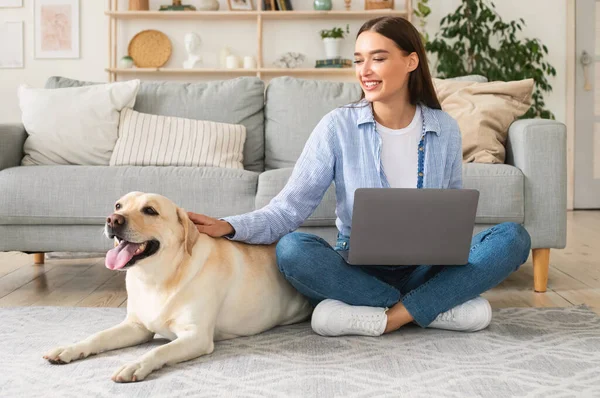
What if the “big love” a dog wants most is the quiet proof that a person is paying attention? Trust is a thing that can be created out of small, repeatable, low-key moments: the extra pause at the mailbox to allow a nose to work, the steady voice in the middle of a crazy afternoon, the choice to give a dog some space when it asks. These are small moments that add up to a home that is predictable and emotionally safe.
1. Nose-led agenda setting
Sniffing is how dogs experience the world, and walks become different when the goal is information rather than distance. A long leash and an easy path give a dog the chance to investigate, problem-solve, and unwind. This mental labor is frequently more valuable than “steps,” especially for dogs who rev up or become anxious in city neighborhoods. A slow sniff is a reset button.
2. Giving full attention in short bursts
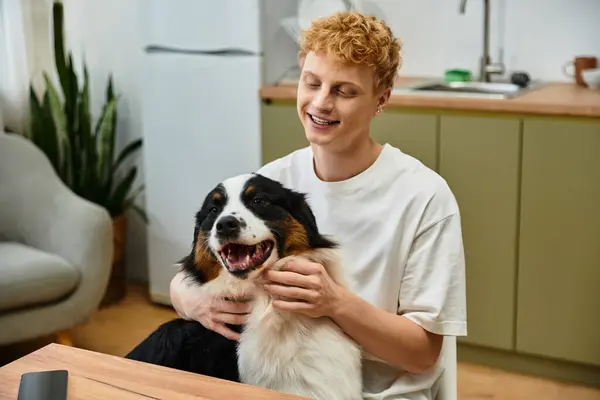
Dogs can sense divided attention in an instant. A few minutes of playtime, training, or petting can convey a message that is much clearer than a lukewarm interaction: the dog is worth the human’s time. When a dog offers a glance, a nudge, or simply chooses to sit nearby, a word or a touch can seal a bond without making it an expectation.
3. Speaking in a friendly voice that remains consistent
It is less important what is said than how it is said. In a training situation, the longer the “nice” talk, the more tail wagging there is likely to be in a dog, while more reprehensible talk has been associated with fewer correct answers. At home, a consistent tone of voice will allow a dog to understand what is being asked without having to search for “weather changes” in the tone. A sudden sharp tone can be confusing, even if it is not addressed to the dog.

4. Reading “please give space” cues correctly
However, many dogs convey their message of needing space in a subtle manner, such as by turning their head, yawning, lip-licking, or avoiding eye contact. This can be confusing, as in dogs, these are more likely to be signs of stress than fatigue or stubbornness. A dog showing whale eye or a tucked tail is not being dramatic; it is struggling to cope. This message must be respected.
5. Hand-feeding as a relationship exercise
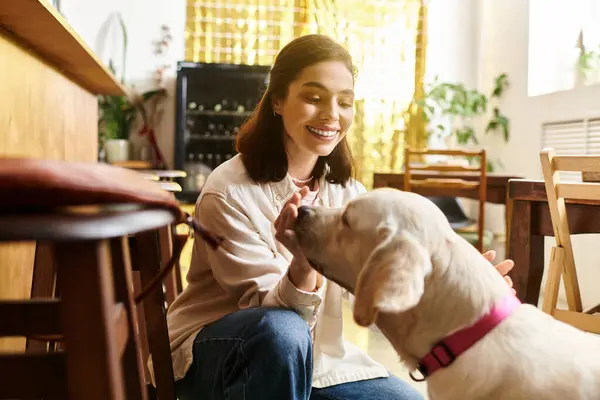
Hand-feeding can turn one meal into teamwork. It encourages gentle body positioning, reinforces self-control, and teaches a dog to check in for direction. For shy or newly adopted dogs, it may increase comfort with proximity on the dog’s terms. For dogs who wolf down their food, it will slow the whole process down and teach a predictable sequence: focus, take food gently, relax.
6. Keeping up routines that are stable enough to make a difference
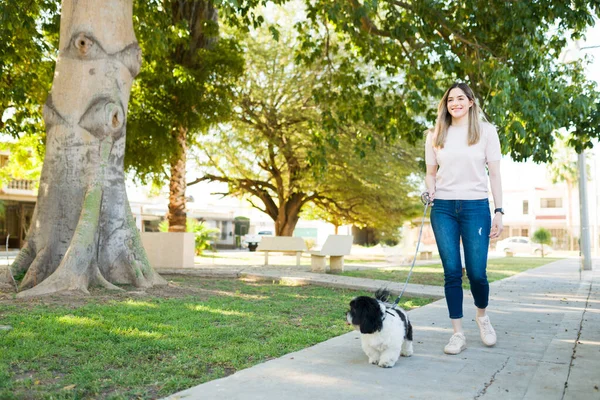
Dogs can be easily managed using a simple routine of eating, potty time, down time, and engaging activities that follow a predictable routine. Predictability can help in reducing stress that comes with daily activities and can even help in reducing attention-seeking behaviors that come with unpredictability. The routine does not have to be followed to the letter for it to be effective; it only needs to be predictable enough for the dog to know what is coming next.
7. Calm practice that a dog can “borrow”
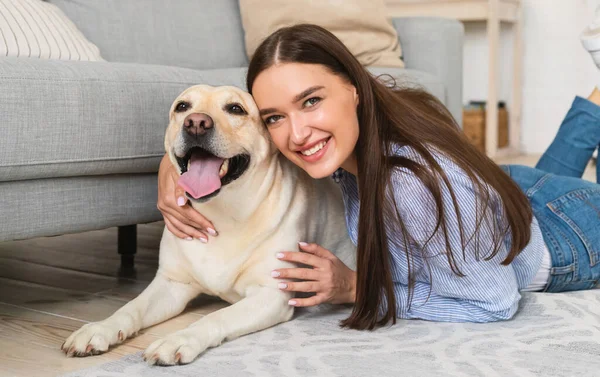
When dogs feel overwhelmed, it is difficult for them to calm down by themselves. Co-regulation is the mechanism by which a dog can calm down with the presence of a human, through slow breathing, calm body position, and slow movement. This is described as a mechanism of emotional contagion, where stress is contagious but so is calmness. Calm speech and slow movement give a dog something to imitate.
8. Protecting quiet companionship
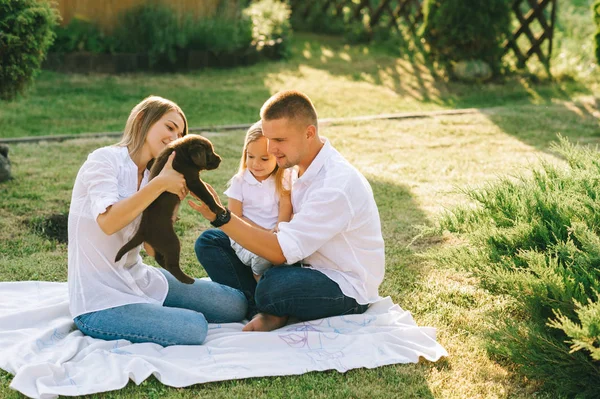
Not all bonds are created through activity. Just being in the same room, enjoying a peaceful evening together, or sitting together after a walk can be very regulating, especially for senior citizens or easily over-stimulated dogs. This will teach a dog that it is safe to be near even when nothing exciting is occurring. Each of these is accomplished without making a big show.

They work simply because they can be repeated, are clear, and are easily understood by a dog. With time, small movements sniffing more, fewer interruptions, a more consistent voice, and respecting space become the language of security that a dog can count on.

