
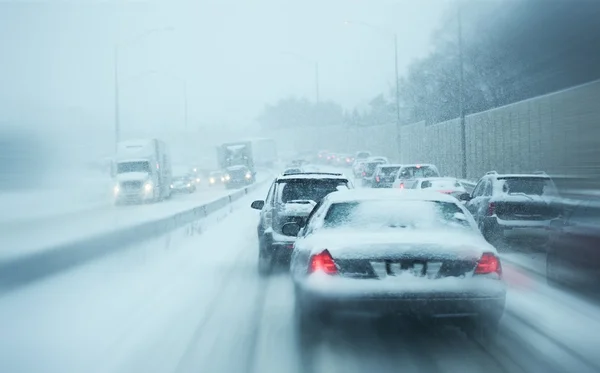
Winter storms don’t have to bring record snowfall to disrupt lives. A combination of ice, wind, and subfreezing temperatures can make everyday choices driving to work, shoveling a sidewalk, attempting to stay warm at home life-or-death situations.
Throughout the U.S., the same storm that dumped snow on the Northeast left hundreds of thousands without power in the South, where homes and infrastructure are typically less equipped to handle prolonged cold. The human cost has included deaths from hypothermia, accidents, and the effects of snow clearance.
These are the dangers of winter storms that most often emerge in the wake of the storm, with the following explanations providing context on why they’re so deadly.
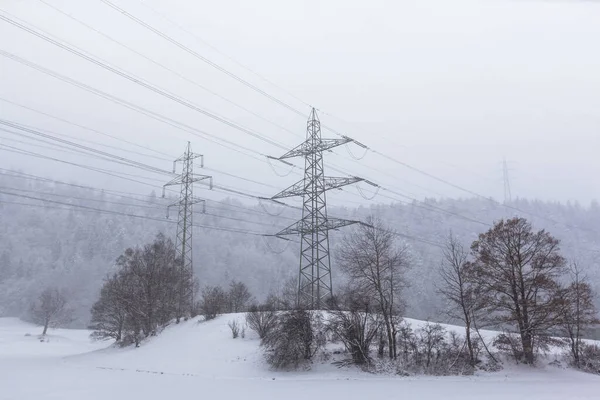
1. Power outages that turn homes into refrigerators
Power outages that linger through freezing temperatures are more than a nuisance. Without functioning heating sources, indoor temperatures can plummet, especially in homes that are older or have poor insulation, forcing residents to huddle in one room, improvise heating sources, or sleep in layers.
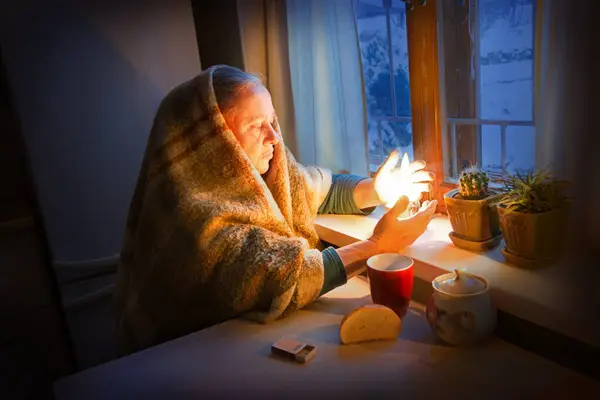
Ice in the South is a significant cause of power outages because it weighs down power lines and tree branches. A half-inch layer of ice can add as much as 500 pounds of weight to power lines, increasing the risk of broken lines, damaged poles, and prolonged power restoration. During this time, residents are likely to resort to more desperate measures to stay warm, which can introduce fire and carbon monoxide hazards.

2. Hypothermia in places people do not expect it
Hypothermia is not just a problem in the backcountry. It can occur outdoors when waiting out a rescue over a prolonged period of time, in an unheated house, or when wetted by sleet, snow, or sweat and then exposed to cold air. The elderly and young children are at particular risk because of the way their bodies control temperature, and because they may not be aware of the symptoms of hypothermia.
Several deaths from the storm, which were blamed on cold exposure in the South, were due to what appeared to be hypothermia. These deaths serve as a reminder that cold is most dangerous when it is combined with isolation, exhaustion, inadequate shelter, and lack of access to warmth.
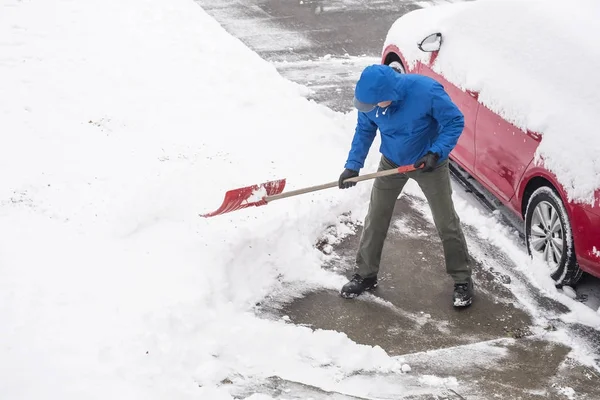
3. Snow shoveling that is like extreme exercise
Snow removal appears to be innocuous until it is no longer. The pushing, lifting, and turning in heavy clothing, often while holding one’s breath, can quickly increase heart rate and blood pressure then exposure to cold air is an additional stressor.
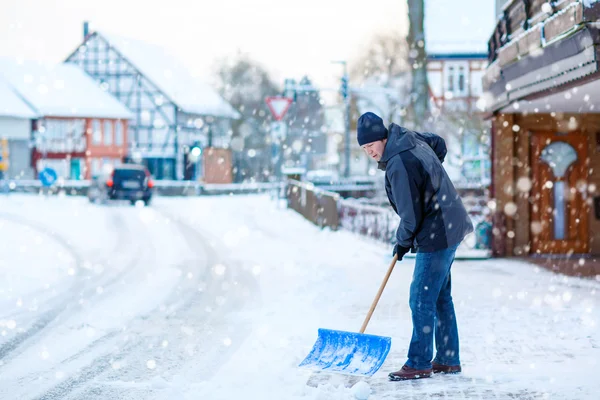
According to cardiologist Christopher Kramer of the University of Virginia Health, “Snow shoveling is definitely associated with an increased risk of both heart attack and sudden cardiac death” and explained how the physical exertion increases oxygen demand while cold air constricts blood vessels. He added, “You have a dual problem, that you’re increasing demand for oxygen because of the workload, and you’re reducing supply because of the constriction of the blood vessels in the cold.” During the storm, three people died while removing snow in Pennsylvania’s Lehigh County, illustrating how quickly physical activity can become a life-threatening emergency.
4. Sledding and towing that turn play into trauma
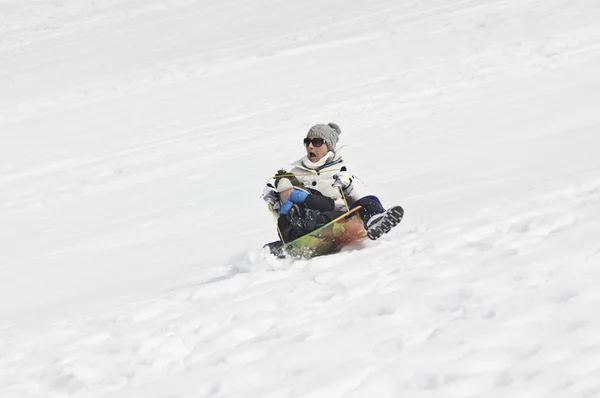
Snow days can tempt more dangerous forms of familiar fun. One of the most obvious danger zones during the storm was do-it-yourself towing a car used to pull a sled or makeshift tow rig on roads or near curbs, trees, and hard surfaces. With little control and faster speeds than a hill sled, a quick turn of the steering wheel or an unseen bump can produce a violent crash.
A teenager in Texas died in a sledding accident that police described as a towed sled hitting a curb and then a tree. The moral is less about fun and games than about the power of momentum: winter surfaces provide little traction for cars, and the person on the towed sled has little chance to steer or stop.
5. Snow plows and heavy equipment in tight spaces
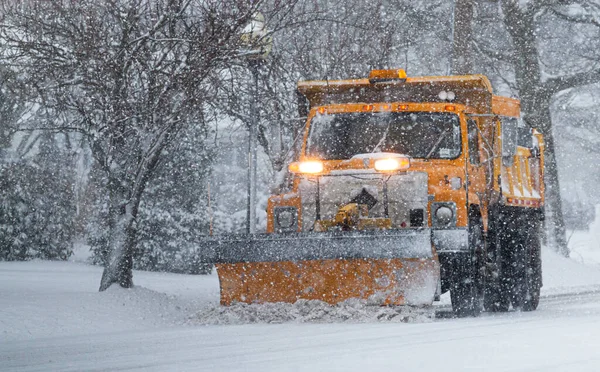
Snowy parking lots and tight city streets can become dangerous workplaces during and after heavy snowfall. Drivers must navigate in low visibility and noise conditions, while pedestrians enter active areas to move cars, collect the mail, or assist neighbors. Backing up is especially hazardous because snow banks, glare, and blowing snow can conceal pedestrians and hazards.
During the storm, a woman in Massachusetts died after a snow plow backed into her in a parking lot, illustrating how quickly normal cleanup activities become hazardous when space is at a premium and the ground is slippery.
6. Travel disruptions that leave people stranded, far from warmth
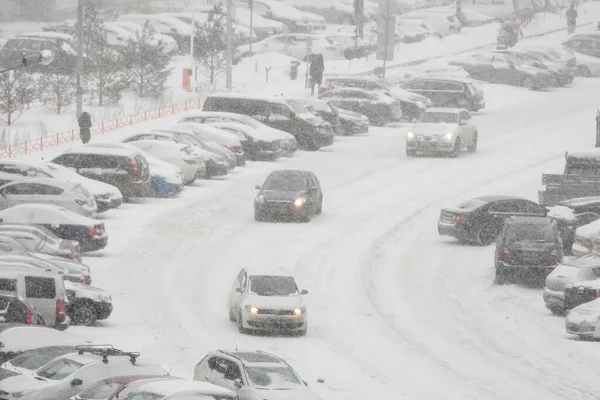
Winter storms are more than just trip cancellations; they can leave travelers stranded in terminals, on highways, or in vehicles that lack functioning heating. Disruptions in the aviation world snowball because planes and personnel are in the wrong places, and road conditions can impede emergency response times and make refueling or finding accommodations difficult.
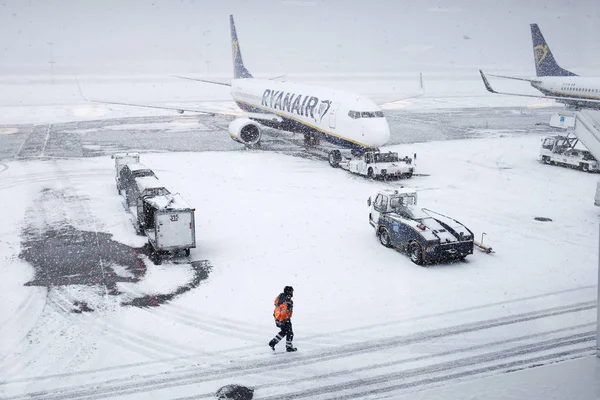
Over the course of the storm, cancellations numbered in the tens of thousands of flights, with the greatest disruption occurring in the Northeast around the largest hubs and the largest connecting airports. For the traveler, the concern is usually access to health: prolonged delays and overnight stays raise the risk of cold stress, dehydration, and for those with medical needs, lost access to medications or equipment.
Winter storms are usually remembered for their totals how much snow fell, how low the wind chill went. The more important lesson is how normal activities become hazardous when cold, ice, and exhaustion compound. In the wake of the storm, the most prudent decisions are often the most unremarkable: to slow down, avoid making strenuous bursts of energy, and to regard power outages and travel disruptions as health issues as much as practical ones.

