

Tipping used to seem rather clear-cut. Simply put, you sat down & had someone serve you, and then you tipped them. But not anymore. Yes, that sense of clarity has faded, and surveys from the Pew Research Center & Bankrate have found that many Americans are having to deal with giving tips in situations that never used to involve them. Here are seven times that Americans think tipping went too far.
1. Self-checkout screens
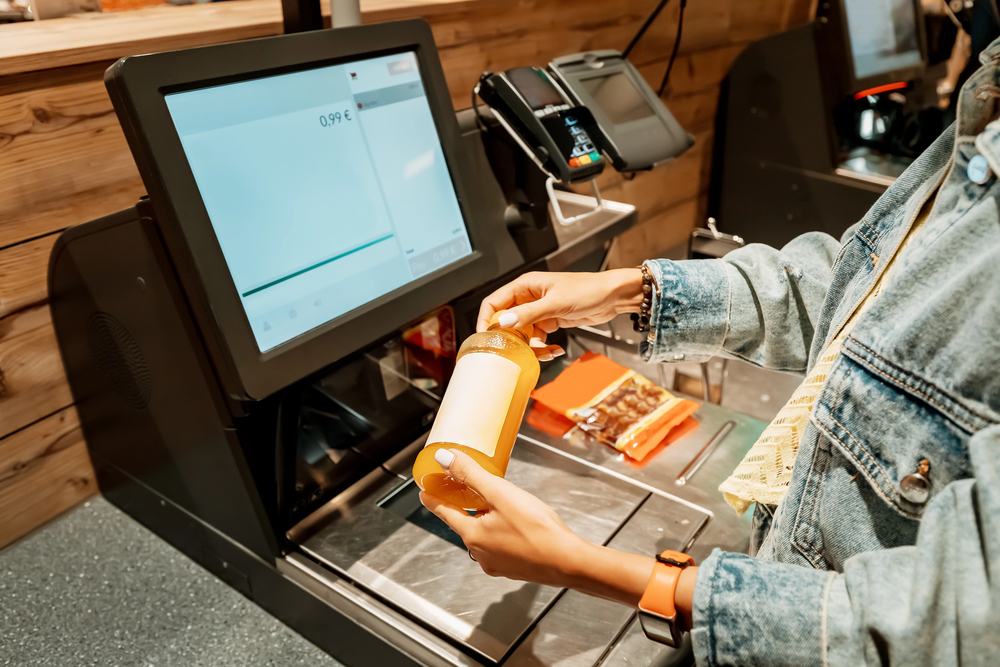
Self-checkouts involve customers doing all the work, as they scan the items and bag them themselves, then pay for them. But it’s become common to see a screen asking for a tip at the end. Bankrate writers said they’ve seen prompts for tips at airport self-checkouts, including at Newark Liberty, despite the fact that the customer does the bulk of the work themself. Some kiosks ask you for tips even when you don’t actually interact with any staff at all. What exactly are we tipping for?

2. Automatic service charges with a tip line
A few places include a mandatory service charge on the receipt. However, if that wasn’t already bad enough, some of these places will also include a blank line for a tip, almost as though the compulsory charge wasn’t enough for the workers. Data from the Pew Research Center found that around 72% of American adults opposed automatic service charges being added to their bills. One of the reasons the tip gets added on top is the law. According to the U.S. Department of Labor, a service charge doesn’t legally count as a tip, even though many customers assume that it does.
3. Tip prompts in no-tip places
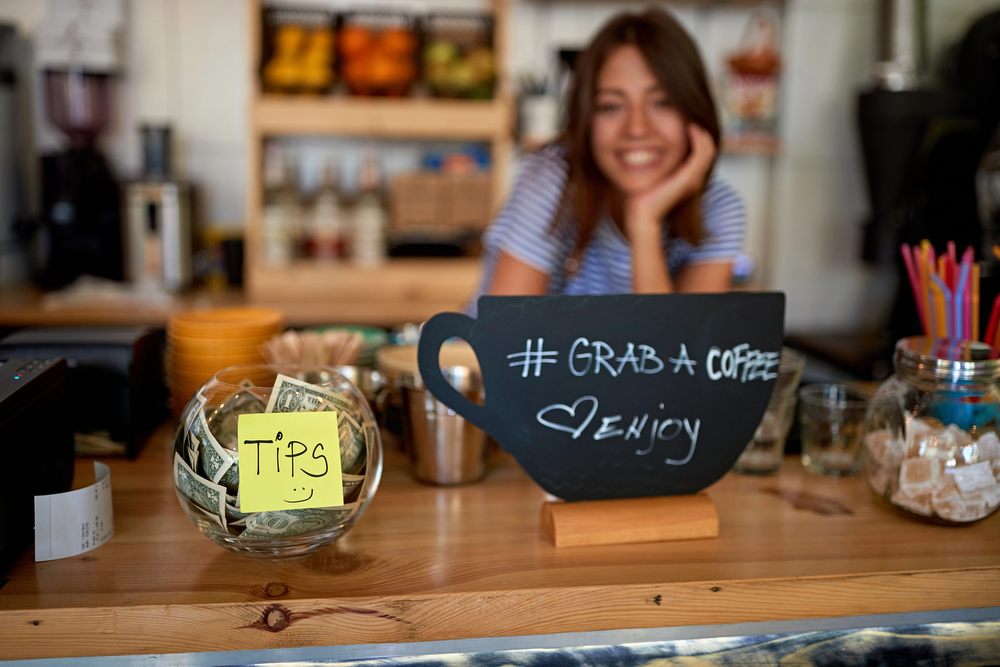
You’ll find tip prompts in almost every place these days, whether that’s retail shops or bakeries. It’s a lot more common than it used to be. In fact, the Pew Research Center found that 72% of American adults believe that tipping is expected in more places these days than it was five years ago. Some of these include settings that the majority of people recognize as traditionally being places where they wouldn’t usually tip. Clearly, tipping has started to get out of control for some Americans.

4. QR-code tipping for housekeeping
The issue with tipping housekeeping has less to do with the practice itself and more with the delivery method. Many guests have claimed to find cards on their room’s nightstand that include QR codes, asking for a tip. In some cases, they’ll receive the card before the room has been cleaned. Travel Weekly found that numerous hotels are testing platforms like Bene to encourage tips, as digital tips tend to change people’s behavior. But Americans have had enough. According to Bankrate survey data, the number of Americans who say they always tip hotel housekeepers fell from 28% in 2021 to 22% in 2024. We’re tired of the standing request.

5. Online shopping checkouts
Asking for a tip on online shopping checkouts crossed a line for many Americans because it appeared without any people involved. Yes, a few sites now add a tipping screen that’s usually connected to packing or shipping an order. It’s something that Shopify actually walks sellers through. They have details on how to enable tips with online platforms, including suggested amounts that pop up before a customer completes payment. But it’s too much for many Americans. Seeing a tip request when you’ve literally interacted with nobody seems rather excessive & unfair.
6. Increased suggested tip percentages
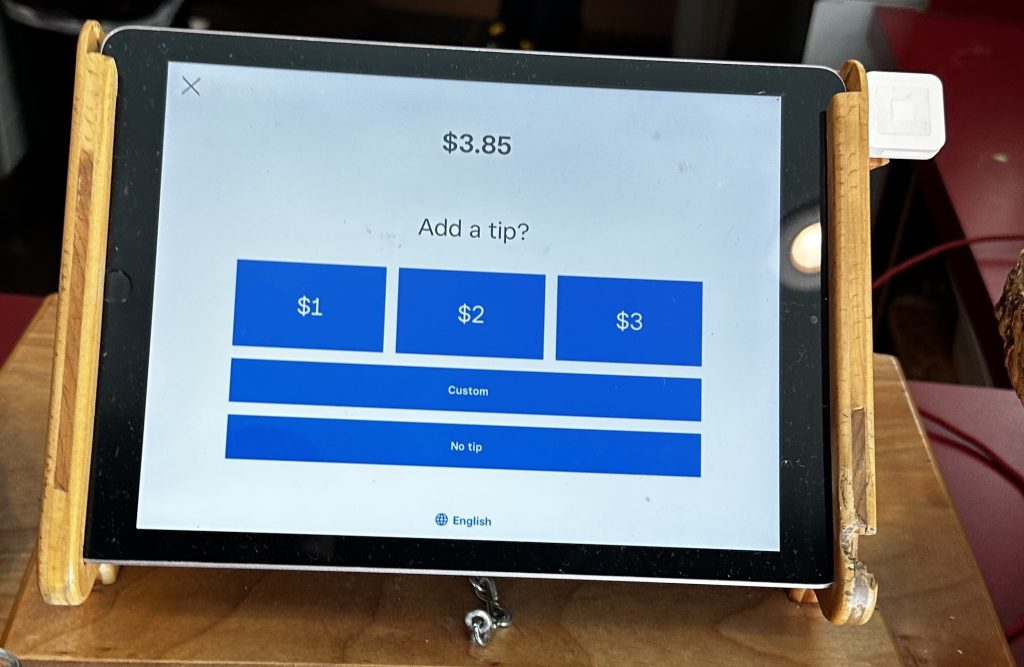
Nobody voted on the change to suggest tip percentages, and it’s something that the majority of customers only noticed when they got to the checkout. The screens used to show 15%, 18% & 20% suggestions. But now, many tip screens have much higher numbers as the default options. It’s normal to see 22% or 25%, even 30%. However, data from Bankrate shows that it’s something that is bothering many Americans, as we feel as though we’re being pushed into the higher options, rather than being asked. Nothing has changed about service. It’s simply the math on-screen that has increased, and it’s caught quite a few people’s attention.

7. Default tip buttons replace the ability to skip easily
One of the most significant breaking points for many Americans is how hard it has become to say no to tips. These days, you’ll find some screens hiding the “no tip” option behind extra taps. They’ll leave the higher amounts front & center. In fact, NPR reporter Stacey Vanek Smith looked into this design trend and spoke to UX researchers about it, explaining that adding extra steps creates pressure for customers. We feel as though we have no option but to tip. That’s not a good feeling.
One of the main reasons that people feel like tipping has gone too far is the fact that they’re not fully explained. Even though federal agencies like the U.S. Department of Labor & the IRS still define what actually counts as a tip, you won’t see these definitions on checkout screens or receipts. You’re simply left to work out what counts as a tip. No wonder it’s so exhausting.

