
The majority of people aren’t thinking about cabin routines or safety rules when they get on a plane. No, most of the time, they’re simply trying to be considerate, although the truth is that a lot of the “helpful” things they do are actually anything but. Sure, they might have the best intentions. But a lot of these things actually slow the service down or create extra work for the cabin crew, so perhaps it’s best to avoid them. Here are eight “helpful” airplane habits that flight crews wish passengers would stop doing.
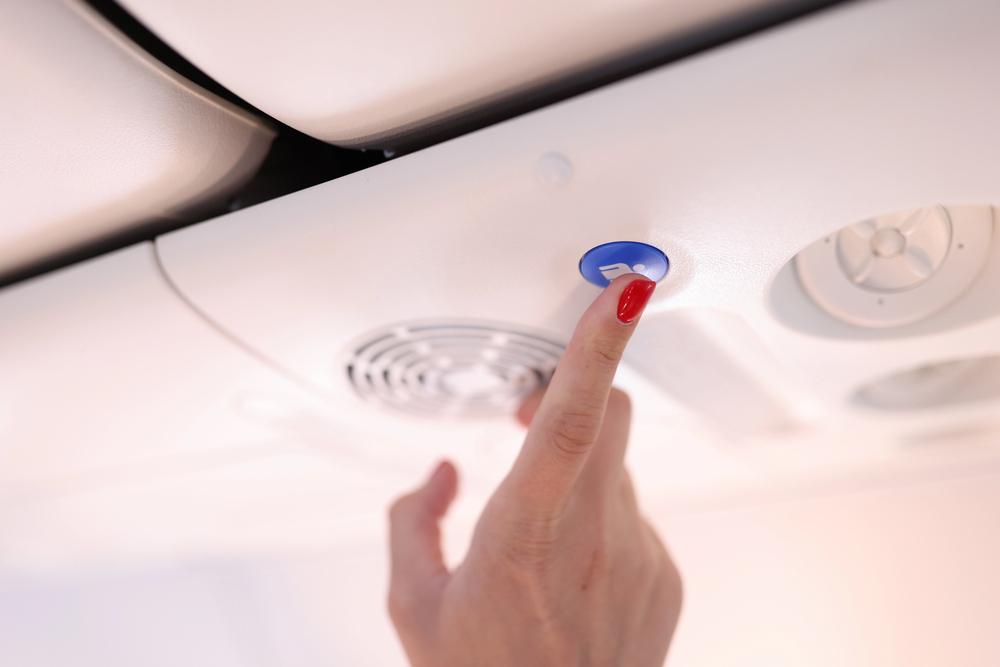
1. Ringing the call button to hand over trash
One flight crew member told us that they’ve had passengers press the call light simply because they wanted to hand over the trash. While the passengers think they’re helping out, the flight crew said they find it a little annoying because pressing the button is a request for immediate help.
As such, a crew member might stop another task to walk over and find they’re only taking some trash. This flight crew member said they’d prefer it if people held onto their trash until the crew collects it. It supposedly keeps things running more efficiently that way.
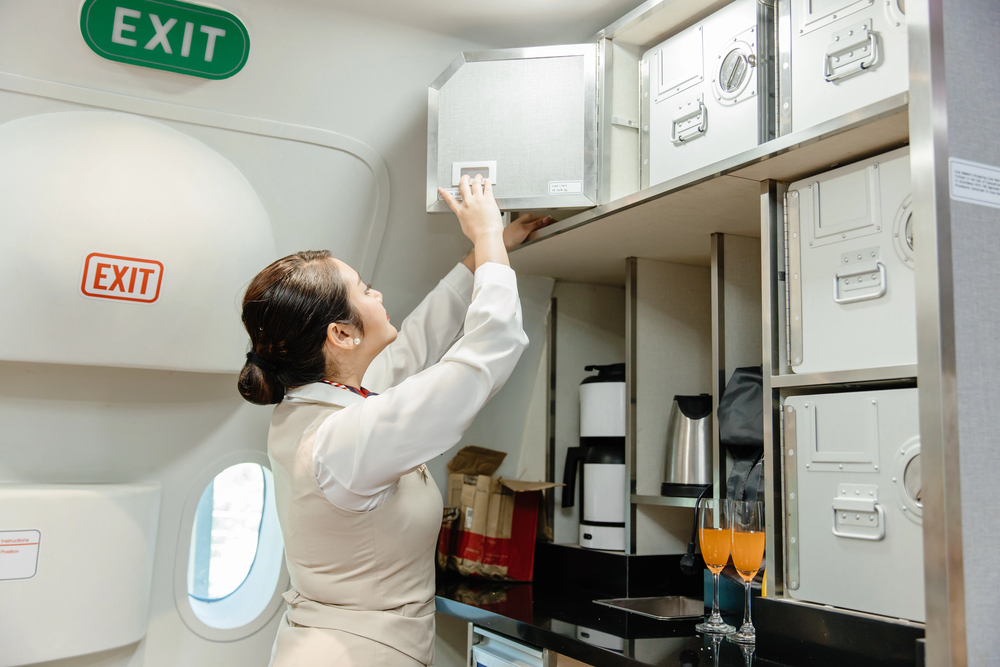
2. Walking your trash up to the galley mid-service
A similar issue is when passengers stand up and carry their trash to the back of the plane, almost as though they’re helping the crew tidy up. A cabin crew member said they wanted people to know that the galley isn’t a drop-off desk.
In fact, during the flight, the crew is organizing meals & logging paperwork, perhaps also restocking, so people turning up with trash forces them to stop doing their work. They have to deal with paper napkins and other pieces of trash right there and then. You’re better off waiting for the scheduled trash run.
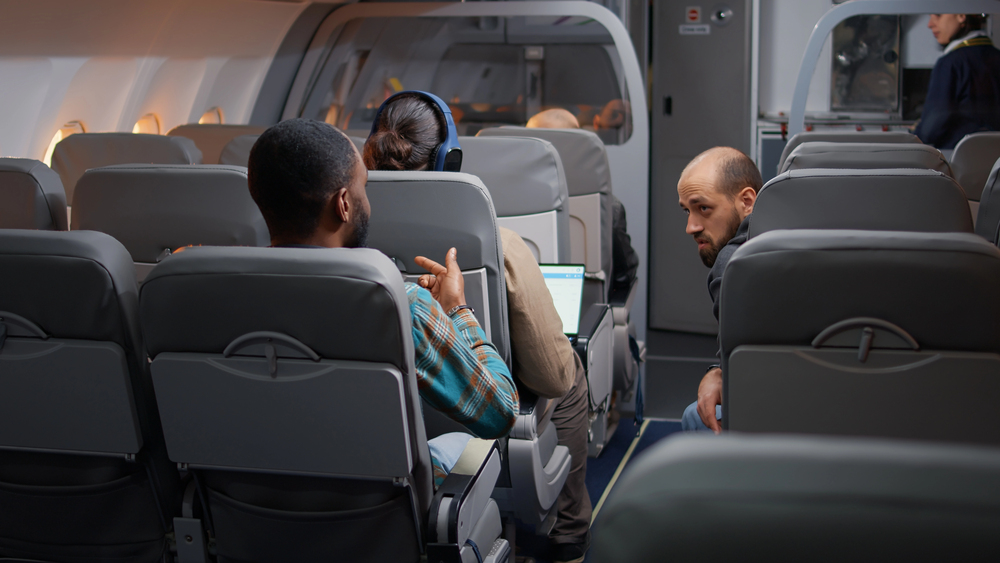
3. Switching seats without telling the crew
Of course, seat swaps happen all the time, and sometimes people do them without telling the flight crew. They believe they’ll avoid hassle this way. However, one crew member says the issue has less to do with the kindness and more to do with the tracking issues that come from swapping without telling them.
Crew members rely on seat numbers during service & safety checks. As such, swapping seats so that a couple can sit together or so that a kid doesn’t have to be alone, but without telling the crew, can create problems. The flight crew has to search rows to match meals and instructions to the right person.
4. Standing up early to get ready
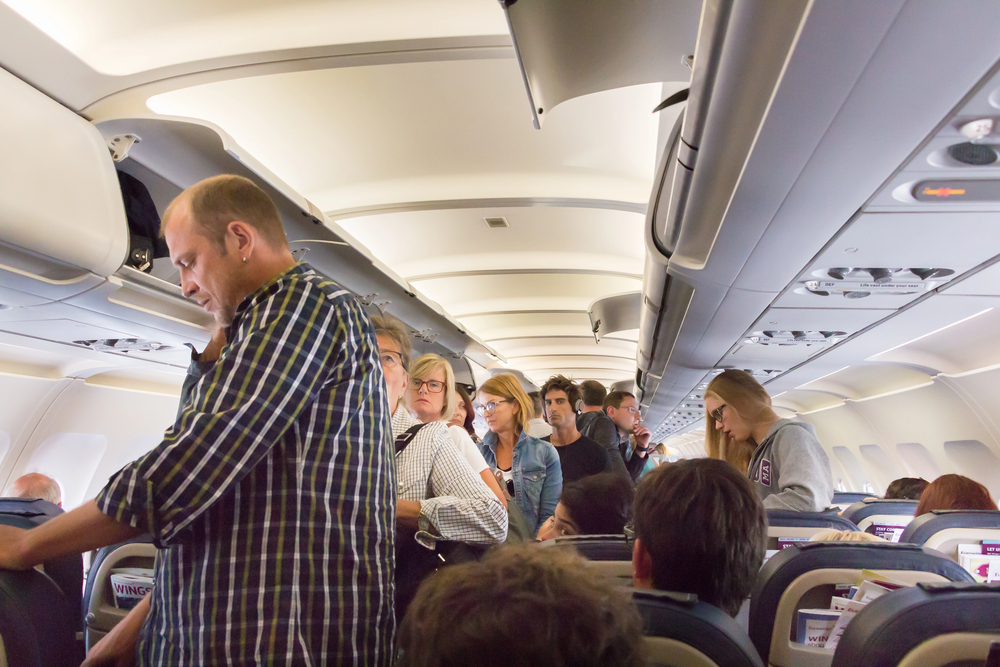
There’s always that moment after landing when some people stand up to grab their bags. They think it’ll keep them moving more quickly, and therefore give the crew more time to tidy up the plane, but it actually creates issues. Several flight attendants stressed to us that passengers shouldn’t stand up before the seatbelt sign turns off.
When it happens, the crew has to keep reminding people to sit down again while they’re also trying to prepare the cabin. They’d much rather everyone stay seated. That way, everything goes much more smoothly at the gate, without any of the holdups.
5. Stuffing the overhead bins
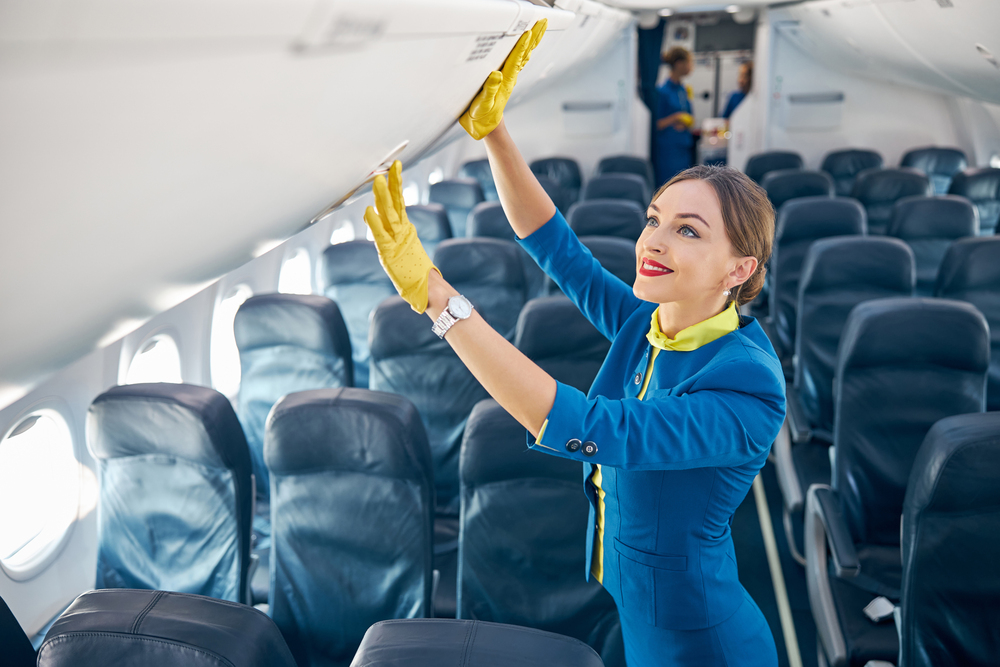
Unfortunately, some travelers try to put every single piece of luggage they can find into the overhead bins, as they believe it makes the floor tidy. Their logic is that it helps boarding move faster. But the truth is, one crew member told us that filling the bins with small items can actually make things harder because then people have nowhere to put their larger items.
Where do you put your roller bags when the overhead bins are full of coats? Eventually, it leads to passengers needing to reshuffle the bins during boarding. It slows everyone down. Instead, the flight crew recommends putting smaller items under the seat first so that there’s space to put on the larger luggage without any major issues.
6. Opening overhead bins while the plane’s still taxiing
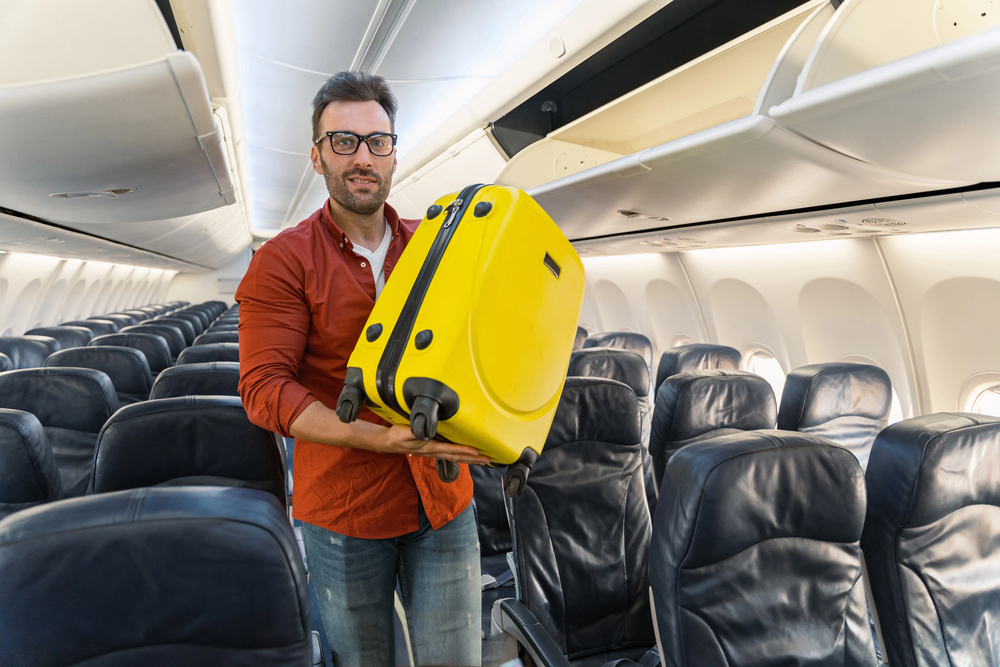
Likewise, some passengers reach up to grab their bag while the plane is taxiing, as they believe it’ll allow them to go the second the door opens. But it’s not that easy. In fact, one crew member said that doing this can actually create issues in the cabin because the aircraft may stop or turn suddenly while it’s taxiing, potentially causing bags to fall on those sitting underneath.
It has become such a problem that a few countries, including Turkey, will fine anyone who stands or opens bins too early. Crews have to deal with the issue far too often during arrivals, and they wish that they didn’t have to.
7. Stacking meal trays & cups
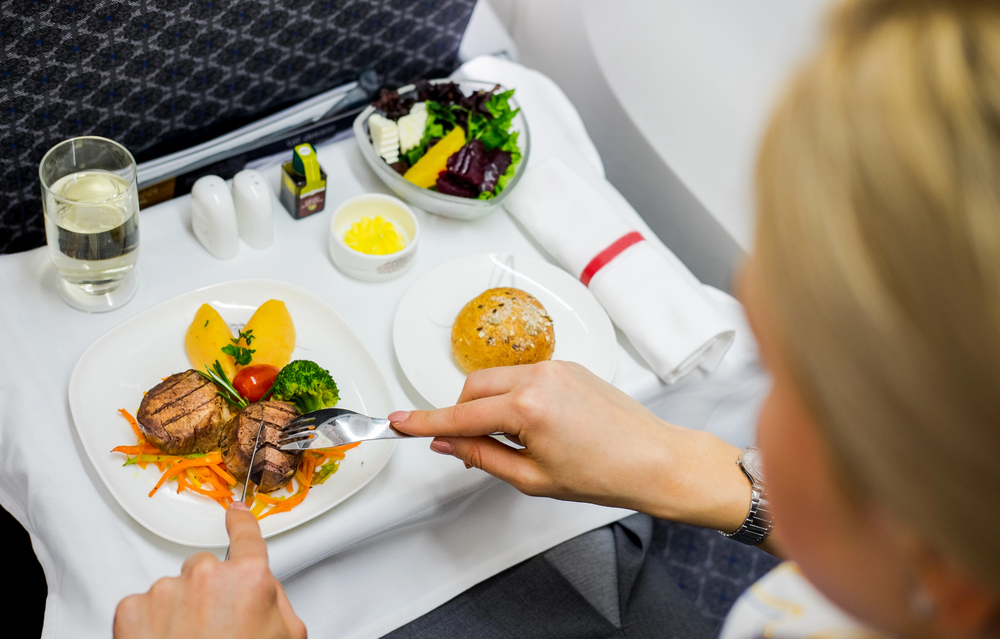
You might think you’re helping out by stacking a tall pile of cups, wrappers, and trays once you’re done eating. One flight crew member told us that they know people who are doing this come from a good place. However, stacking items slows the cleanup process down because the service carts are set up for flat trays, rather than towers.
It forces the crew to waste time pulling everything apart before it can safely go into the cart. As a result, drinks may start sliding & lids might pop off, making the aisle get rather messy rather quickly. You’re better off leaving your items spread out on the tray. Apparently, that makes it easier for the cabin crew to grab it all in an easy motion.
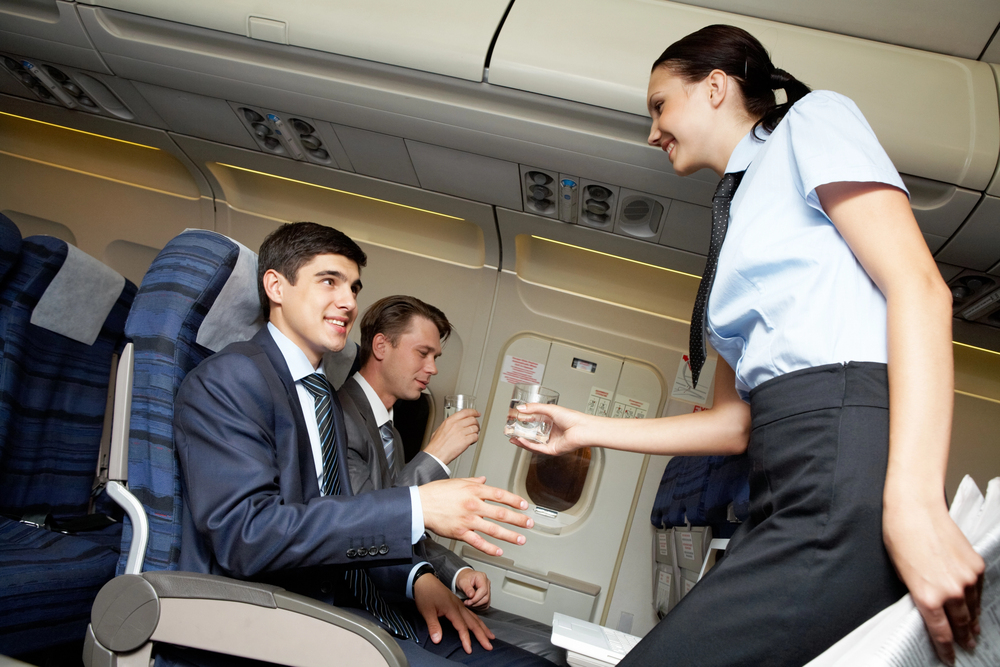
8. Asking for a cup of water during boarding
A few travelers will step on the plane with their pills already in hand, and they assume that’s the best time to ask the cabin crew for some water. After all, it’ll prevent them from bothering anyone later. But according to one flight attendant, boarding is the busiest part of the whole flight because they need to check bags & count seats while also keeping an eye on safety rules.
Don’t forget about having to keep the whole aisle moving. Since they’re so busy during this time, having several people ask for drinks all at once can slow everything down. It pulls attention away from the things that the crew is meant to do before the plane takes off, so it might be better to wait until the plane settles in the air. The crew can deal with your request much more easily that way.
By far the most important thing that many flight attendants want people to know is that they don’t expect passengers to manage everything themselves. Each plane runs on a specific set of routines that repeat every flight. When the passengers relax into such a rhythm, it makes the service feel a lot more efficient for everyone on board. The flight crew also understands that “helpful” habits come from good intentions, but the issue is really that they don’t always go along with how the crew has to run the space.

