
On a plane, good manners have less to do with grand gestures and more to do with timing, boundaries, and not creating extra work in a space measured in inches. Flight attendants spend boarding and inflight service juggling safety checks, tight turnaround clocks, and a cabin full of competing needs. Small “helpful” movesespecially the ones meant to speed things upcan quietly throw off the whole system. These are the passenger habits crews want retired, plus the smoother alternatives that keep the cabin calm.
1. Policing other passengers
Correcting a stranger’s seat belt, bag placement, or compliance can turn a minor issue into a confrontation that spreads down the aisle. Cabin crew are trained and authorized to handle noncompliance without escalating it, and they can do it with the right language, timing, and documentation. The discreet move is to mention the issue quietly to a flight attendant and step back. When passengers take the lead, the crew inherits a bigger problem than the original one.
2. Rearranging overhead bins like it’s a shared closet
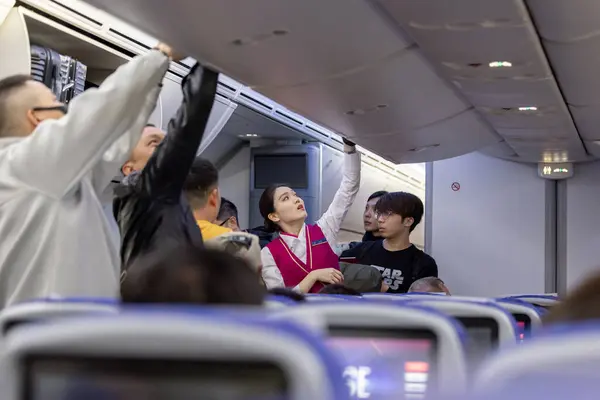
Moving someone else’s bag “to make space” is a fast way to trigger arguments, lost items, and delayed boarding. The overhead area above a seat is not guaranteed, but that doesn’t make it community property for grabbing and shifting. Many frequent-flyer frustrations come from bags being placed wherever is convenient then relocated without consent especially when travelers assume the first open bin is fair game. The simplest rule: stow only personal belongings, and if space looks tight, ask the crew instead of playing Tetris with other people’s things.
3. Using the overhead bin for everything especially the smaller item
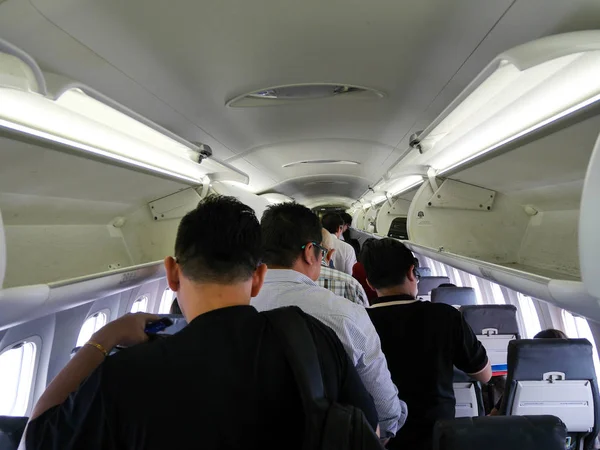
When jackets, tote bags, and small backpacks go up top, the bins fill before the last boarding group even reaches their row. Flight attendants regularly remind travelers that the standard setup is one larger bag overhead and the smaller personal item under the seat, a norm echoed in overhead bin etiquette guidance from flight attendants. Keeping the floor area clear is tempting, but it shifts the discomfort onto everyone else through late gate-checking and aisle backups. Saving bin space for roller bags makes boarding faster and deplaning less chaotic.
4. Touching the crew to get attention
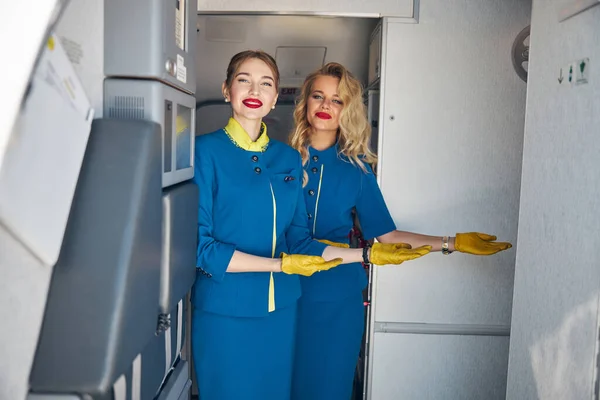
A light tap can feel polite to the person doing it and intrusive to the person on the receiving end. Flight attendants work in close quarters, often handling hot liquids, heavy carts, and safety-sensitive tasks, and many prefer not to be touched by strangers at all. A simple “Excuse me,” eye contact, or the call button communicates the same message without crossing personal boundaries.
5. Treating the drink cart like self-serve
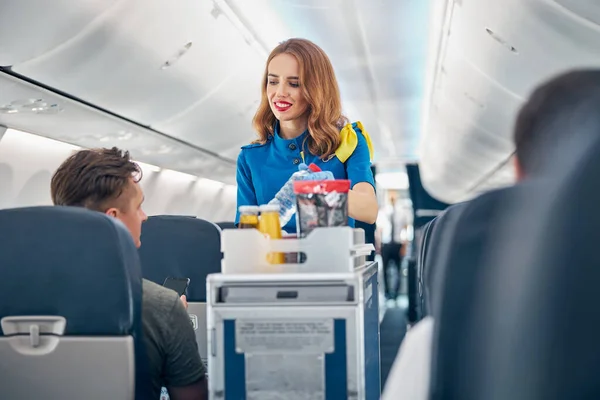
Reaching into the cart for a soda or snack disrupts the crew’s count, sequence, and workflow, and it creates a crowding problem in the aisle. Service is choreographed for a reason: the cart is heavy, space is tight, and attendants need clear movement to avoid spills and injuries. Waiting to be served keeps things orderly and keeps hands off equipment used for the entire cabin.
6. Requesting a full bottle refill mid-flight
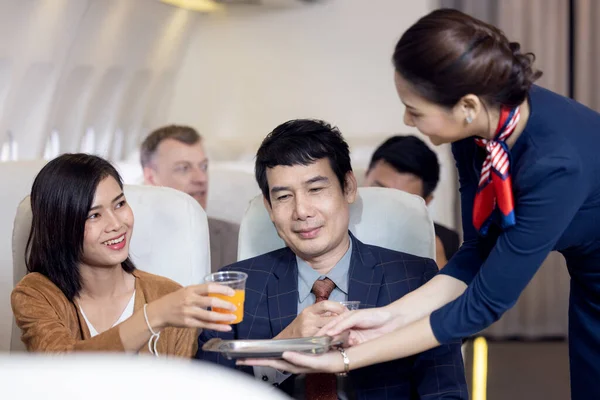
Refillable bottles are smart, but asking for a large, multi-cup refill during service can drain limited onboard supplies and slow the line for everyone else. Flight attendants can offer water in standard portions, but a full bottle request turns into a time-consuming detour, especially on busy beverage rounds. Filling up in the terminal after security and sticking to the cup service in-flight prevents shortages and keeps service moving.
7. Handing over hazardous trash
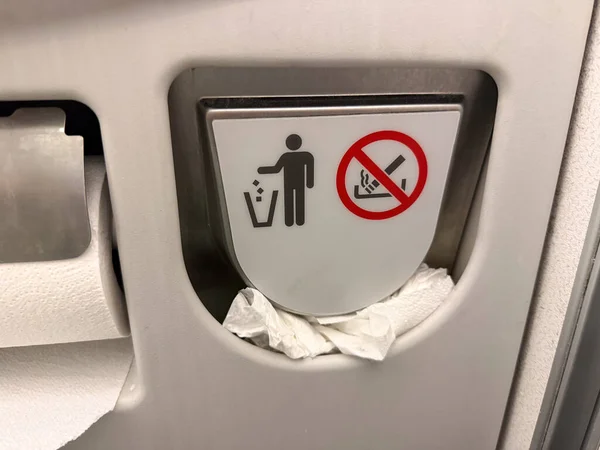
No crew member wants a used tissue, diaper, or anything with bodily fluids placed directly into their hands. Items that qualify as messy or contaminated belong in the lavatory trash, not the galley workflow. For sharp medical waste, travelers do best with a proper container and disposal after landing. Clean cabin habits protect both the crew and other passengers from unnecessary exposure.
8. Turning boarding into a carry-on “adjustment session”
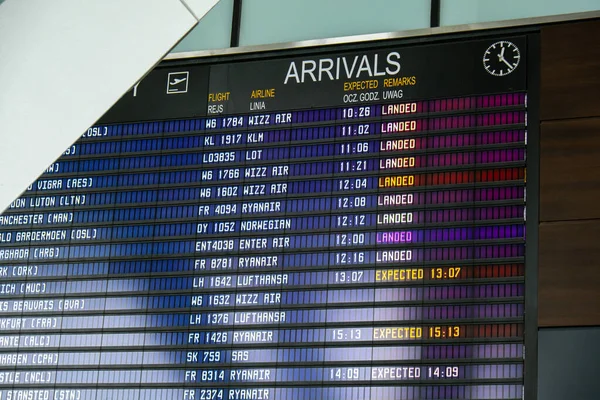
Boarding stalls when a passenger blocks the aisle to rotate, re-rotate, and guard a bag as if the bin were private storage. Delays compound quickly: one person fussing with straps and wheels can freeze an entire row of passengers behind them. Preparing before stepping onboardzippers closed, straps tucked, wheels oriented correctlykeeps the aisle clear. If an item is fragile or unusual, asking the crew before forcing it into a tight space saves time and prevents damage.
9. Turning the call button into a social button
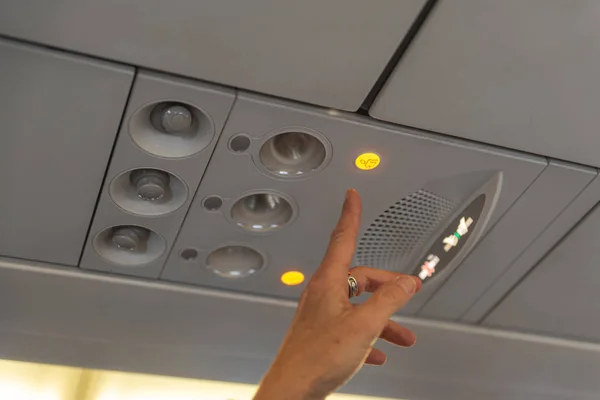
Friendly conversation can be welcome, but summoning a flight attendant to chat, flirt, or “keep them entertained” pulls them away from safety checks, paperwork, and service timing. The cabin has natural moments for small talk after meal pickup, during a lull, or while deplaning when the crew is not managing carts and compliance. Using the call button for genuine needs respects the signal’s purpose and reduces interruptions across the cabin.
The through-line is simple: inflight courtesy works best when it supports the crew’s rhythm instead of competing with it. Most etiquette slipups come from trying to be helpful in ways that create friction in a crowded environment. When passengers protect the aisle, respect personal space, and let flight attendants run their system, the whole cabin feels easier, quieter boarding, smoother service, and fewer points of tension at 30,000 feet.

